
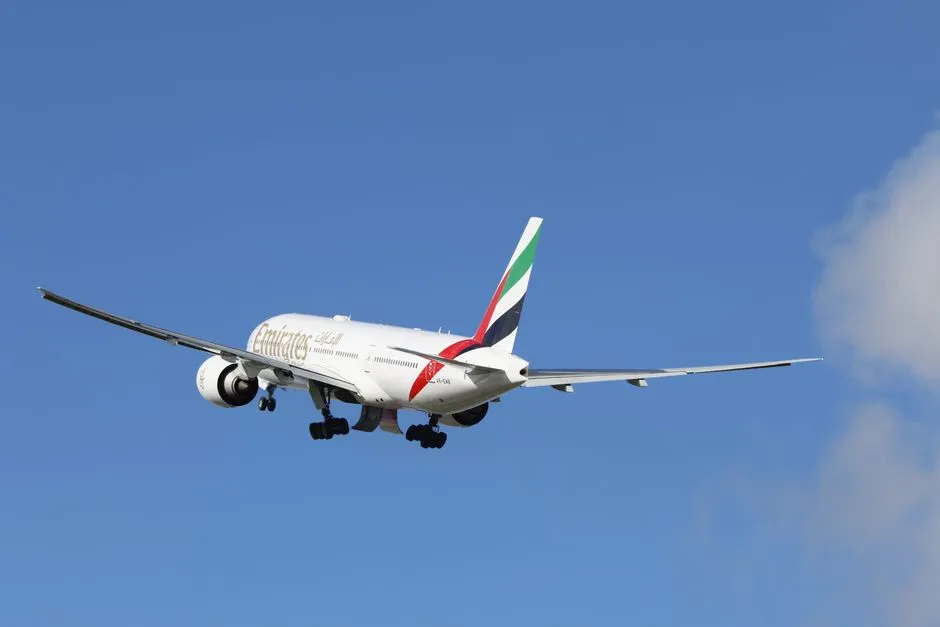

There’s a moment during every flight, somewhere between the cabin door closing and the wheels leaving the ground, when the crew shifts from hospitality mode into something far more serious. Takeoff is not small talk time. It’s the phase of flight that demands the most focus from every trained professional on board, and yet it’s precisely when a growing number of passengers seem to forget the basic rules entirely.
The complaints from cabin crew have grown louder in recent years. Flight attendants across multiple carriers, in interviews, podcasts, and public forums, are flagging one central issue: passengers simply are not listening during the most critical window of a flight. Here’s a closer look at the behaviors driving that frustration, backed by data and crew experience.
Physically Touching Flight Attendants to Get Their Attention
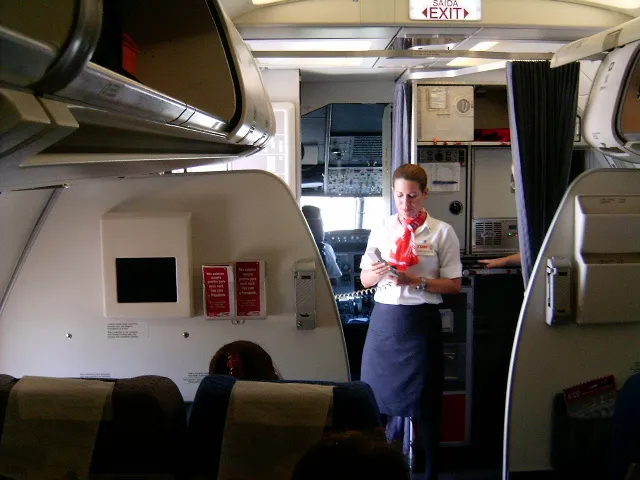
Flight attendants are urging passengers to stop touching them to get their attention, calling it one of the most persistent issues they face while trying to do their jobs. During takeoff prep, crew members are running through mandatory safety checks, and a poke or grab at that moment doesn’t just annoy them. It genuinely disrupts their focus.
Cabin crew members say travelers are constantly poking, pinching, tapping, and grabbing them mid-flight, and many say the behavior has gotten so out of hand that some attendants now wear “no touching” patches and pins while working the aisle.
Instead of physically touching crew members, flight attendants say passengers should use the call button, make eye contact, or politely wave if they need assistance. It’s a minor adjustment in behavior that makes a significant difference to the people responsible for your safety.
Ignoring the Seatbelt Sign During Takeoff
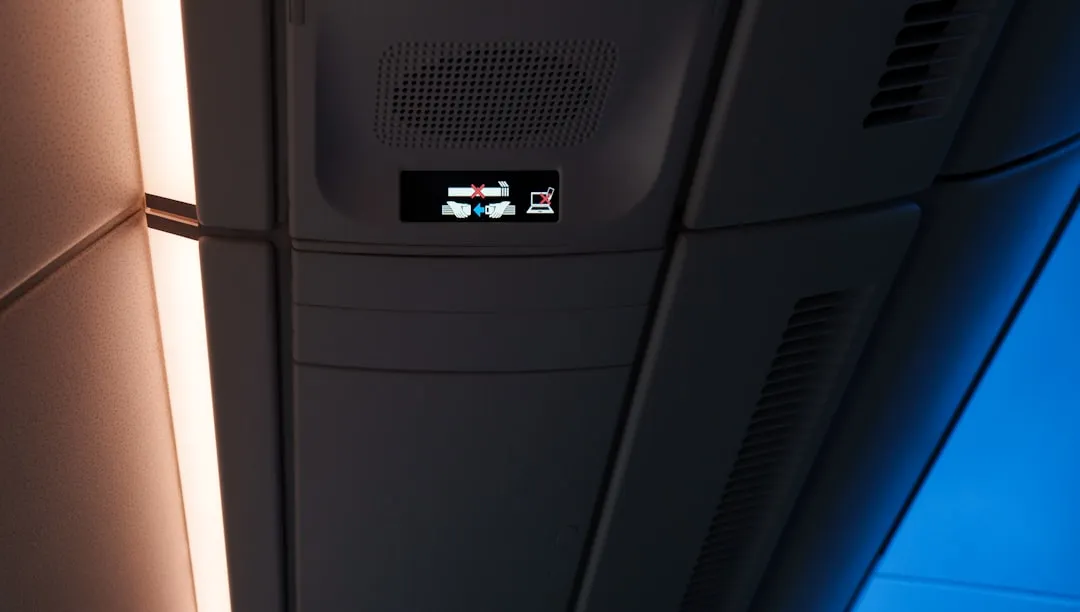
Signs that prohibit smoking and notify when safety belts must be fastened must be illuminated during airplane movement on the surface, for each takeoff, for each landing, and when otherwise considered to be necessary by the pilot in command. That illuminated sign is not a suggestion.
Complying with the fasten seatbelt sign is not just airline policy. It’s a federal regulation, specifically 14 CFR §121.317, which states that each passenger must fasten his or her safety belt and keep it fastened while the “Fasten Seat Belt” sign is lighted.
In a notable crash investigation, neither of two ejected passengers were wearing their seatbelts, and the investigation concluded that their ejection was attributed entirely to that fact and that they would otherwise have remained in the cabin and survived. The consequences of ignoring this rule are not theoretical.
Using Personal Electronic Devices at the Wrong Moment
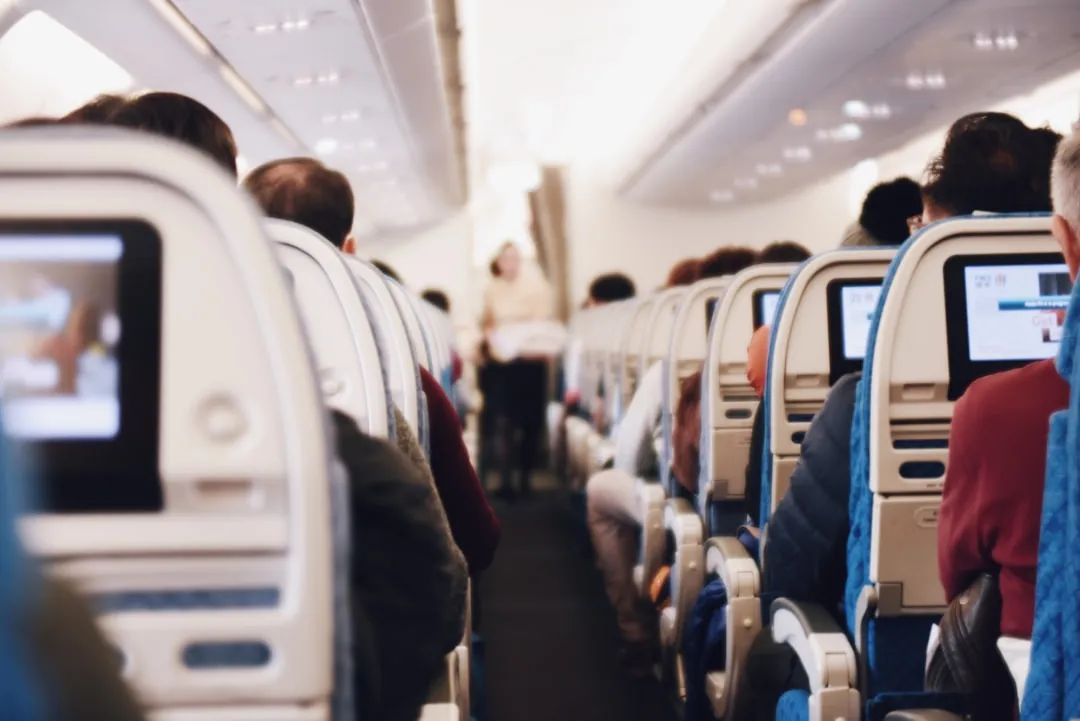
The use of electronic devices during crucial flight stages, such as taxiing, takeoff, and landing, presents a persistent threat to aviation safety. Though regulations have evolved to allow the use of electronic devices in airplane mode throughout most flights, the potential for disruption during sensitive phases remains a concern.
Studies have demonstrated that the simple presence of electronic devices can create cognitive distractions, diverting attention from vital safety instructions. Passengers deeply engrossed in their devices might overlook essential instructions and safety protocols from crew members.
Flight attendants repeatedly ask passengers to put phones away not out of habit, but because takeoff is when listening to crew instructions matters most. A device in your face means a safety briefing goes in one ear and out the other.
Getting Up From Their Seat Before or During Takeoff
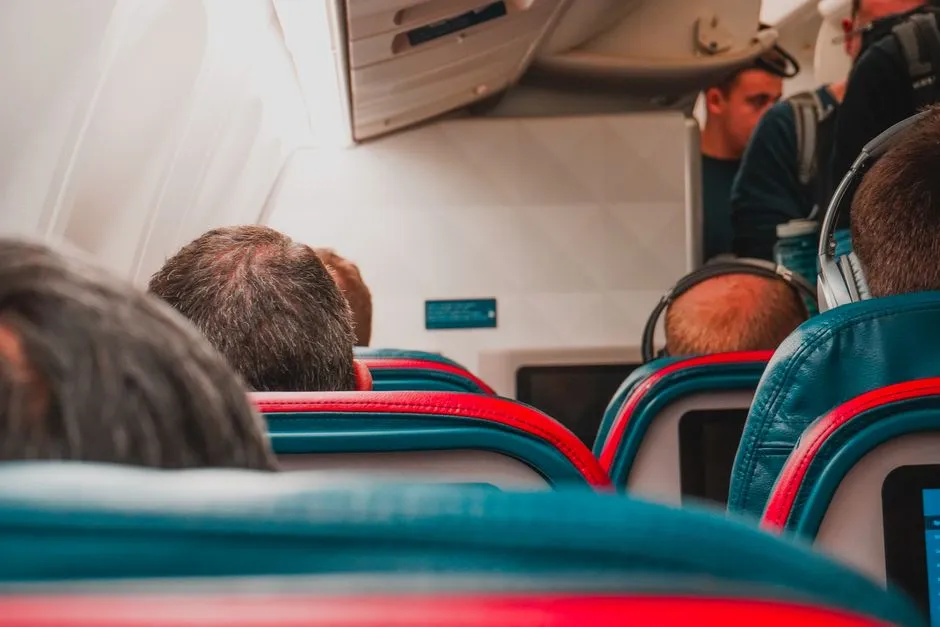
Each person on board a U.S.-registered civil aircraft must occupy an approved seat or berth with a safety belt and, if installed, shoulder harness, properly secured about him or her during movement on the surface, takeoff, and landing. Standing up before the plane has even left the ground violates this federal requirement.
Behaviors that have led to enforcement or fines include standing up or opening overhead bins before the seatbelt sign is off. Even if a passenger does not intend harm, persistent refusal to comply, especially after crew warnings, can be interpreted as interference with a crew member’s duties, triggering enforcement.
Crew members are strapped into their jump seats during takeoff for good reason. A passenger who decides to retrieve something from the overhead bin at that exact moment creates a real hazard for everyone nearby.
Refusing to Follow Crew Instructions
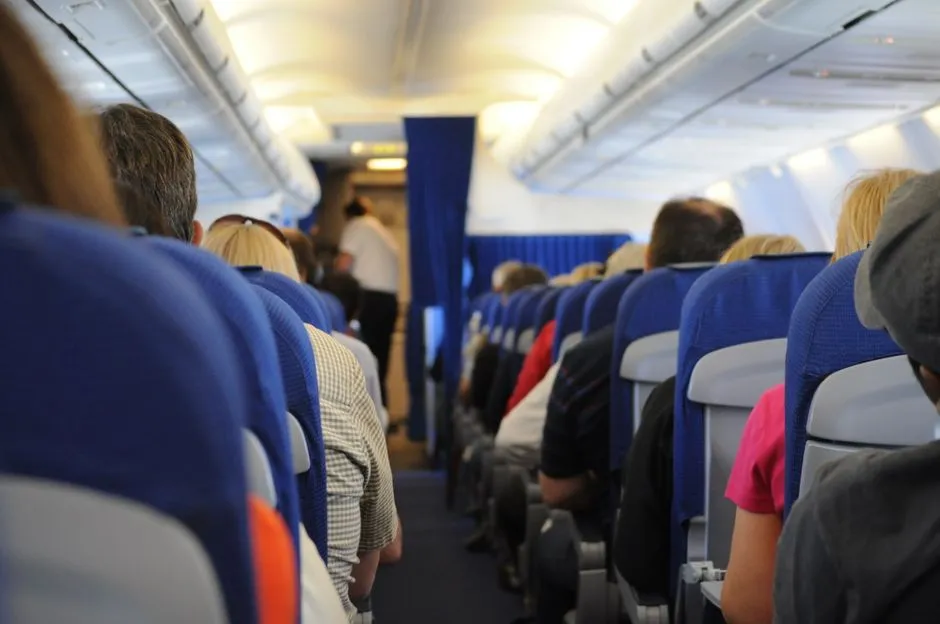
Non-compliance with crew instructions continues to be the most frequently reported descriptor in unruly passenger incidents globally. That’s not a minor footnote. It’s the single biggest category of disruptive behavior reported by airlines worldwide, according to IATA’s June 2026 fact sheet.
Air travel safety depends on cooperation, especially during takeoff, landing, and emergencies. Crew members must be able to give instructions and assume compliance without reserve. Authorities view any persistent non-compliance as a threat to safety.
Refusing to seat a bag, recline a seatback, or wear a seatbelt when instructed during takeoff is not a minor inconvenience. It puts a crew member in the position of having to choose between enforcing safety and managing a confrontation, at the worst possible time.
Physically Confronting or Assaulting Crew Members
The impact of in-flight incidents on crew members can be long-lasting. A 2021 survey by the Association of Flight Attendants found that the vast majority had encountered unruly passenger behavior within a year, and nearly one in five involved physical aggression.
Airlines reported 2,102 unruly passenger cases throughout 2024, marking a one percent increase from 2023, which had 2,076 reported incidents. Among the most serious cases were those that began almost immediately after takeoff, when passengers escalated minor disputes into physical confrontations.
Interference with flight crew members is one of the most serious charges related to in-flight conduct. It criminalizes assaulting or intimidating a flight crew member or interfering with their duties. It carries real federal criminal consequences, not just a fine.
Drinking Alcohol Before or During Boarding Then Continuing to Push for More

Drunk passengers create the most serious and dangerous incidents on aircraft. In 2024, 106 unruly incidents involved intoxicated travelers, accounting for approximately twelve percent of all reported cases, demonstrating that alcohol-related disruptions remain a critical safety concern for the aviation industry.
The trend of pre-flight alcohol consumption appears to be on the rise, potentially fostering a party atmosphere that transitions into the plane. By the time boarding begins, some passengers have already been drinking at airport bars for hours.
Flight crew undergo training on how to recognize intoxication, yet they often face a difficult dilemma. Their goal is to ensure safety and comfort, however, they also have to be mindful that trying to control an intoxicated individual can risk escalating the situation further. During takeoff, that risk is at its peak.
Snapping Fingers or Speaking Rudely to Crew Members

Diane Gottsman, a national etiquette expert and founder of The Protocol School of Texas, noted that touching a flight attendant violates both personal and professional boundaries. Snapping fingers at crew members falls into the same disrespectful category and is widely reported as one of the most demoralizing behaviors passengers display.
A polite and louder-than-usual “excuse me” may feel a bit bold, but it’s definitely more appropriate than tapping someone on their arm, shoulder, waist, or any other part of their body. That standard applies equally to rude verbal commands.
Gottsman noted that passengers are not always aware of what a flight attendant may be dealing with at a given moment. Their main focus is the safety of the passengers on the plane. Basic etiquette calls for respecting another person’s job and their personal space.
Not Paying Attention to the Safety Briefing
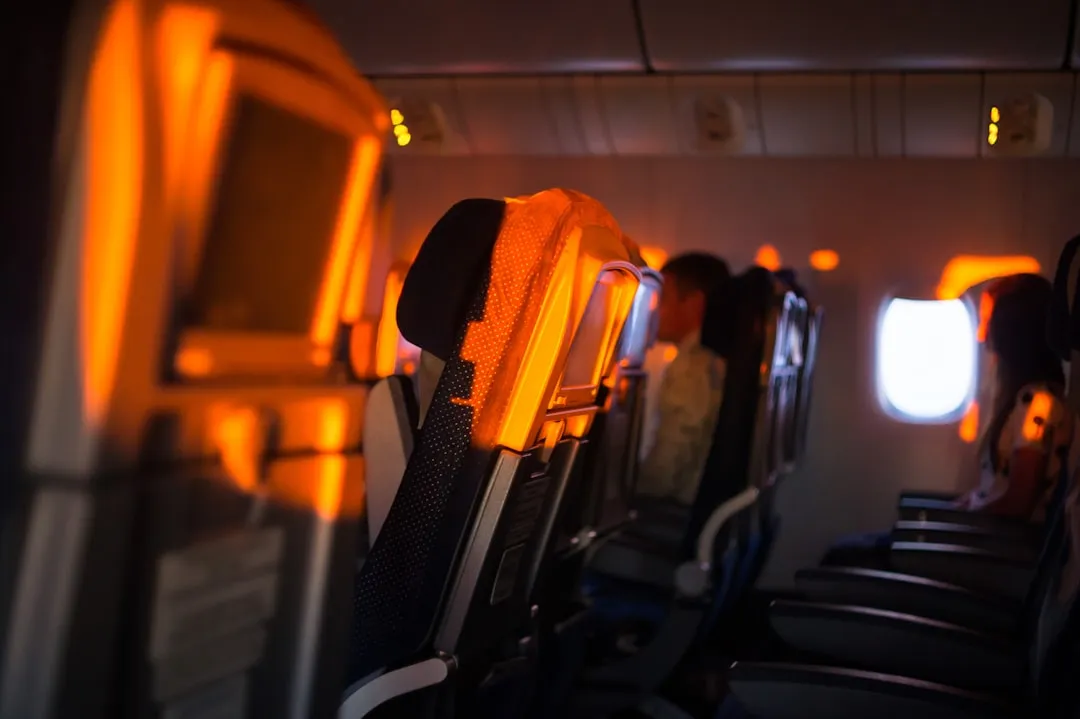
Airplane safety is paramount to flight attendants. They inform passengers of emergency protocols and flight rules, ensure bags are properly tucked away so no one gets hurt, and help everyone be comfortable during their journey. The pre-takeoff briefing is not filler content.
Before each takeoff, crew members are legally required to orally brief all passengers on specific safety information. Scrolling your phone or chatting through that window means you may not know where your nearest exit is, how to brace for impact, or what to do if the oxygen masks drop.
Flight attendants find it deeply frustrating to deliver a mandatory safety briefing to a cabin full of passengers who are tuned out. It’s their professional and legal obligation to make sure you hear it. Whether you listen is the one thing entirely in your control.
The Real Consequences: Fines, Bans, and Criminal Charges
The FAA can propose penalties of up to $43,658 per violation, and a single incident can result in multiple violations. This means a passenger involved in one disruptive event could face accumulated fines totaling hundreds of thousands of dollars.
As a result of the FAA’s stricter rules, 512 investigations were initiated in 2024, or about twenty-four percent of the total number of incidents for the year. The FAA’s Unruly Passenger Statistics show that 402 saw enforcement actions initiated, with a total of $7.5 million worth of fees charged against disruptive passengers in 2024.
France has announced regulatory changes allowing fines of up to approximately $23,000 in serious cases of disruptive passenger behavior, along with potential flight bans of up to four years for serious repeat offenses. This framework, announced for phased implementation beginning in late 2025, targets behavior such as obstructing crew safety duties, ignoring safety instructions, and interfering with flight operations.
Federal law treats the safety and security of air travel with the utmost seriousness. Conduct that may be disruptive, threatening, or illegal in the confined and high-risk environment of an aircraft is likely to trigger harsh penalties. The skies are simply not the place to test those limits.
The next time your flight begins its takeoff roll, consider what the crew around you is actually doing. They’re not just serving drinks and checking overhead bins. They’re the trained, legally empowered guardians of every person on that aircraft. Giving them the basic cooperation they ask for, especially in those critical first minutes, costs nothing. Not giving it can cost considerably more.
AI Disclaimer: This article was created with the assistance of AI tools and reviewed by a human editor.