
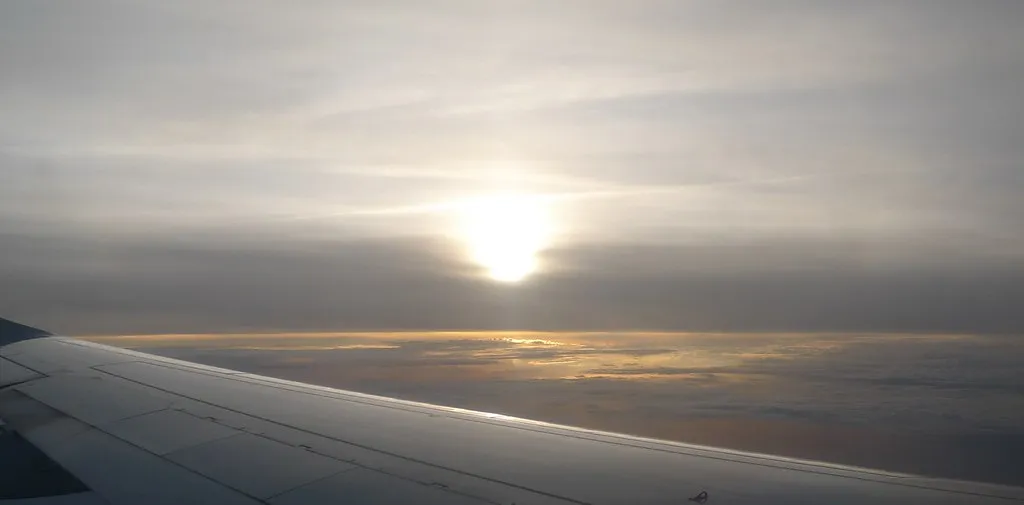

There’s something quietly appealing about the window seat. The view, the wall to lean on, a sense of personal space. Millions of passengers request it every single day without a second thought. What most don’t realize is that the seat closest to the glass carries a specific set of health risks that flight crews have been quietly flagging for years, and that dermatologists and researchers have now backed up with hard data.
The concern isn’t about turbulence or a faulty tray table. It’s about what the sun does to your skin at 35,000 feet, and why a thin pane of aircraft-grade plastic or glass isn’t nearly the protection most people assume it is.
The UV Radiation Problem Nobody Talks About

Research shows that passengers sitting by the window are exposed to higher levels of ultraviolet radiation compared to being on the ground, mainly due to the thinner atmosphere at cruising altitude. That’s not a small difference. Certified dermatologist Dr. Danny Guo points out that UV levels at high altitudes are significantly stronger than on the ground, noting there is a roughly two percent increase in UV radiation per 1,000 feet increase in altitude – meaning that the average flight at 30,000 to 40,000 feet brings a 60 to 80 percent increase in UV radiation levels compared to the ground.
While airplane windows are designed to block most UVB rays – the kind that cause sunburn – they allow a significant amount of UVA rays to pass through. That distinction matters more than most travelers know. UVA rays penetrate deeper into the skin, contributing to premature aging and increasing the risk of skin cancer.
What Airplane Windows Actually Block (and What They Don’t)

A pilot’s exposure to UVB radiation through the windshield is minimal because it is blocked by glass, but more than half of UVA radiation penetrates glass. So while you won’t come off a flight with a sunburn, you’re still receiving meaningful UV exposure throughout the journey. According to dermatologist Dr. Jones, aircraft windows don’t fully keep out UVA rays, which can “cause premature ageing, wrinkles and ultimately can contribute to skin cancer as well.”
Some of the older aircraft windows block out about 50 percent of UVA rays, while some of the newer models are more effective. The inconsistency across fleets means passengers have no reliable way to know what protection their specific aircraft is offering. Although all aircraft are equipped with windshields, protection from UV rays varies by aircraft, as do the materials and environmental conditions during flight, causing inconsistencies.
The Tanning Bed Comparison That Should Give You Pause
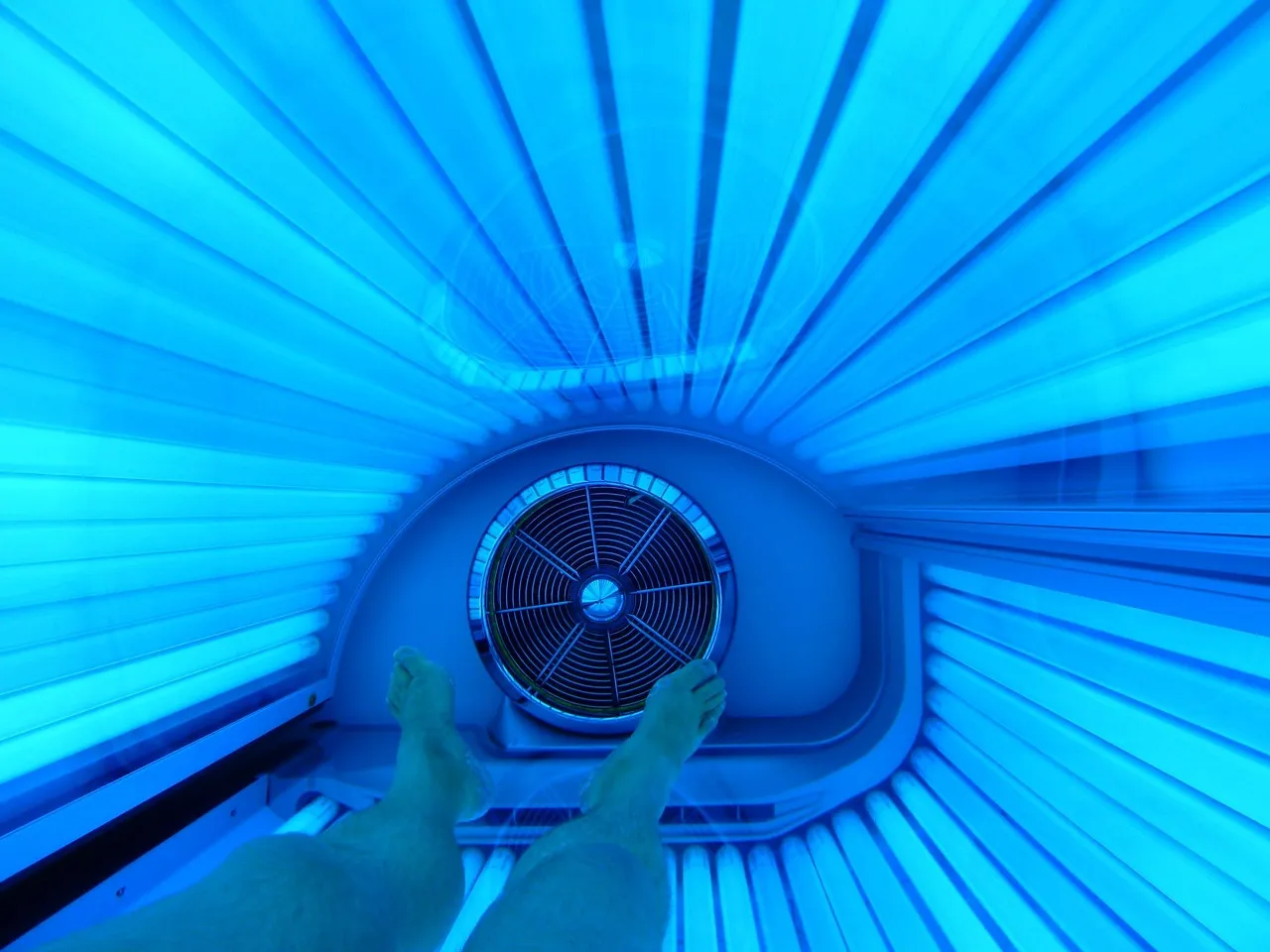
Data from a 2015 JAMA Dermatology study showed that an hour inside an airplane cockpit resulted in an equivalent amount of UV radiation to 20 minutes in a tanning bed. Airplanes fly between 30,000 and 40,000 feet above sea level. At those heights, the Earth’s atmosphere starts to become much thinner, meaning fewer UV rays are getting blocked.
The authors also suggest the levels could be higher when pilots are flying over thick clouds and snow fields, which can reflect UV radiation. That’s the cockpit, which is more directly exposed than the passenger cabin. Still, window seat passengers face a meaningful and cumulative version of the same exposure on every flight. While this level of exposure is highest for pilots and flight crews, passengers in window seats can also be affected, especially on long flights.
What the Harvard Research on Flight Attendants Revealed
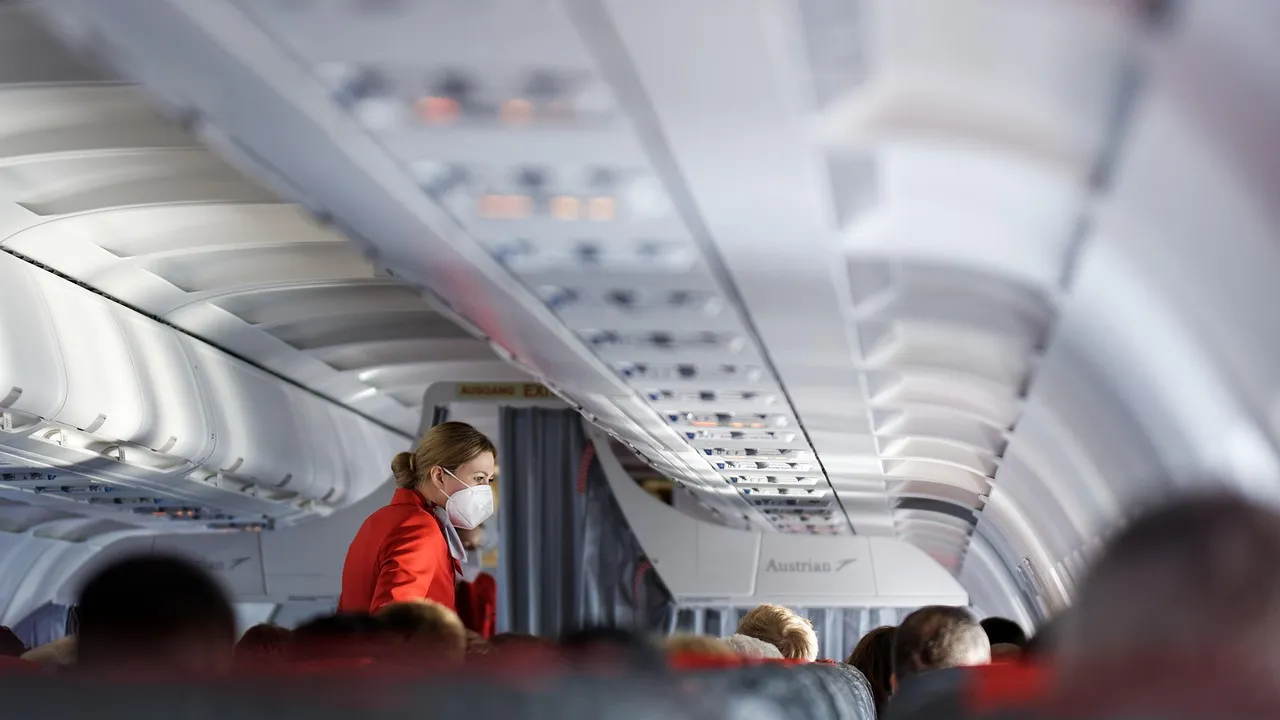
Researchers looked at data from more than 5,300 flight attendants from different airlines who completed an online survey as part of the Harvard Flight Attendant Health Study. The analysis compared cancer rates in these flight attendants with a group of about 2,700 people who had a similar income and educational status but were not flight attendants.
Melanoma rates were more than two times higher and nonmelanoma skin cancer rates were about four times higher in female flight attendants compared with women from the general population. Cancer rates in male flight attendants were nearly 50 percent higher for melanoma and about 10 percent higher for nonmelanoma skin cancers compared with men from the general population. These are striking numbers, and they come from one of the largest studies of cabin crew cancer rates conducted to date.
Skin Aging Is a Risk Too, Not Just Cancer

Dr. Mamina Turegano noted that repeated skin damage accelerates signs of skin aging, such as hyperpigmentation, sunspots, and wrinkles. For frequent flyers, this cumulative toll adds up faster than most people realize. The main concern from window seat UV exposure is cumulative UVA exposure, which is linked to skin aging and melanoma.
UVA radiation is associated with skin aging and an increased risk of skin cancer, making it important to take precautions even when you’re inside an aircraft. Many people apply sunscreen before beach trips as a matter of habit but never think to do the same before boarding a plane. That oversight is exactly what dermatologists and flight crews are working to change.
The DVT Risk Linked to Staying Locked in That Seat
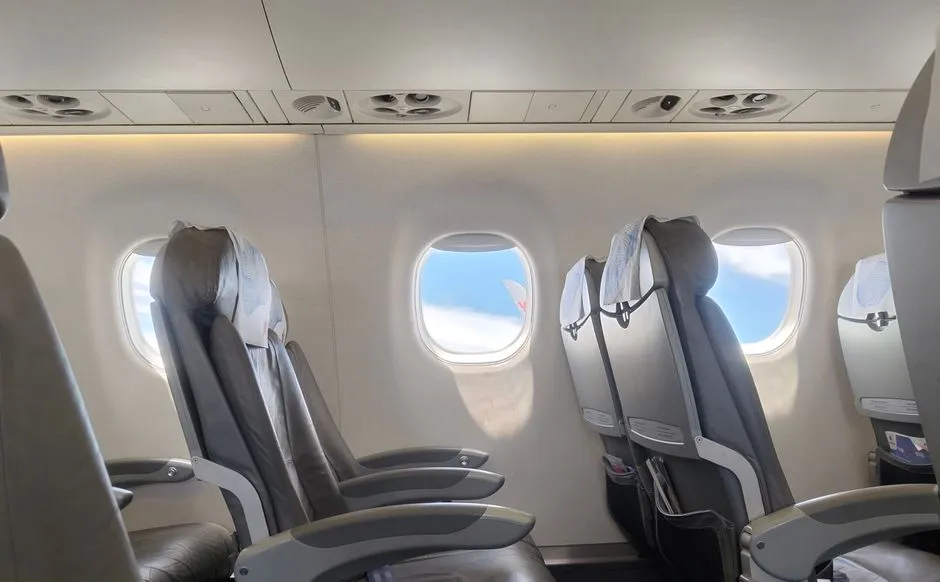
UV exposure isn’t the only concern tied to the window seat. The immobility that often comes with it carries its own documented risk. Immobilisation has been linked to roughly three quarters of air-travel cases of venous thromboembolism, with the LONFLIT study showing the greatest frequency of venous thromboembolism occurring in non-aisle seating where passengers tend to move less.
It is estimated that DVT affects one in 5,000 travellers on long flights. Risk increases with exposure to more flights within a short time frame and with increasing duration of flights. Window seat passengers are less likely to get up, less likely to stretch their legs in the aisle, and more likely to stay pinned in place to avoid disturbing neighbors – all of which compounds the risk.
Cosmic Radiation: A Separate but Related Concern

Flight attendants are exposed to several known and probable cancer risks, including cosmic ionizing radiation, disrupted sleep cycles and circadian rhythms, and chemical contaminants. Cosmic radiation is distinct from UV radiation and represents a different pathway of exposure at altitude. Higher altitudes mean increased exposure to cosmic radiation, which is a high-energy radiation normally filtered by the time it reaches Earth, but not as much when you’re in the sky.
Aircrew are exposed to elevated levels of cosmic ionizing radiation and circadian rhythm disruption from traveling across time zones and working when others would normally be asleep. Ionizing radiation is known to cause cancer. For passengers on occasional flights, the exposure is far lower than for crew members who fly hundreds of hours per year. Still, the window seat amplifies whatever solar exposure is in play on any given flight.
What Flight Attendants and Dermatologists Actually Recommend
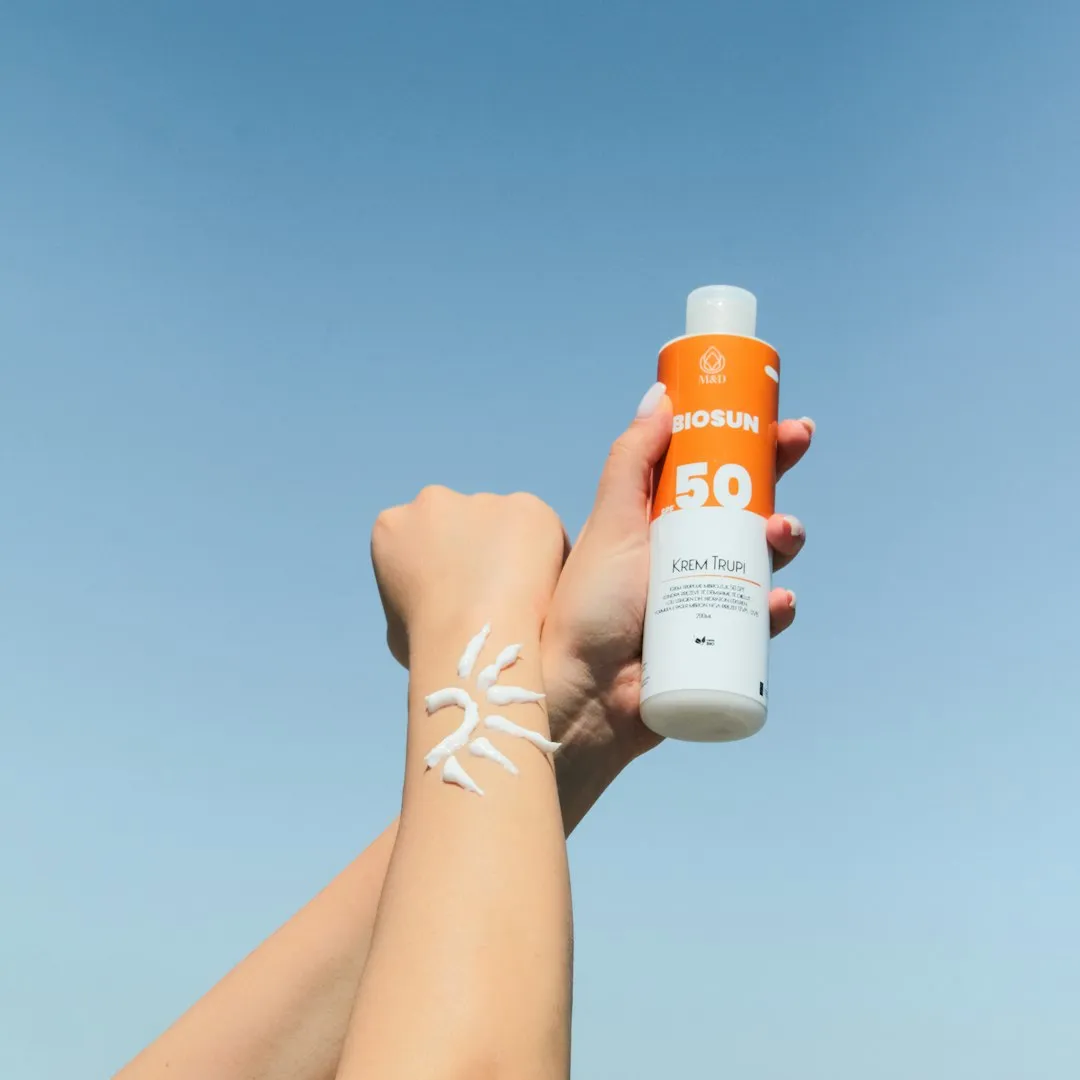
Dermatologist Dr. Joyce Park recommends all travelers – regardless of whether they’re a passenger, pilot, or flight attendant – apply sunscreen before a flight, stating “you should absolutely wear sunscreen on aeroplanes or keep windows shut,” citing research that found frequent, unprotected flying puts people at risk for developing skin cancer.
Experts advise applying a broad-spectrum sunscreen with SPF 30 or higher and reapplying every two hours. If you’re in a window seat, shutting the shade is one of the simplest protective steps available. Wearing lightweight, long-sleeved clothing to minimize skin exposure is also worth considering, and sunglasses with UV protection can help safeguard your eyes from harmful rays. Simple actions, taken consistently, make a real difference.
Frequent Flyers Face a Compounding Risk

With an estimated 22.2 million flights worldwide, aircrew are limited to 1,000 hours per year, with flight attendants working up to 90 hours per month. Compared with the average 50 hours per year for the average flier, aircrew are exposed to a significantly greater amount of radiation. But frequent leisure or business travelers who fly multiple times each month are also accumulating a meaningful total exposure over time.
Whether traveling by plane, train, or car, being by a window in daylight for longer periods of time exposes you to harmful UV damage that can increase your risk for skin cancer and sun damage that can lead to early signs of aging. For window seat regulars, the habit of keeping the shade down during daytime cruising isn’t about being antisocial. It’s a genuinely practical health choice.
The Shade Is There for a Reason – Use It
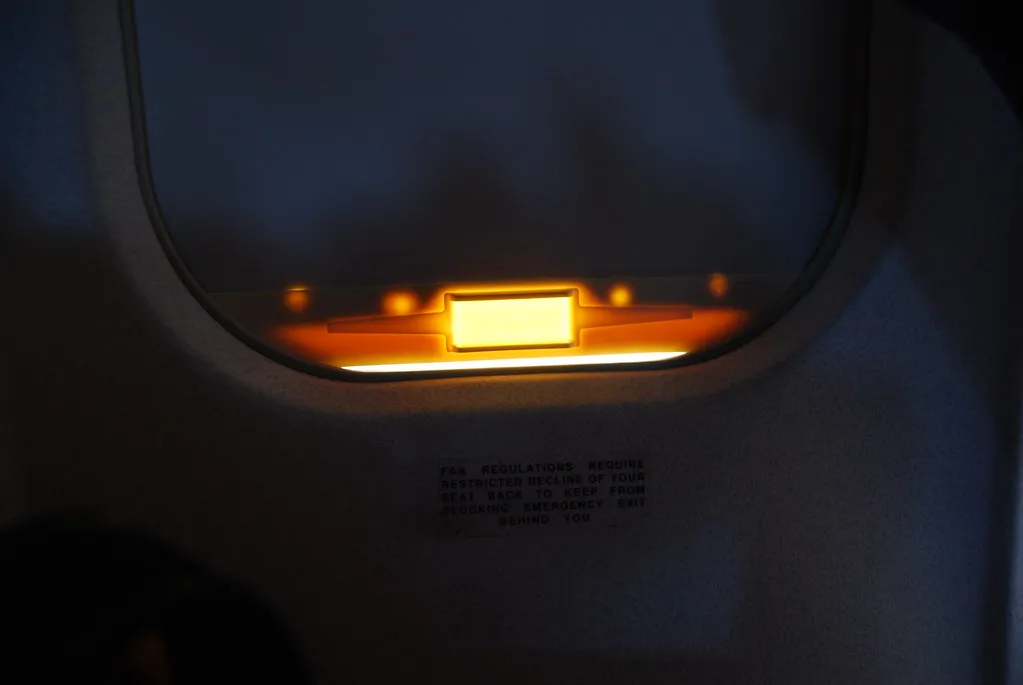
Whether it’s a flight attendant or a dermatologist, experts agree that travelers should wear sunscreen on flights. The UV rays on planes are even more intense than when you’re back on land, because you’re even closer to the ozone layer. The window shade is one of the most underused pieces of protective equipment on any aircraft, and it costs nothing to pull it down.
Even indirect exposure can build up over long flights. Flights that cross polar regions have higher UV levels. Most passengers aren’t aware that the route itself changes their exposure level. A transatlantic flight routing over higher latitudes carries a different UV and cosmic radiation profile than a short domestic hop.
The window seat will always have its charms. The horizon at sunrise, the patchwork of cities below, the clouds at eye level. None of that needs to change. What does need to change is the assumption that sitting next to the glass is entirely harmless. A little sunscreen, a pulled shade, and the occasional walk down the aisle are small adjustments that cost almost nothing – and based on what researchers and flight crews have been documenting for years, they’re well worth making.
AI Disclaimer: This article was created with the assistance of AI tools and reviewed by a human editor.