
There’s a quiet ritual that plays out on nearly every commercial flight. The beverage cart rolls out, most passengers mumble their usual order without looking up, and a handful of travelers manage to leave the plane with a better experience than the one they paid for. It rarely comes down to luck.
Flight attendants spend thousands of hours in the sky each year, and over time, they notice patterns. The passengers who get noticed, remembered, and occasionally moved up tend to share certain habits. Some of those habits start the moment they open their mouths to order a drink.
The Drink Is Almost Never the Point
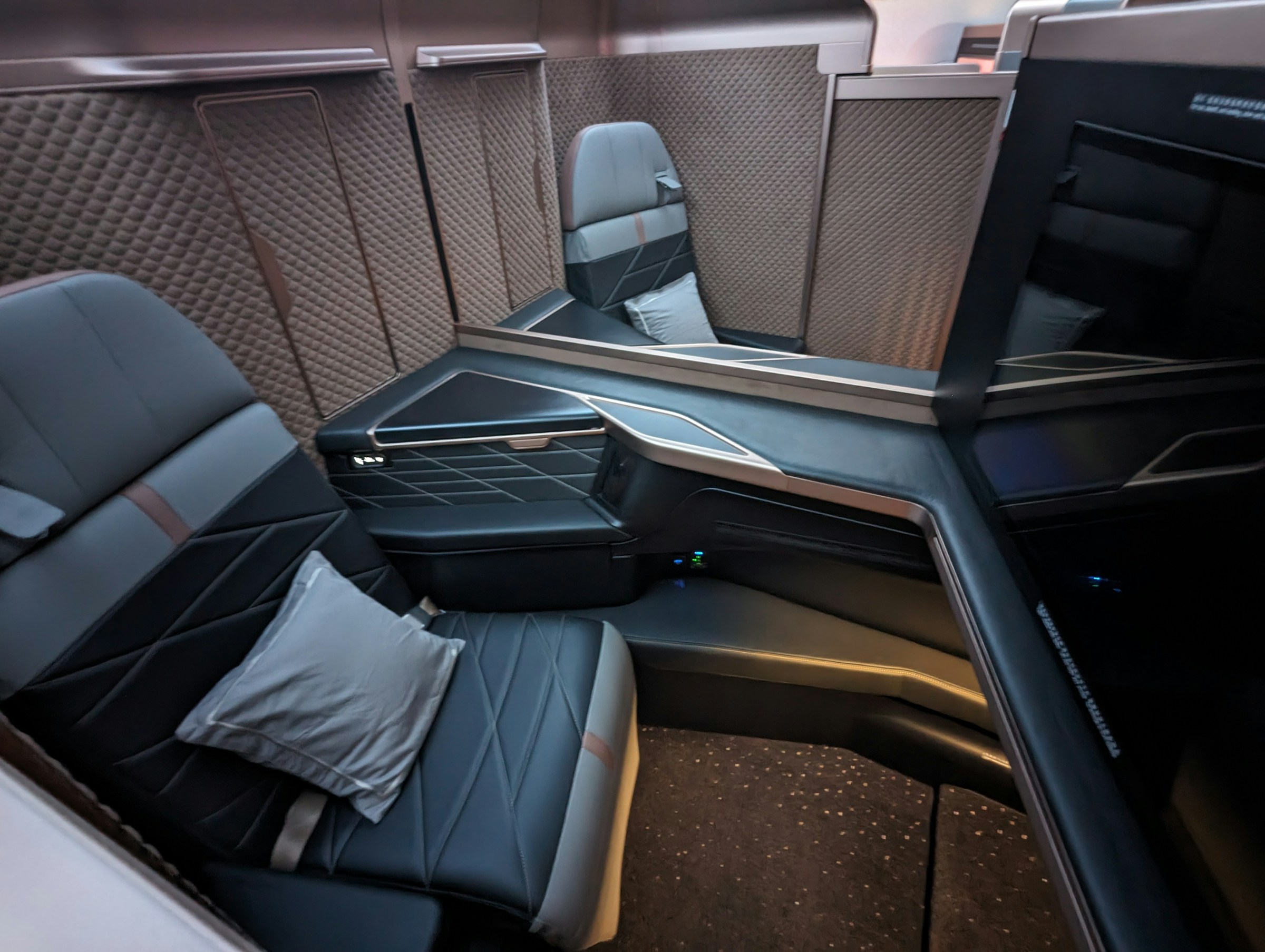
There’s a persistent myth that ordering the “right” drink is a secret password to first class. It’s not quite that simple, and flight attendants are candid about this. Barbara Bacilieri, a cabin crew member with 15 years of experience and millions of social media followers, has clearly stated that gifts offered to flight attendants, celebrity associations, or honeymoon announcements rarely lead to a complimentary seat in the premium cabin.
By the time a passenger asks a flight attendant for an upgrade, the decision has often already been made, and the crew follows a list provided by the airline. That list is shaped by several factors, with frequent flyer status typically being the most important.
That said, how you order, and what you order, does influence the impression you leave. Crew members remember people who made their job easier or more pleasant. That memory can work in your favor when small decisions are still in play.
Kindness Is the Actual Order That Gets You Noticed
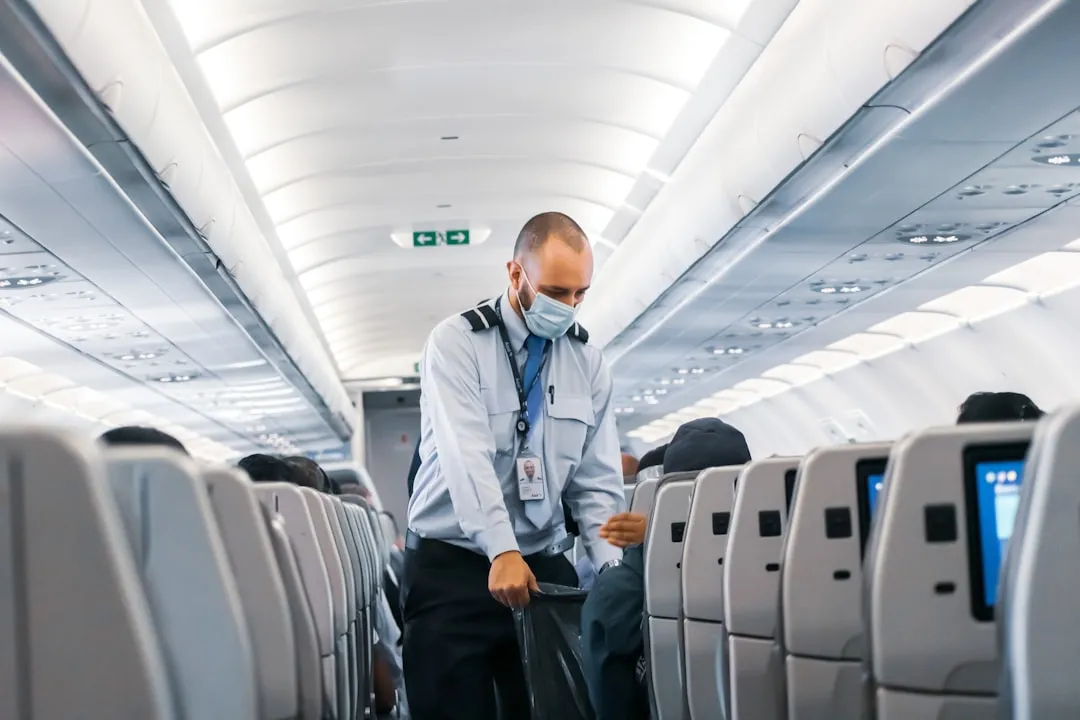
Manners matter more than most passengers realize. Heather Poole, a long-serving flight attendant at a major U.S. airline, has noted that passengers who actually speak to her when she asks what they’d like to drink are becoming increasingly rare. Simply making eye contact and responding warmly is already setting you apart from the majority of the cabin.
Flight attendant Cierra Mistt, well known for sharing cabin insights on social media, puts her first and “easiest” piece of advice plainly: it’s about “literally just being nice to your gate agent and flight attendant.”
A little kindness genuinely goes a long way. Flight attendants deal with hundreds of passengers daily, and being respectful can work measurably in your favor. Your drink order is just one moment where that warmth can show itself.
Ginger Ale: The Surprisingly Thoughtful Choice
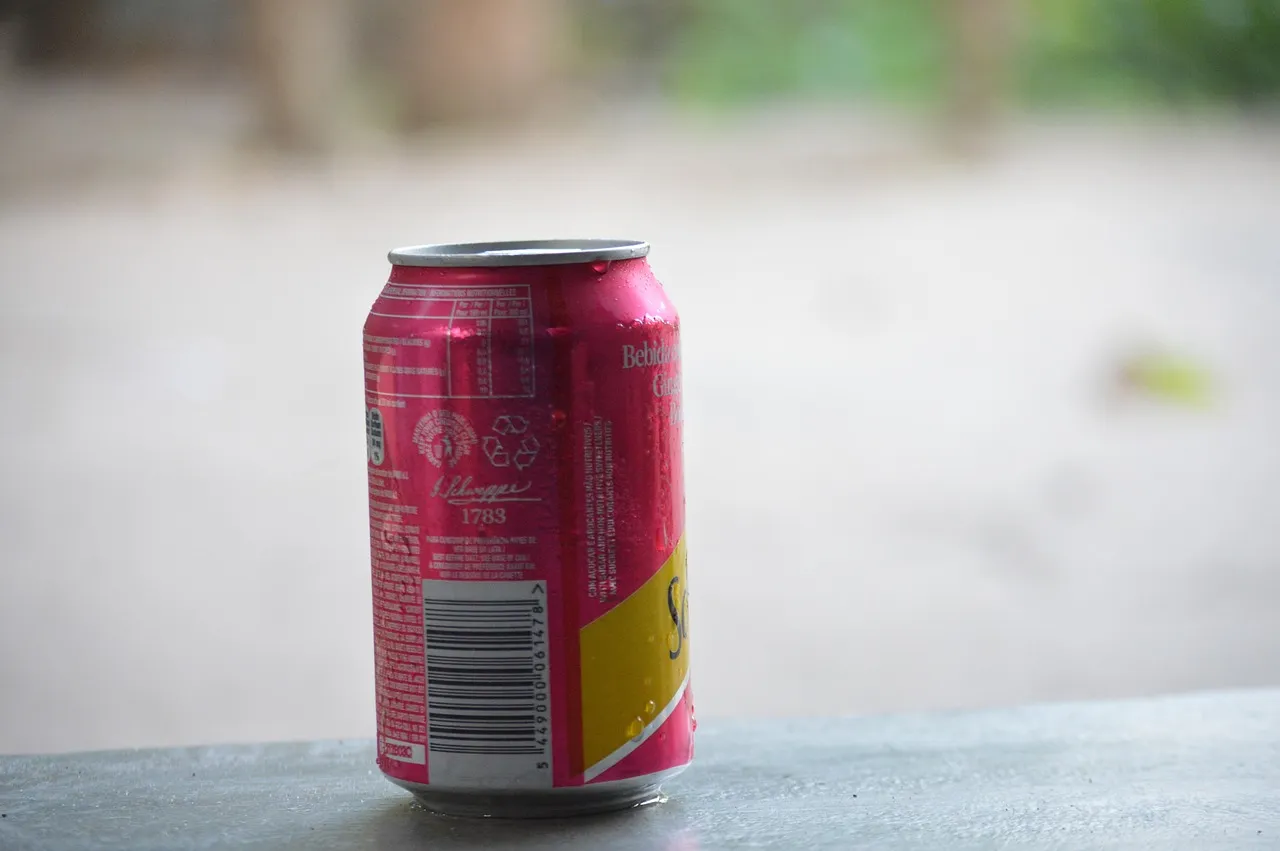
The real health benefit of ginger ale in the air is that it helps keep you hydrated, which is key when flying since the low humidity in a plane cabin makes dehydration easier. It’s a calm, easygoing order that signals you’re a comfortable, experienced traveler.
Ginger ale has quietly become a go-to for seasoned flyers on Reddit and TikTok communities. It doesn’t require explanation, doesn’t create extra work, and doesn’t run out the way specialty drinks do. From a crew member’s perspective, it’s genuinely easy to serve.
There’s no theater in ordering ginger ale, which is precisely why it tends to read as confident rather than demanding. It’s a small, low-friction choice that keeps the interaction pleasant and the service smooth.
Why Tomato Juice Is More Complicated Than It Sounds
Tomato juice has gained a reputation as an elevated in-flight drink order, partly because of a genuine scientific reason: your taste buds are significantly compromised in the air due to the lack of humidity and other sensory factors like aircraft noise, which makes savory and salty drinks taste more satisfying at altitude.
Flight attendants are often stocked with only two or three portions of tomato juice per service. When everyone decides to order it after a viral TikTok, supplies can run out during the very first row. Requesting a scarce item repeatedly, or showing frustration when it’s unavailable, is a fast way to become a memorable passenger for the wrong reasons.
Sommeliers and in-flight beverage experts do note that at altitude, sweetness fades while umami shines, making tomato juice taste richer and more satisfying, with a savory backbone that survives dulled taste buds. The science supports it. The optics, however, can go either way depending on the flight.
Skip the Coffee and Tea
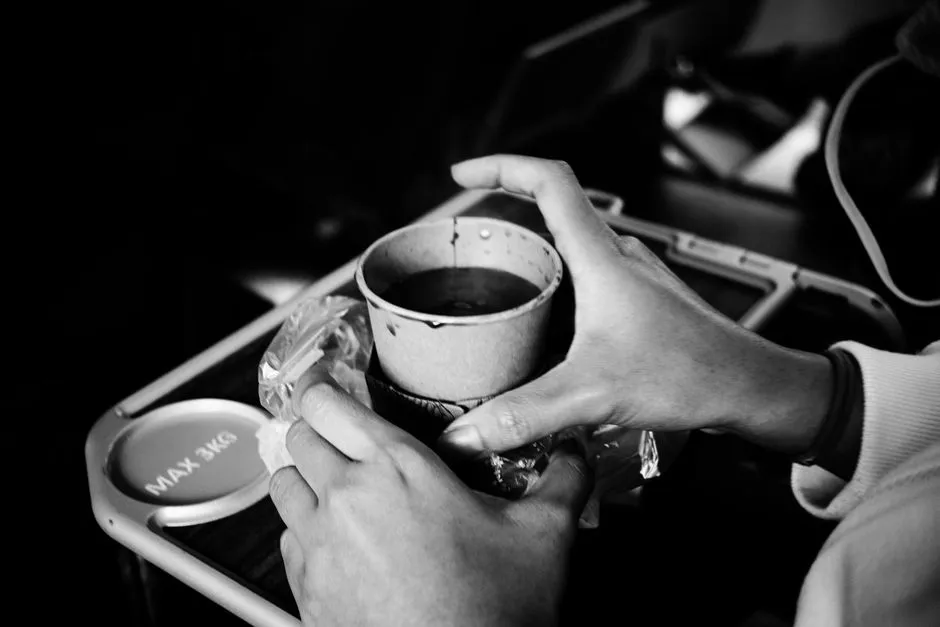
Most flight attendants avoid airplane coffee and tea because the water tanks used aren’t regularly cleaned and may contain contaminants. Government tests have found that some aircraft fail water safety standards, including the presence of bacteria, which heightens concern even when the water is heated.
A study analyzing EPA data from October 2022 to September 2025, conducted by the Center for Food as Medicine and Longevity, evaluated the water quality provided on board various airlines serving the U.S. The 2026 study looked at both regional and major airlines, grading each from A to F based on a Water Safety Score.
Experts and crew members alike recommend sticking with sealed beverages while flying, including bottled water or canned soda, or bringing your own coffee from the terminal instead. Ordering tap-water-based drinks isn’t a mark against you with the crew, but it’s worth knowing what experienced travelers quietly avoid.
Sparkling Wine and Champagne: What the Experts Actually Order
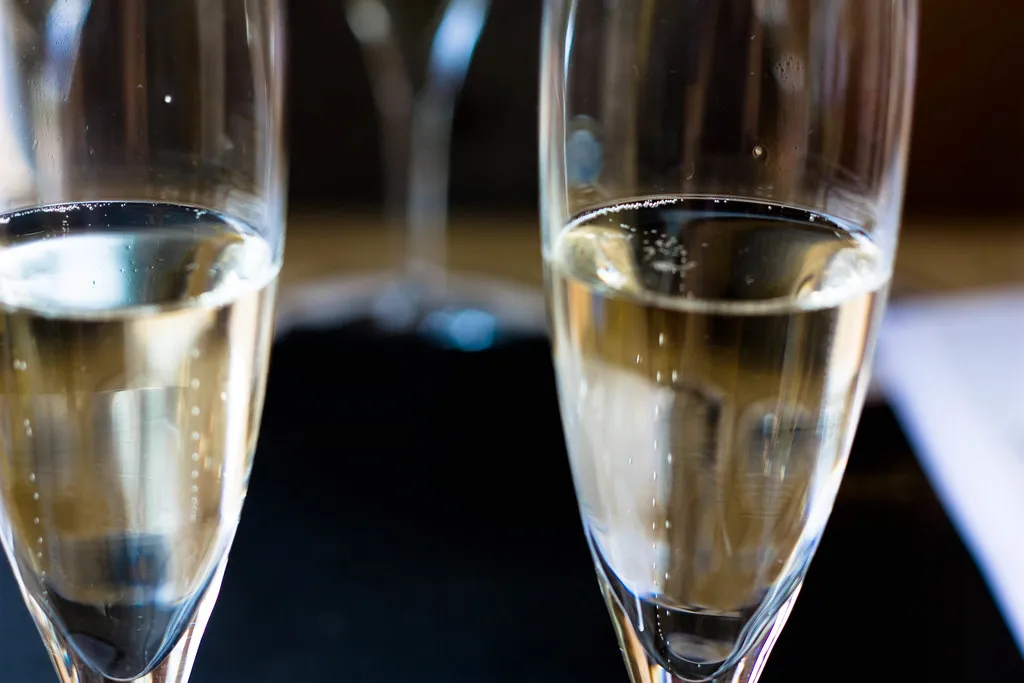
At cruising altitude, lower humidity and cabin pressure can dull sweet and salty notes while amplifying acidity and bitterness. Delta’s managing director of onboard dining has noted that this insight shapes everything from the wines they select to the cocktails they craft, so that flavors remain balanced and enjoyable in the air.
At lower air pressure, carbonation escapes more slowly, which leads to longer head retention and a perceived increase in carbonation, meaning your champagne feels noticeably extra zippy and bubbly onboard. This is why sparkling wine consistently outperforms still wine at altitude.
A professional mixologist has called a champagne cocktail “probably the best thing you can drink in the sky.” Sparkling waters and wines are popular choices with passengers at altitude, which is part of why Delta partnered with Champagne Taittinger to ensure they never run out of the bubbles guests tend to crave once airborne.
Loyalty Status: The Invisible Drink Order That Works Every Time
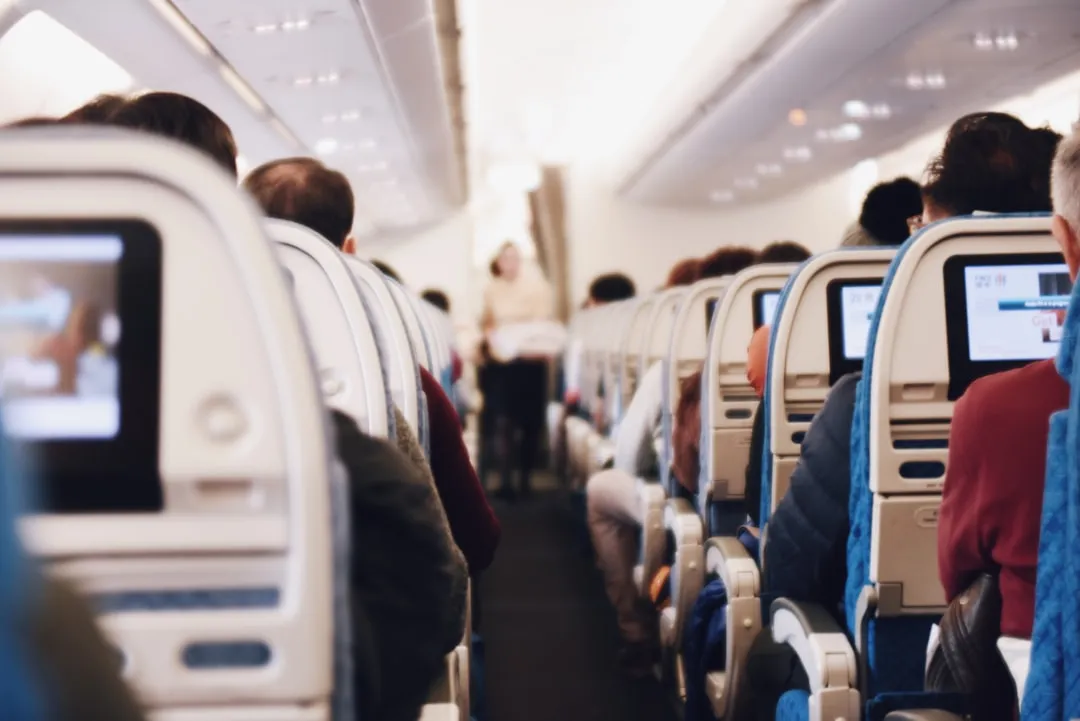
Frequent flyer status is usually the most important factor on an upgrade list, with higher-tier loyalty members receiving priority. The fare you paid also matters, as not all economy tickets are equal. The date you purchased your ticket can also influence your position.
Even at the lowest loyalty tier, enrolling in an airline’s frequent flyer program gives you visibility in their system. Agents can see your profile and prioritize you above random walk-ins. It also unlocks occasional promotions where economy ticket holders are upgraded to fill space. Loyalty programs are free, and simply being in the database puts you on the upgrade radar.
Think of loyalty status as the drink order you placed months before you even arrived at the airport. The crew may not know your name at boarding, but the airline’s system does, and that quiet recognition carries more weight than any in-flight gesture.
Weight and Balance: The Upgrade Nobody Talks About
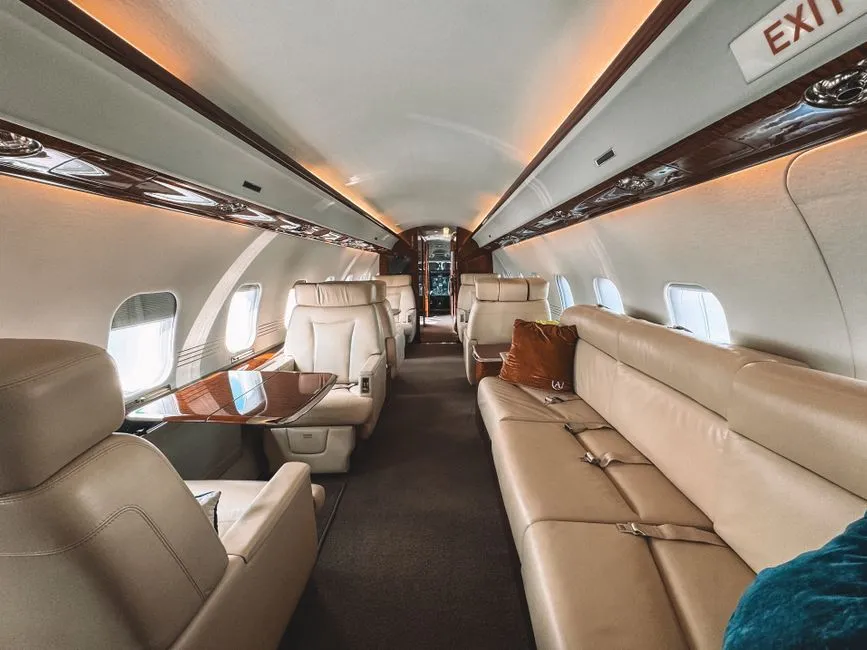
Flight attendant Cierra Mistt has pointed out that another reason for a seat shuffle to first class can be a simple matter of weights and measures, noting that most planes are heaviest in the back. When crew need to move people to the front, passengers already near the front of economy are natural candidates.
This is one of the more unglamorous truths about in-flight upgrades. It has nothing to do with your drink order or your wardrobe. Sitting toward the front of economy, and being a calm, agreeable presence, makes you a low-friction choice when the crew needs to act quickly.
Having a flexible schedule and booking less-busy flight times is another factor that can raise the likelihood of scoring a seat upgrade. Fewer elite passengers competing for the same seats means the math starts working more in your favor.
Checking In Early: The Move That Beats Any Drink Order
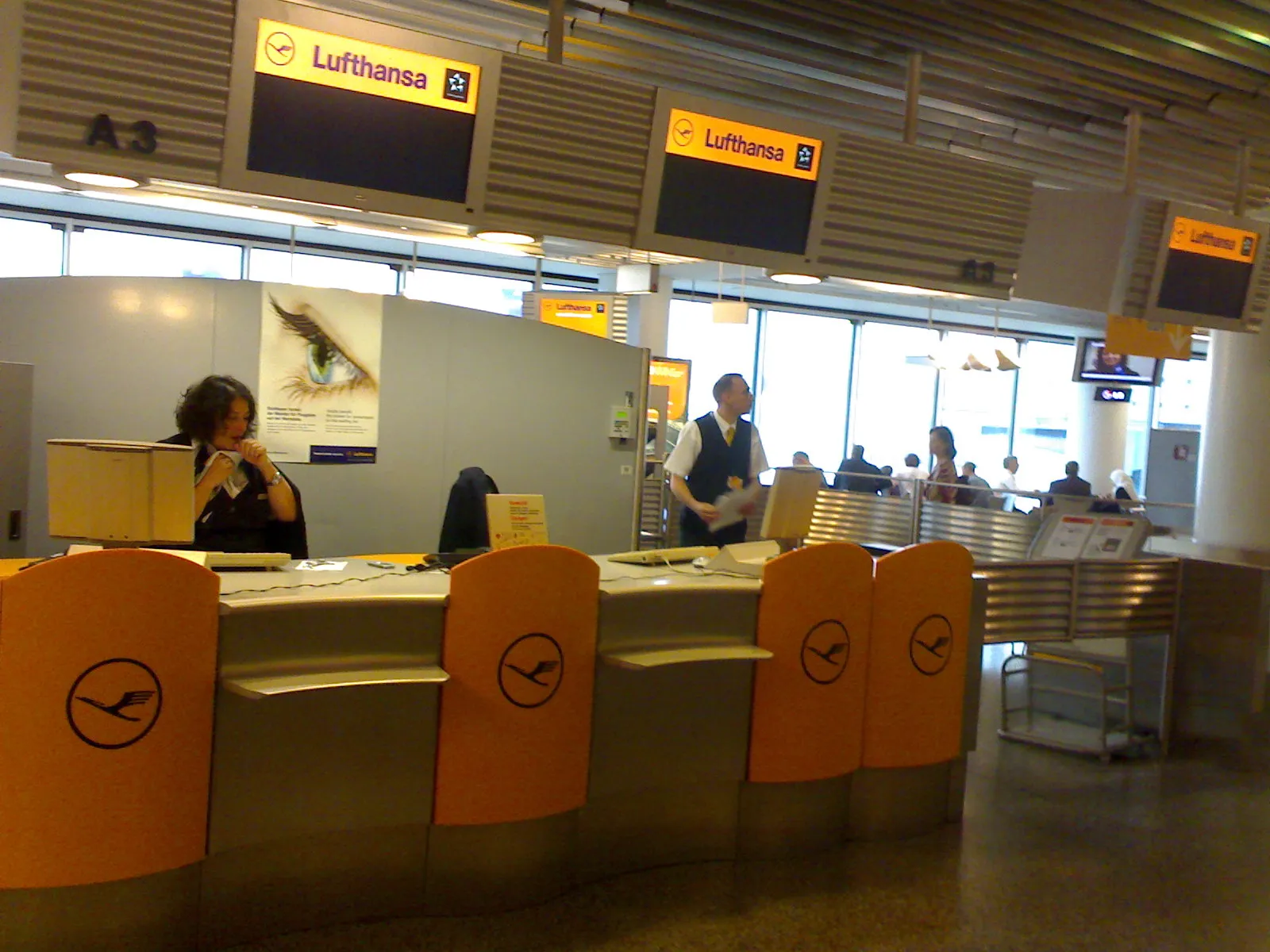
Barbara Bacilieri has noted that although you can’t change your loyalty status immediately, there are a few things that can improve your chances, and checking in as soon as online check-in opens, not just on the day of travel, is one of the most concrete steps.
The most straightforward way to get an upgrade on your flight is to buy one. That said, checking in early places you higher on the standby and upgrade list, which is genuinely useful when seats open at the last minute.
Preboarding advice from experienced flight attendants to set the tone for a better flight includes checking in early, watching to make sure your gate doesn’t change, eating a healthy snack or meal at the gate, and smiling at your flight attendants when boarding. Each of these things costs nothing. Together, they paint a picture of a traveler who makes the cabin a more pleasant place to be.
Small Gestures That Leave a Lasting Impression
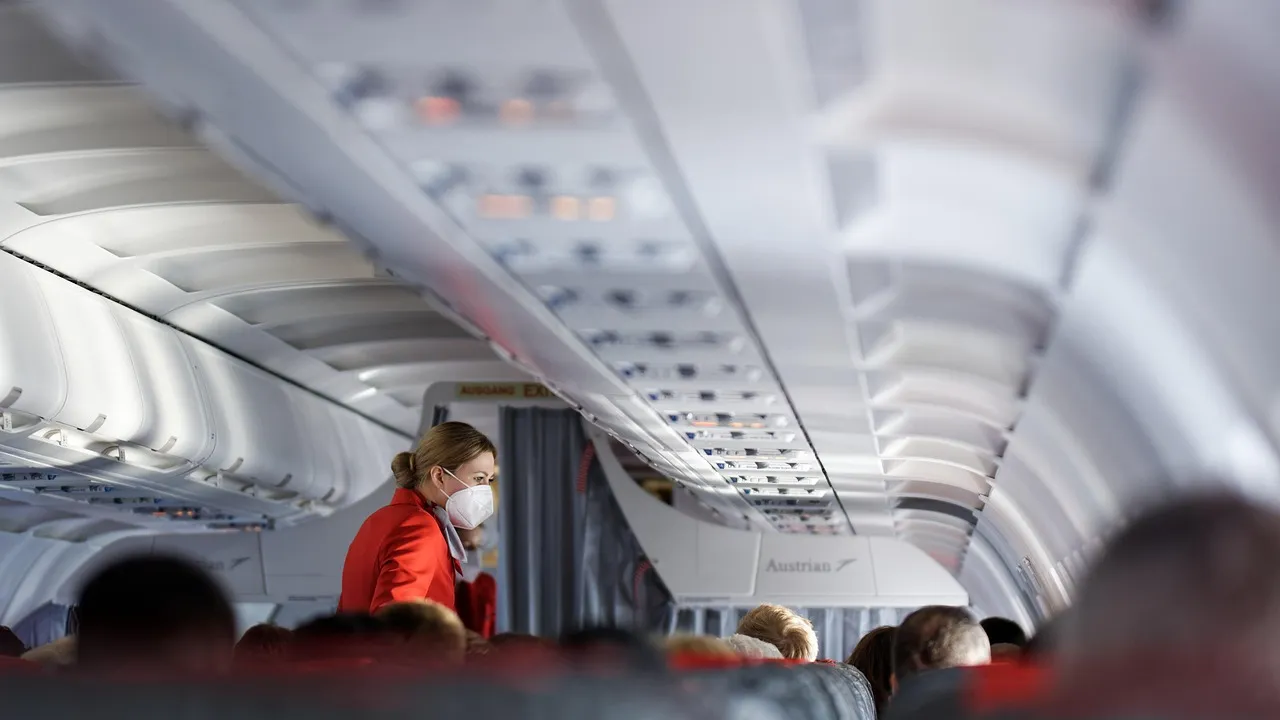
Flight attendant Cierra Mistt has shared insider tips on how to score extra perks like free drinks and upgrades, explaining that a little kindness can go a long way in a tangible sense. According to her, a small and genuine gesture of appreciation can lead to flight attendants going the extra mile, including special treatment and extras you wouldn’t otherwise receive.
The crew isn’t just there to serve drinks and give safety briefings. They often have small perks and thoughtful touches at their disposal that can genuinely improve your flight. Most passengers never find out what’s available simply because they never ask, or never create the kind of warm interaction that makes asking feel natural.
Being super nice to cabin crew is a recommended approach, though it’s worth noting it doesn’t always work for everyone. Even frequent travelers admit they’ve tried various small gestures and come away with nothing extra. Still, it remains a worthwhile habit regardless of the outcome.
The Real Takeaway
The drink order that gets you noticed isn’t printed on any menu. It’s the moment the cart reaches your row and you set down your phone, look up, say please, and mean it. That small act of presence is rarer than most passengers realize, and crews do notice.
Tangible factors like loyalty status, check-in timing, and ticket fare will always carry more structural weight in the upgrade algorithm. What the drink order represents, though, is something softer: the signal that you’re a traveler who makes the cabin feel a little more human. That impression, once made, has a quiet way of following you to a better seat.
AI Disclaimer: This article was created with the assistance of AI tools and reviewed by a human editor.