

The Short Answer: Coffee and Tea Are the Drinks They Skip
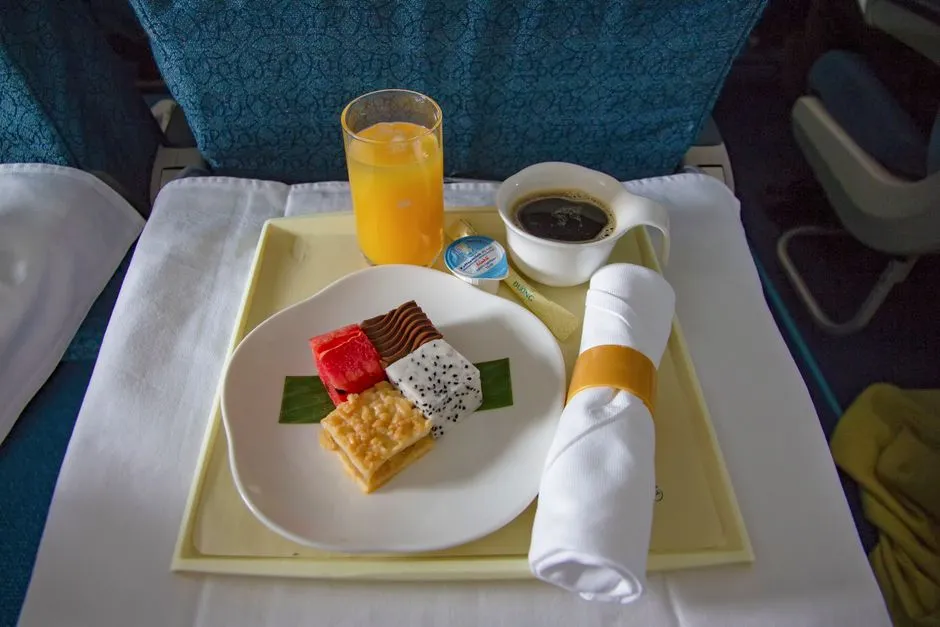
Of all the beverages available on flights, from soft drinks and juices to beer and spirits, it’s actually tea and coffee that cabin crew would never personally order. This isn’t about taste preferences or caffeine sensitivity. Flight attendants from multiple major airlines have given the same warning throughout the years, and their reasoning is that the water used for steaming hot drinks in the air is sourced from onboard water tanks that are not cleaned regularly.
Tea has essentially the same issue as coffee because it also requires hot water. That’s why flight attendants who avoid coffee often avoid tea too.
It All Comes Down to the Water Tank
The water in the plane doesn’t come directly from a water treatment facility, but from a tank that is usually not cleaned for months and months. Several flight attendants say they’ve seen the inside of those tanks, and they weren’t pretty.
Unlike city water, aircraft water systems face unique challenges like stagnation between flights, temperature variations during ascent and descent, and mechanical stress from aircraft operations. The water also passes through relatively complex plumbing systems when transported from airport facilities, and every step of the way introduces room for error and conditions in which bacteria can grow.
What a Major 2025 Study Actually Found
The Center for Food as Medicine and Longevity’s 2026 Airline Water Study found that water used aboard many U.S. airlines may contain traces of coliform bacteria or E. coli. The study evaluated 10 major and 11 regional carriers using EPA records submitted under the Aircraft Drinking Water Rule between October 1, 2022, and September 30, 2025.
Over a three-year period, researchers collected water samples from flights and tested them for coliform bacteria and E. coli. Of the total 35,674 samples tested, 949 came back positive for coliform. The study notes that scores were most negatively impacted by Maximum Contaminant Level violations for E. coli, where 32 total violations occurred across the 21-airline universe.
Water quality may not be a top-of-mind airline safety issue with passengers, but it’s nevertheless an important public health consideration. The analysis found that roughly 2.7% of samples tested positive for total coliform, a group of bacteria found in the digestive tracts of humans and animals, as well as in plants and soil.
Regional Carriers Fare Worse Than Major Airlines
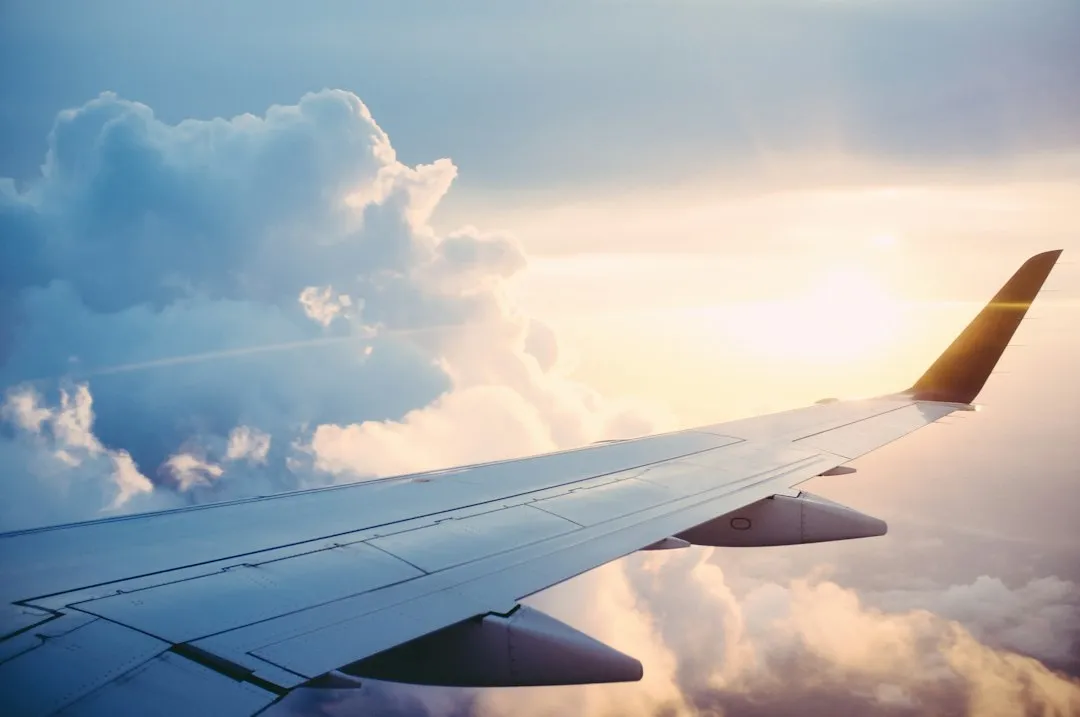
Contamination with coliform bacteria on regional carriers was more than twice as high as with large airlines, at about 4.75% compared to 1.89%. The situation is particularly concerning for smaller regional carriers.
Among major airlines, Delta Air Lines, Frontier Airlines, and Alaska Airlines received the highest scores for water quality. American Airlines and JetBlue ranked lowest. The variation between carriers is wide enough that your risk level can depend significantly on which airline you’re flying.
Heating the Water Doesn’t Always Fix the Problem
The bacteria found in planes’ water tanks may not all be killed at the temperatures used to brew tea and coffee on the plane, and in some instances the maximum brewing temperature is not reached. At typical cabin pressurization of around 8,000 feet, water boils at roughly 197°F rather than 212°F, which reduces extraction energy and can yield less thorough brewing unless roasts, grind, dose, and dwell time are adjusted.
While the water is technically heated to near-boiling temperatures to brew coffee and tea, that’s not always enough to guarantee safety, especially when altitude changes the boiling point. Some infectious-disease specialists do point out that boiling water for coffee or tea should kill most bacteria, but the consistency of reaching that threshold in a galley machine mid-flight is far from guaranteed.
The Coffee Machine Itself Is Part of the Concern
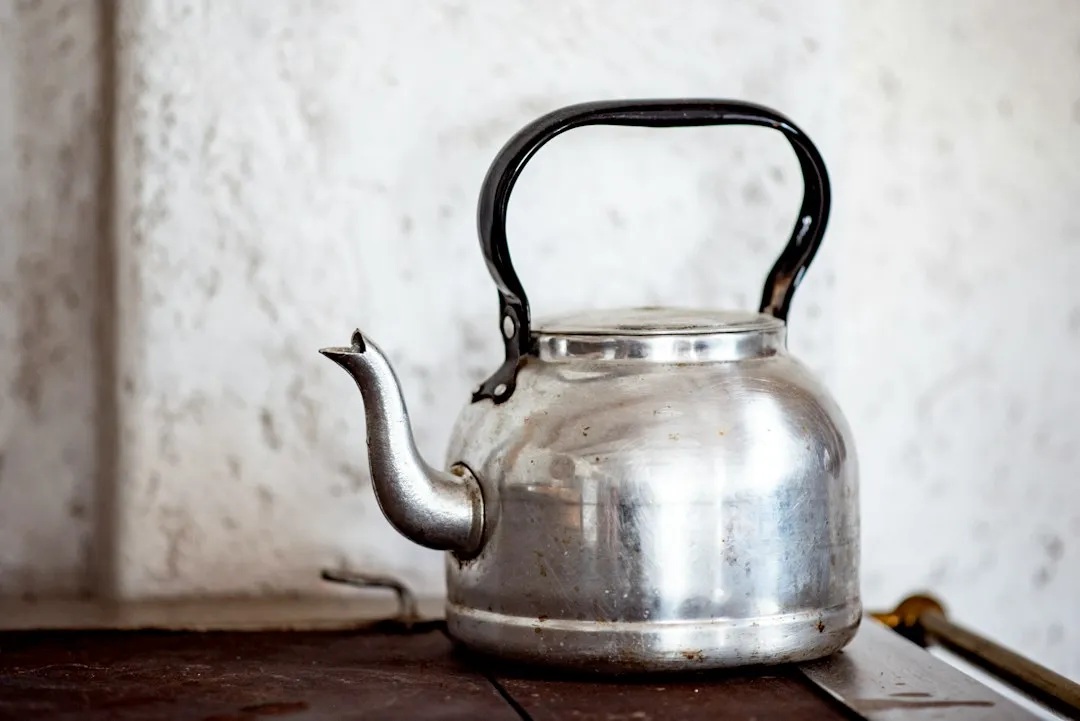
One former flight attendant claimed that the actual coffee machines are “rarely cleaned unless they are broken.” While pots and brew baskets are supposed to be provided clean by catering, there is a schedule for self-cleaning and deeper service, but those maintenance schedules vary by airline and aren’t publicly published.
Drip coffee pots build up mold and fungus in the coffee lines over time. Airplane coffee makers are also drip coffee makers, with hot water tanks and pipes to move the water into the brewer. There is no EPA requirement for cleaning airplane coffee brewers specifically.
Flight Attendants Speak Frankly About Their Own Habits
Former international flight attendants have said they never consumed hot beverages made onboard, and neither did most of their crew members. One former Emirates flight attendant noted that during her training and service, crew were taught that the water tanks aren’t cleaned as frequently as they should be.
Some crew members brought their own tea bags and used bottled water heated in the galley instead. That habit, as one attendant described it, served them well during thousands of hours in the air. It’s a workaround born from years of watching how the galley actually operates.
Not Every Flight Attendant Refuses – and That’s Worth Noting
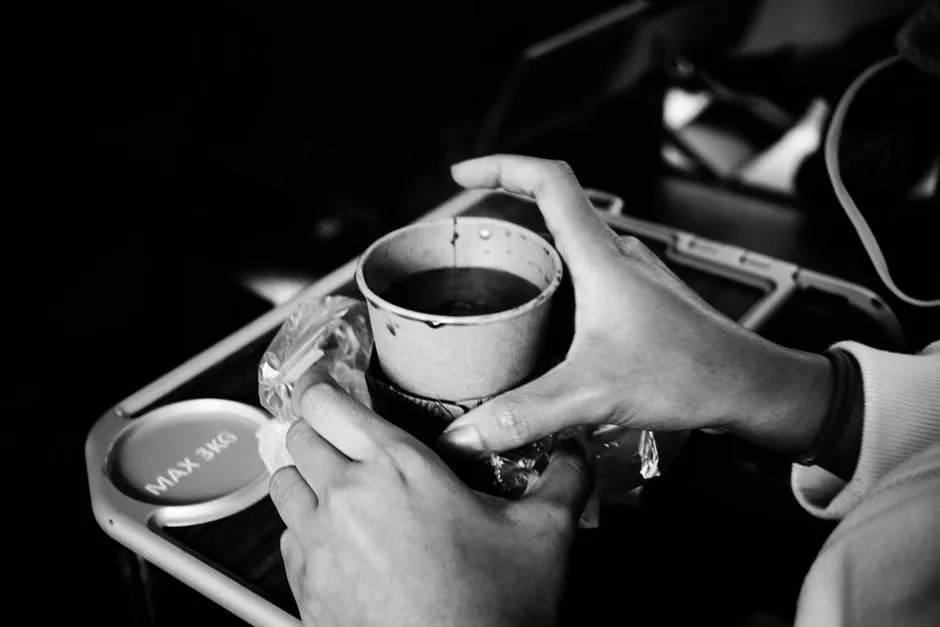
There are flight attendants and pilots who drink tea and coffee frequently and have never had a gastrointestinal issue. Safety expert Richard Woulfe sees it as a matter of weighing the risks. Flight attendants and pilots have been drinking tea and coffee made with this water daily for years without issue.
For most healthy adults, drinking water, coffee, or tea on a flight is unlikely to result in serious illness. Low-level bacterial findings, such as total coliforms, do not automatically mean the water is dangerous. Still, the people who see the inside of these systems most often tend to choose caution.
Who Should Be Most Cautious

While the majority of samples meet safety standards, the pattern of violations led study authors to conclude that the risk of exposure to microbes through coffee, tea, or tap water in the lavatory remains a public health concern, particularly for travelers with weakened immune systems, older adults, and very young children.
Water quality may not be a top-of-mind airline safety issue, but it is an important public health consideration. The analysis found that 2.7% of samples tested positive for total coliform, and testing for these bacteria matters because their presence indicates that disease-causing organisms could be in the water system. For immunocompromised passengers, that’s not a risk worth taking on a long-haul flight.
What Flight Attendants Drink Instead
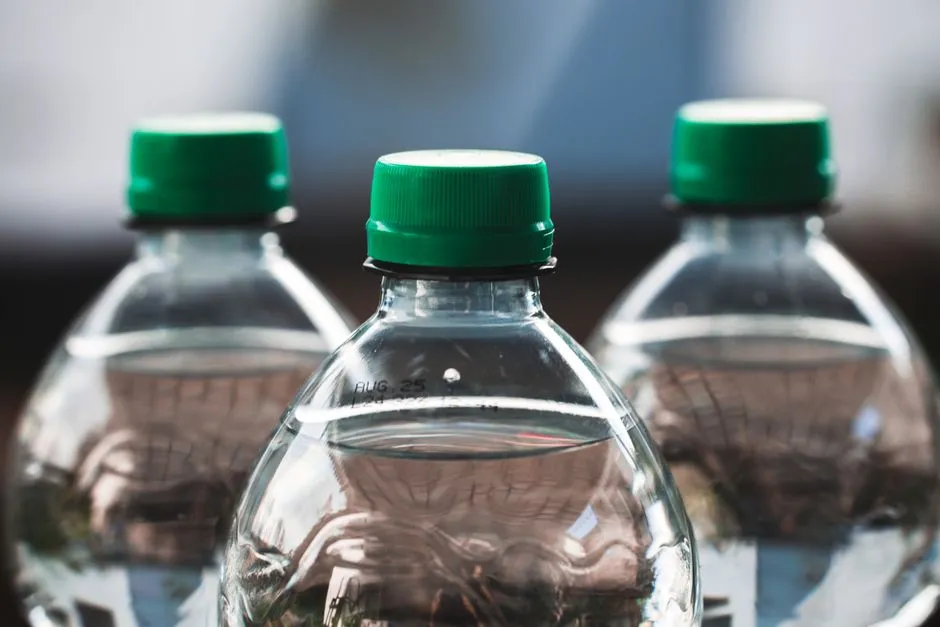
Many flight attendants recommend ordering bottled drinks instead of coffee or tea. On most airlines, options include water, sodas, and juice, and wine or spirits may also be available. Other flight attendants recommend grabbing a fresh coffee from the airport terminal and bringing it onboard.
The research report recommends drinking only sealed bottled water on board, avoiding coffee and tea made from aircraft tanks, and using alcohol-based hand sanitizer with at least 60% alcohol. It’s a small adjustment that costs very little effort before boarding.
The Takeaway

The quality of onboard water, which is used to make coffee or tea and supplied to sinks in the lavatories, varies significantly by airline. Some carriers may also be potentially in violation of the EPA’s Aircraft Drinking Water Rule, which mandates that safe, drinkable water be provided for passengers.
Travel commentators are increasingly advising readers to skip coffee and tea entirely on board airlines that scored poorly and to plan ahead by buying drinks in the terminal before boarding. The in-flight hot drink has long felt like one of aviation’s small comforts. Knowing what the crew knows, though, makes a cup of terminal coffee before takeoff taste considerably better.
AI Disclaimer: This article was created with the assistance of AI tools and reviewed by a human editor.