
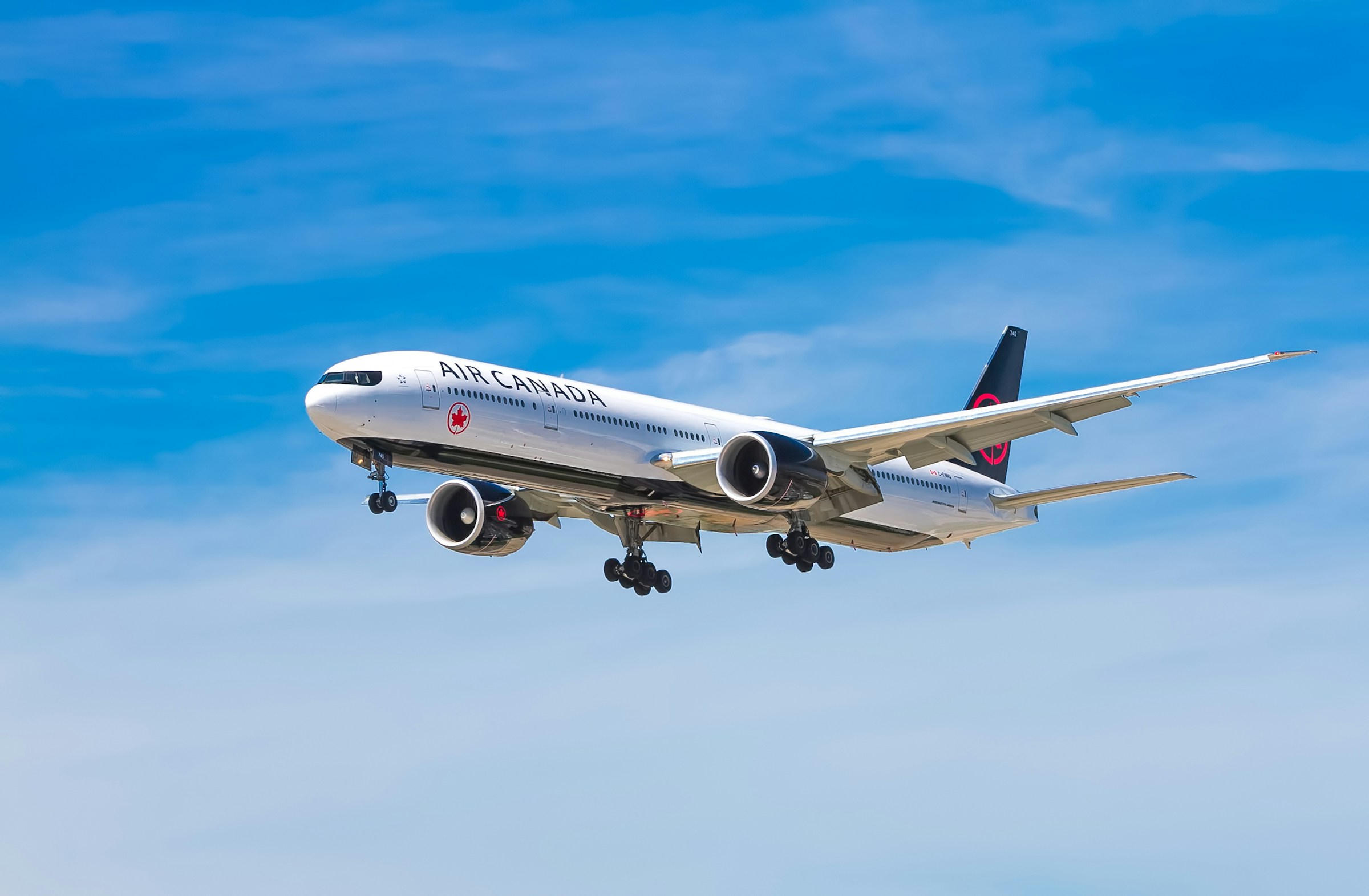

The Hidden Latch Under the “Lavatory” Sign
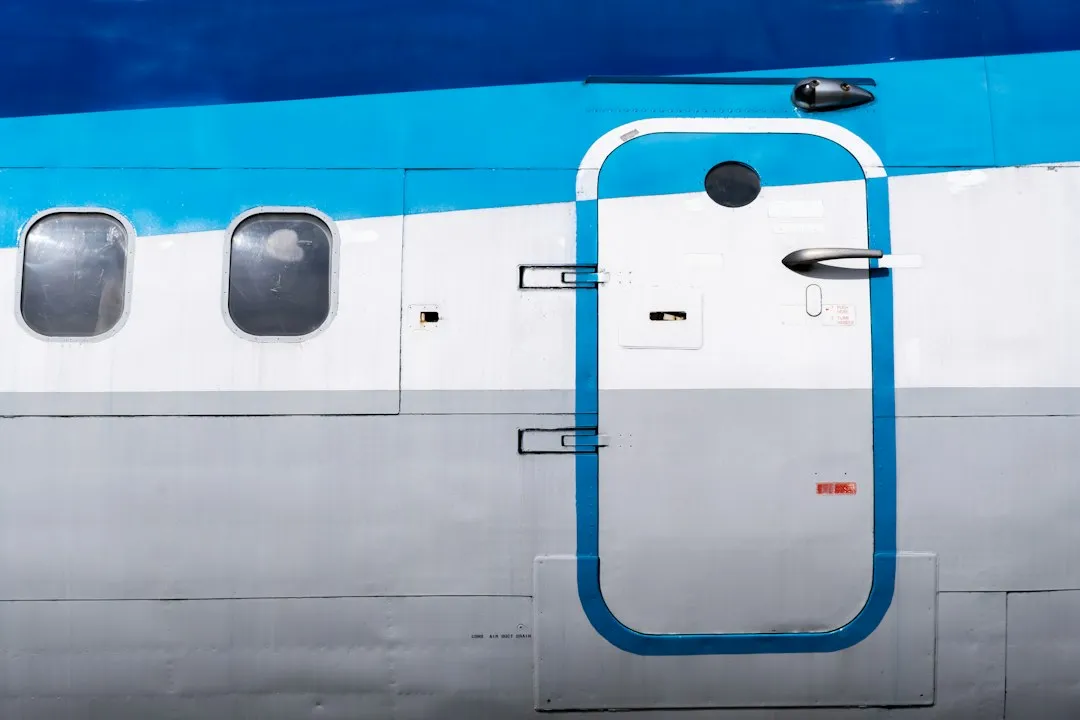
Every transport-category lavatory has an external latch hidden behind the “LAVATORY” or “NO SMOKING” placard. Sliding it lets crew lock or unlock the door from the outside, and this design is standard across Boeing and Airbus aircraft. It’s not a workaround or a quirk of one specific model. It’s built into the design from the factory floor.
The method may vary slightly by aircraft, but if you flip up the metal “lavatory” sign on the toilet door, underneath you’ll find the unlocking mechanism. Slide it across and the door unlocks. Most passengers never notice it because it’s seamlessly integrated into the door’s hardware, blending right in with the rest of the panel.
This Feature Is Standard on Nearly Every Commercial Plane
On every U.S. airplane, there’s a tiny latch hidden behind the bathroom sign. That makes this far more than an airline-specific quirk. It’s an industry-wide design standard that applies regardless of whether you’re flying a budget carrier or a full-service international airline.
Airplane toilet doors are equipped with manual locks that passengers can engage from the inside to ensure privacy. The external mechanism works alongside this internal lock, not instead of it. When locked, an indicator on the outside of the door typically changes to show that the bathroom is occupied, and this lock is designed to ensure privacy while also allowing cabin crew to access the lavatory from the outside if necessary.
Why the Crew Needs This Access at All
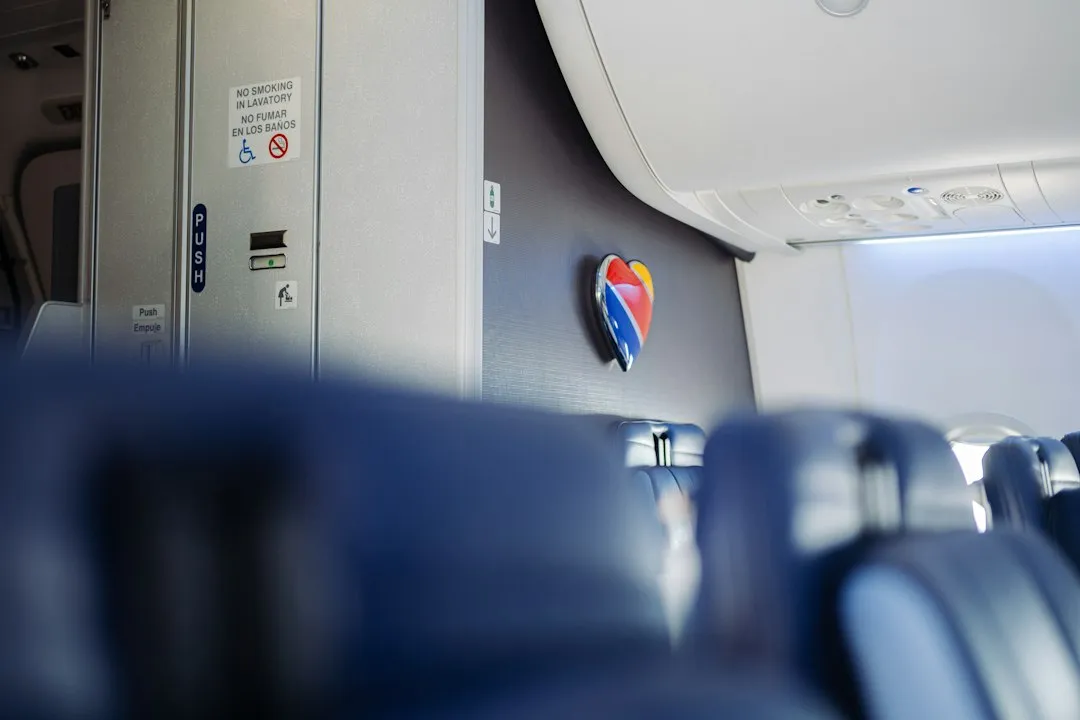
This hidden feature exists for flight attendants to unlock the lavatory door during an emergency, when the crew might need to be able to quickly access the bathroom. It may also be necessary if a passenger needs assistance while in the bathroom, or if a child is unable to unlock the door themselves. These are genuinely practical scenarios that arise on real flights.
In the event of an emergency or if a passenger is unresponsive or in distress inside the lavatory, crew members can quickly gain access without a key. Think about a passenger who faints, has a cardiac event, or becomes injured due to sudden turbulence. Flight attendants can open bathroom doors from the outside, and for safety and security reasons, they are trained to access the lavatory in case of emergencies or if a passenger is in distress.
The External Lock Also Keeps Passengers Out
The external lock on the bathroom allows cabin crew to open the lavatory door in case of an emergency. Cabin crew can also use the exterior locks to prevent access to the bathroom doors for safety during takeoff and landing, and to restrict access if the lavatory becomes inoperable for some reason.
Some airlines use this to lock washrooms during takeoff and landing to stop people going in. When they lock it this way, the door won’t open from the outside. Passengers cannot enter, though anyone already inside can still get out. So the lock works in both directions, which gives crew a meaningful tool for managing cabin safety.
United Airlines and the Turbulence Policy
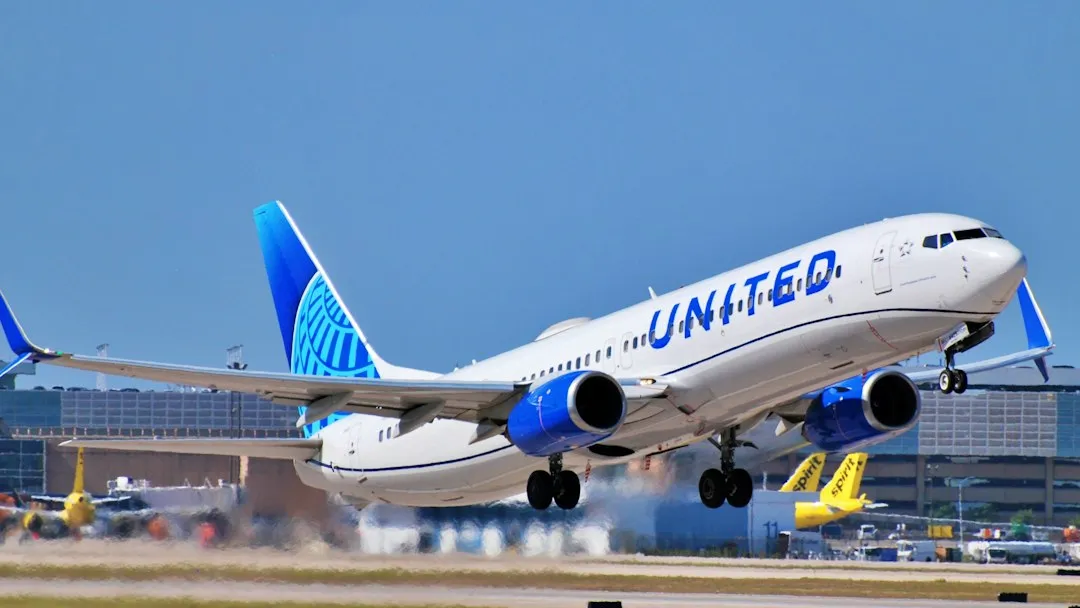
For the past year and a half, United has required cabin crew to be seated and buckled no later than the “double chime” at around 10,000 feet to help reduce flight attendant injuries. During this time, they generally don’t make lavatories available to customers. This policy drew significant attention when passengers began noticing lavatories locked mid-descent.
Locking the lavatories during turbulence is not an FAA rule, meaning it’s a carrier-level decision rather than a federal mandate. Most airlines travelers encounter do lock the lavatories for takeoff and landing. The variation in how long the lavatory remains locked often depends on flight length, descent profile, and the specific carrier’s operating procedures.
What Happens If You’re Caught Vaping Inside

The external unlock feature has a very practical and increasingly relevant use: confronting passengers who smoke or vape in the lavatory. In a real incident on August 4, 2025, during an American Airlines flight, a flight attendant forcibly unlocked and opened a lavatory door on a passenger. The passenger posted an Instagram video capturing part of the confrontation with two flight attendants who warned him that smoking onboard was prohibited.
The Federal Aviation Administration considers vapes and e-cigarettes “dangerous goods due to their risk of smoke, fire and extreme heat.” While the devices may be kept in carry-on luggage, the FAA notes that they should never be used or charged on the aircraft. Any kind of smoking or vaping onboard is a federal offense. The lavatory lock makes sure crew can actually enforce that.
The Smoke Detector You Should Never Touch
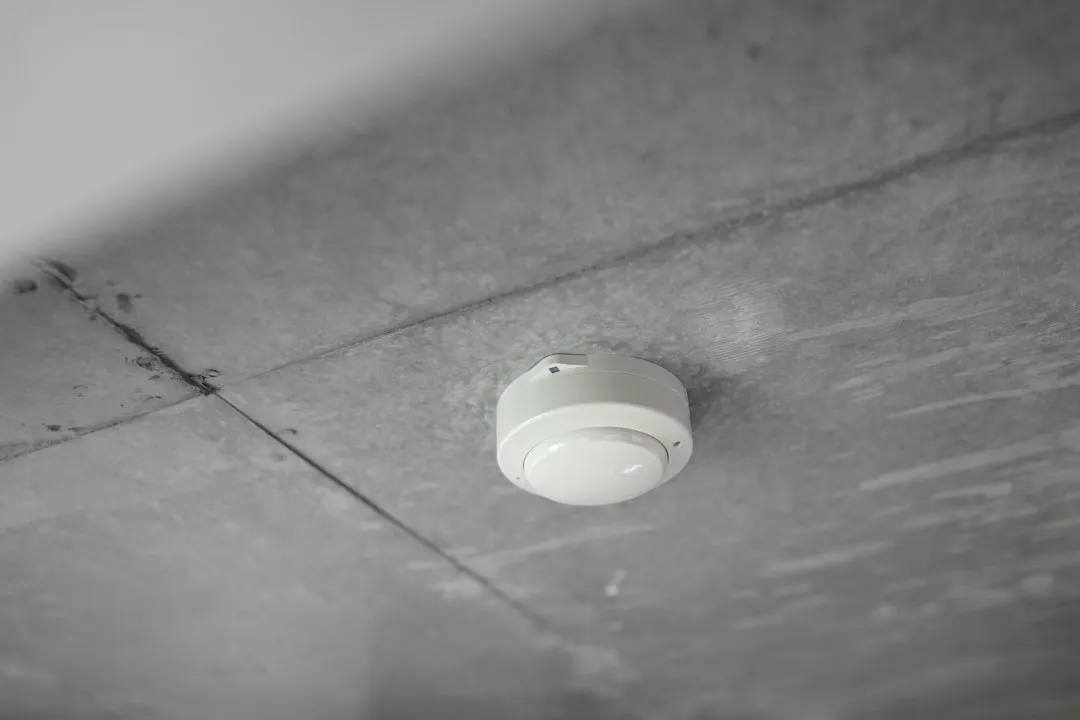
Smoking and vaping are both banned on U.S. commercial flights, including in the lavatory. Federal regulations separately prohibit tampering with, disabling, or destroying an airplane bathroom’s smoke detector. These aren’t soft suggestions buried in fine print.
Disabling the smoke detector in an airplane bathroom violates federal aviation rules. Under 14 CFR 121.317, no one may tamper with, disable, or destroy a lavatory smoke detector, and a passenger who does so can be removed from the flight. In January 2021, a passenger on an Allegiant Air flight was fined $16,700 by the FAA for allegedly smoking in the lavatory. The fines are real and they’re steep.
The Ashtray That Still Legally Has to Be There
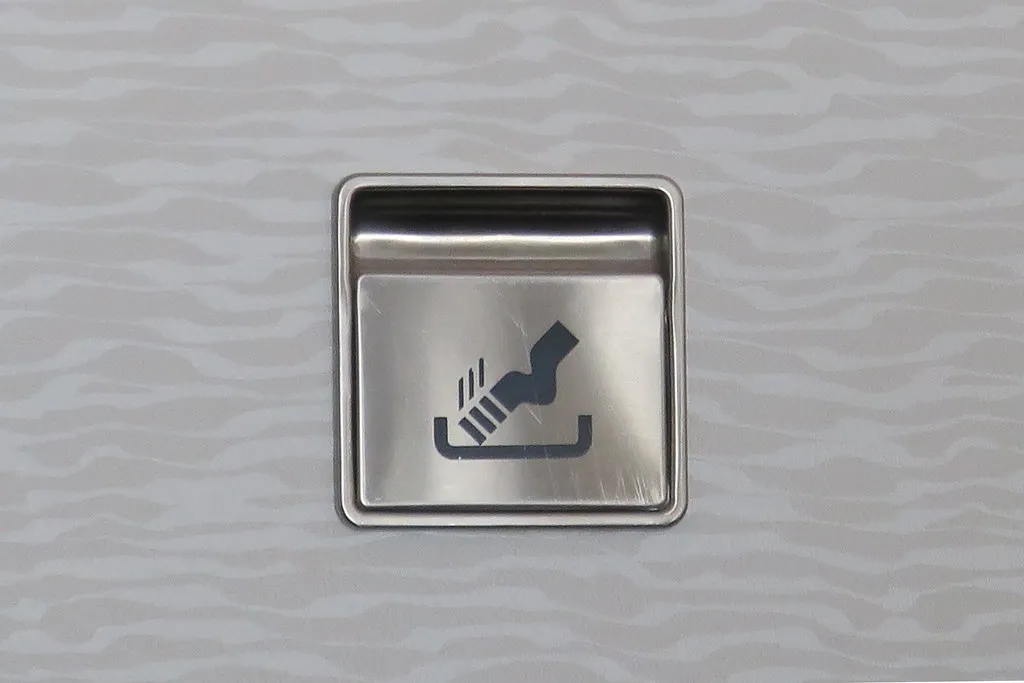
Here’s a detail that surprises almost everyone: airplane lavatories still have ashtrays even though smoking has been banned on commercial flights for decades. Ashtrays still sit on or near airplane lavatory doors despite the ban. FAA aircraft certification standards require them regardless of whether smoking is allowed on board. The aim is to give anyone who lights up in violation of the rules a safe place to put out a cigarette, because without one, a lit cigarette could end up in a lavatory waste bin full of paper towels. A visible ashtray is a fire-safety measure, not a sign that smoking is allowed.
The FAA made a subtle tweak to its regulations in late 2024, following an incident earlier that year involving United Airlines temporarily grounding its newly delivered Airbus A321neo planes because the “no smoking” signs couldn’t be switched on or off. In response, the FAA updated the obsolete requirement, and now “no smoking” signs on aircraft can stay permanently illuminated. The lavatory remains one of the most regulated small rooms in American aviation.
Crew Change Security and Lavatory Locking
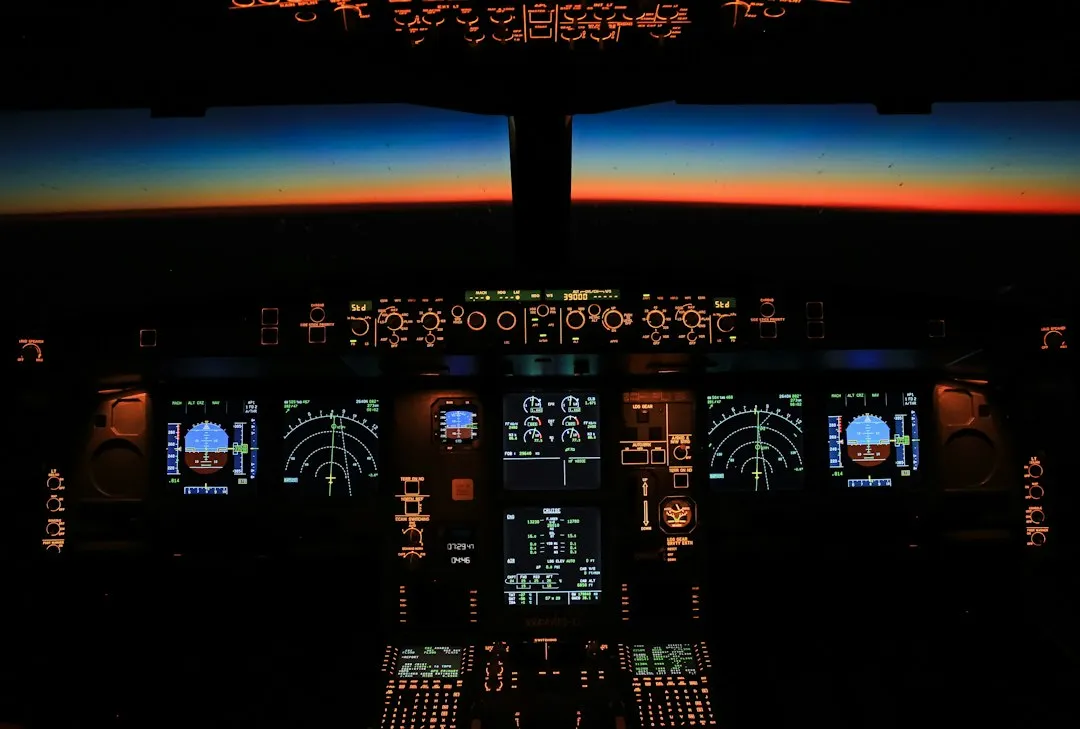
Lavatories may also be locked during crew shift changes, so pilots going to or from their rest breaks can have access without waiting in line. On long-haul flights, this matters more than most passengers realize. Cathay Pacific, for example, requires flight crews to rest for a minimum of three hours when the duration of the flight is 14 hours or longer, and even longer on ultra-long-haul routes.
When a pilot steps out of the cockpit for a rest break, the sequence of securing the flight deck is carefully choreographed. Part of that choreography sometimes involves briefly reserving a nearby lavatory. They lock it for when the relief pilot has to get ready to go up front. It’s a matter of both hygiene and aviation security protocol, and the external latch makes managing that sequence possible.
What Passengers Should Actually Know About Their Privacy
While it is possible to unlock plane bathroom doors from the outside, this capability is primarily intended for use by the cabin crew in specific situations, such as emergencies. Crew members are not going to open the door on a whim. The mechanism exists for legitimate and often urgent purposes.
Cabin crew only unlocks the door from the outside in specific situations. The training flight attendants receive around lavatory access emphasizes discretion, necessity, and passenger dignity. If you ever need help while inside, there’s always the flight attendant call button. Push it and a flight attendant will come to your aid. That button, not the external lock, is the first line of communication.
The Takeaway at Altitude
The lavatory lock secret isn’t a scandal or a surveillance tool. It’s an engineering solution to a very real safety challenge: how do you help someone in distress when they’re behind a locked door in a sealed tube moving at 500 miles per hour? The answer turned out to be elegantly simple.
Knowing this feature exists doesn’t need to change how you feel about flying. Crew access to the lavatory is governed by training, regulation, and genuine necessity. The external latch is one small piece of the much larger system that keeps air travel as safe as it is. Most passengers will never see it used. That’s actually the point.
AI Disclaimer: This article was created with the assistance of AI tools and reviewed by a human editor.