


It’s Not a Routine – It’s a Life-Safety Protocol
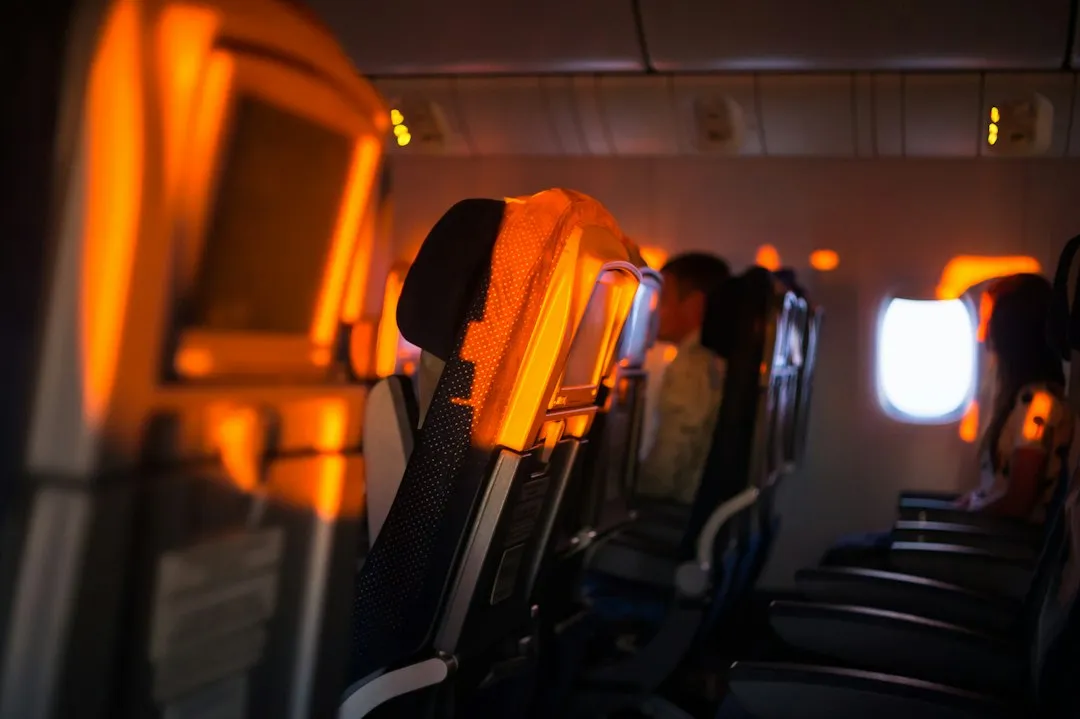
Years of training and thousands of hours in the air have taught cabin crew that what happens before an aircraft leaves the ground can significantly influence safety, comfort, and even survival. Cabin crew members often count the number of seat rows between their position and the nearest exit. This habit is built into how they think about every single flight, from a short domestic hop to a long-haul crossing.
Flight attendants are safety professionals, not servers, and they train – and retrain – every year to ensure they remain safety proficient. They are also tested every flight with a briefing beforehand. Counting rows is one of several pre-takeoff checks that keeps that proficiency sharp and actionable.
Smoke and Darkness Are the Real Threats
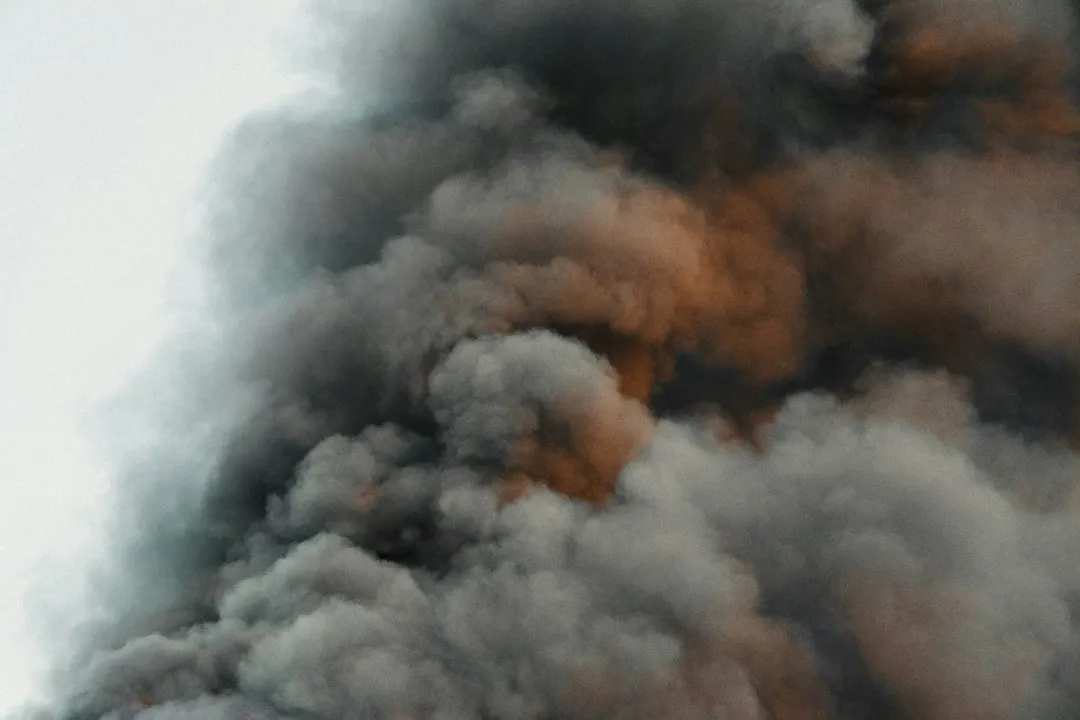
Counting the number of seat rows to the nearest exit is especially crucial during an evacuation where you cannot visually see the exit – for example, in darkness or in smoke. When a cabin fills with smoke, visual navigation becomes almost impossible within seconds.
Knowing how many rows are between your seat and the nearest exit can be critically important, especially in a situation where the cabin fills with smoke and passengers can’t see, but could feel and count their way to safety. That physical act of reaching from headrest to headrest is exactly what the counting is designed to enable.
During an evacuation, the cabin may be dark or filled with smoke. Following the floor lighting and crew instructions to the nearest usable exit is essential. Row-counting gives both crew and passengers a tactile backup when the eyes are no longer useful.
The FAA Officially Recommends It
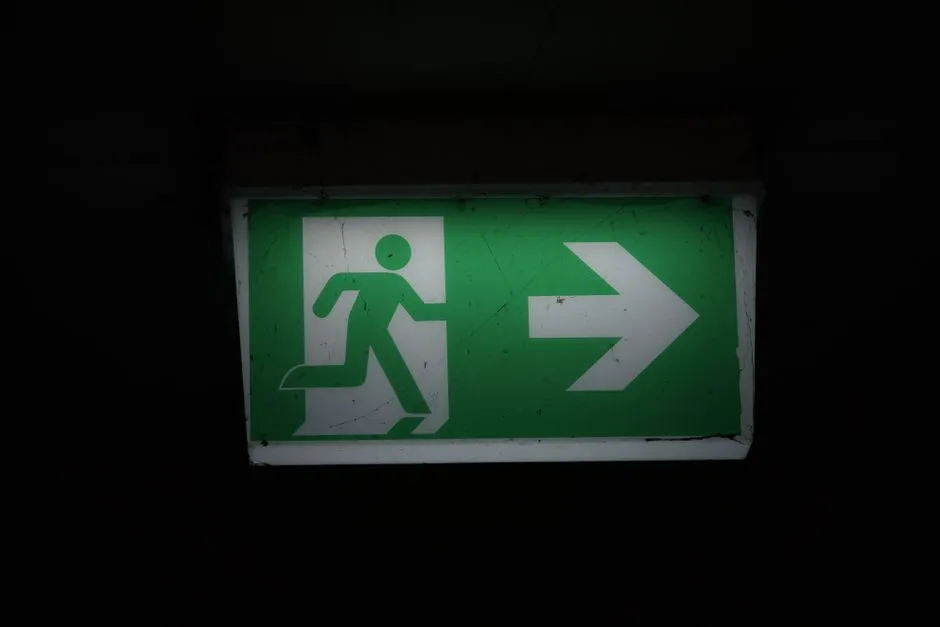
The FAA itself advises passengers to count the rows between their seat and the closest exits in front of and behind them, noting that the nearest exit may actually be behind you. This guidance appears directly on the FAA’s passenger evacuation resource page, which means it carries the full weight of regulatory endorsement.
Aviation safety demonstrations typically include a reminder that all passengers should locate, and sometimes count the number of rows to, their nearest exit – which may be behind them. When regulators and crew trainers echo each other this precisely, it’s worth paying attention.
The 90-Second Rule Changes Everything
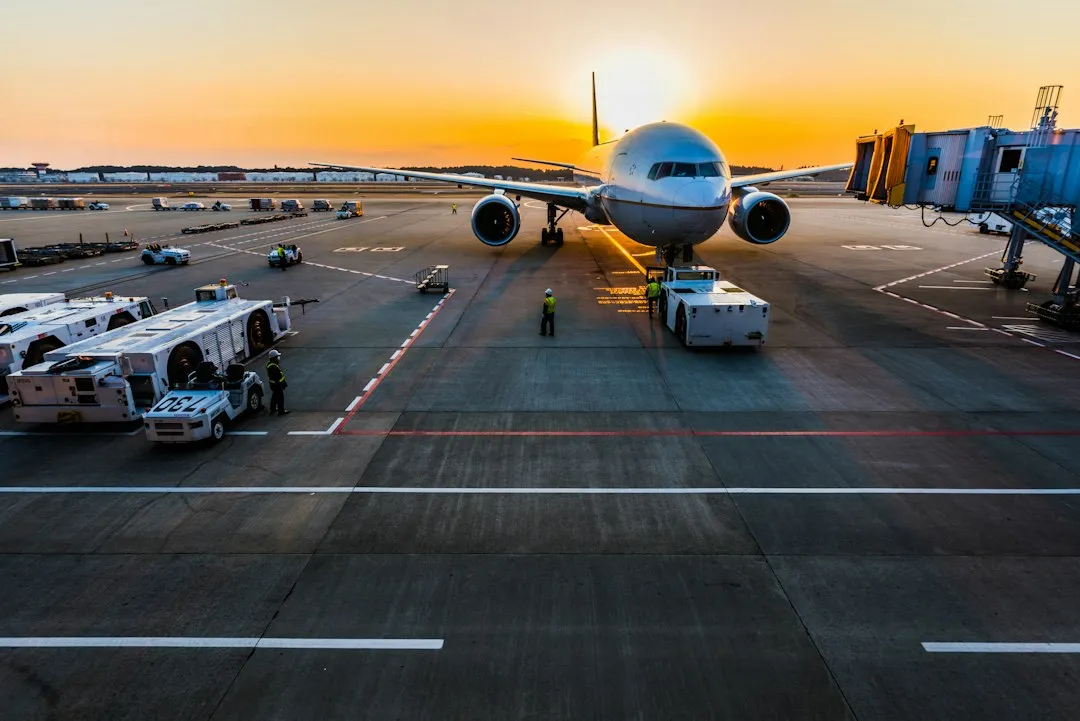
The FAA and other aviation authorities worldwide follow the 90-second standard, which requires commercial aircraft manufacturers to prove that a fully loaded plane can be evacuated in 90 seconds or less. Ninety seconds is not very much time, especially in a disorienting post-impact environment.
During the certification process, all commercial aircraft manufacturers have to prove that their aircraft can be fully evacuated within 90 seconds and with half of the emergency exits inoperable. This is the maximum time for evacuation, as a post-crash fire flashover is less likely to occur within those 90 seconds. Every second a passenger spends searching for an exit is a second subtracted from that window.
The Five-Row Rule: What the Research Actually Shows

Evacuation expert Edwin Richard Galea analyzed data from 105 plane crashes and interviewed more than 2,000 survivors. His findings showed that the odds of survival decrease as passengers distance themselves more than five rows from the emergency exits. This is one of the most cited figures in aviation survival research.
Research from the University of Greenwich indicates that passengers seated within five rows of an emergency exit have higher survival rates, stressing the importance of quick evacuation access. Galea’s research showed that passengers seated within five rows of any emergency exit, in any part of the plane, have the best chance of getting out alive. The specific section of the plane matters far less than raw proximity to a door.
What Crew Members Are Actually Doing During the Safety Demo
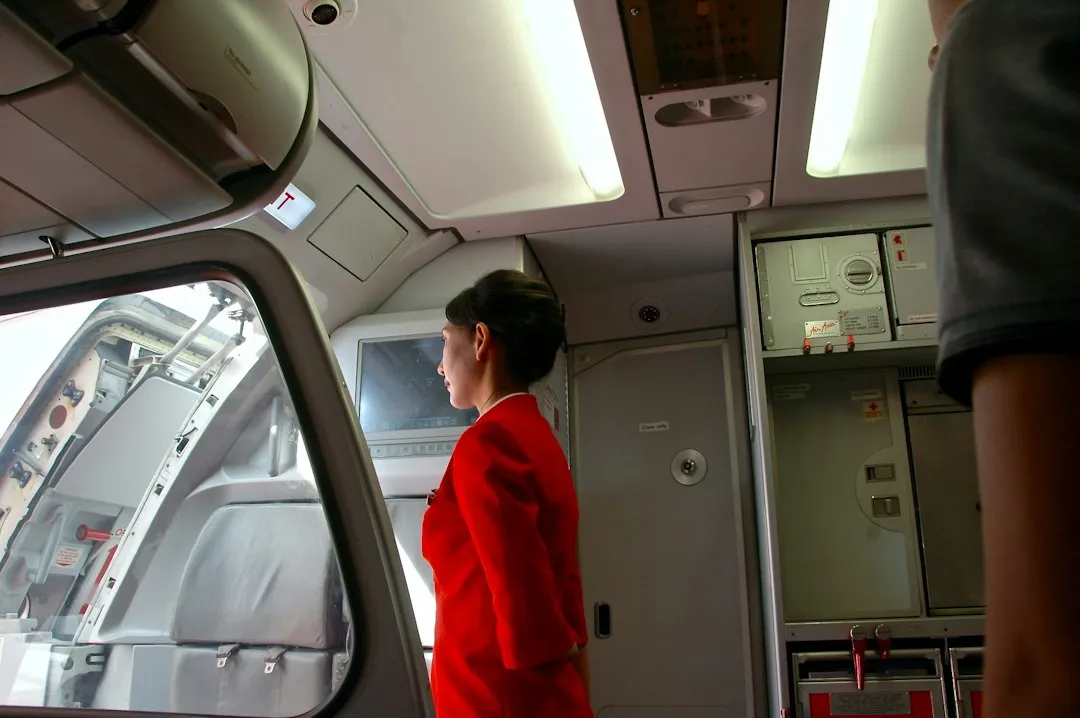
The crew doesn’t perform the safety demonstration out of routine – it’s a procedure designed to make the difference between survival and tragedy in chaotic conditions, when noise, smoke, and poor visibility make every move harder. Their mental row-count is quietly being refreshed every time they point toward an exit.
Flight attendants are trained to know the exact location of emergency exits so they can respond quickly during an evacuation. Identifying exits before takeoff helps them navigate the cabin even if visibility becomes limited due to smoke or darkness. They aren’t reciting a script. They’re updating a mental map.
Exit Row Passengers Carry Real Responsibility
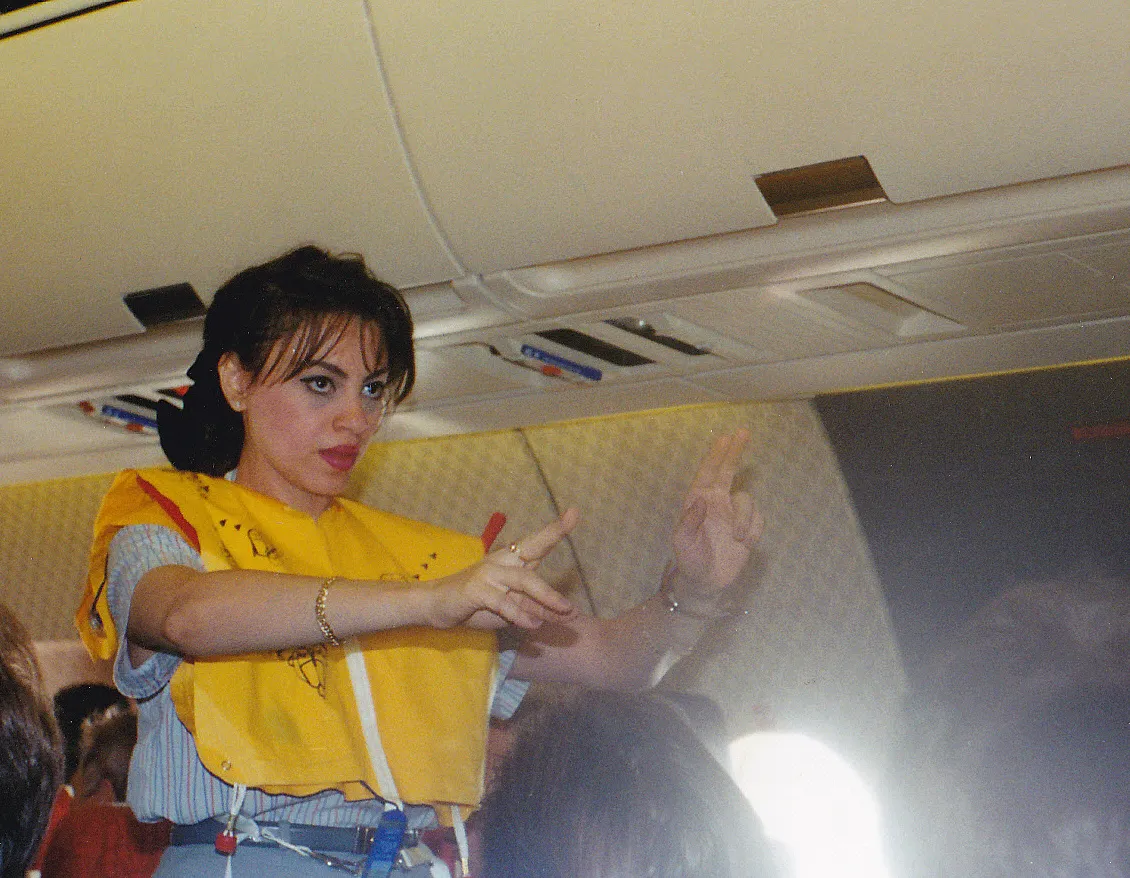
Passengers seated in exit rows may be responsible for opening exits, directing others, and helping people evacuate quickly. Those who choose these seats need to be ready to assist if something goes wrong, and flight attendants are tasked with confirming their readiness. This is why the pre-flight check at exit rows is never optional.
Passengers seated in exit rows bear a special responsibility. Before takeoff, cabin crew always conduct a short briefing with them, explaining how to open the doors or windows in an emergency and asking whether they are willing to assist. That moment is not a formality; it’s part of the safety protocol. Any passenger who refuses or hesitates must be reassigned to another seat.
When Crashes Reinforce the Data
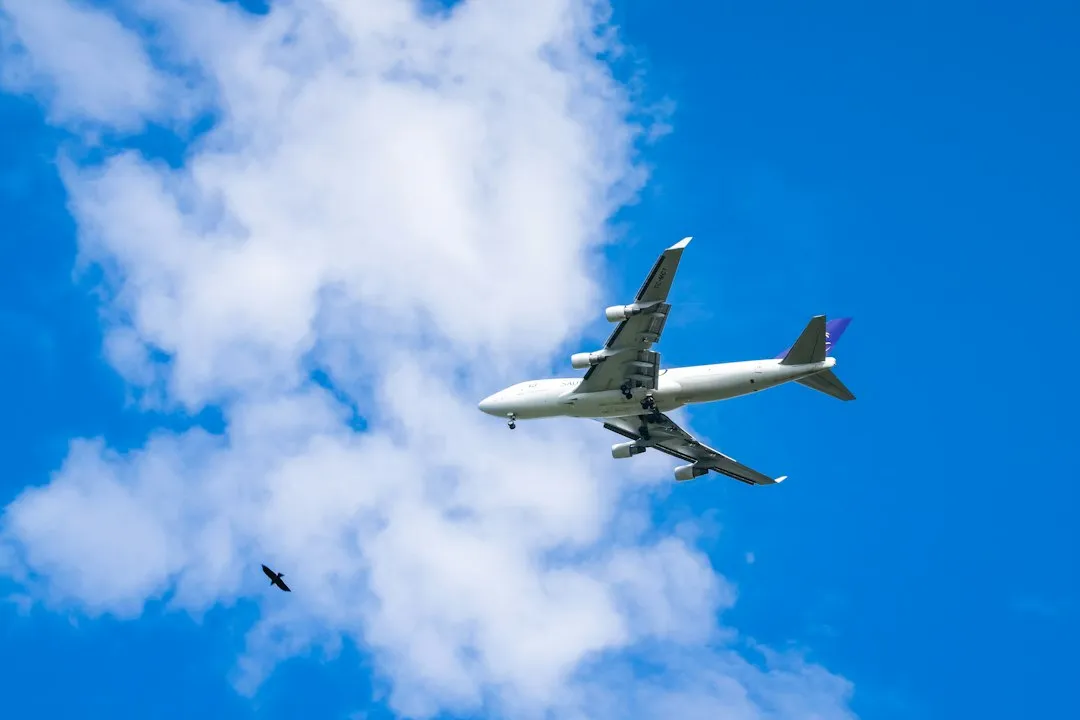
Recent incidents, such as Azerbaijan Airlines flight 8243 on December 25, 2024, and Jeju Air flight 2216 on December 29, 2024, have reinforced long-standing research about survivability patterns in aviation accidents. Both events prompted fresh public interest in where passengers sit and how quickly they can reach an exit.
In 2024, the Azerbaijan Airlines Embraer E190 crash in Aktau, Kazakhstan, saw all 29 survivors seated in the back of the aircraft – a living example of the survival patterns researchers have documented for decades. Proximity to working exits, as the data consistently shows, was a defining factor.
Passengers Are Being Urged to Adopt the Same Habit
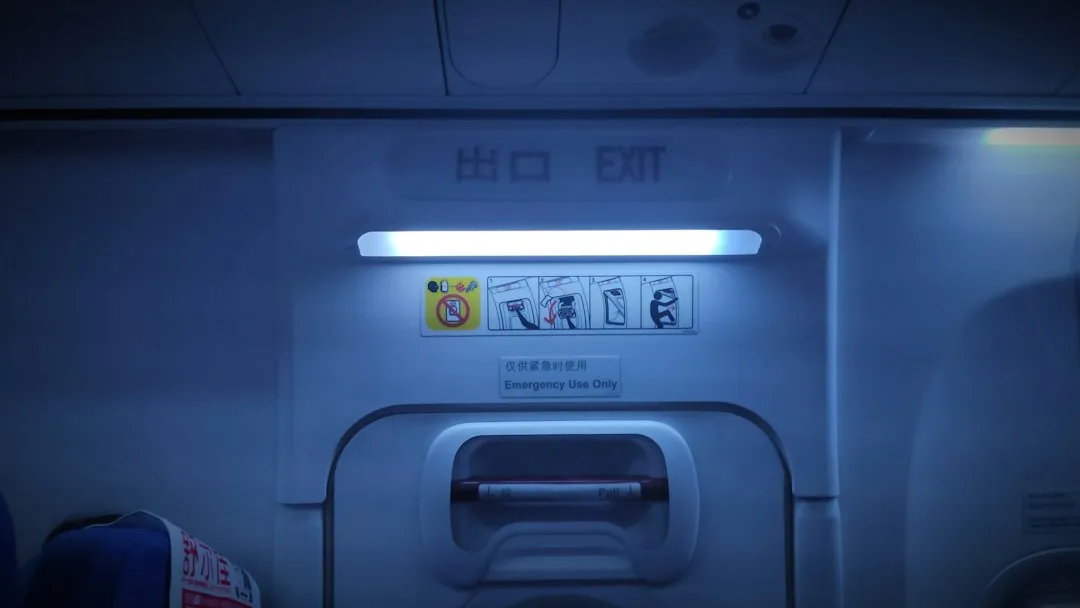
One common piece of safety advice offered in the demo before takeoff is that passengers should take note of their nearest emergency exit. Most flight attendants recommend taking things a step further and counting exactly how many rows of seats are in between you and that exit. During dangerous situations like evacuations, emergency landings, and over-water landings, knowing that key piece of information could save your life.
A simple but effective trick is to count the number of rows between your seat and the exit. If smoke fills the cabin or the lights go out, that knowledge can help you move confidently – even in total darkness. It takes about ten seconds to do before the boarding door closes.
The Head Count: A Parallel Pre-Takeoff Ritual
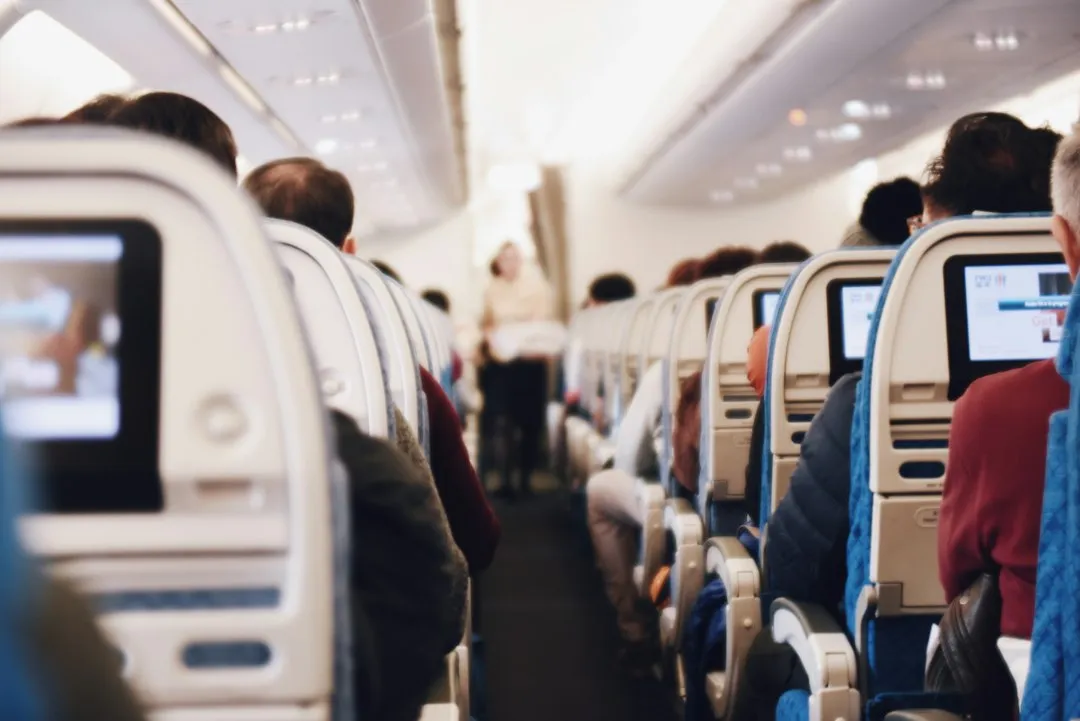
Flight attendants are given a list of ticketed passengers for each flight. They must do a head count to ensure that all of those ticketed passengers are onboard the aircraft prior to closing the door. This is a separate but equally deliberate practice happening alongside the row-counting habit.
Passengers often don’t realize that crew members are quietly counting heads with clickers during this process. This exact count ensures that everyone is accounted for before critical flight stages begin. Both counts, rows and passengers, reflect the same underlying philosophy: in aviation, preparation happens before it’s needed, not after.
What This Means for Anyone Who Flies
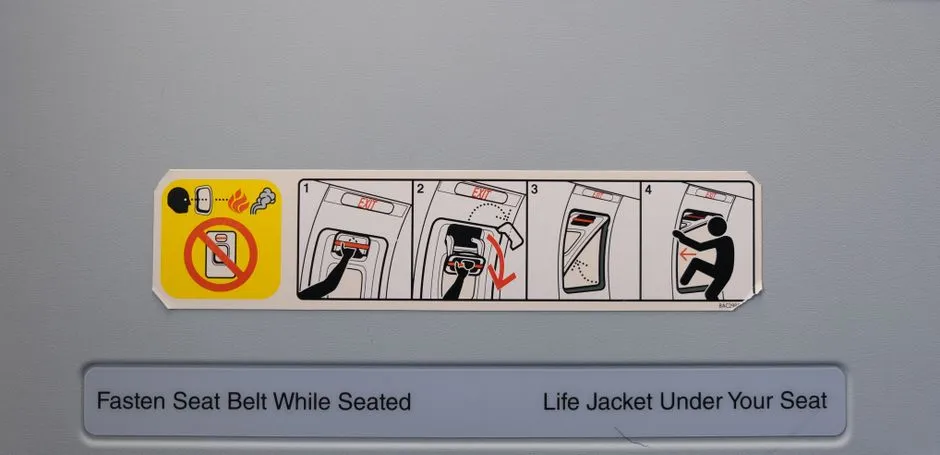
The simplest takeaway from all of this research is that a behavior practiced by trained professionals for safety reasons is freely available to every passenger. Seasoned air travelers count the rows from their seats to the intended exit, providing a frame of reference if smoke or darkness hinders visibility. It costs nothing and takes seconds.
The research points toward one practical conclusion: if you want the combination that the data most consistently favors, book a seat in the rear third of the aircraft, in the aisle position, within five rows of an emergency exit. That’s not paranoia. That’s informed travel.
In the event of an evacuation, flight attendants say it’s imperative to leave all carry-on bags and personal items behind, because it slows down the exit process, and if a fire is spreading quickly, it could mean the difference between life and death. The row count gets you to the door. What you do at that door is equally important.
The Quiet Discipline Behind Every Departure
AI Disclaimer: This article was created with the assistance of AI tools and reviewed by a human editor.