

Most travelers, when booking a flight, move quickly to lock in the window or aisle seat they prefer. What ends up happening on nearly every commercial flight around the world is entirely predictable: a particular row of seats sits stubbornly empty until the very end, filling up only when no other options remain. It’s not a coincidence, and frequent flyers know exactly which row it is.
Flight attendants, pilots, and aviation insiders have been surprisingly candid in recent years about why certain seats get avoided. The reasons range from simple comfort annoyances to things that actually touch on aircraft safety and physics. Here’s what they’re telling us.
The Last Row: The One Everyone Skips
The consensus among most flight attendants, when flying off duty, is to avoid the last row of economy due to galley and lavatory noise, with the added fact that the seats do not recline. That combination alone is enough to push most experienced travelers straight past it. Flight attendant Ethan Smith, who works for an international airline, has specifically noted that the worst spot is any seat in the last row because you can’t recline the seat and it’s close to the lavatory, calling it noisy with people often encroaching into your space while waiting for the bathroom.
Your best chance of an empty seat next to you is toward the back, since most passengers choose seats in the front of the plane in an aisle or window seat. The last seats to be chosen are the middle seats in the back of the plane. So while the back row does fill up, it fills up last, and it fills up with the people who had no other choice.
No Recline, No Interest
The last row does not recline, so passengers are forced to sit upright for the entire flight. Seats in the last row are also closest to the lavatories. On a short hop between cities, that might be tolerable. On a four or six hour flight, it becomes a genuinely different experience from every other seat on the plane.
The back row can significantly impact your comfort level during the flight itself. The topic of reclining has been known to spark heated debate among travelers, but almost everyone does it, or at least wants the option, especially on long-haul flights. Removing that option entirely is, for most people, a dealbreaker from the moment they open the seat map.
The Lavatory Problem Is Bigger Than You Think
The seats in the last row do not recline as there is a wall behind them, and as it is so close to the lavatories and galleys, it becomes noisy, potentially smelly, and is the most traffic-heavy section of the cabin. Traffic doesn’t just mean noise. It means strangers standing at your shoulder for stretches of time, leaning on your headrest, and occasionally bumping you awake.
An aisle seat located near a bathroom is one of the worst seats on the plane. You may be subject to poor odors for the duration of the flight. You are also likely to experience lines and crowds of people near your seat. That means you may be subject to loud conversations as well as people leaning on the top portion of your seat. Back-row middle seats combine every single one of these disadvantages at once.
The Middle Seat Factor: Already Unpopular Everywhere
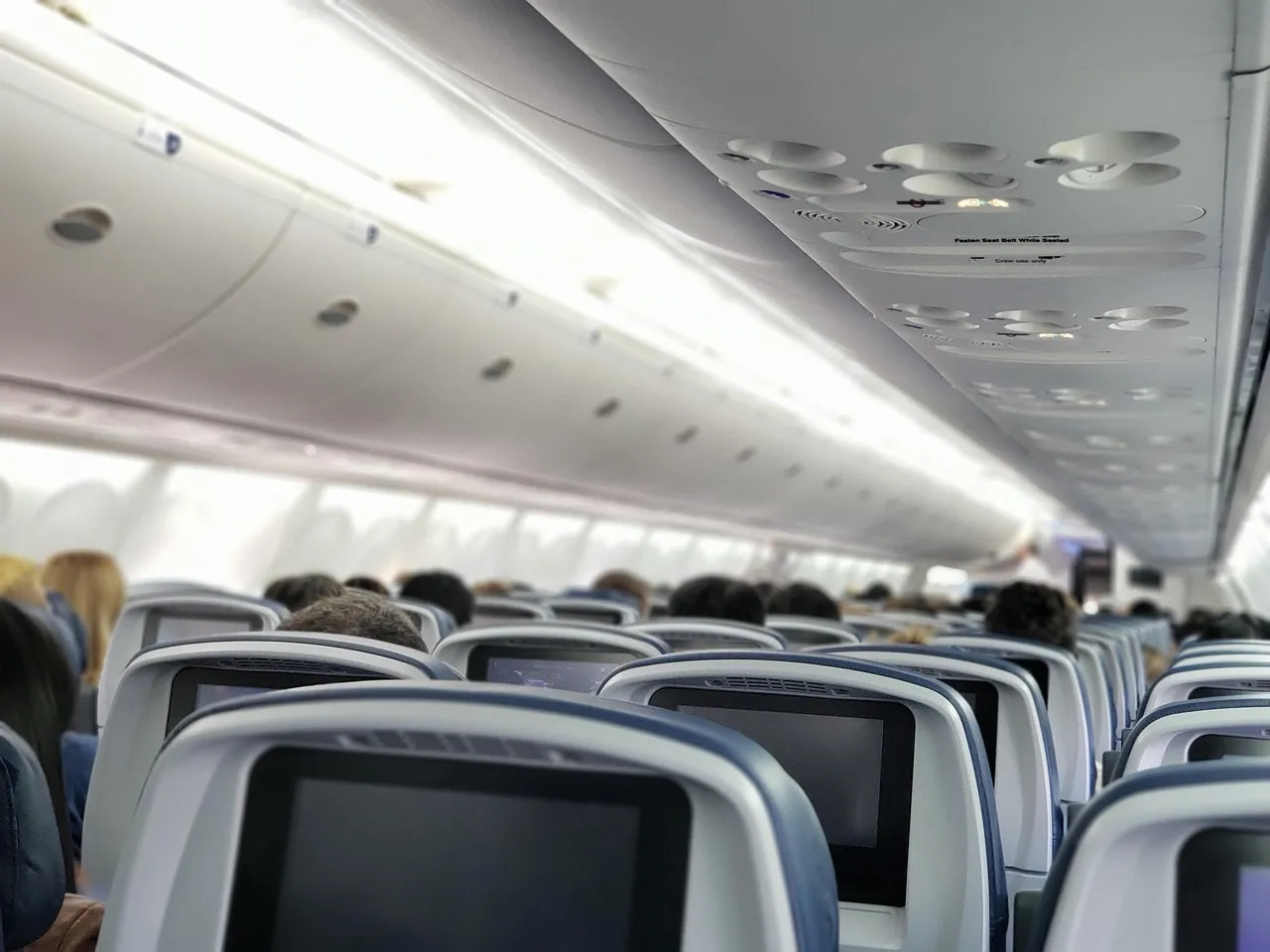
Most passengers – roughly two thirds – prefer a window seat, while just under a third prefer an aisle seat, and only about one in sixty prefer a middle seat. That striking imbalance shapes which rows fill up first in a very direct way. When the middle seat is the only remaining option in an already unpopular row, almost nobody rushes to claim it.
Middle seats are usually the least popular on flights because they neither have a window view nor easy aisle access. That’s a clean summary, but when you layer that reality onto the last row of the plane, with its added noise, odors, non-reclining seats, and constant foot traffic, the result is the last seat on the entire aircraft to be chosen.
Turbulence Hits Harder at the Back
If there is turbulence, it is felt at the rear of the aircraft the most. This is a well-known aspect of aircraft physics. The tail end of the plane moves through a wider arc during any pitching or rolling motion, meaning passengers seated there will feel the movement more than those sitting over the wings or near the front.
There is some truth to this: in cases of mild turbulence, the area next to the wings is the center of gravity, so it will shake less. The rear of the cabin tends to be noisiest from an engine noise perspective, and this also tends to bump around more during turbulence. For anxious flyers especially, the back row carries an added layer of discomfort that most people prefer to avoid entirely.
Weight and Balance: The Reason You Can’t Always Just Move
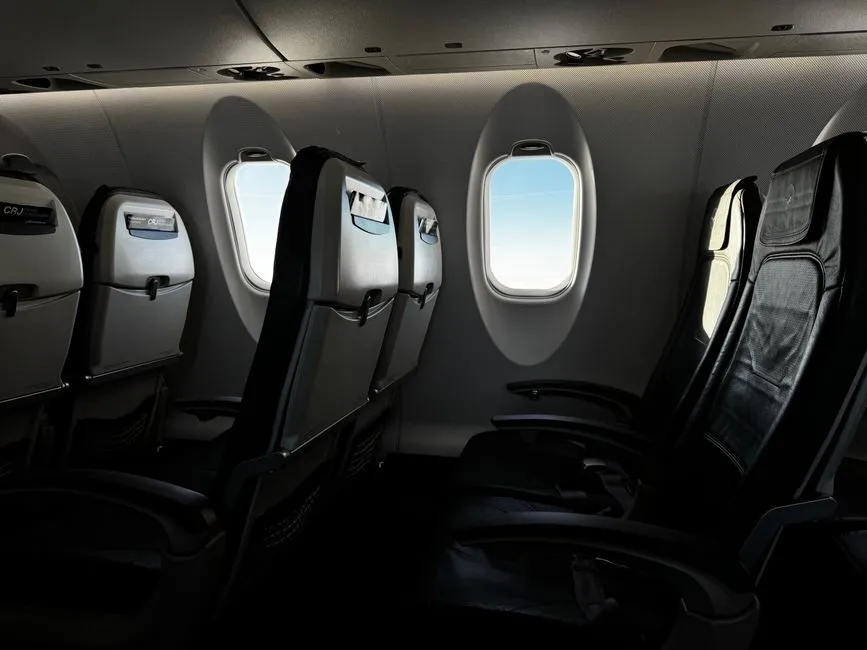
Every airline and every pilot pays close attention to weight and balance before takeoff, according to Edgar Mora, former pilot and chief instructor of aviation at San Jose State University. This is where things get interesting. The distribution of passengers across the cabin isn’t just about comfort preferences – it directly affects how safely a plane can operate.
For safety and fuel efficiency, it’s better for the center of gravity to be in the back of the plane, which is why you have spread-out first-class seats up front and denser economy seating in the back. It’s not uncommon for airlines to assign seating with weight balance in mind, and most passengers don’t even realize it’s happening. When a flight is lightly loaded and passengers are clustered in one area, flight attendants may be required to ask people to move or stay put for exactly this reason.
Why Flight Attendants Sometimes Block Empty Rows
In some cases, flight attendants have said passengers can’t move due to an issue with weight imbalance. If a plane of any size is out of balance, it may not be able to take off or land safely, and even a small amount of weight in the wrong location can affect a plane’s flight capabilities. This surprises passengers who assume an empty row closer to the front is simply fair game.
Weight and balance is most important during takeoff, which is why passengers are asked to remain in their assigned seats prior to departure. Aviation experts have suggested asking a flight attendant before moving seats to avoid any issues. It’s a straightforward step that prevents what has, on occasion, become a genuinely tense situation between crew and passengers.
The Row Before the Exit Row Is Another Quiet Avoider
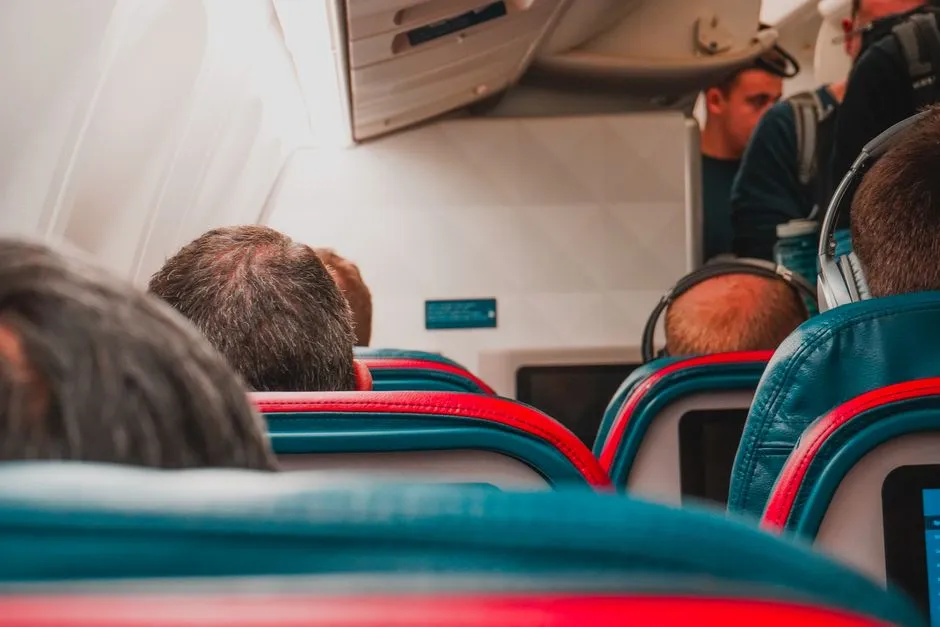
A flight attendant noted on Reddit that the row directly in front of the exit row will not recline. It makes sense from a safety perspective: you want people to access the emergency exits as easily as possible if something goes wrong onboard. This catches many travelers off guard, since the extra legroom of an exit row nearby looks appealing on the seat map, while the row immediately in front offers the worst of both worlds.
Rather than having flight attendants ensure seatback compliance, most designs opt to eliminate the issue altogether by making it impossible to recline any seats that would interfere with an emergency exit. The seat map rarely makes this obvious at first glance, which is one reason tools like SeatGuru exist and why experienced travelers check them before booking.
Safety Statistics and the Back Row: A Surprising Twist
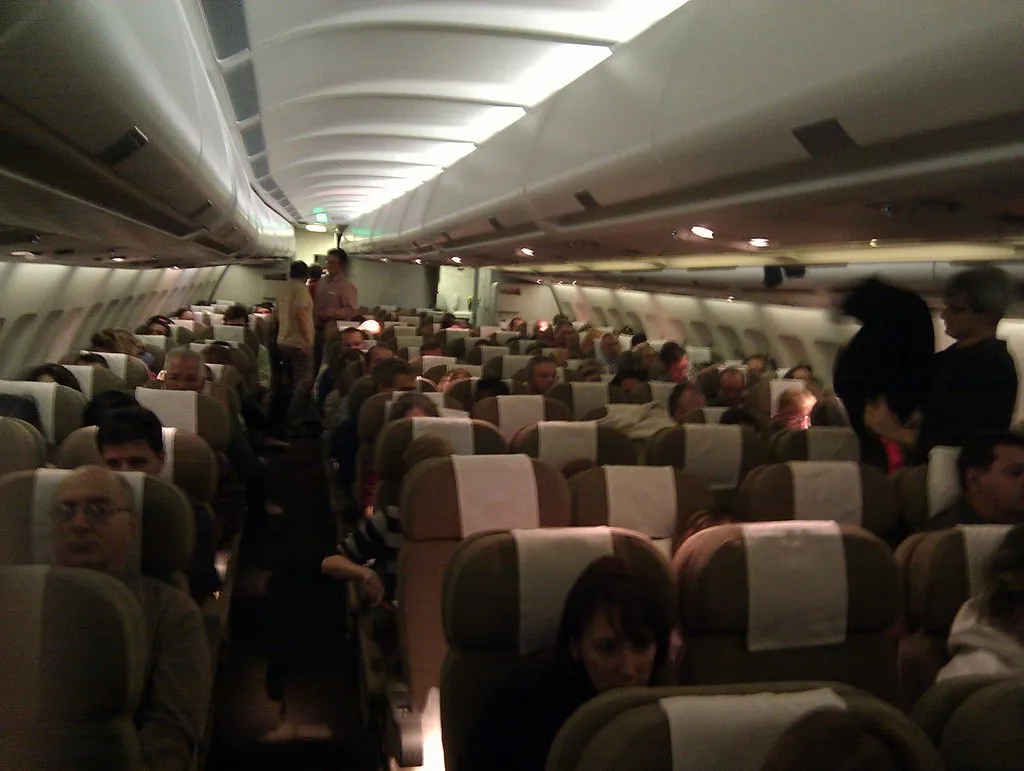
The middle seat in the back of the plane is statistically the safest seat, though seat selection alone is a probability and not a guarantee when it comes to safety, because each incident is unique. This finding comes from safety research and is something the aviation community discusses openly, even if few passengers factor it into their booking decisions.
The FAA studied air accidents between 1969 and 2013 and looked at survival rates by cabin section. They found the survival rate in business and first class was around forty percent. In the middle of the cabin it was fifty-seven percent, and in the rear of the cabin it was sixty-two percent. In the last ten rows of the rear of the cabin, the survival rate was seventy percent. Few passengers know these numbers, and fewer still use them to choose a seat. The discomforts of the back row, for most travelers, outweigh that statistical edge.
Seat Preference Is Deeply Personal – and Airlines Know It
Most flyers consider seat preference very important or extremely important. Research from a December 2024 survey found that the overwhelming majority of respondents had been asked to swap seats at least once in the past twenty-four months. Seat preference drives real friction, real negotiation, and real decisions about which airline to fly with.
Safety concerns also factor into seat choices for a notable share of travelers, especially following high-profile aviation incidents in recent years. Frequent flyers will often have their own preferred seat, as do pilots and flight attendants when not traveling on duty. This is often for comfort, but is also very subjective and down to personal choice. The last row being picked last, then, isn’t some mystery. It’s the rational outcome of people making perfectly reasonable decisions.
The Takeaway
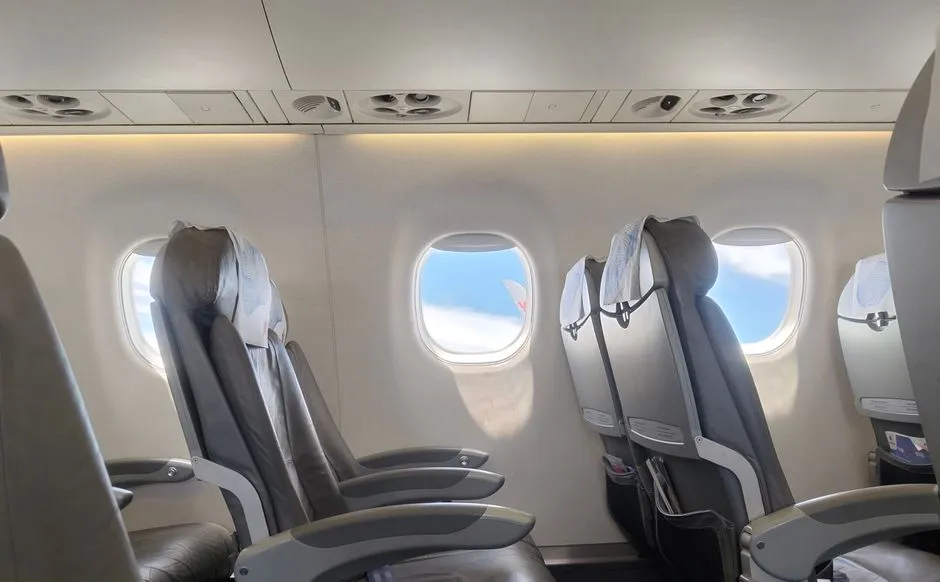
The back row of economy class, particularly the middle seats within it, fills up last because it stacks nearly every flying discomfort into a single location: no recline, proximity to bathrooms, heavier turbulence, galley noise, and constant foot traffic. Flight attendants know this instinctively, which is why they avoid it when flying on their own time.
That said, understanding why the row is avoided also reveals something worth holding onto. Those back seats are statistically among the safest on the plane, and on a light flight, they occasionally offer the rare gift of an empty row to yourself. The insight isn’t that the back is bad. It’s that every seat on a plane involves a trade-off, and the more you understand those trade-offs, the better equipped you are to make a genuinely informed choice before you ever click “confirm.”
AI Disclaimer: This article was created with the assistance of AI tools and reviewed by a human editor.