
Most passengers pick their seat based on legroom, proximity to a window, or loyalty status. Safety rarely enters the decision at all. Yet flight attendants, who spend more time in aircraft cabins than almost anyone, have strong views on which seats carry the most risk – and their reasoning is backed by decades of crash data and injury reports.
The answer isn’t as simple as “front is bad, back is good.” It involves turbulence exposure, evacuation timing, impact physics, and everyday hazards that most travelers never think about. What follows is a careful, data-supported look at what the research and the people who work these flights actually say.
The Front Seat Problem: First Class Isn’t Always First Safe
The seats in the front 15 percent of the airplane, which on many planes are the business-class or first-class sections, had an average survival rate of just 49 percent in a landmark Popular Mechanics analysis of NTSB data. That’s a meaningful gap compared to other sections of the cabin. Business or first class, while offering more space and comfort, is often located near the front of the plane – precisely where impact risk is highest.
If a collision or impact occurs toward the front – a nose strike, a runway overrun – forward rows take higher forces and are at greater risk. If the impact is at the rear fuselage or tail, the front is safer. The forward fuselage often absorbs crash forces first, and in severe break-ups, forward rows can be crushed or separated.
Aviation expert Daniel Bubb, a former airline pilot at the University of Nevada, Las Vegas, notes that sitting toward the back of the plane gives passengers the best chance of survival: “This is because the front and middle parts absorb most of the impact if it is a head-on collision.”
Aisle Seats in the Middle Cabin: The Worst Statistical Outcome
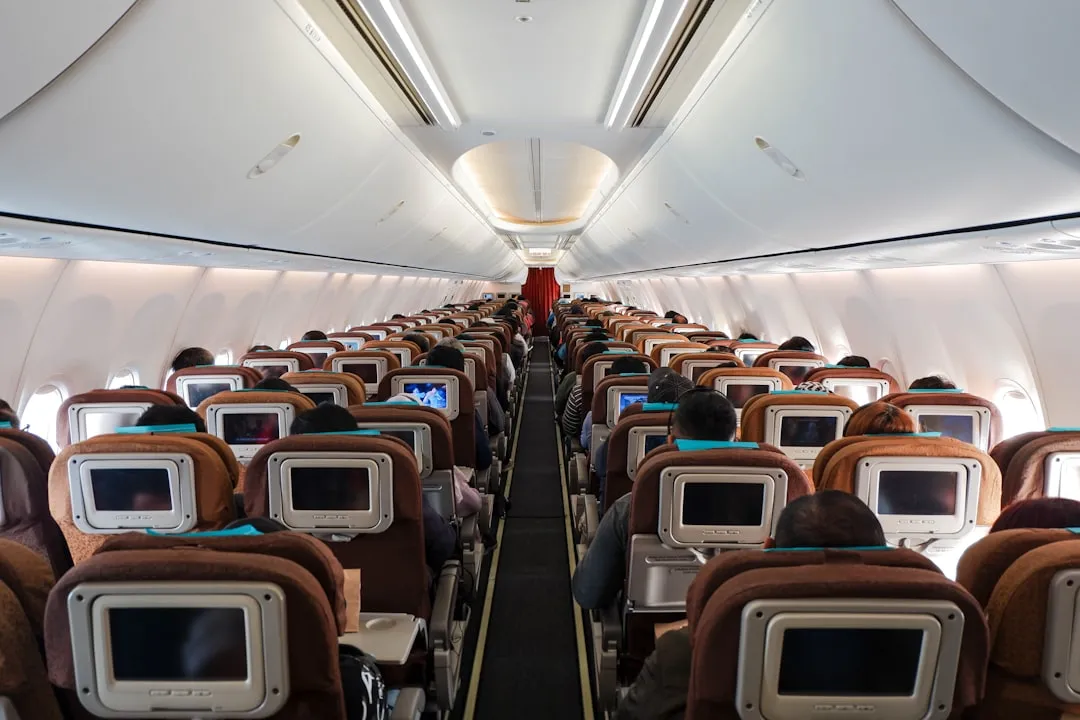
Looking at row position, Time magazine’s analysis found that the middle seats in the rear of the aircraft had the best outcomes, with a 28 percent fatality rate. The worst-faring seats were on the aisle in the middle third of the cabin, with a 44 percent fatality rate. That’s a stark difference, and it’s worth sitting with for a moment.
Aisle seats in the middle section of planes had the poorest outcomes in Time magazine’s 2015 review of aircraft accidents with fatalities and survivors over the previous 35 years. The analysis showed that seats in the rear third of the plane had a 32 percent fatality rate, compared with 39 percent in the middle third.
The middle aisle seat is also the one most exposed to beverage cart impacts and foot traffic. It’s a seat that feels social and convenient, but the data doesn’t flatter it.
Why the Back of the Plane Consistently Performs Better
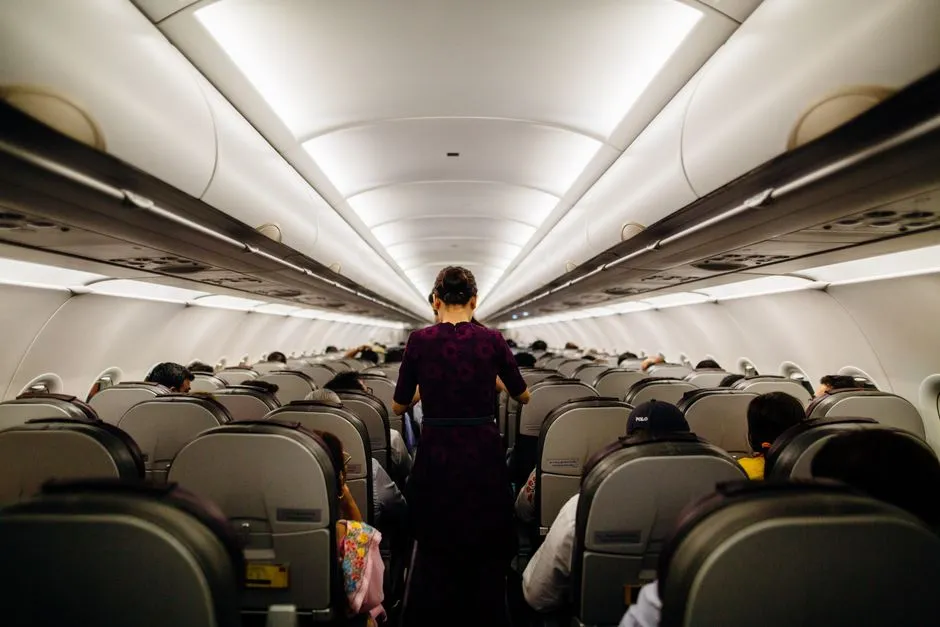
Looking at reports from the National Transportation Safety Board, Popular Mechanics concluded that booking a place in the rear cabin offers the highest rate of survival. Of the 20 crashes they investigated – each involving both fatalities and survivors – those sitting in the back had a 69 percent chance of staying alive, compared to a less favorable 49 percent in business class.
The study suggests that passengers seated near the tail of a plane are approximately 40 percent more likely than passengers near the front of the aircraft to survive a crash. This figure is drawn from statistics gleaned over 36 years of raw data from the National Transportation Safety Board files.
In a real-world example from December 2024, when an Azerbaijan Airlines Embraer E190 was struck during its landing in Aktau, Kazakhstan, most of the passengers who did not survive were at the front of the plane – while most survivors were sitting at the back, reinforcing the pattern that the rear of the plane often has higher survival rates in aviation accidents.
Turbulence Is the Real Daily Threat, Not Crashes
The NTSB indicates that among U.S. air carriers, more than one-third of all accidents are the result of injuries due to turbulence, making it the most common type of accident among air carriers. This is rarely how passengers think about in-flight risk, but it’s the reality that flight attendants live with every day.
Turbulence-related events increased as a share of MedLink cases between 2024 and 2025, rising 46 percent from 338 cases in 2024 to 494 in 2025, while overall case volume grew by only 11 percent. That growth rate signals something worth paying attention to.
Scientists note that turbulence trends are changing. A 2024 study found that in the Northern Hemisphere, moderate-to-severe clear-air turbulence has already increased roughly 60 to 155 percent since 1980, likely due to stronger jet streams driven by climate change.
The Aisle Seat and Turbulence: A Specific, Underappreciated Hazard
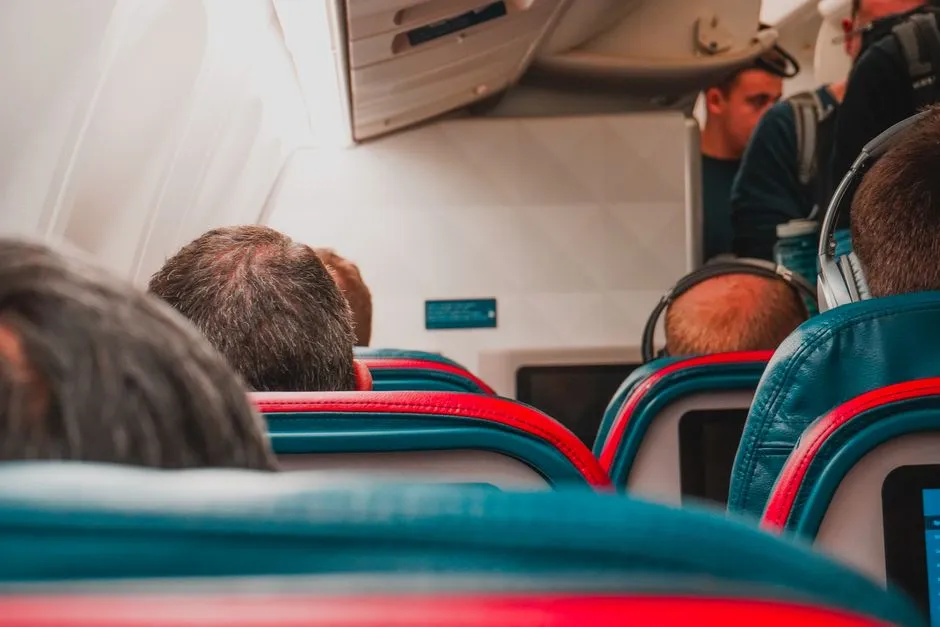
One hazard of the aisle seat that rarely gets discussed is overhead-bin risk. Aisle seats are slightly closer to objects that could fall from bins in severe turbulence events. Flight attendants are consistently aware of this. It does not take extreme turbulence to cause a serious injury – moderate chop is sufficient to cause a crew member moving through the cabin to lose balance and sustain a fracture.
Injuries happen when unbelted people are thrown against seats, armrests, or the ceiling as the cabin suddenly drops or jolts. The aircraft itself rides through the air safely. The aisle seat, with its slightly greater exposure to the cabin’s movement corridor, increases that risk during turbulent stretches.
Experienced flight attendants have become quicker to stop service when light turbulence begins. Some have even adopted informal personal rules: one flight attendant shared that they keep a glass of water on the counter, and if the water is sloshing, they will not go into the aisle.
How Flight Attendants Get Hurt Most Often
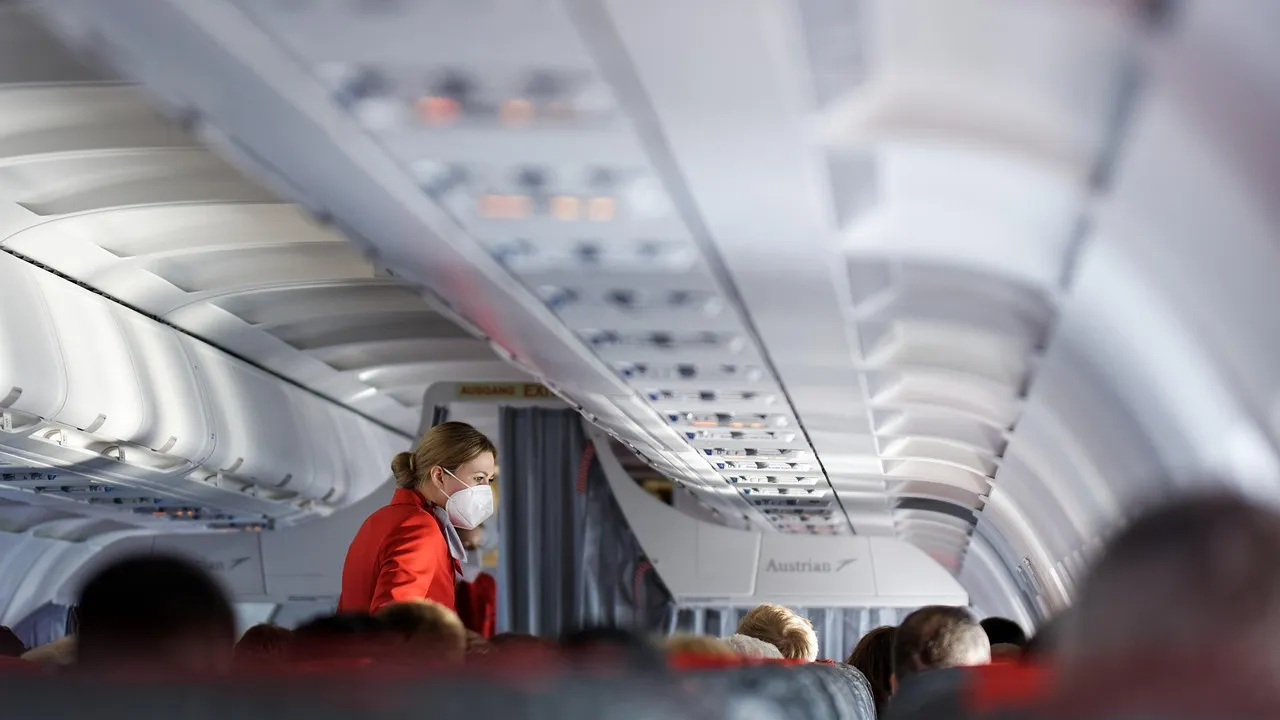
The FAA’s own tally from 2009 to 2024 recorded 166 serious crew injuries versus 40 passenger injuries, meaning that about four in five victims were flight attendants. They are overwhelmingly more exposed than the passengers they serve. Studies of accident data from 1989 to 2018 indicate that flight attendants are 24 times more likely to be injured than passengers.
Unexpected turbulence occurs frequently, leaving flight attendants no time to safely secure themselves. The National Transportation Safety Board found in 2021 that flight attendants account for 79 percent of those seriously injured by turbulence, with nearly all of the remaining being passengers who were unbelted at the time of injury.
Cabin crew injuries were more likely to involve physical trauma – sprains, strains, contusions, burns, fall injuries, fractures, and head trauma. The professional insight flight attendants bring to seat selection comes directly from witnessing these realities at close range.
The Exit Row Advantage: Distance Matters More Than Direction
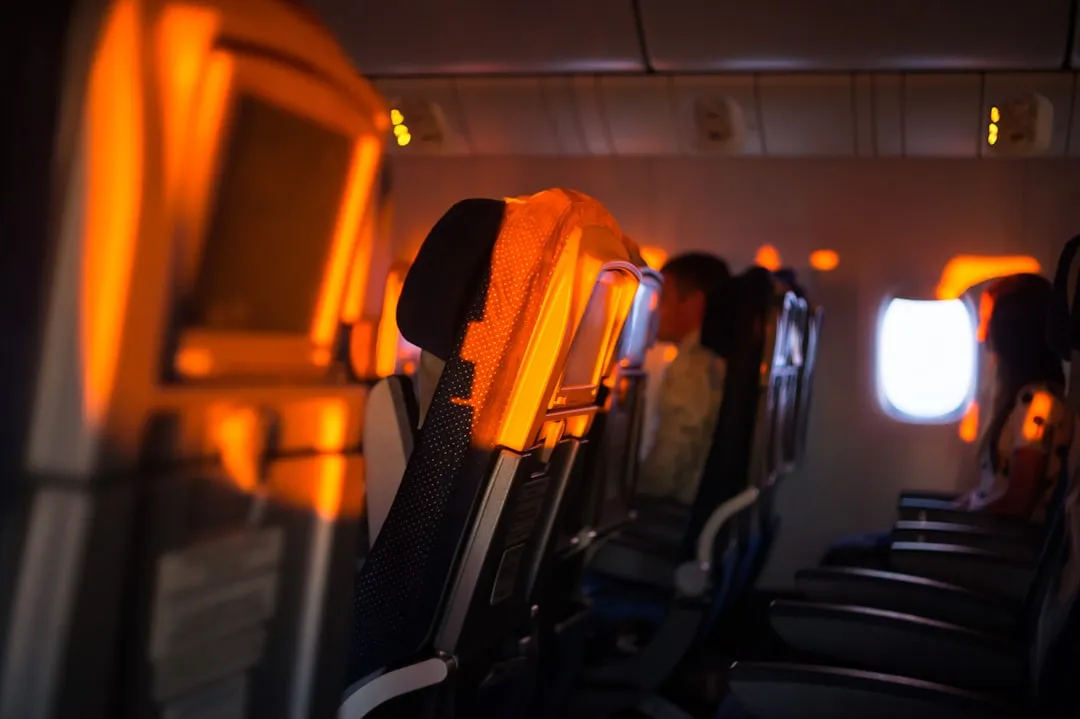
Fire safety engineer Ed Galea’s research found that the nearer a passenger is to an exit, the better their chances of surviving. Specifically, passengers seated within five rows of an exit are much more likely to evacuate safely. This point is foundational to understanding the seat-safety question.
Passengers seated between two and five rows from an exit had an above-average chance of survival, while for passengers seated six or more rows away, the chances of perishing outweighed those of surviving. This is a strong argument for choosing seats close to any emergency exit – not just the nearest door at the front.
In a 2008 British Airways crash in London, passengers had just 90 seconds to evacuate as flames spread. Those seated two or three seats from an exit had the best chances of getting out safely. Ninety seconds is not a generous window.
Seatbelts: The Variable That Overrides Everything
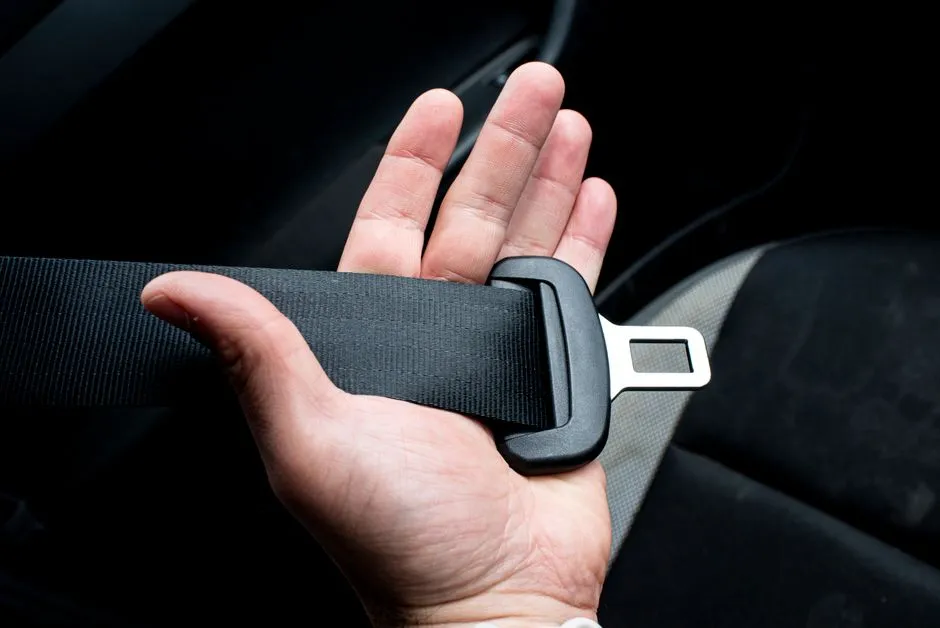
FAA findings show that more than 90 percent of turbulence injuries involve passengers or crew who were not wearing a seatbelt. When you consider that turbulence is the most common cause of in-flight injury, this single behavior has an outsized effect on your personal risk – regardless of where you’re sitting.
The FAA advises keeping your belt fastened whenever you’re seated, not just when the sign is on, and airlines must brief passengers to do exactly that even after the seatbelt light goes off. Keeping the belt fastened whenever you sit down, and saving movement around the cabin for genuinely smooth stretches, removes almost all of the risk that turbulence actually carries.
Experienced flight attendants who have themselves been injured in turbulence are always the first to sit down and buckle up as soon as conditions get bumpy. That behavioral pattern is telling. The people who’ve learned the hard way behave differently.
What the Singapore Airlines Incident Confirmed
On May 21, 2024, Singapore Airlines Flight 321 experienced severe in-flight turbulence caused by convective clouds and thunderstorms, resulting in one fatality and 79 injuries among the 229 people on board. The incident made global headlines and prompted renewed focus on turbulence risk.
In the days after the Singapore Airlines incident, a flight attendant writing for CNN noted she was surprised by the number of people still standing in the cabin stretching their legs or visiting other passengers when turbulence struck on a subsequent flight she worked. The lesson wasn’t sticking as widely as it should have.
In severe turbulence events including the Singapore Airlines SQ321 incident, rear-cabin passengers reported more extreme subjective experiences than those in mid-cabin seats. This is a real tradeoff: the back of the plane tends to feel rougher, even when it statistically protects better in crashes.
No Seat Guarantees Safety – But Some Choices Are Smarter
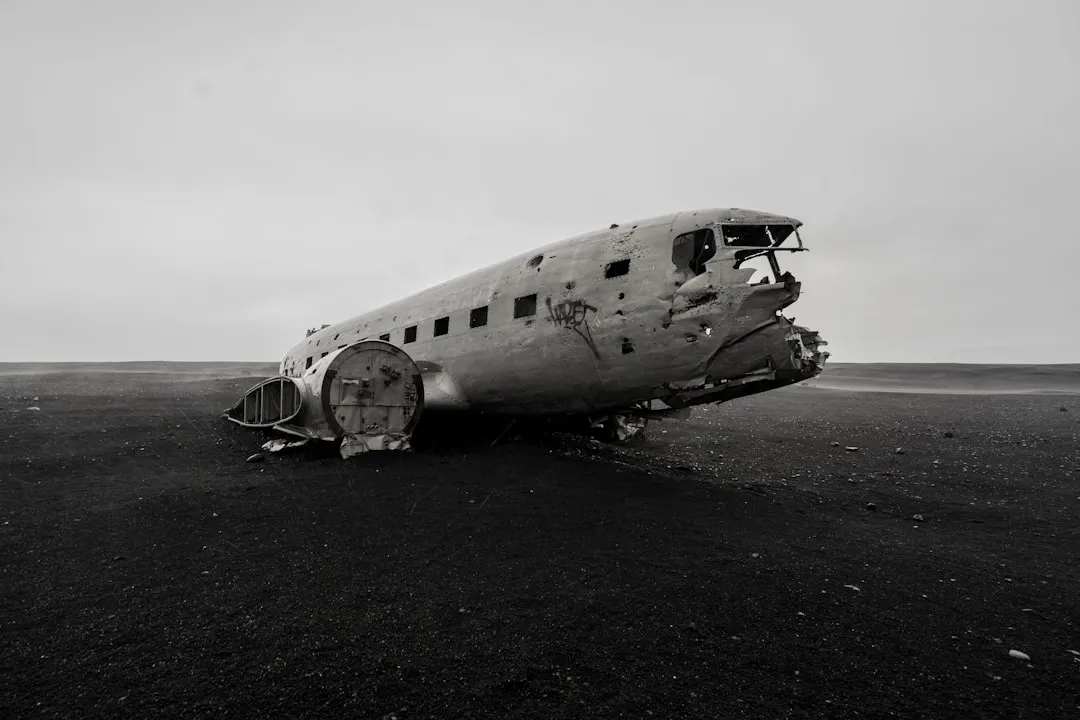
Studies and analyses of aviation accidents have revealed that survival outcomes can be random. In many instances, those who perished were scattered irregularly among survivors, indicating the nature of the impact, the passenger’s position, and even luck all play significant roles in passenger survival rates.
The probability of surviving an aircraft accident is determined more by the circumstances surrounding the crash than by the passenger’s seat. For example, if a plane’s tail takes the brunt of the impact, passengers seated in the middle or front sections may actually fare better than those at the rear. Context always matters.
The statistical probability of being in an airplane accident is very low. Air travel continues to be one of the safest modes of transportation, with only a few serious accidents a year. In comparison, fatal car accidents occur every few seconds. The average person is far more likely to be seriously injured or killed in a car accident than in an airplane accident.
What to Actually Do With This Information
The picture that emerges from the data is fairly consistent. Sitting toward the aisle at the back of the plane near an emergency exit is, in general, the safest choice. The front seat – particularly in first or business class – carries a statistically lower survival rate in crash scenarios, and the aisle seat in the middle of the cabin fares worst of all in the available data.
The practical takeaway, sometimes called the “five-row rule,” is to choose a seat within five rows of an exit when possible. Beyond that, paying attention to the safety briefing, knowing the number of rows to your nearest exit, and being prepared to brace yourself are among the most consistent pieces of advice from safety researchers.
Flight attendants aren’t trying to alarm you when they talk about this. They’ve simply seen what happens when things go wrong, and they make different choices because of it. That knowledge is worth borrowing – even if the odds of ever needing it remain reassuringly small.
AI Disclaimer: This article was created with the assistance of AI tools and reviewed by a human editor.