
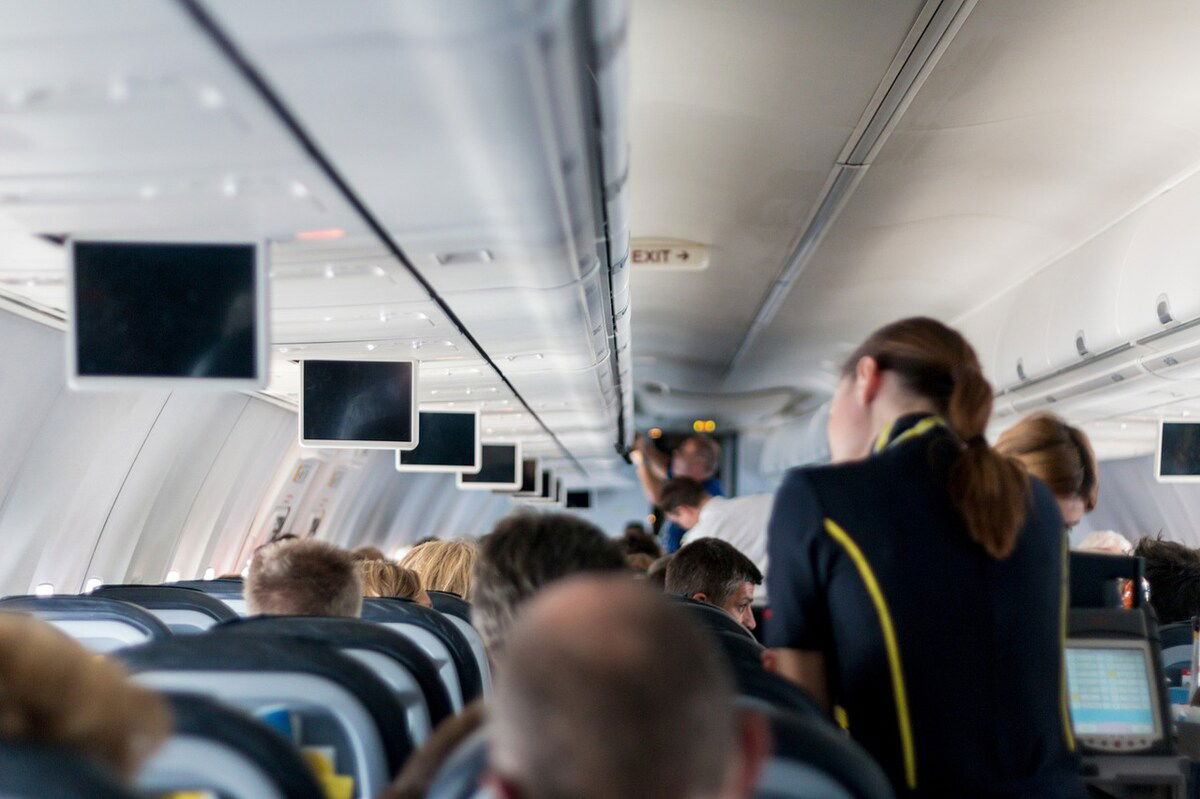

At cruising altitude, flight attendants have issued a straightforward request to passengers regarding physical contact. The guidance centers on keeping hands and fingers to oneself throughout the journey. This appeal reflects ongoing efforts to maintain professional standards in the confined space of an aircraft cabin.
Why the Request Matters Now
Air travel continues to involve close proximity among crew and passengers for extended periods. Flight attendants perform safety and service duties that require focus and mobility. Unwanted contact can disrupt these responsibilities and create unnecessary tension in the workspace.
The affected parties include the crew members who manage each flight and the passengers who share the cabin. Airlines also have an interest in ensuring smooth operations and positive working conditions for their staff. Clear expectations around conduct help support these shared goals.
Practical Consequences for Crew and Operations
When boundaries are not observed, crew members may experience discomfort that affects their ability to carry out routine tasks. This can lead to delays in service or require additional attention to restore a professional atmosphere. The result is a less efficient environment for everyone on board.
Passengers benefit from understanding these dynamics because respectful interactions contribute to orderly flights. Crew training often covers de-escalation and communication, yet prevention through passenger awareness remains a key factor. Consistent adherence to basic etiquette supports the overall travel experience.
Stakeholder Perspectives and Shared Responsibility
Flight attendants represent a frontline workforce that interacts directly with the traveling public. Their request highlights the need for mutual respect in a setting where personal space is limited by design. Passengers, in turn, play a role in upholding these standards through their own actions.
Airlines have policies in place to address conduct issues when they arise. These measures aim to protect staff while ensuring compliance with aviation regulations. The emphasis remains on prevention rather than reaction after an incident occurs.
Forward Outlook for Air Travel Conduct
Continued attention to cabin etiquette can help sustain professional conditions for crew across routes and carriers. As passenger volumes fluctuate, clear communication of expectations supports consistent service delivery. Both crew and travelers share an interest in environments that allow duties to proceed without distraction.
The core message remains focused on respect for personal space at every stage of the flight. This approach aligns with broader efforts to foster orderly and efficient air travel for all participants.
AI Disclaimer: This article was created with the assistance of AI tools and reviewed by a human editor.