
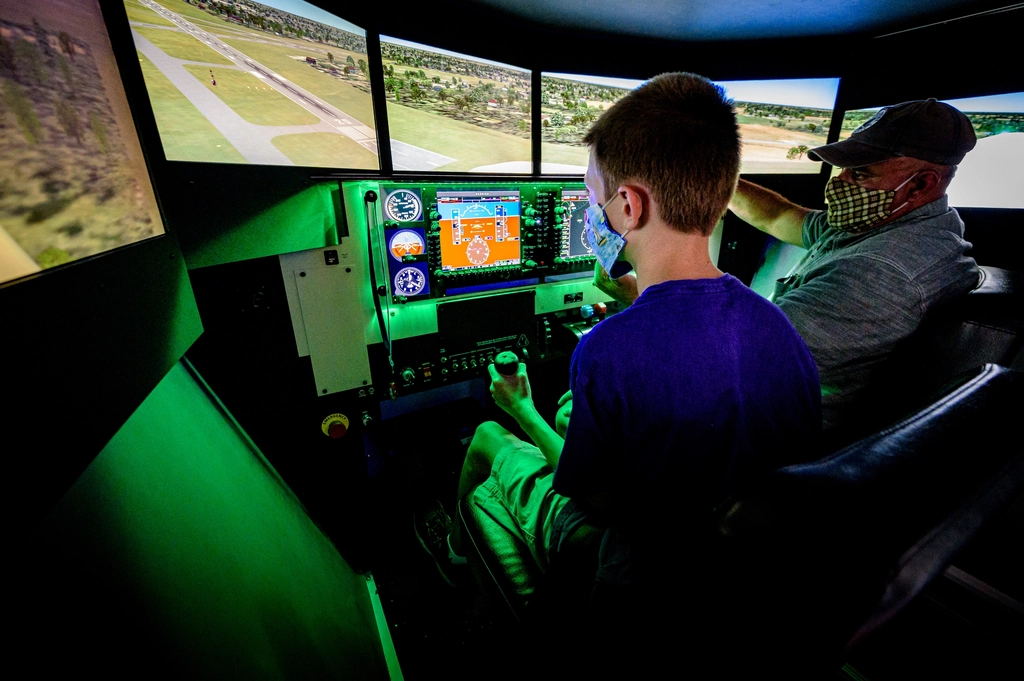

Walk into any serious flight training facility and the Full Flight Simulator runs almost around the clock. Some slots are for initial type ratings, some for line checks. The majority, though, are reserved for emergencies that can’t safely be practiced in a real aircraft.
What exactly fills those hours? The answer follows a recognizable pattern across training centers worldwide, shaped by accident data, regulatory requirements, and the hard-won judgment of the instructors who design these sessions. Here is what they repeatedly drill, and why.
Engine Failure After Takeoff: The One Drill That Never Leaves
Most flight instructors drill five core emergencies, and engine failure after takeoff sits at the very top of that list. The reason is simple and sobering: the departure phase is when pilots are most exposed, with the least altitude to absorb a mistake. The deadly instinct is to turn back to the runway, and engine failure after takeoff kills more pilots than almost any other emergency because that turn so often fails.
In October 2024, the FAA published AC 61-83K, the current revision of the Flight Instructor Refresher Course advisory circular, and it reversed a decades-old training orthodoxy on this very topic. The new guidance is more demanding: flight instructors should demonstrate and teach trainees when and how to make a safe 180-degree turnback to the field after an engine failure, and the pre-takeoff briefing must include the expected altitude loss in a turnback for the specific make and model.
Engine Failure in Cruise: Diagnosis Under Pressure
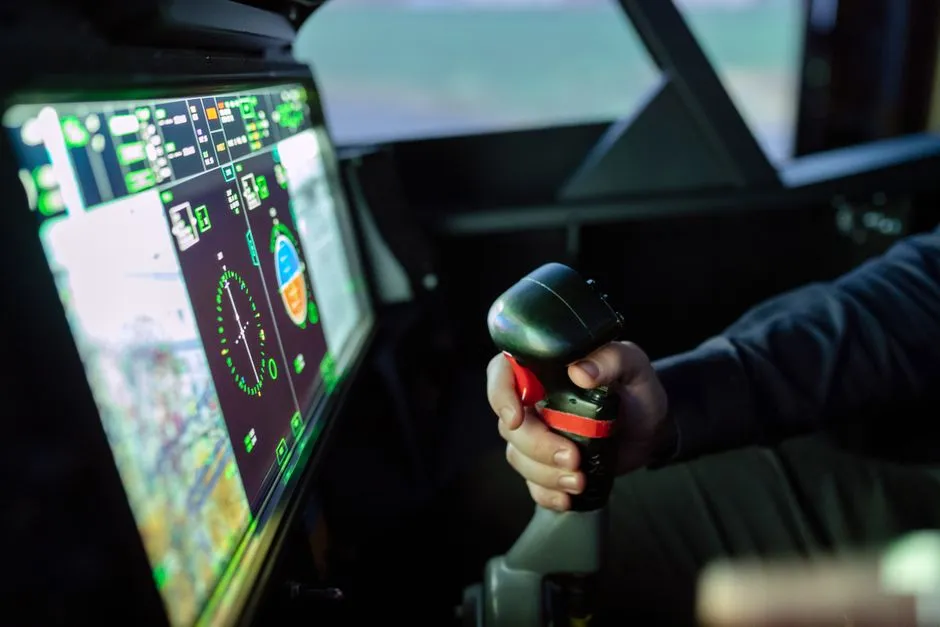
The memory items for engine failure in cruise begin with pitching for best glide speed, typically 65 to 75 knots in a Cessna 172, then trimming and troubleshooting: carb heat on, fuel selector to both, mixture rich, magnetos checked, primer locked. The simulator is where this checklist sequence gets burned into muscle memory through repetition, because in a real failure the workload arrives all at once.
A key feature of modern simulators is their ability to replicate various aircraft failures with surprising accuracy, allowing trainees to repeatedly practice emergency procedures in a risk-free environment before facing such challenges in the real world. Most engine failures actually occur during cruise, which is exactly why this scenario gets repeated across session after session.
V1 Cuts: The Standard That Defines Airline Training
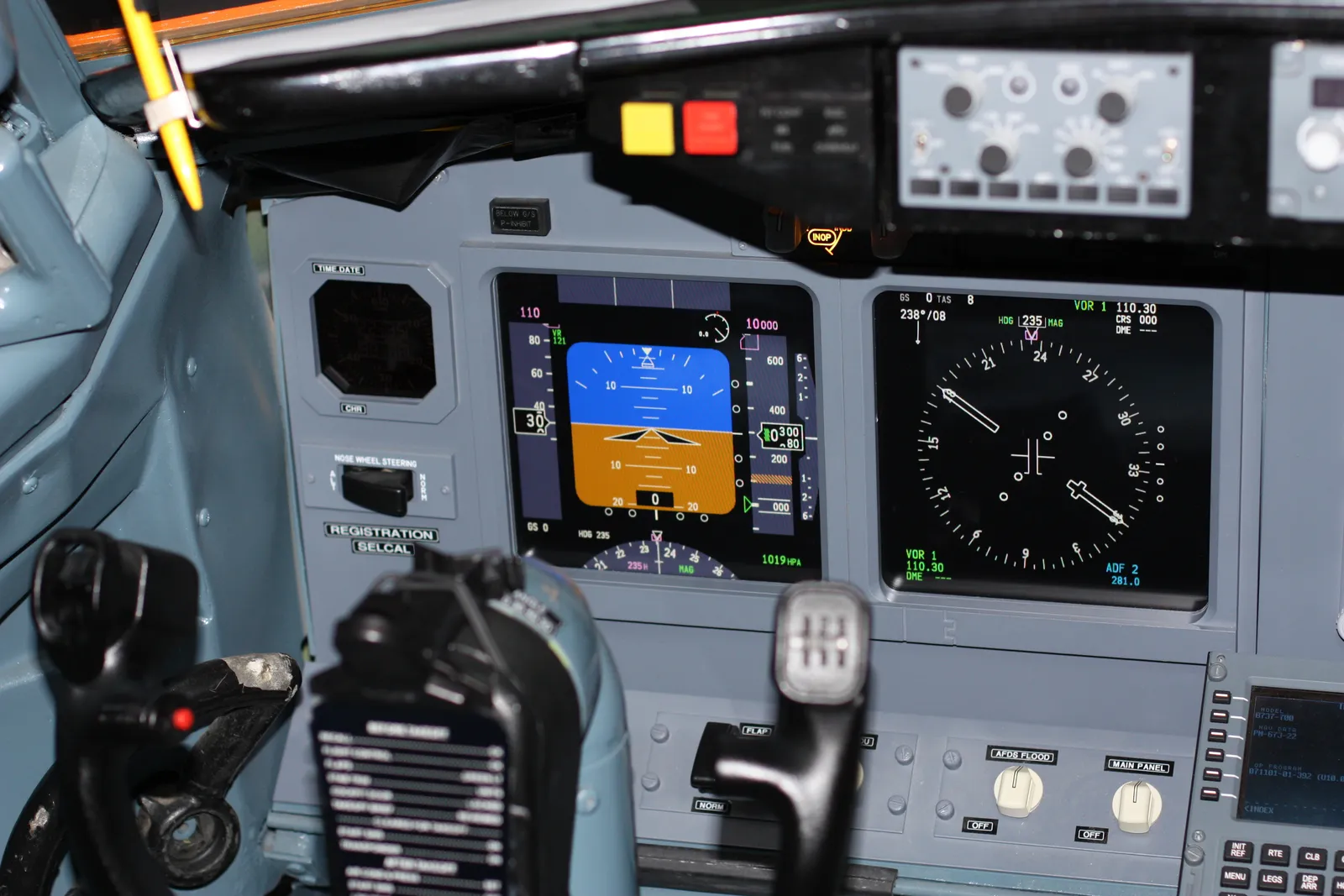
Airline simulator sessions commonly follow a structured pattern: a hot start on the apron, a V1 cut on takeoff, securing or restarting the engine depending on its condition, then continuing to the destination. The V1 cut, an engine failure triggered precisely at decision speed, is perhaps the single most defining exercise in commercial pilot recurrent training. It forces crews to continue the takeoff on reduced power and climb away safely, all while managing aircraft handling, checklists, and communications simultaneously.
Training department records show that engine failure scenarios account for roughly a third of all simulator check failures, largely due to improper memory item execution or inadequate single-engine approach techniques. That statistic alone explains why instructors return to this drill so relentlessly.
Windshear Recovery: A Scenario That Demands Instant Commitment
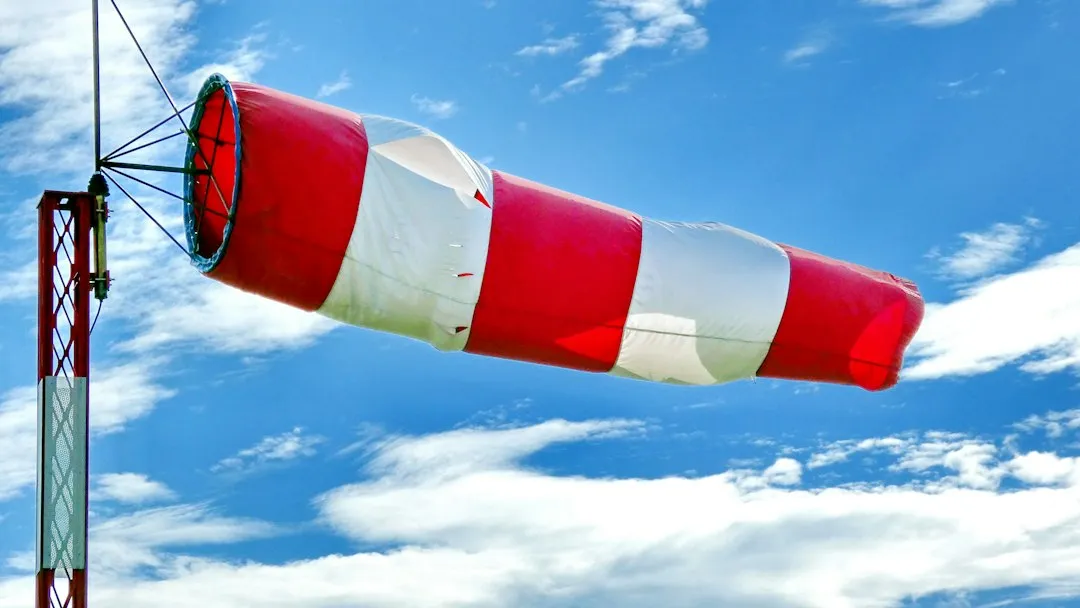
Severe weather scenarios are a staple of simulator training, and instructors use flight simulators to expose pilots to turbulence, low visibility, and the strong winds that occur during thunderstorms. Windshear stands apart from other weather threats because the correct response runs counter to instinct: maximum thrust, specific pitch attitude, no hesitation. Hesitation costs altitude that may not be available to recover.
Windshear and windshear-ahead are both classified as memory item emergencies on modern aircraft like the Airbus A320, meaning pilots must recall and execute the procedure from memory without reaching for a checklist first. The simulator is the only place this reaction can be trained to the level of true automaticity before a crew ever encounters the real thing on approach.
Rapid Decompression and Emergency Descent
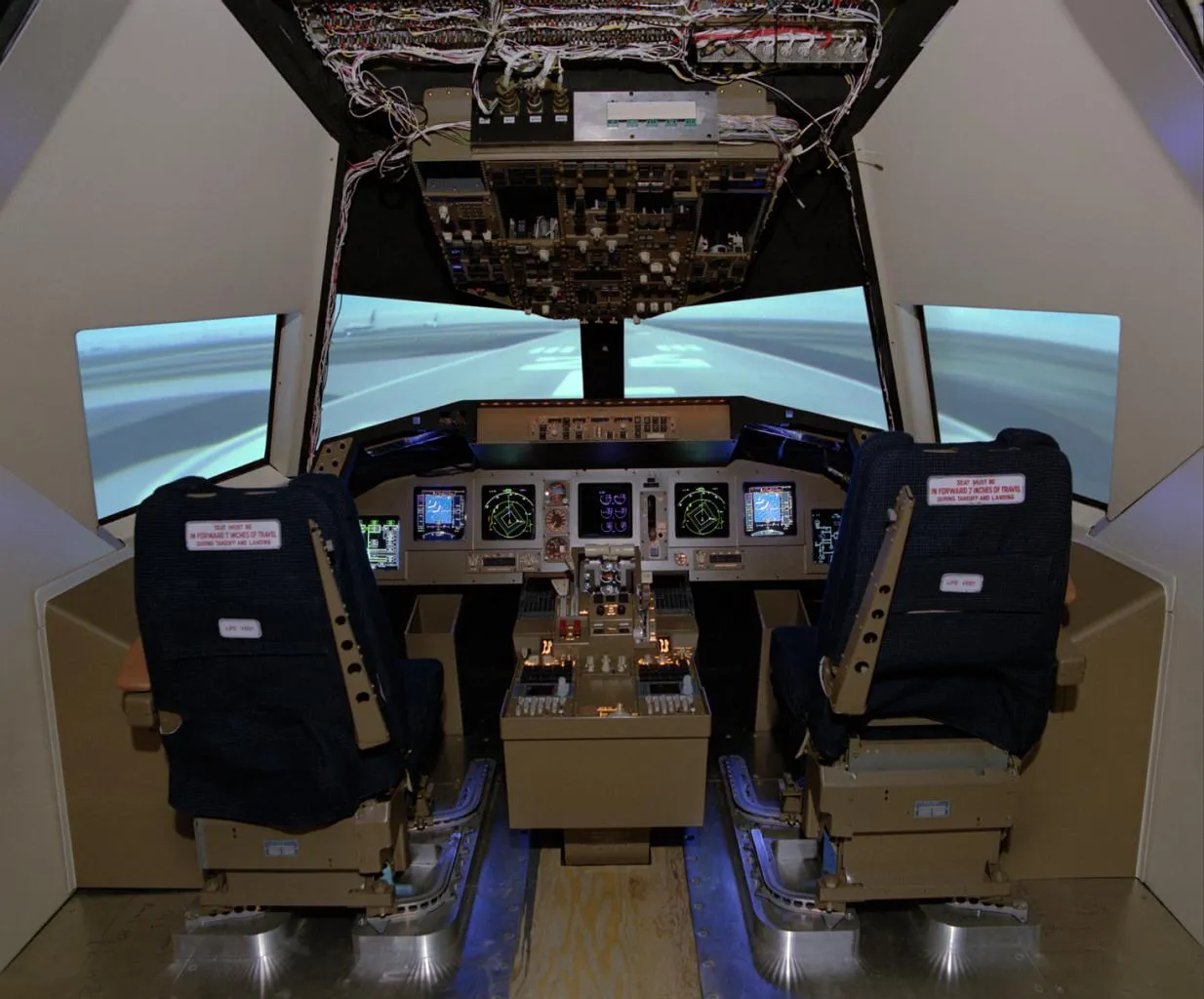
At cruise altitude, a pressurization failure leaves the crew with a very short window before hypoxia begins to impair judgment. The emergency descent drill is therefore built around speed, with the goal of reaching a breathable altitude as quickly as possible while simultaneously donning oxygen masks and communicating with air traffic control. Emergency descent following rapid decompression is specifically classified as a memory item procedure on modern commercial aircraft.
High-altitude flight presents unique challenges including reduced oxygen levels and extreme temperatures, and pilots use flight simulators to practice managing the aircraft’s systems at these altitudes, ensuring they can maintain proper cabin pressure, oxygen levels, and temperature control. In a full-motion simulator, instructors can reproduce the physiological and procedural pressure of a real decompression event in a way no classroom exercise can match.
Hydraulic System Failures: Silent and Progressive
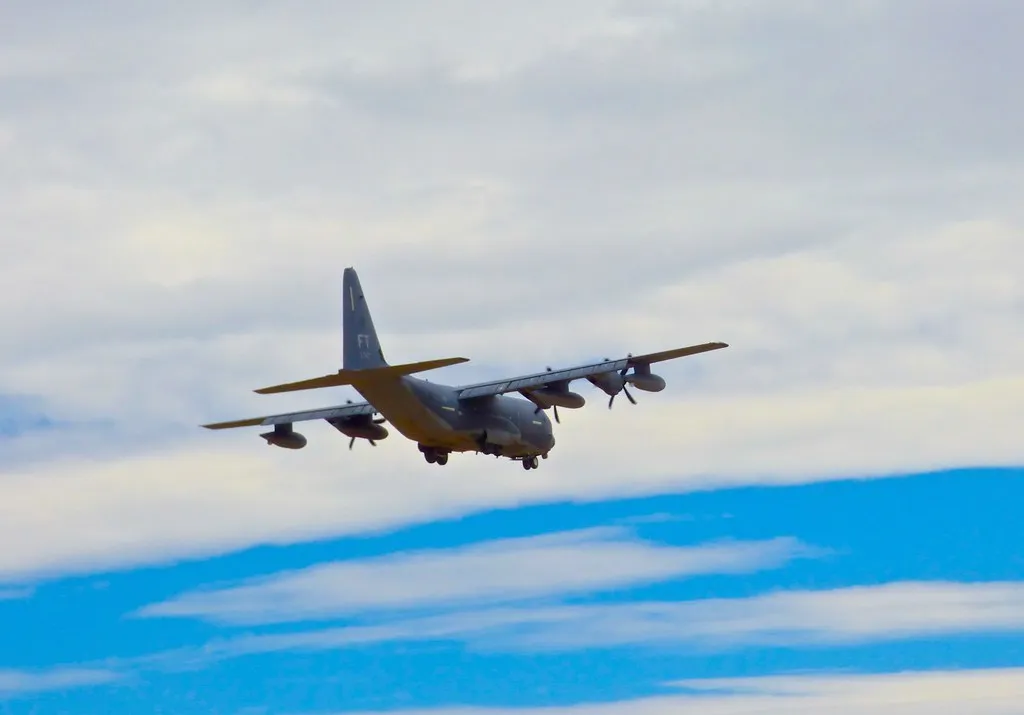
Hydraulic failures are particularly difficult because they rarely announce themselves dramatically. Systems degrade, warnings appear in sequence, and crews must interpret what remains available for flight controls, brakes, and landing gear. Hydraulic and trim malfunctions are among the regularly practiced emergencies in advanced simulator training.
There are failures that, for safety reasons, are impossible to replicate in a real aircraft, and a simulator is the only place where a pilot can practice a hydraulic failure in a critical phase of flight to perfection, turning emergency procedures into an automatic, instinctive response. Instructors often layer hydraulic failures on top of other abnormalities, deliberately increasing the cognitive workload to simulate how real emergencies tend to compound.
Spatial Disorientation Recovery: The Invisible Killer
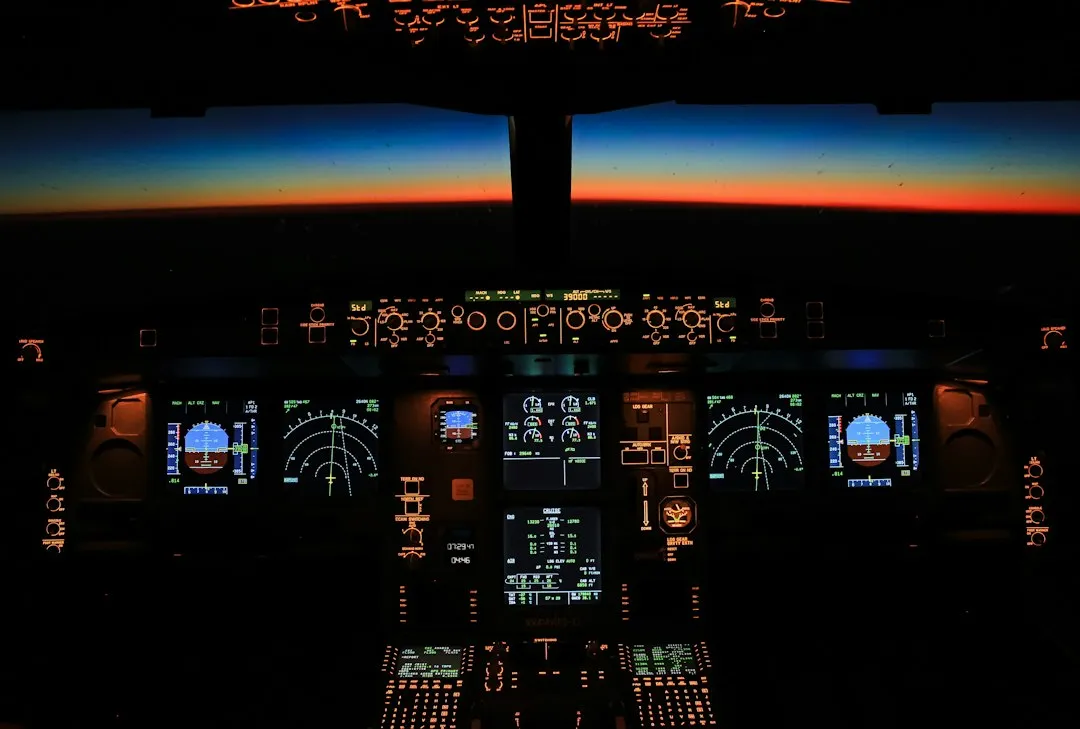
Statistics indicate that weather-related accidents account for a measurable portion of general aviation fatalities, with VFR into IMC among the most lethal subsets. Spatial disorientation, the loss of accurate perception of the aircraft’s attitude without visual references, is a core mechanism behind many of those accidents. The simulator is the only training environment where an instructor can genuinely disorient a pilot and observe the recovery in real time.
A landmark experiment conducted by the University of Illinois found that twenty non-instrument-rated pilots who flew from visual into simulated instrument conditions all reached a dangerous attitude, with an average time to dangerous condition of just 178 seconds. That figure shaped instructor thinking for generations and remains the foundational argument for simulator-based disorientation training today.
Electrical Failures and Smoke in the Cockpit
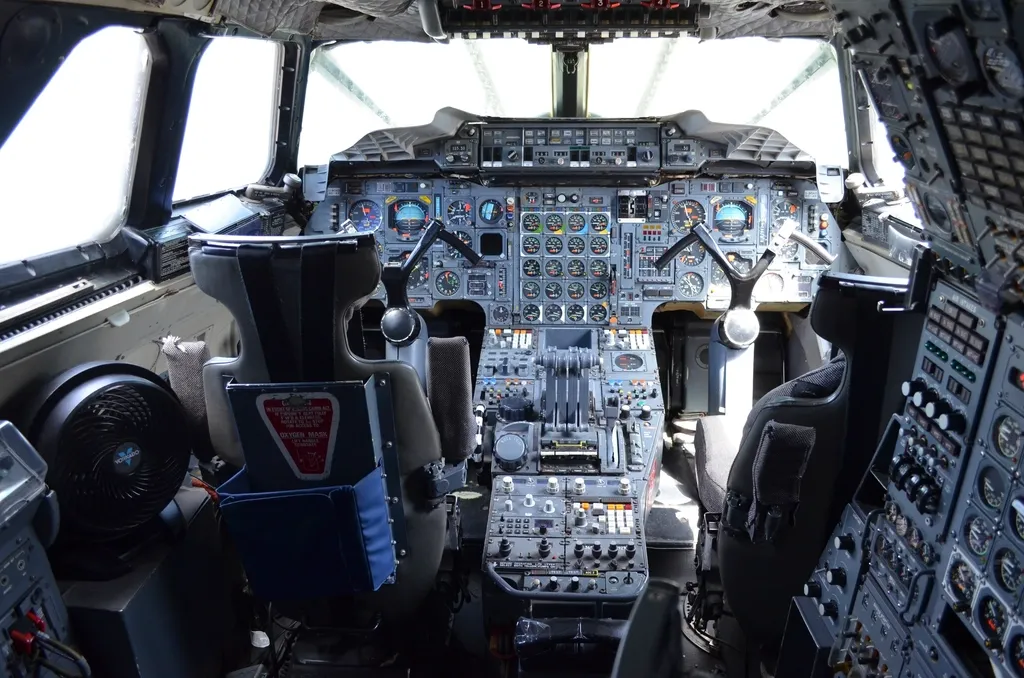
An electrical fire is one of the five core emergencies that most flight instructors drill without exception. Smoke in the cockpit creates an urgency that compounds every other task: donning oxygen masks, identifying the source, executing the appropriate electrical load-shedding checklist, and deciding whether an immediate diversion is warranted. The simulator allows instructors to introduce degraded instrument displays alongside the failure, which is closer to what a real electrical emergency looks like.
In-flight electrical fires and instrument approaches with partial panel are both standard components of simulator-based emergency training. Practicing with partial panels, where key instruments have been failed, builds the cross-check habits that prevent a bad situation from becoming an uncontrolled one.
Instrument Approaches with Degraded Systems
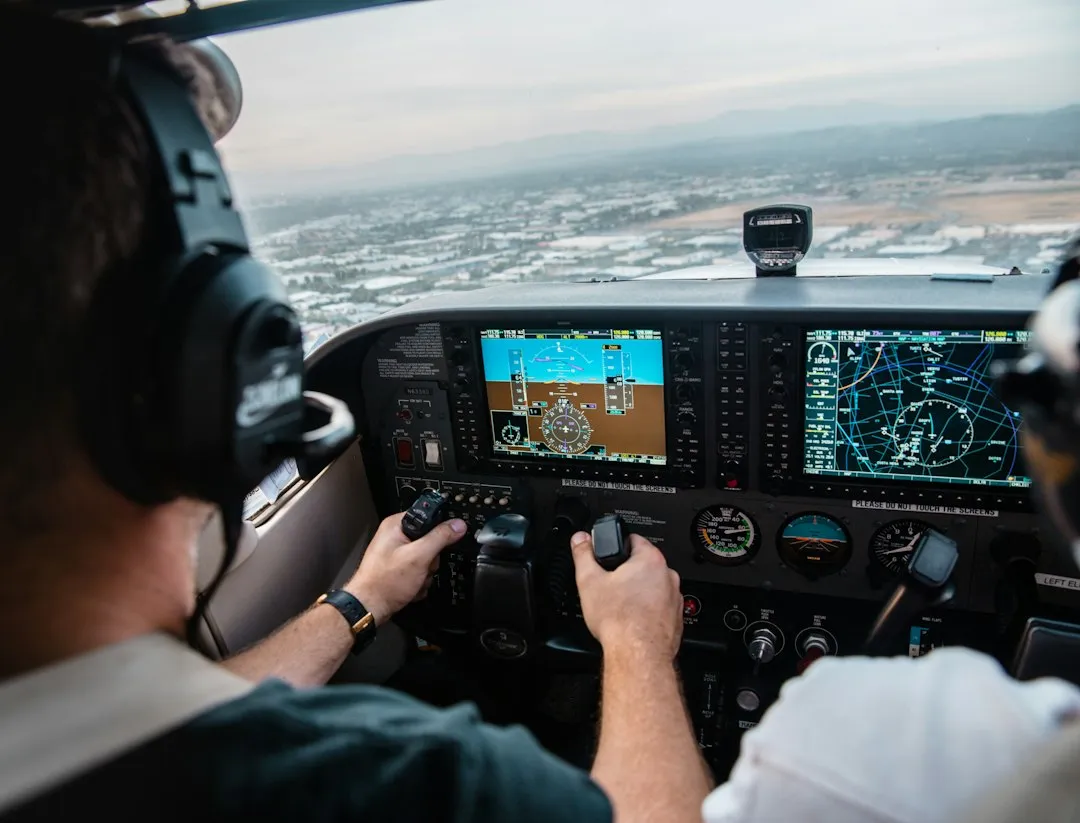
Instrument Landing System approaches are crucial for safe landings especially when visibility is poor, and flight simulators allow pilots to hone these skills by replicating various landing scenarios including low visibility and adverse weather. Instructors push this further by combining low-visibility conditions with partial instrument failures, forcing pilots to complete precision approaches using fewer data sources than normal. This is where the real skill gap between trained and undertrained crews tends to surface.
Weather-related approaches, particularly CAT II and CAT III approaches and windshear recovery scenarios, account for a significant portion of simulator check failures, stemming from poor decision-making under pressure. The combination of near-zero visibility, degraded avionics, and a stable-approach requirement creates exactly the kind of high-stakes environment that requires repeated simulator exposure to handle reliably.
Compound and Unexpected Failures: The Frontier of Modern Training
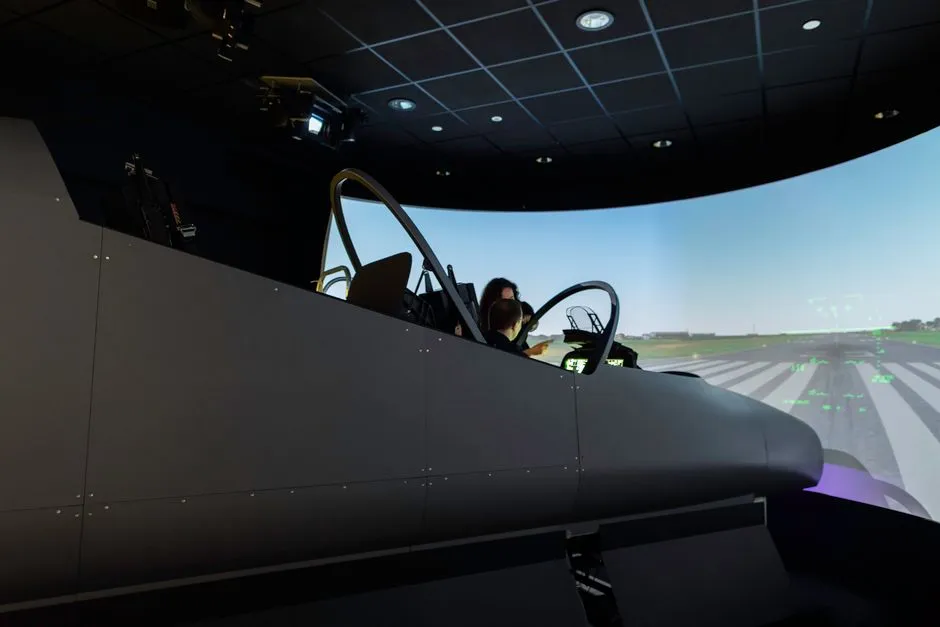
Pilots who go longer between training cycles often handle standard procedural items well but struggle when an unusual or compound malfunction is introduced, precisely because those edge-case scenarios aren’t rehearsed regularly in line flying. Research in aviation human factors training has consistently demonstrated that emergency procedure recall drops measurably after 60 to 90 days without practice.
Some advanced simulators now integrate artificial intelligence to produce unforeseen emergency scenarios, challenging pilots’ adaptability by forcing them to constantly improvise, which greatly enhances their critical decision-making. A study of airline flight crews comparing performance at six months and twelve months after training found that both normal and emergency maneuvers decayed significantly more by the twelve-month mark, leading researchers to conclude that a six-month training schedule produces better retention of knowledge and skill.
What These Drills Have in Common
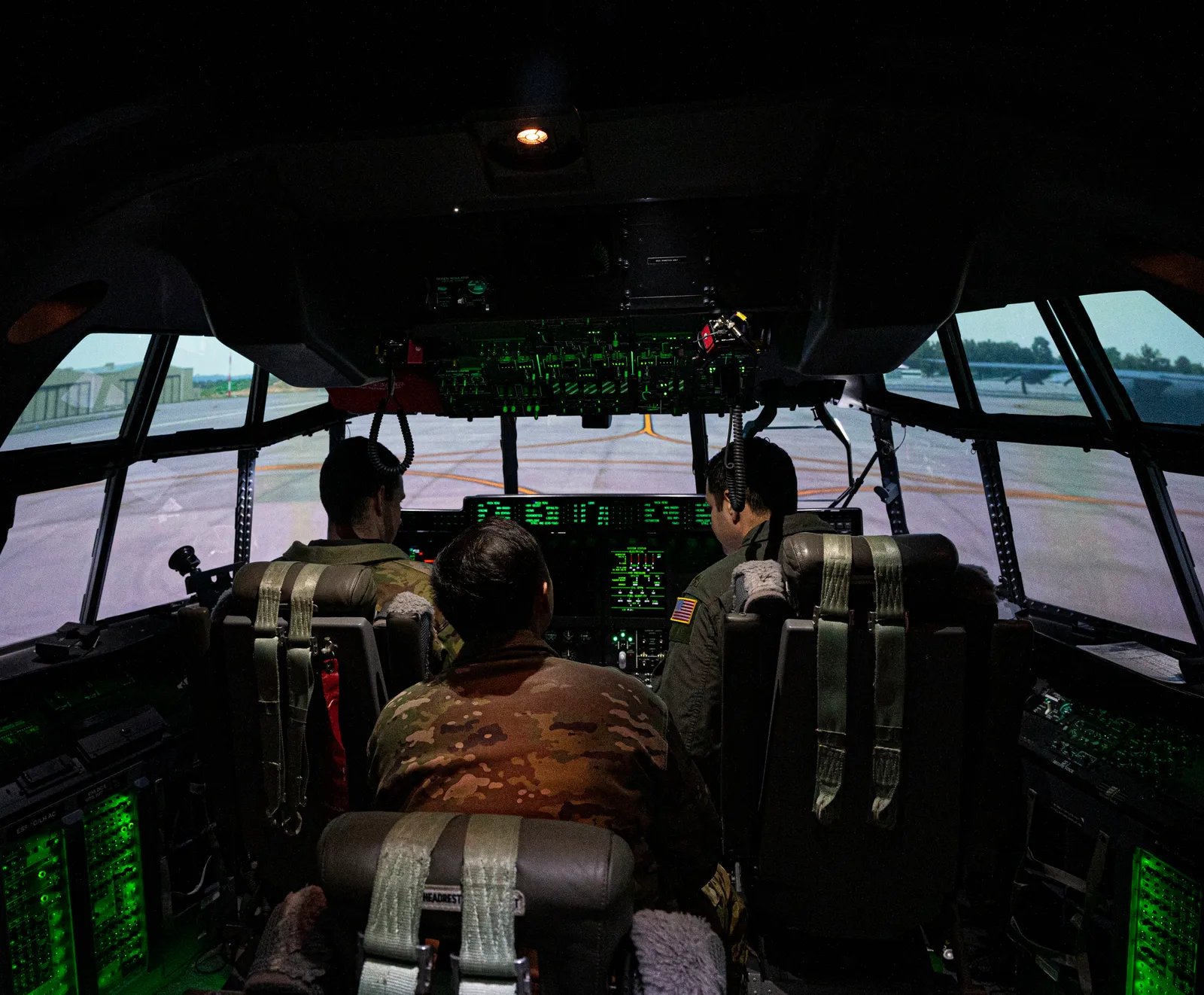
Every emergency on this list shares one quality: it demands a response faster than deliberate thought allows. That is precisely why simulator repetition matters so much. Scenario-based training, the approach endorsed by the FAA Industry Training Standards, emphasizes the development of critical thinking and flight management skills rather than solely maneuver-based skills, with the goal of accelerating the acquisition of higher-level decision-making abilities.
Real-world incidents have pointed to the conclusion that simulator-trained pilots often perform better than those solely trained in actual aircraft when emergencies arise, highlighting the growing recognition of the simulator’s ability to prepare pilots for complex, high-stakes decision-making. The drills covered here are not arbitrary. They reflect decades of accident investigation, regulatory evolution, and the quiet expertise of instructors who have watched, corrected, and refined these responses thousands of times. The simulator doesn’t just prepare pilots for emergencies; it gradually makes the unlikely feel familiar enough to survive.
AI Disclaimer: This article was created with the assistance of AI tools and reviewed by a human editor.