
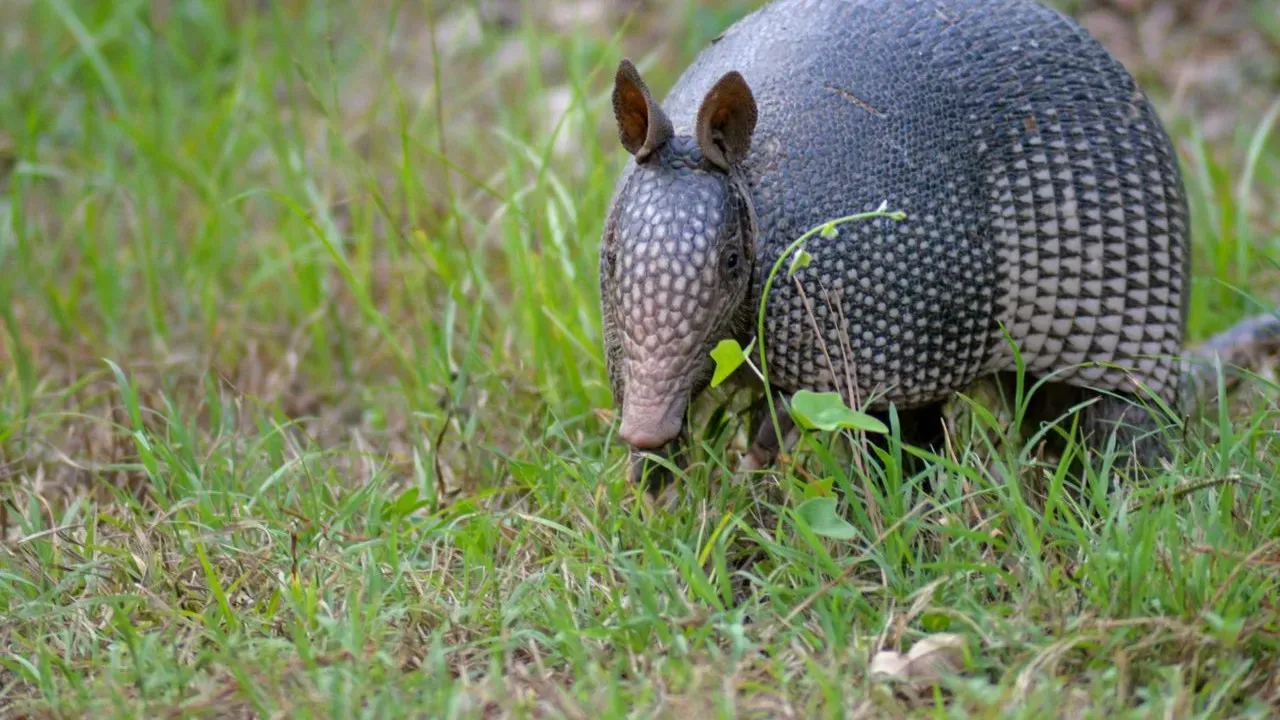

Florida’s sandy roadsides and pine flatwoods often reveal the distinctive shape of an armadillo foraging at dusk. These armored mammals have long been part of the state’s natural landscape, yet recent health findings have prompted experts to remind residents and visitors alike of a simple precaution: observe, but do not handle, the animals. The connection between armadillos and Hansen’s disease, also known as leprosy, stems from the fact that the nine-banded armadillo can carry the bacteria responsible for the illness. While the overall number of human cases remains low across the United States, health authorities have noted a gradual increase in certain southern states, including Florida. The precise pathways of transmission are still under study, yet the presence of the bacteria in armadillo populations has led wildlife and medical specialists to recommend keeping a respectful distance.
The Quiet Presence of Armadillos in Florida
Armadillos first expanded into Florida decades ago and have since become a familiar sight in suburban yards, state parks, and rural edges. Their nocturnal habits and armored shells make them easy to spot when they cross paths with hikers or drivers. For travelers exploring the state’s natural areas, these encounters can feel like a small window into local ecology. The animals play a modest role in controlling insects and aerating soil. Their presence signals a functioning ecosystem rather than any immediate threat. Still, the documented link to Hansen’s disease means that any close contact, such as attempting to feed or capture an individual, carries an unnecessary risk that public-health guidance now seeks to minimize.
What the Latest Findings Suggest
Medical researchers have identified armadillos as one of the few known animal reservoirs for the leprosy bacterium in the Americas. In Florida, the overlap between armadillo range and occasional human cases has drawn renewed attention from state health officials. The disease itself is treatable with antibiotics when detected early, and person-to-person transmission is uncommon in modern settings. Travelers should understand that the risk to the general public remains very small. Most people who encounter an armadillo never develop symptoms. The advisory centers on avoiding direct handling or consumption of the animals, practices that have historically been linked to the few documented zoonotic cases. This measured approach allows visitors to enjoy Florida’s outdoors without undue concern.
Practical Steps for Responsible Encounters
Simple habits help keep both people and wildlife safe during a Florida trip. – Maintain at least several yards of separation when an armadillo appears along a trail or roadside. – Never attempt to touch, feed, or relocate the animal, even if it seems approachable. – Supervise children and pets closely in areas where armadillos are active. – Report any unusually bold or sick-looking animals to park rangers or local wildlife officials rather than intervening directly. – Continue standard hygiene practices after any outdoor activity, such as washing hands before meals. These steps align with broader principles of ethical wildlife viewing that apply across Florida’s diverse habitats.
Traveling With Awareness and Respect
Florida’s appeal lies in its rich mix of beaches, wetlands, and forests, all of which support a variety of native species. Armadillos represent just one thread in that tapestry. By treating every encounter as an opportunity for quiet observation rather than interaction, visitors contribute to the long-term health of both the animals and the communities that share the landscape. Health experts emphasize that awareness, not avoidance, is the key message. Travelers who plan hikes, camping trips, or drives through rural counties can still experience the state’s natural beauty fully while following straightforward guidance. The result is a more mindful form of exploration that honors the delicate balance between people and the wildlife they meet along the way. In the end, the armadillo’s quiet passage through Florida’s undergrowth serves as a gentle reminder: the most rewarding wildlife moments often come from simply watching and leaving no trace behind.
AI Disclaimer: This article was created with the assistance of AI tools and reviewed by a human editor.