
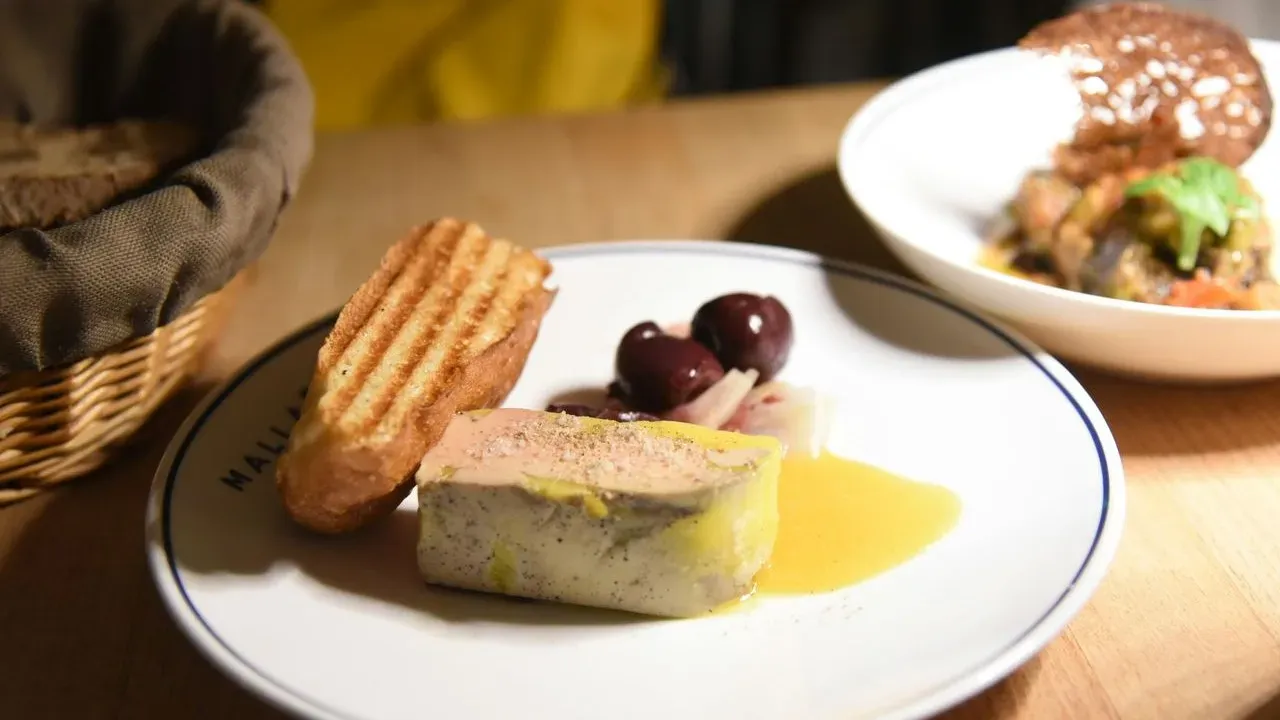

Washington, DC and Denver voters will decide this November whether restaurants and grocery stores in their cities can continue offering foie gras. The ballot measures focus on a luxury item with deep roots in fine dining, and the outcome could quietly reshape menus for both residents and visitors. The question touches on culinary tradition, local food policy, and the choices travelers encounter when exploring these cities’ dining scenes. ([1])
A Culinary Tradition Under Local Review
Foie gras, French for “fatty liver,” has long held a place on upscale menus in the United States and abroad. It is produced through a process that involves force-feeding ducks during the final weeks of their lives, resulting in the rich, buttery texture prized by chefs. In both Washington, DC and Denver, the November votes would determine whether this item remains available for purchase at restaurants and stores.
Travelers often seek out distinctive dishes when visiting a city, and foie gras has appeared on tasting menus and special-occasion tables for generations. The ballot questions give local communities a direct say in what stays on those tables. For visitors planning trips around food experiences, the results could influence the range of options they find in the coming year.
Why These Cities, Why Now
Washington, DC stands out for its concentration of restaurants that have featured foie gras, making the local vote particularly relevant to its dining landscape. Denver’s measure adds another major city to the conversation, reflecting how food policy questions are surfacing in places known for both established culinary scenes and growing visitor interest. The timing in November places the decisions alongside other local ballot items that often draw attention from residents and observers alike.
Both cities attract travelers drawn to their mix of historic dining rooms, innovative kitchens, and seasonal menus. A change in availability would affect a small but visible corner of those experiences rather than the broader food culture that defines each destination. Chefs and restaurant owners in these markets have long balanced tradition with evolving diner preferences.
What Diners Might Notice
If the measures pass, menus in affected establishments could shift toward other premium proteins or creative preparations that highlight local ingredients. Many kitchens already emphasize seasonal produce, heritage breeds, and thoughtful sourcing, giving chefs room to adapt while maintaining the sense of occasion that draws visitors. The change would apply to sales within city limits, leaving room for the wider regional dining scene to continue offering its own range of choices.
Travelers who enjoy exploring tasting menus or special-occasion dining often appreciate the stories behind each dish. In the event of a ban, conversations with servers or chefs might turn toward alternative preparations that still deliver richness and depth. The focus remains on the overall hospitality and creativity that make Washington, DC and Denver compelling places to visit for food.
Looking Ahead for Visitors
Local elections on specific food items illustrate how communities shape the experiences available to both residents and guests. For those planning trips to these cities, the November outcomes offer a timely reminder to check current menus and perhaps engage directly with restaurants about their sourcing and offerings. The decisions reflect ongoing conversations about culinary heritage and local values without diminishing the many other reasons these destinations draw travelers year-round.
Ultimately, the votes highlight the role of diners in supporting the kinds of establishments and traditions they value most. Whether foie gras remains on local tables or not, the dining cultures of Washington, DC and Denver continue to evolve in ways that reward thoughtful exploration and respect for the people who create memorable meals.
AI Disclaimer: This article was created with the assistance of AI tools and reviewed by a human editor.