
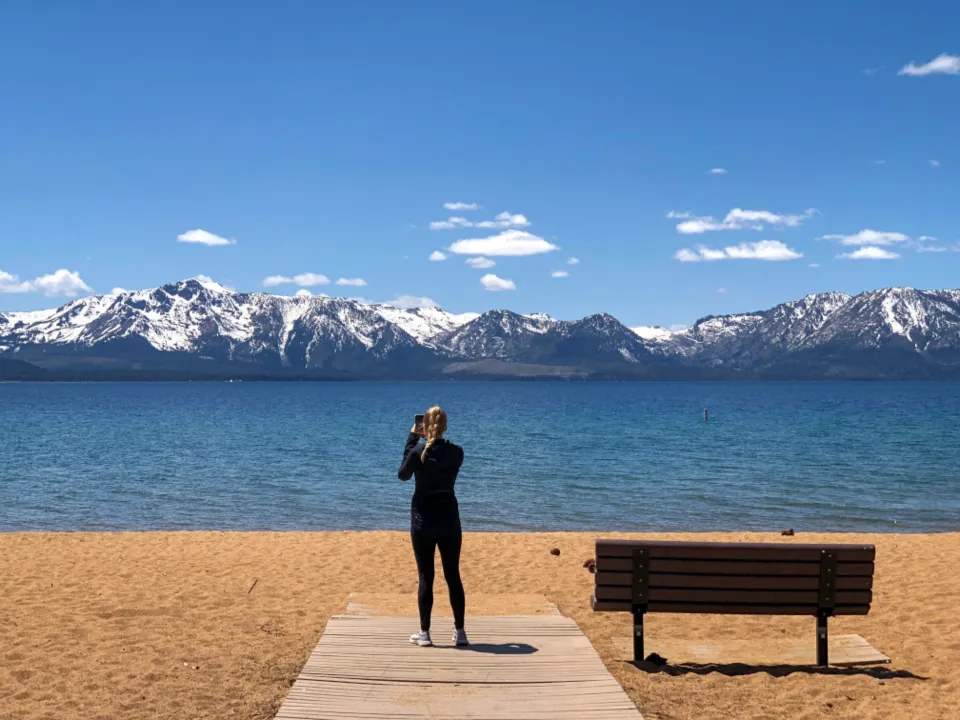

There’s a moment, usually sometime around midsummer, when the dream of a perfect Nevada lake getaway collides hard with reality at Lake Tahoe. Traffic crawling for miles. Parking lots full by 9 a.m. A beach towel barely fitting between strangers. The beauty is still there, no question. It’s just buried under a crowd problem that keeps getting worse every year.
About 40 miles northeast of Reno, a completely different lake is waiting. Pyramid Lake sits in a high desert basin on the Pyramid Lake Paiute Reservation, ancient and startlingly beautiful, still largely overlooked by the mainstream travel crowd. It rewards the traveler willing to look just a little further than the obvious choice.
Lake Tahoe’s Crowd Problem Is Getting Worse, Not Better
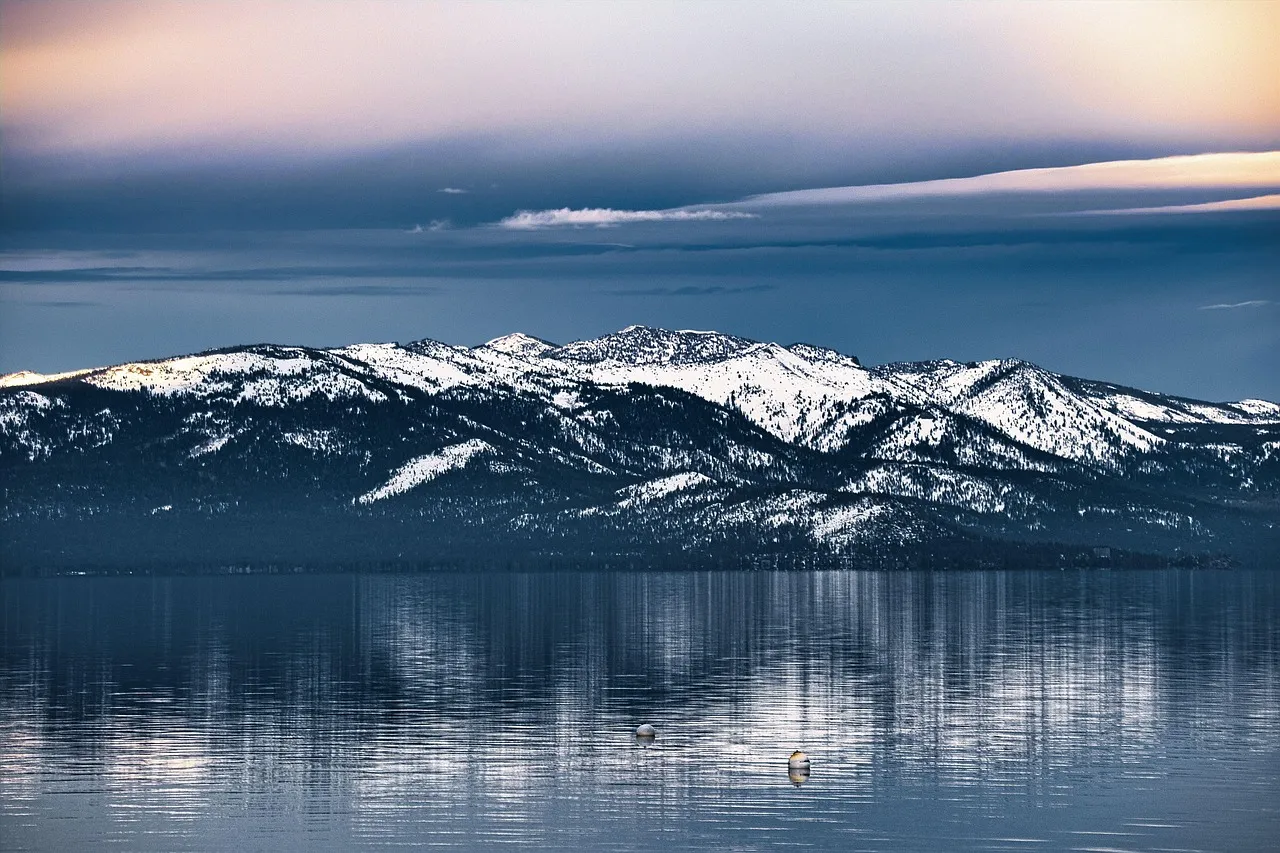
Lake Tahoe is surrounded by State Route 28, which is snarled, especially in summer, by a mix of traffic from 55,000 residents and some 25 million visitors a year, according to studies commissioned by the Tahoe Regional Planning Agency. That’s not a quirk of one bad holiday weekend. It’s the baseline.
Anyone planning a summer trip to Lake Tahoe is being warned to watch where they park, as fines for illegal parking are climbing sharply. Officials say parking fees near Kings Beach can reach up to $40 a day during peak periods, and drivers who park illegally could face penalties as steep as $450.
In 2024, average water clarity at Tahoe was down to 62.3 feet, according to the Tahoe Environmental Research Center at the University of California at Davis. The lake is still gorgeous, but the infrastructure pressure is real and measurable. Pyramid Lake offers a fundamentally different kind of experience.
What Pyramid Lake Actually Is
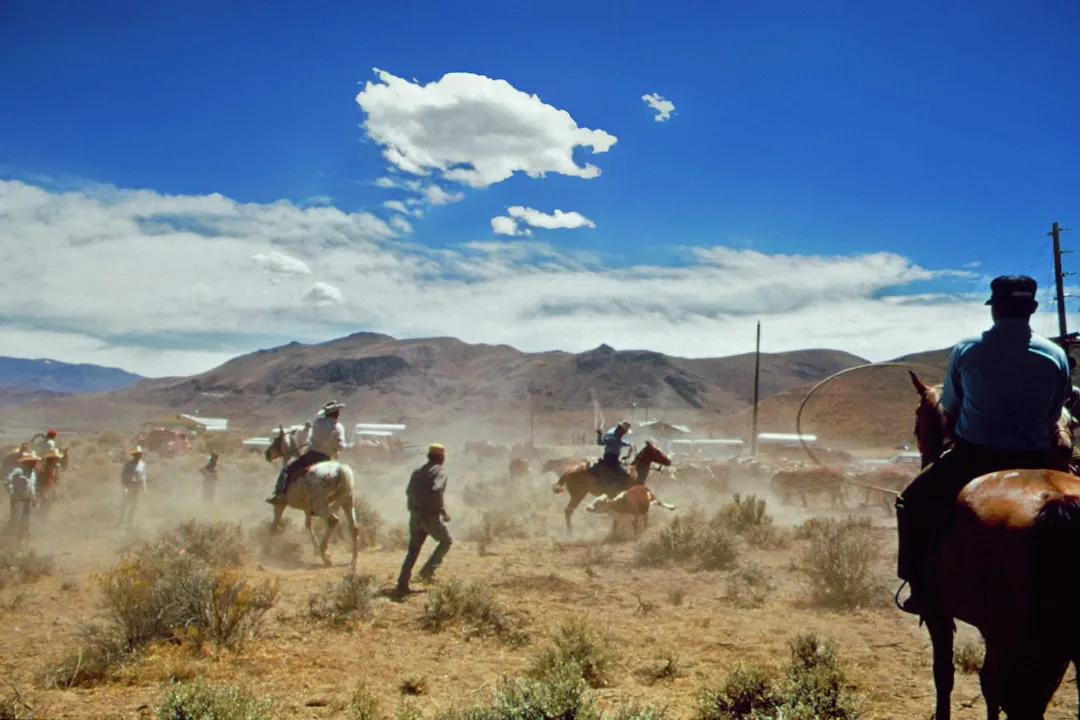
Pyramid Lake covers 125,000 acres, making it one of the largest natural lakes in the state of Nevada. It is also the biggest remnant of ancient Lake Lahontan, the colossal inland sea that once covered most of Nevada.
Spanning approximately 125 square miles, this ancient lake is one of the largest in the western United States, reaching depths of over 350 feet. Despite its size, it remains remarkably uncrowded and visually stunning in ways that are genuinely hard to describe until you’ve seen it in person.
The scenery is spectacular, and the color of Pyramid Lake changes from shades of blue or gray depending on the skies above. The lake is also surrounded by unusual rock formations, including the Stone Mother. That shifting color, deep blues melting into steel grays as clouds move overhead, gives the place an almost cinematic quality.
It Got Its Name From an Explorer in 1844
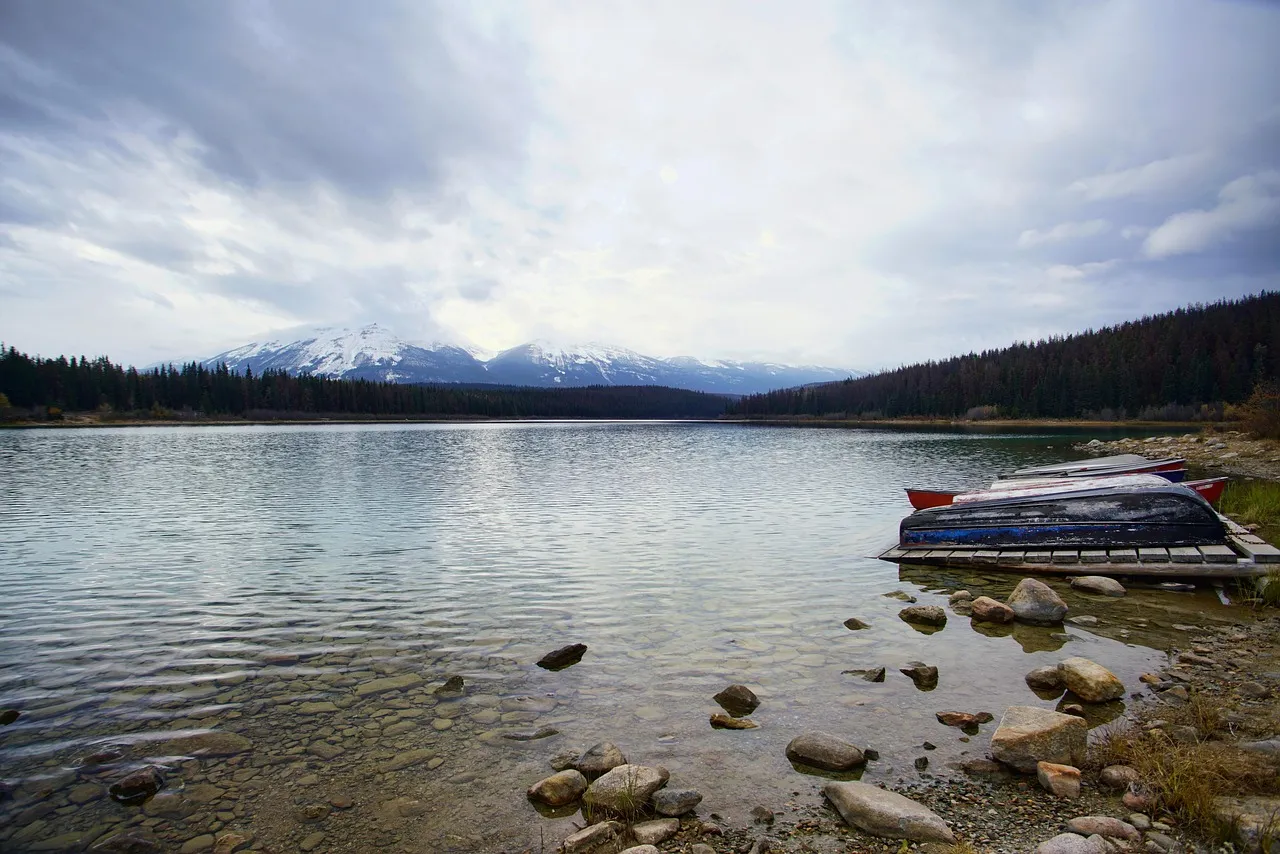
The first non-indigenous person to discover the area was explorer John C. Frémont, who in 1844 named Pyramid Lake after a rock formation rising from the lake that looks like an Egyptian pyramid. The name has stuck for nearly two centuries, and the formation itself is still one of the most photographed features of the Nevada desert.
In the Northern Paiute language it is called Kooyooe Panunadu after the cui-ui fish, which helped sustain the populations around the lake. A major band of Northern Paiute people whose ancestors lived around the lake call themselves the Kooyooe Tukadu, meaning “cui-ui eaters.”
This vast, beautiful desert lake is one of the last remnants of ancient Lake Lahontan, which millions of years ago covered most of northwestern Nevada. Human inhabitants have resided at Pyramid Lake for more than 4,000 years, and the tribe has lived successfully in the area for the past 600 years.
The Fishing Is Genuinely World-Class
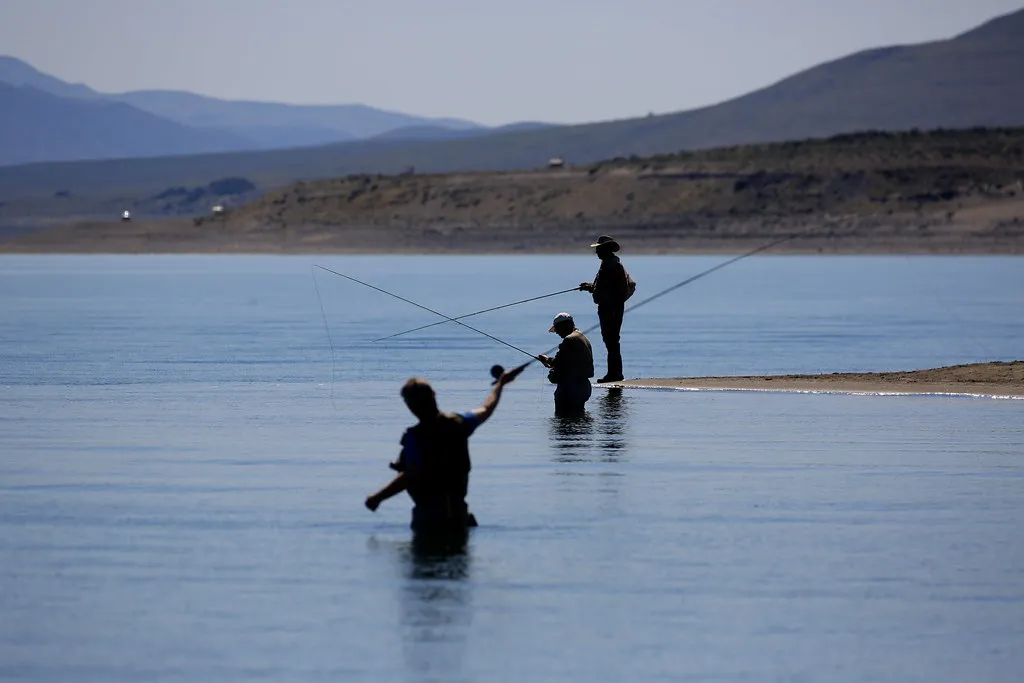
Pyramid Lake is a world-class fishery best known for populations of massive Pleistocene Epoch Lahontan cutthroat trout. The world record Lahontan cutthroat was caught here: a 41-pound, 1-ounce fish. That record was set in 1925 and still stands today.
Compared to riverine Lahontan cutthroats which rarely reach over 5 pounds, Pyramid Lake Lahontans routinely weigh more than 20 pounds. Lahontan cutthroat trout in Pyramid Lake may reach over 4 feet in length and 40 pounds. These aren’t exaggerated fish stories. They’re the documented reality of a truly exceptional lake ecosystem.
Float tubes, boats, and fly casting from shore are all fair game at Pyramid Lake, but hooking one of these enormous fish sometimes requires famously unorthodox methods. Some anglers stand on submerged ladders to get far enough away from shore to cast into the lakebed’s deep drop-off. You can also hire an authorized fishing guide or boat charter. The ladder fishing tradition has become an iconic image of the lake, something you won’t find anywhere else.
The Ancient Fish That Exists Nowhere Else on Earth
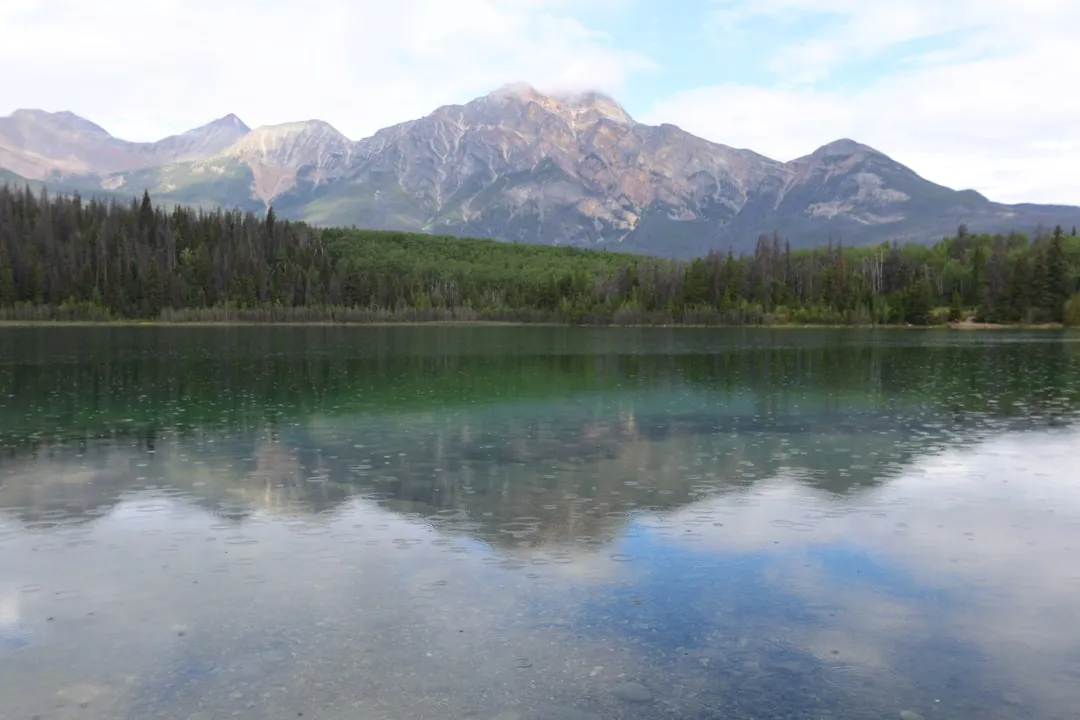
Pyramid Lake is the only habitat in the world for the cui-ui fish, which has been around for over 2 million years. That single fact is remarkable enough to deserve a moment’s pause. A fish species that predates human civilization by an almost incomprehensible margin lives here and only here.
The Cui-ui sucker, the oldest fish species in the Lahontan Basin, is endemic to Pyramid Lake and the lower Truckee River. Once prehistorically prolific throughout the Lahontan Basin, this endangered fish was a very important food source for the Paiute people and remains a key focus of habitat and spawning-ground restoration.
The Lahontan cutthroat trout, once thought extinct in Pyramid Lake due to overfishing and habitat degradation, has made a remarkable comeback thanks to intensive conservation efforts by the Pyramid Lake Paiute Tribe. The recovery story is one of the more compelling conservation successes in the American West.
Anaho Island: One of North America’s Great Wildlife Spectacles
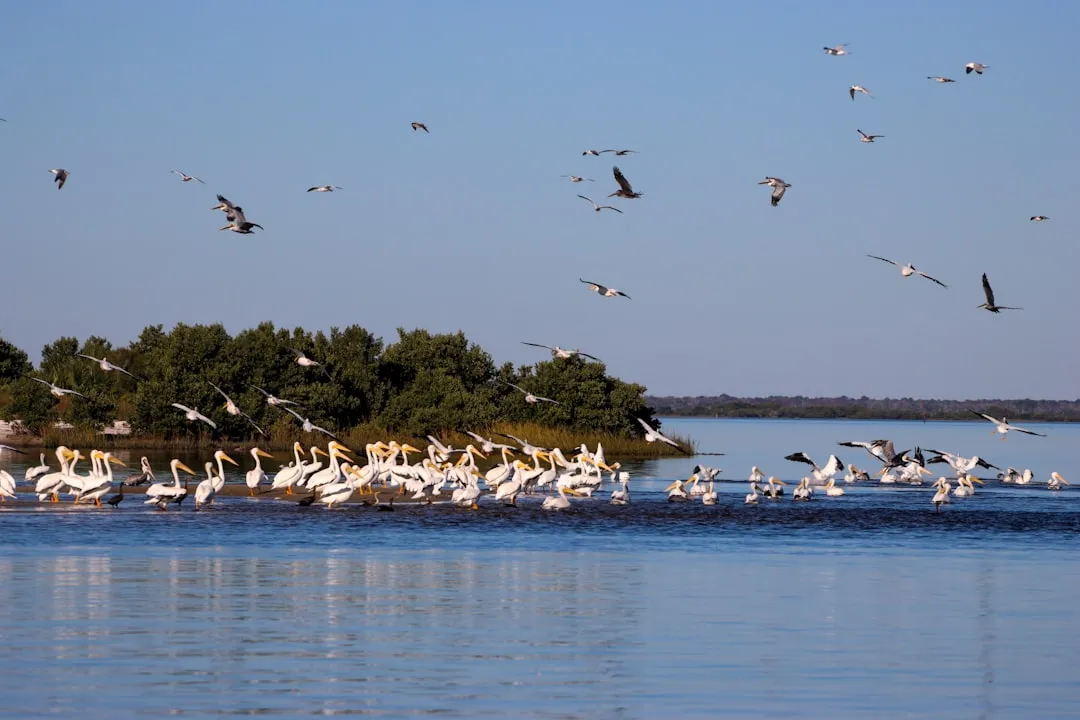
Anaho Island is an island within the ancient Pyramid Lake, protected by both the Pyramid Lake Paiute Tribe and the United States Fish and Wildlife Service. Part of their sacred lands for thousands of years, this natural habitat sits undisturbed, continuing to serve as an idyllic natural breeding ground for the American White Pelican.
Anaho Island is a wildlife refuge where thousands of white pelicans nest each year after flying from Southern and Baja California. President Woodrow Wilson established the refuge in 1913 as a sanctuary for colonial nesting birds. Over a century of protection has made this one of the most significant bird sanctuaries in the country.
Plan to see pelicans just about any time of year at Pyramid Lake, though their yearly journey begins when colonial nesting birds return to the island in late February and early March. By April and May, the maximum number of American White Pelicans, Double-crested Cormorants, California Gulls, and Great Blue Herons have arrived and can be seen all around Pyramid Lake. Birders who make the trip in spring are often genuinely overwhelmed by what they find.
Tufa Formations That Look Like Another Planet
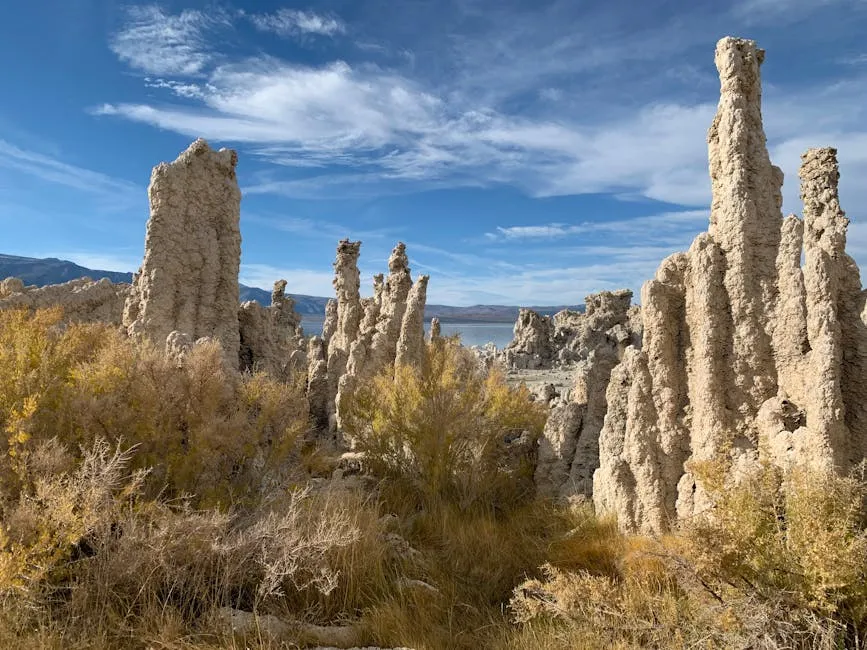
The lake is known for its unique geological formations, including tufa towers, which are limestone structures formed by the precipitation of calcium carbonate. These striking formations can be seen along the lake’s shoreline and contribute to its stunning landscape.
The lake’s shores are dotted with many interesting tufa formations. The pyramid itself is made of this pitted stone that is formed when natural springs filled with calcium mineral water leak into salty, carbonate water. A chemical bonding occurs, which results in the creation of a limestone-like substance known as tufa.
The visual contrast, vast blue water ringed by pale rock formations set against a high desert backdrop, produces a landscape that looks genuinely unlike anything else in the American West. Photographers plan dedicated trips here for good reason.
It’s Sovereign Tribal Land With Its Own Set of Rules
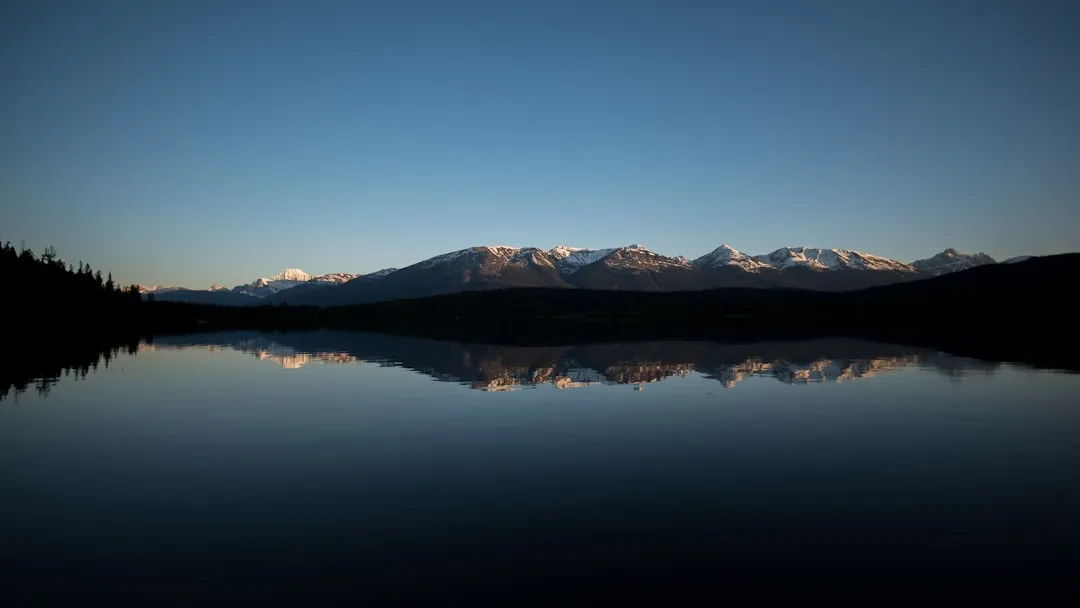
Pyramid Lake and the surrounding reservation lands are owned and governed by the Pyramid Lake Paiute Tribe. It is sovereign tribal land, not federal or state land, which is why tribal permits and regulations apply. This is worth understanding before you visit. The experience is shaped by the tribe’s stewardship, and that’s a feature, not a complication.
Visitors who wish to swim or camp around Pyramid Lake must purchase a valid tribal permit. Permits may be purchased online at PyramidLake.us/permits, or at the Ranger Station in Sutcliffe, NV. Day permits are straightforward to obtain and prices are modest compared to what you’d spend at Tahoe just to park.
The Pyramid Lake Paiute Tribe owns and manages Pyramid Lake. At the Pyramid Lake Paiute Tribe Museum and Visitors Center, visitors can learn why the lake and its surrounding landscape continues to be sacred. Taking an hour or two there before heading to the shore genuinely changes how you see the place.
The Drive From Reno Is Surprisingly Easy
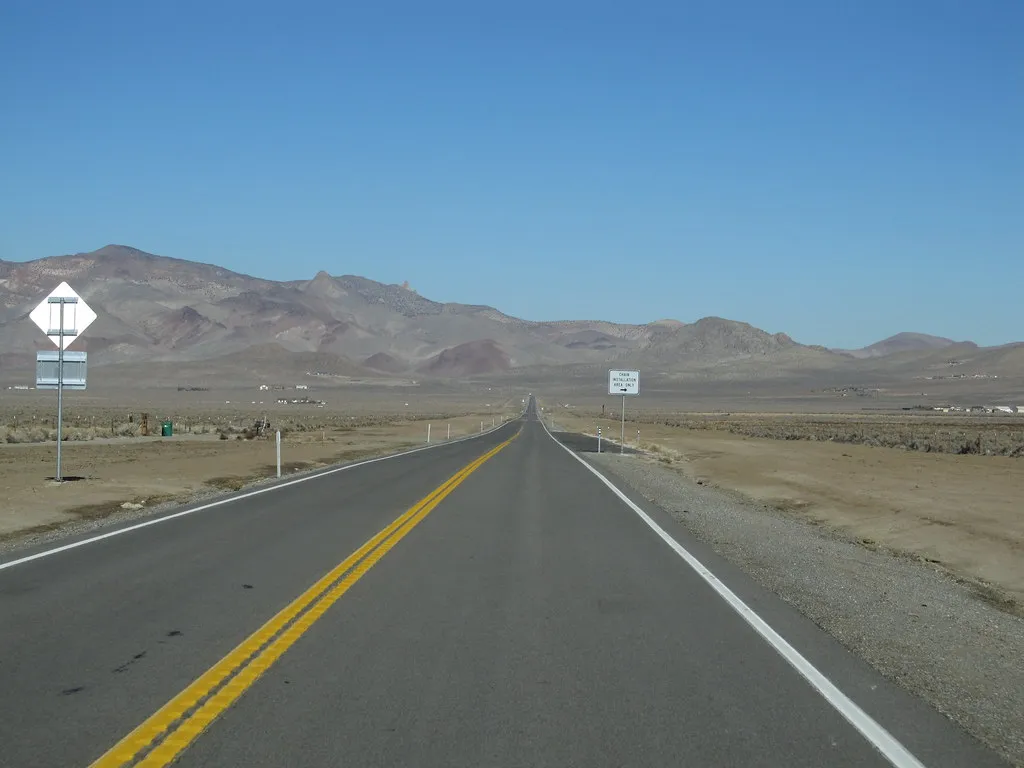
Pyramid Lake is easily accessible from Reno, Nevada, located about 30 to 45 minutes away by car. The drive offers stunning views of the Sierra Nevada mountains and the surrounding desert landscape. That’s a shorter drive than many Tahoe-bound visitors spend just sitting in traffic approaching the lake.
The road skirting Pyramid Lake was one of the first national scenic byways to be designated, and it was the first scenic byway to lie entirely within an American Indian reservation. The byway itself is part of the experience, a long, quiet approach through the Nevada high desert that gradually reveals one of the most unexpected landscapes in the region.
The scenic byway is paved, but many roads to recreation sites are not, especially those north of Sutcliffe. If enjoying the lake via small watercraft, check the weather forecast for wind to avoid strong gusts and sizeable waves. When exploring this rugged terrain, travel prepared with a spare tire, paper map, and a trusted travel buddy. It’s not a destination that coddles you, and that’s precisely the point.
What Smart Travelers Know That Crowds Don’t

From some of the most legendary trophy fishing in the West to unmatched birdwatching, boating, and camping, Pyramid Lake beckons the outdoorsman in all of us to experience this northwestern Nevada jewel. The difference is that it does this without the infrastructure overload that has come to define a Tahoe summer weekend.
In addition to excellent fishing at Pyramid Lake, other outdoor activities include kayaking, stand-up paddleboarding, mountain biking, and hiking. The recreation menu is wide, and the experience of doing any of it here carries a sense of space and quiet that is simply unavailable at more famous destinations right now.
Pyramid Lake won’t replace Tahoe for everyone. It doesn’t try to. There are no casino hotels, no gondolas, no après-ski lodges. What it offers instead is scale, silence, geological drama, and the specific pleasure of a place that doesn’t feel like it’s been fully discovered yet. For travelers who’ve started to find the Tahoe experience more exhausting than restorative, that’s a rare thing worth driving 40 miles for.
AI Disclaimer: This article was created with the assistance of AI tools and reviewed by a human editor.