
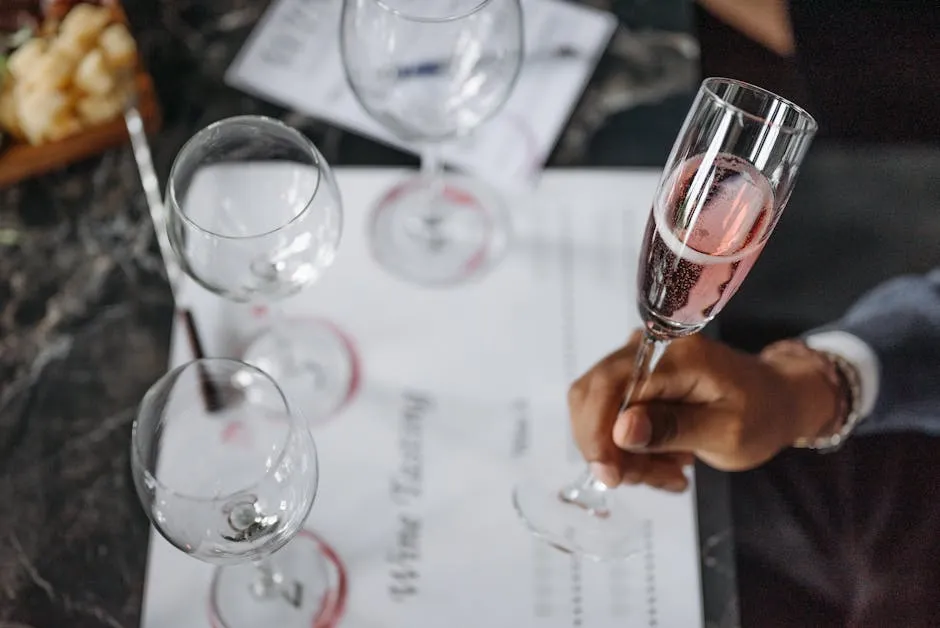

Napa Valley deserves its reputation. There is no argument there. Gorgeous estates, world-class Cabernet, and a decades-long legacy of winemaking prestige make it one of the most recognized wine destinations on the planet. The issue isn’t quality. It’s cost, crowds, and a creeping sense that the experience has been packaged and priced for a very specific kind of traveler.
Oregon’s Willamette Valley has been quietly building a case for itself as the more honest, more beautiful, and frankly more fun alternative. The Willamette Valley, Oregon’s oldest wine region, is home to more than 700 wineries and is recognized as one of the premier winegrowing regions in the world. The scenery alone makes the drive worth it. The prices make it a revelation.
The Cost Gap Is Real and It’s Significant
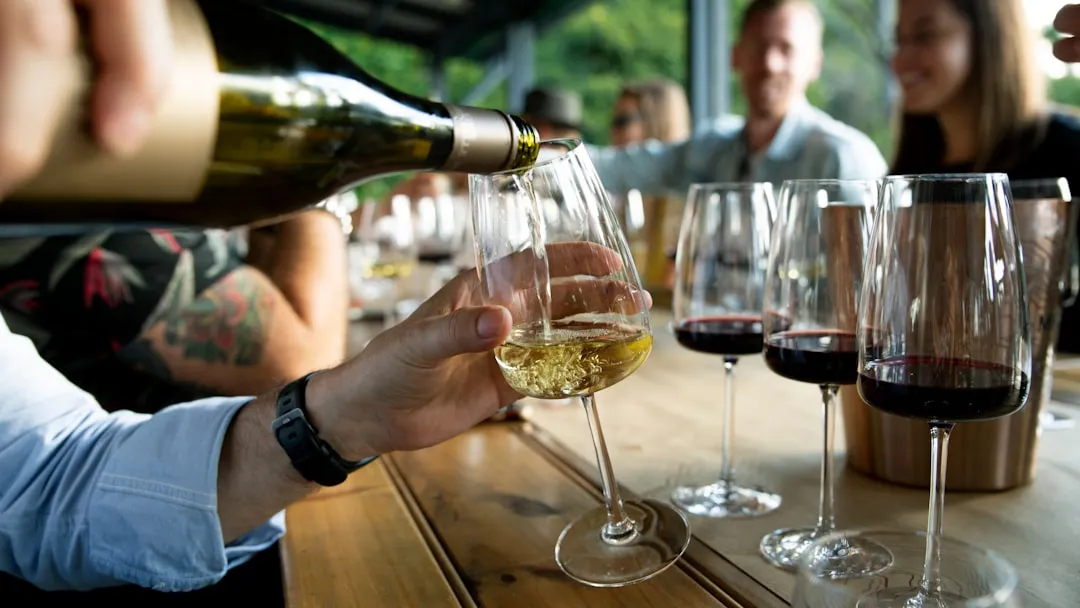
Anyone who has visited Napa recently knows what tasting fees feel like now. According to the Silicon Valley Bank Direct to Consumer Wine Survey, the average tasting room fee in Napa is $128 for a reserve tasting and $81 for a standard tasting, while the average suggested retail price of a bottle of Napa wine sits at $108. Those numbers are not typos.
They position Napa as far more expensive to visit and to drink than any other wine region in the USA, and probably in the rest of the world too. For context, tasting fees in the Willamette Valley typically fall between $10 and $50 per person, depending on the winery and the type of tasting experience you choose.
Average tasting fees across the valley run approximately $25 to $35 per tasting, which means you can visit two or three Willamette wineries for roughly what one standard pour costs in Napa. That math changes a trip entirely.
The Reservation-Free Freedom Factor
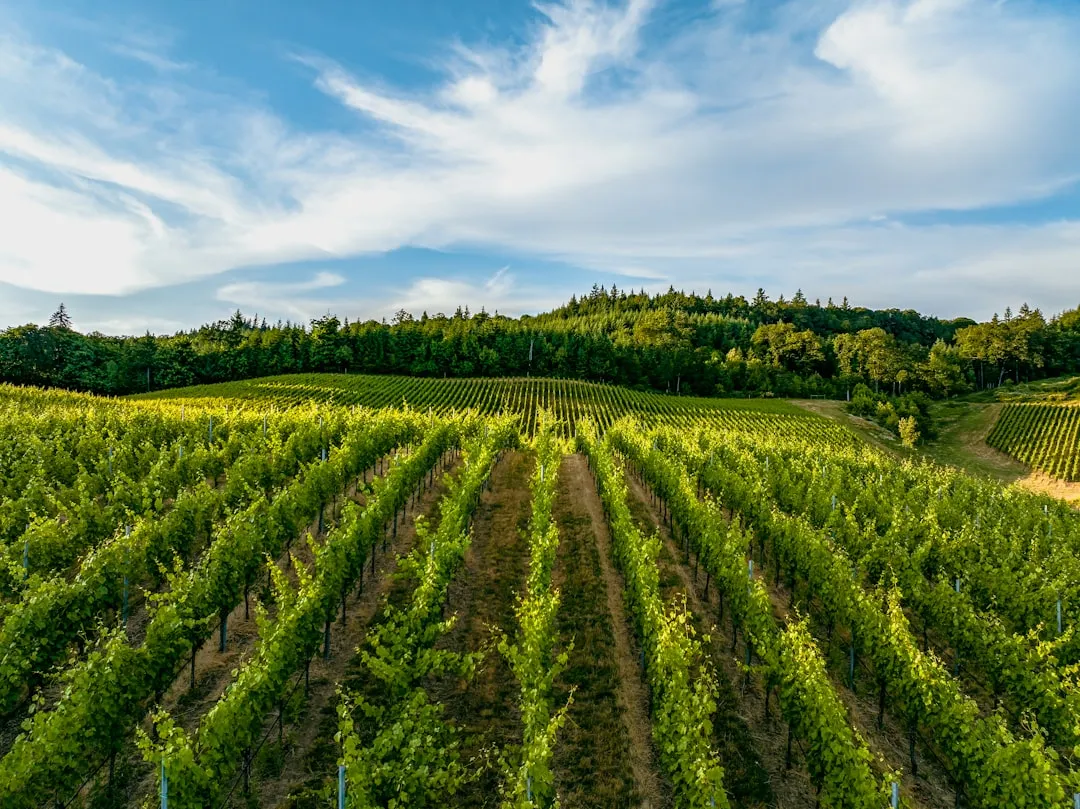
One of the quiet frustrations of visiting Napa is the booking logistics. Over 60% of wineries in Napa do not accept walk-in visits; you have to pre-book. Planning a spontaneous extra stop or lingering longer at a winery you love isn’t really an option when every experience is locked into a calendar slot.
The Willamette Valley still runs on a more relaxed model. Many favorite spots in the valley are low-profile tasting rooms in converted spaces, and the wines are at least as good as the big names, with the winemaker often present in the tasting room when you visit. That kind of access is genuinely rare in today’s wine tourism landscape.
Many wineries in the Willamette Valley also have a policy of waiving the tasting fees entirely if you decide to purchase a certain number of bottles. The whole experience feels designed for actual wine lovers rather than experience consumers.
The Scenery That Stops You Mid-Sentence
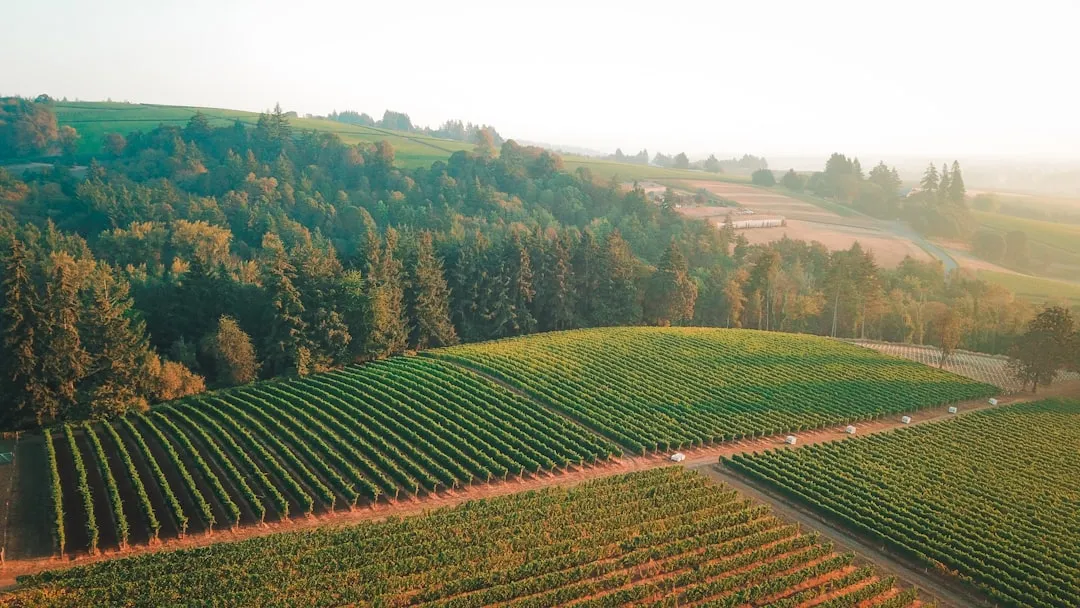
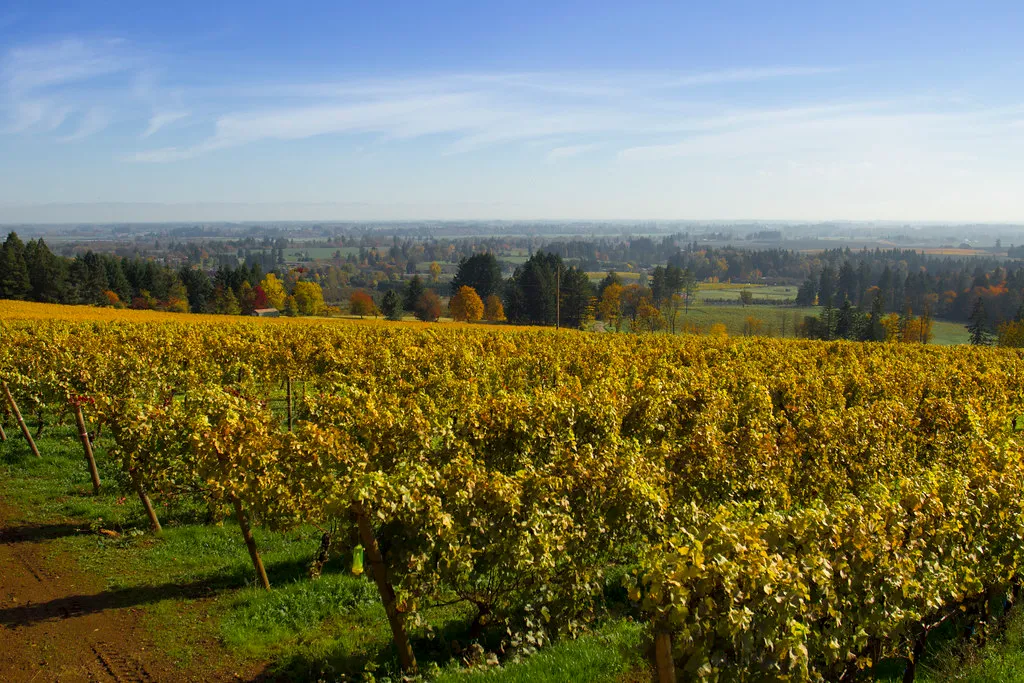
The Willamette Valley is an incredibly beautiful area, with rolling hills, mysterious forests, and majestic volcanoes. Driving the vineyard roads between Dundee and McMinnville on a clear morning, with fog still sitting in the valleys below and the Cascade Mountains visible to the east, is genuinely hard to describe without sounding like you’re overselling it.
The Cascade and Oregon Coast Ranges frame the Willamette Valley, creating a picturesque backdrop for its renowned vineyards. Many wineries sit on elevated hillsides, and sweeping views of the Cascade Mountain Range as well as stunning rolling hill vineyard vistas come standard at many stops throughout the valley.
On a high peak in the Chehalem Mountains, Cho Wines’ light-filled tasting room with a large terrace overlooks the Wapato Lake Wildlife Refuge, where hikers are likely to spot black-tailed deer, bald eagles, red-tailed hawks, and migrating tundra swans. That’s the kind of view you don’t stumble onto in a more commercialized wine corridor.
The Pinot Noir That Started It All
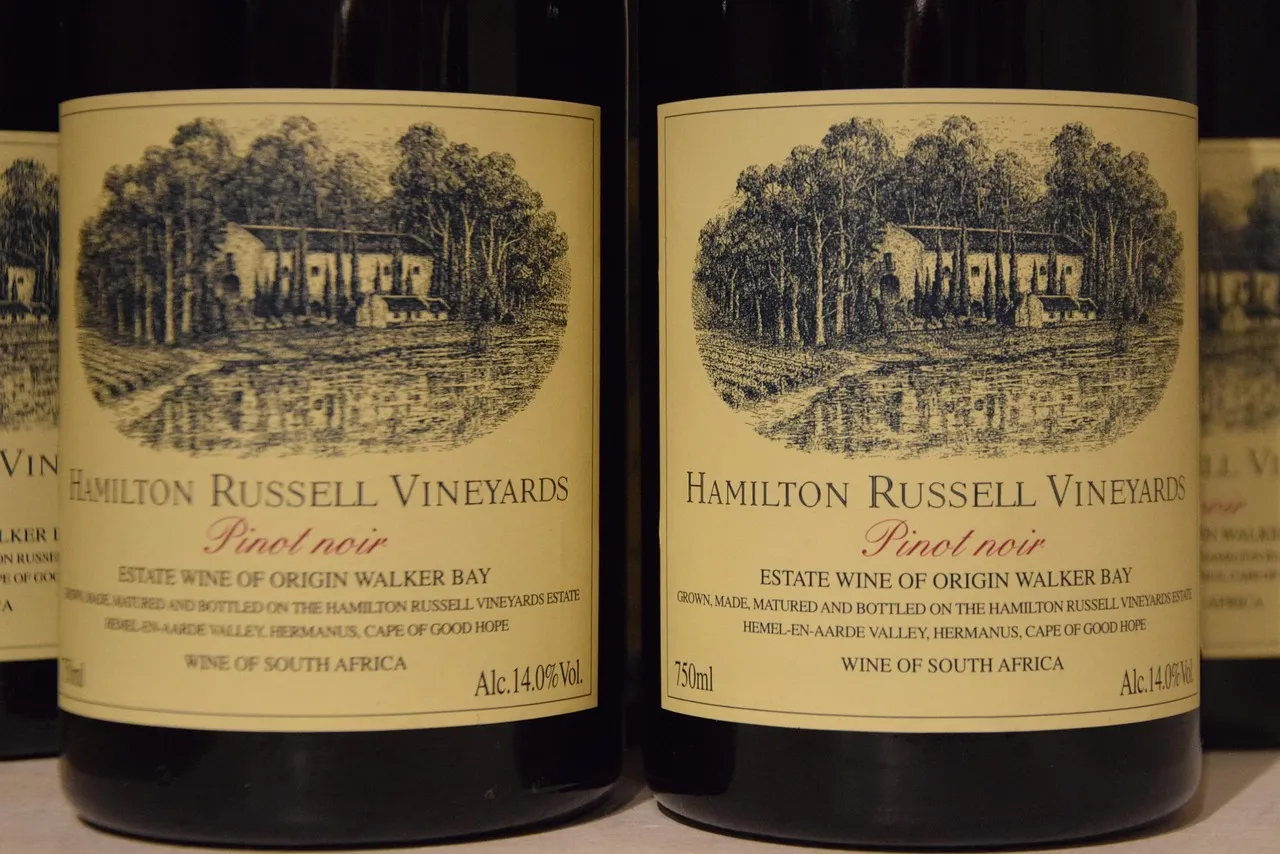
The 2024 Oregon Wine Board census counted 1,076 bonded wineries and 47,343 planted acres across Oregon’s wine country, with Pinot Noir alone accounting for roughly 60% of vineyard acreage. The variety didn’t become dominant here by accident. The climate was essentially designed for it.
The growing region is famously cool, with maritime air pushing in through the Van Duzer Corridor and long, mild summers that ripen Pinot Noir without the cooked-fruit character that warmer regions struggle to avoid. The result is a style of Pinot that is elegant rather than extracted, and genuinely different from anything California produces.
Great Oregon Pinot tastes of cranberry, cherry, and herbs with an underlying earthiness. It’s a signature style that wine professionals have taken increasingly seriously. The region is recognized as one of the premier Pinot Noir producing areas of the world, and the wine from this area is often likened to France’s Burgundy region.
The Soil Story Is More Interesting Than Most People Realize
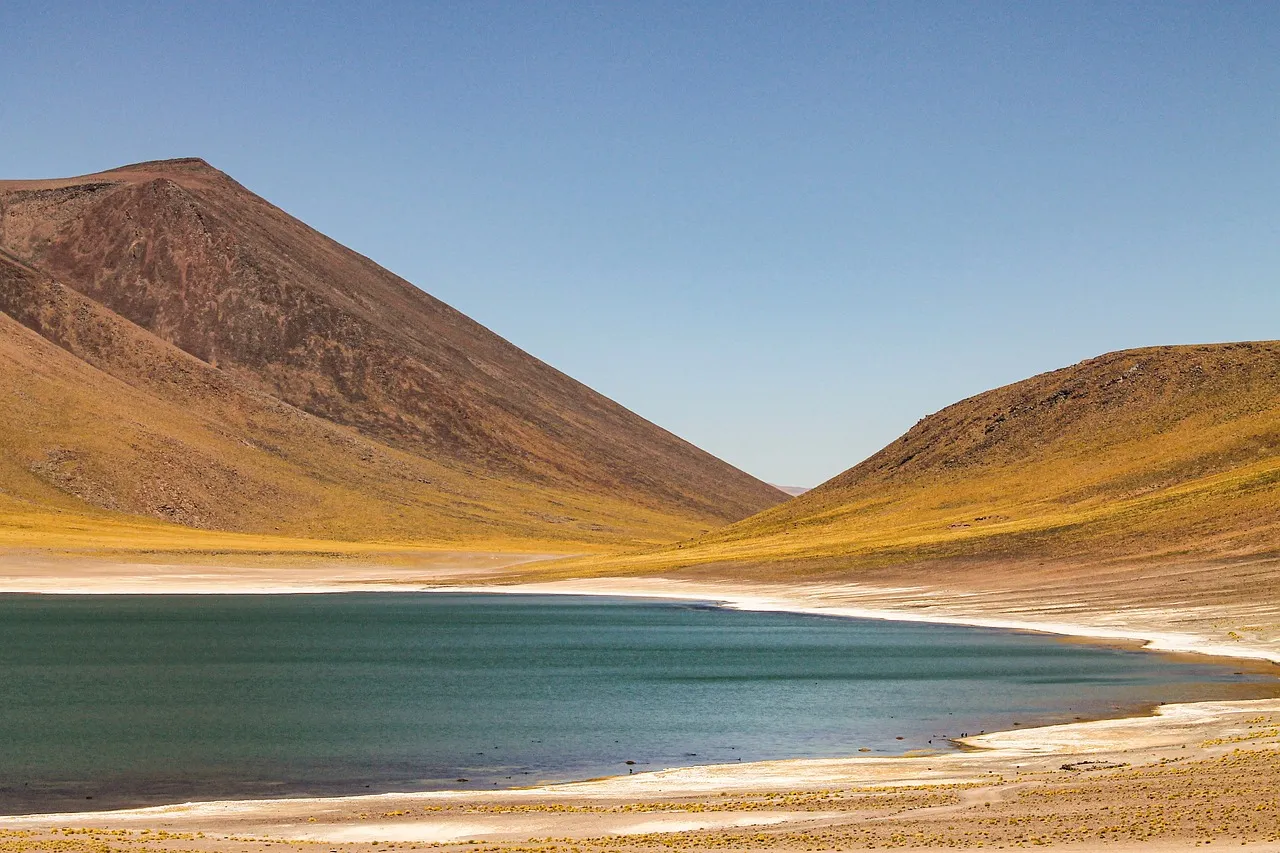
Three soil types dominate the premium hillsides of the Willamette Valley. Jory is a deep red volcanic clay weathered from basalt flows that produces dark-fruited, structured Pinot Noir. Willakenzie is marine sedimentary, lifted from an ancient seabed, and tends toward earthier, savorier wines.
Loess, also called Laurelwood, is windblown silt deposited over basalt during the Ice Age and creates an elegant, lifted style that’s become its own movement in the past decade. Few wine regions anywhere in the world can point to that much geological variety within a relatively compact growing area.
This layered terroir means that two bottles from vineyards just a few miles apart can taste strikingly different, which makes tasting through the valley an education as much as a pleasure. It’s the kind of complexity that wine lovers actively seek out, often flying to Burgundy to find it.
White Wines Deserve a Spot in This Conversation
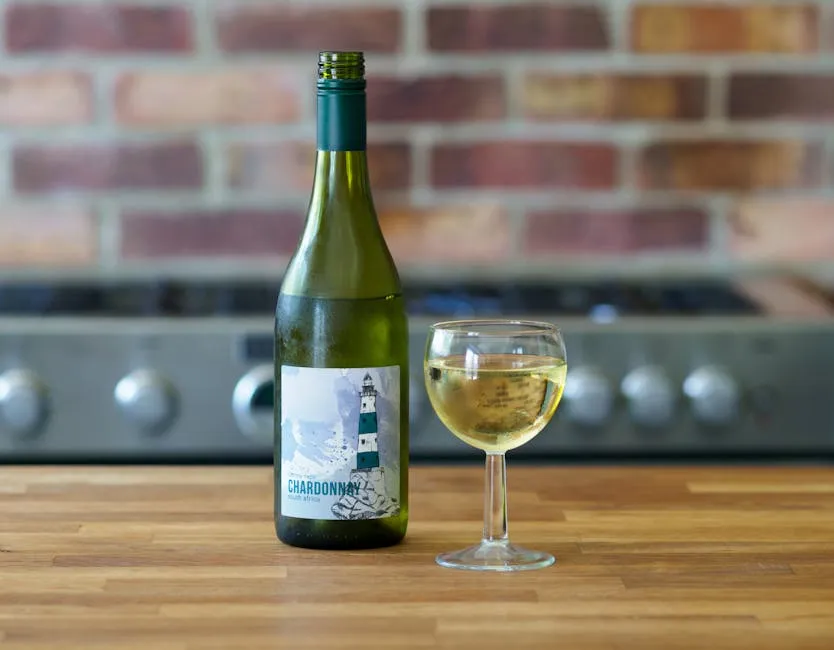
The conversation about Oregon wine tends to begin and end with Pinot Noir, which is understandable. Still, the whites being produced here are genuinely exciting and widely underappreciated. The white wines get less press but are just as worth trying. Willamette Valley Chardonnay tends to have crisp notes of apple and lemon with great minerality and a light hand with oak, while Pinot Gris shows ginger and pear with enough body to keep it interesting.
Lately, parallels are being drawn with Champagne. Bordered by the Pacific Coastal Range to the west, the Willamette Valley’s cool nights and warm summer days create the right conditions for wine with bright acidity, a key component of top-notch sparkling wines. All of Champagne’s noble varieties are represented and thriving in the valley, including Pinot Meunier and Pinot Blanc.
The sparkling wine movement here is still young but growing quickly. Relatively new producers like Goodfellow Family Cellars, which has been producing still wines for over two decades, only disgorged its first traditional method sparkling wines in April of 2024. The window to discover these producers before they become famous is still open, though it won’t be forever.
The Region Has Eleven Sub-AVAs to Explore
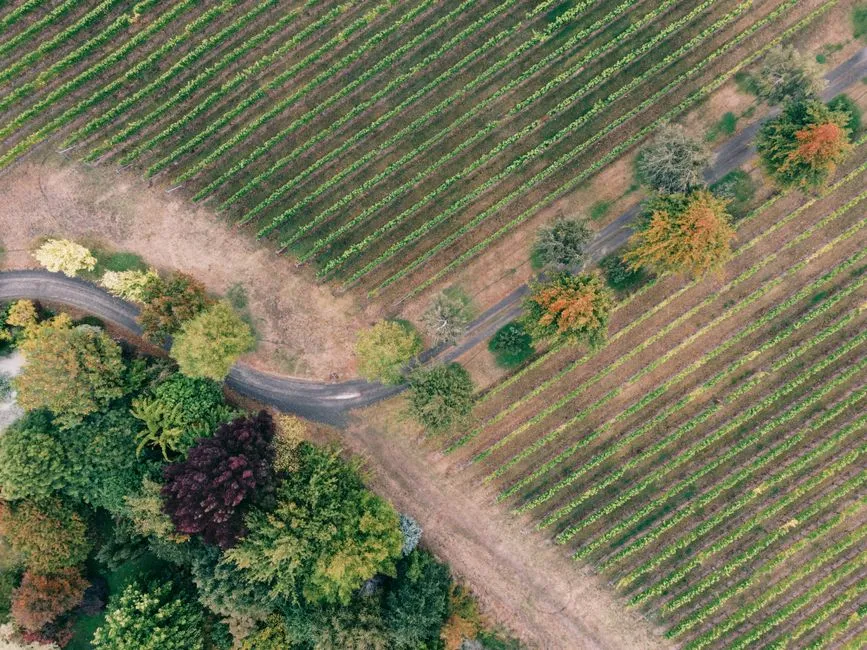
Oregon’s Willamette Valley features green, rolling hills covered with moss-draped trees and a patchwork of Pinot Noir and Chardonnay vineyards. The region is home to 11 designated U.S. grape-growing regions, known as American Viticultural Areas. Each one has a distinct character shaped by elevation, soil type, and proximity to the coast.
The Willamette Valley is the engine of Oregon wine. The AVA stretches roughly 150 miles north to south from the Columbia River near Portland down to the headwaters near Eugene, hemmed in by the Coast Range to the west and the Cascade foothills to the east. That’s a lot of territory to explore, with meaningful differences at every stop.
The Dundee Hills, Chehalem Mountains, and Eola-Amity Hills each attract devoted followings among collectors. Spending a weekend working through just two or three of these sub-regions gives you more variety and discovery than a much more expensive itinerary in a region with less geological complexity.
Portland Makes It Effortlessly Accessible
Portland is the perfect hub for exploring quiet backcountry roads through Oregon’s wine country, with more than half of the state’s 500 or so wineries located about 45 minutes away in the nearby Willamette Valley. That proximity is a practical advantage that’s easy to underestimate when planning a trip.
A guide picks you up at your house or hotel in a comfortable car or passenger van, drives you to wineries in the Willamette Valley for tastings, and then drops you back. Most companies offer door-to-door service from the Portland metro area. You don’t need to rent a car or navigate unfamiliar roads.
Portland itself adds another layer. It’s a genuinely compelling food and drink city with a hotel scene and restaurant culture that makes the combination of city time and wine country time feel less like a compromise and more like a proper itinerary. Napa requires you to fly into San Francisco or Sacramento and then drive. Oregon is simply easier.
Wine Pros Have Been Paying Attention
This isn’t a newly discovered secret whispered among insiders. Industry professionals have been pointing toward the Willamette Valley for years, and their enthusiasm has only grown. Multiple wine professionals have identified the Finger Lakes and Willamette Valley as among the most underrated American wine regions, noting that while Napa has the glamour, it often takes attention away from other regions making equally incredible wines.
Washington State and Oregon share the same latitude as some of the top sites in France, Germany, and Italy and are home to many of the natural features found in world-class wine regions: a volcanic foundation, big night-and-day temperature fluctuations, and mountain ranges to protect them from rain. These aren’t minor credentials.
The Oregon Wine Board’s Economic Impact Report released in February 2024 determined that 3.7 million people visited Oregon wineries in 2022, a number that reflects genuine momentum without the overcrowding that defines peak weekends in Napa. The visitors are arriving, but the experience hasn’t yet been overwhelmed by its own popularity.
The Hospitality Feels Personal, Not Performative
There is something noticeably different about how you’re received in the Willamette Valley compared to the more theatrical experience that high-fee Napa tastings tend to deliver. As Oregon’s wine country gains prestige, the tasting rooms are getting bigger and more opulent. At larger wineries, the space and the service feel more like upscale restaurants than family farms. Still, the smaller stops remain the heart of the experience.
As the heart of Oregon’s agricultural experience, family-run farms and vineyards have given rise to farm-to-table restaurants, renowned craft breweries and distilleries, local markets, and food trails. The culture around wine here is embedded in a broader sense of place rather than extracted from it.
New boutique hotels and recently renovated resorts, like The Allison Inn and Spa which unveiled a new tasting menu concept at JORY in 2025, are making the Willamette Valley an increasingly comfortable getaway. The infrastructure for a serious wine trip is now genuinely strong. You don’t need to sacrifice comfort to save money.
The Window to Visit Before It Gets Expensive
Napa wasn’t always this costly. In 2012, the picture was very different. Almost one quarter of wineries nationwide charged no tasting fee at all, and the average Napa tasting fee was just $22, with the national average sitting at $8.50. That version of Napa is gone, and it’s not coming back.
The Willamette Valley is at an earlier stage of that same trajectory. As Oregon’s wine country gains prestige, the tasting rooms are getting bigger and more opulent, which means the gap between Willamette prices and Napa prices will narrow over time. The most interesting version of this region to visit, combining serious wine with genuine accessibility, exists right now.
The views are already here. The wines are already world-class. The prices are still honest. That combination doesn’t last indefinitely, and wine regions that once felt undiscovered have a way of becoming exactly as expensive as their reputation allows. The Willamette Valley’s reputation is rising. Its prices haven’t fully caught up yet – and that’s the window.
AI Disclaimer: This article was created with the assistance of AI tools and reviewed by a human editor.