
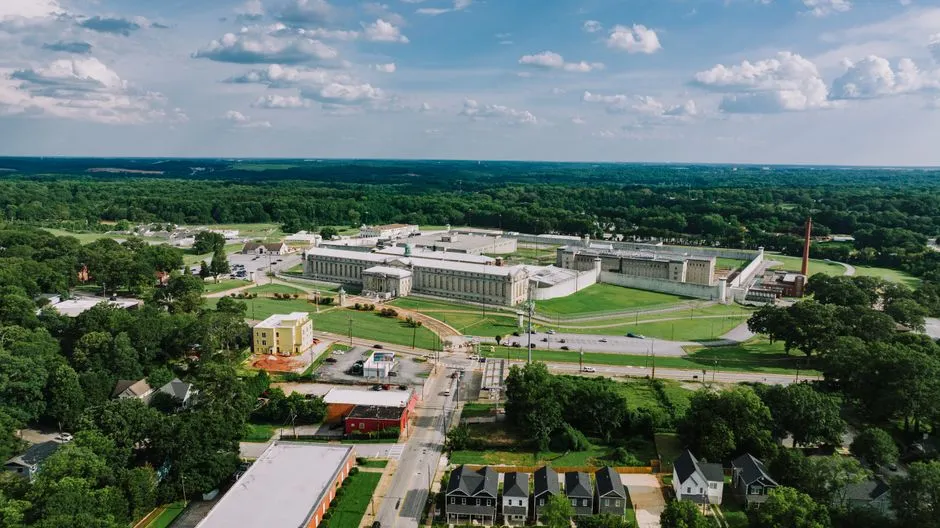

Savannah has held a near-mythical grip on Southern travel for decades. Spanish moss, cobblestone squares, ghost tours – the recipe is well worn. Yet just about two hours up the Savannah River, a different city has been quietly accumulating the kind of historical density that serious history travelers crave, without the shoulder-to-shoulder crowds or the inflated hotel rates.
That city is Augusta, Georgia. It’s older than most people realize, less polished than Savannah in the best possible way, and right now it’s experiencing a tourism surge that’s impossible to ignore. Whether you know it only as a golf destination or haven’t considered it at all, Augusta is worth a much closer look.
Georgia’s Second-Oldest City Has a Head Start on History

Augusta is Georgia’s second oldest and second largest city, founded during the British colonial period as a trading outpost. The settlement was established in 1736 by British General James Oglethorpe.
Established during the British colonial period as a trading outpost, Augusta played a significant role in the state’s early development. That history runs deep – far deeper than many visitors expect when they first arrive.
A pivotal site during the Revolutionary and Civil Wars, Augusta boasts the only structure ever built by the Confederate States of America, the site of the old Confederate Powderworks. With the construction of the Augusta Canal in 1847, Augusta became the second largest inland cotton market in the world during the cotton boom.
Augusta’s Tourism Numbers Are Breaking Records

In 2024 alone, tourism generated $854 million in visitor spending and supported 26,400 jobs, highlighting Augusta as a key player in Georgia’s travel economy.
In 2025 alone, Augusta welcomed 179,000 meeting attendees and generated $890 million in visitor spending. That’s a consistent upward trajectory, not a one-year spike driven by a single event.
Cities like Augusta show higher growth potential compared to already-saturated destinations like Savannah and Atlanta, where visitor growth has slowed considerably. A record 174.2 million people traveled across the country and the globe to visit Georgia in 2024 and spent $45.2 billion, up 4% from the year before.
The Riverwalk That Rivals Anything in the South

The Augusta Riverwalk is a multilevel walkway along the Savannah River, complete with museums, parks, gardens, playgrounds, fountains, and an amphitheater. It’s genuinely impressive, and it’s free to walk.
Visitors often start their day along the Augusta Riverwalk, a scenic walkway that runs along the Savannah River. The Riverwalk offers beautiful views, open green spaces, and places to relax while enjoying the spring weather.
Augusta owes its life to the Savannah River. The city now honors that connection with the Augusta Riverwalk. On a quiet morning, before the day crowds arrive, it’s one of the most peaceful stretches of riverfront in the entire Southeast.
An Industrial Canal Unlike Anything Else in America
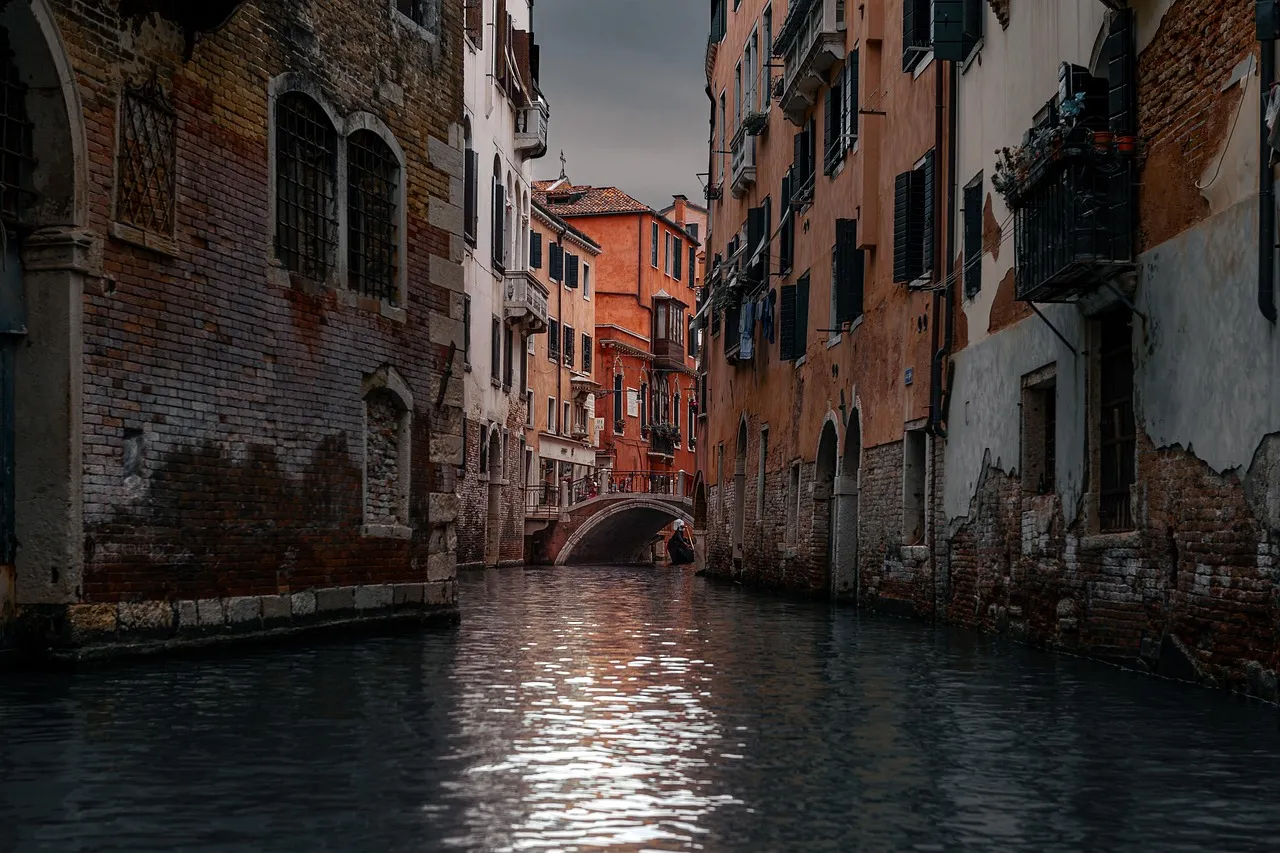
Built in 1845, the Augusta Canal is seven miles long, extending from above the rapids of the Savannah River to the heart of Augusta. In 1996, the canal was designated a National Heritage Area, the first site in Georgia to receive this designation.
The Augusta Canal National Heritage Area offers guided tours on replica canal boats from the discovery center, a state-of-the-art museum about the river’s history, set in a historic textile mill. In addition to guided tours of the 11-mile canal, they offer special events like live music.
Augusta’s growth exploded when the Augusta Canal was completed in 1847. Built to provide a source of water, power, and transportation, the canal helped Augusta become the second largest inland cotton port in the world. Built for industrial purposes, it has become quite beautiful over the years and now is the focal point of the Augusta Canal National Heritage Area.
More Founding-Era History Than Almost Any Other Southern City
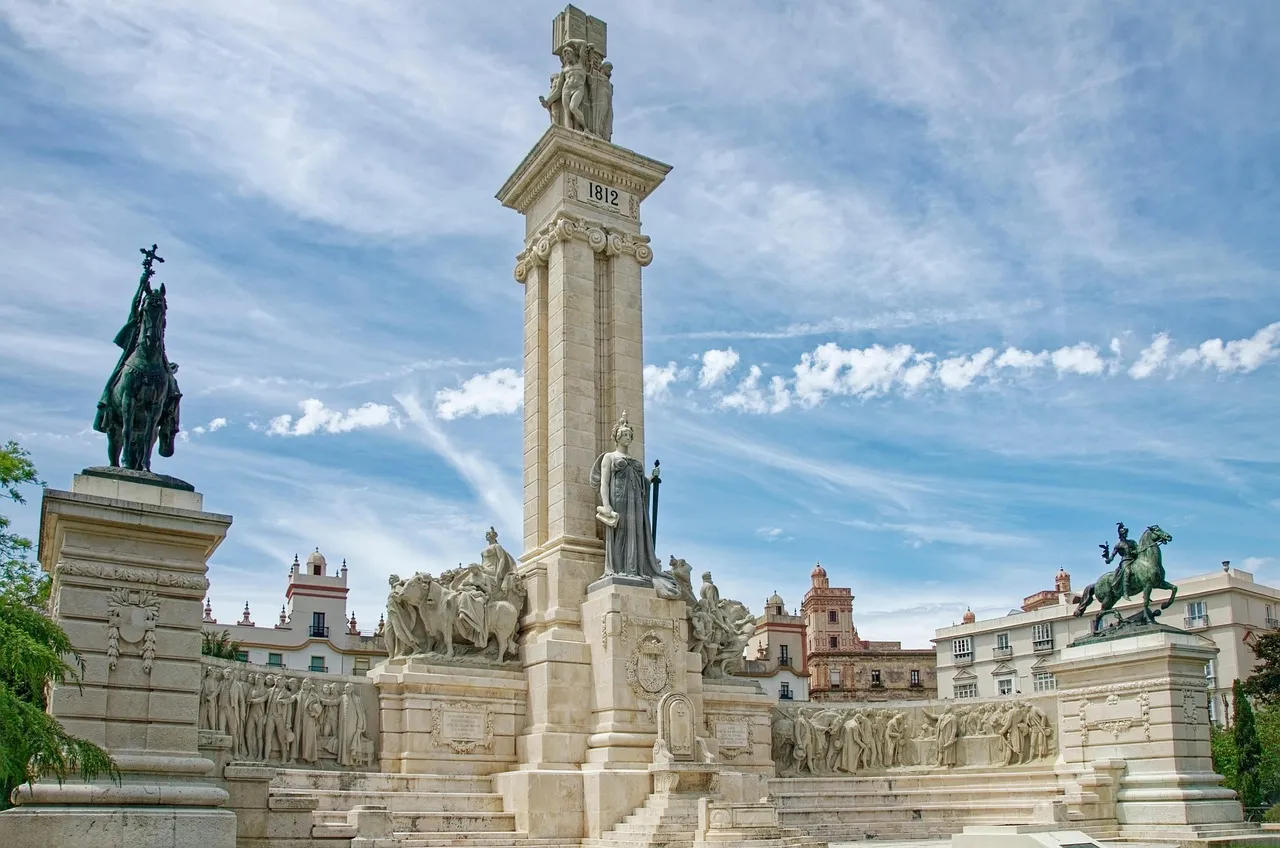
The Signers Monument in front of the governmental complex marks the graves of two signers of the Declaration of Independence. Meadow Garden, the restored home of Declaration signer George Walton, can be visited, as can the grave of William Few, a signer of the U.S. Constitution, at St. Paul’s Church.
The city served as the State Capital of Georgia from 1785 to 1795, a fact that surprises most visitors who assume Savannah has always held that distinction.
Augusta has nine neighborhoods on the National Register of Historic Places, and several historic monuments and cemeteries. For someone who travels specifically to walk through layered American history, that’s a remarkable concentration in one city.
Presidential Connections Hidden in Plain Sight
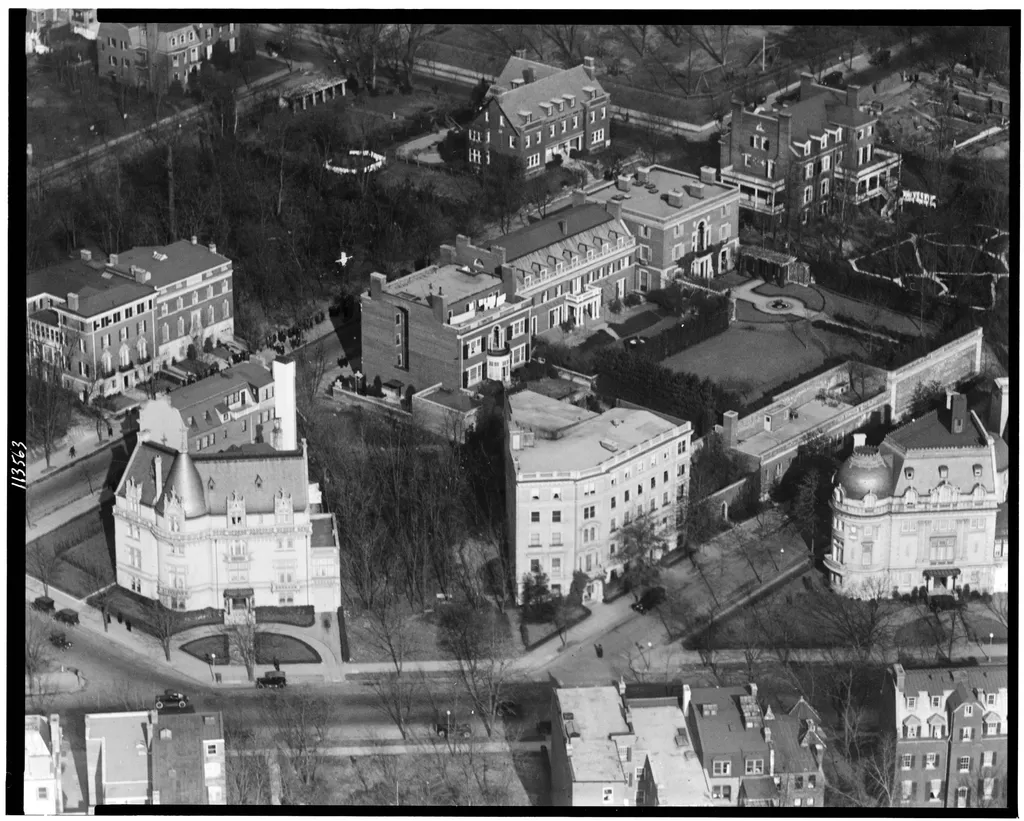
The Boyhood Home of President Woodrow Wilson, where Wilson and his family lived during the Civil War, is Georgia’s oldest presidential home. Visitors can explore the manor’s stately rooms, displaying original furniture that the future president used in his everyday life.
The city is also home to the house of George Walton, the two-time Georgia governor and the youngest original signer of the Declaration of Independence. These are not reconstructed replicas. They’re genuine preserved structures with real provenance.
Few cities of Augusta’s size can claim direct physical ties to both the nation’s founding documents and a sitting president’s childhood. The proximity of these landmarks to each other makes it easy to cover a lot of ground in a single afternoon on foot.
The Masters Brings the World – But the City Stays Authentic

The 2026 Masters Tournament was held April 9–12 at Augusta National Golf Club, drawing international attention to the city for the 90th consecutive year. The tournament has an outsized effect on Augusta’s visibility and hospitality sector.
Each April, golf fans from around the world arrive for the Masters Tournament at Augusta National Golf Club. The event brings energy, celebration, and a full calendar of activities across the city. Even visitors without a ticket to the tournament still find plenty to experience.
Downtown streets feature locally owned shops, art galleries, and restaurants. Many businesses decorate their storefronts for the tournament, which adds to the festive atmosphere. Street art and murals throughout downtown make it a fun place to walk and explore. Outside of Masters week, the city reverts to a quieter, more accessible version of itself – which many visitors actually prefer.
A Museum Scene That Punches Above Its Weight

The Morris Museum of Art boasts more than 5,000 works of art, including paintings, drawings, and sculpture from the late 18th century to the present, with special attention to works from Georgia and the South. In addition to the permanent collection, it hosts special exhibitions.
Augusta Museum of History offers a deep look at the city’s heritage. Its Augusta’s Story exhibit features prehistoric artifacts, pottery made by enslaved people, and an enormous Petersburg boat.
The museum also pays tribute to the city’s many famous residents, including James Brown. Yes – the Godfather of Soul was born and raised in Augusta, and the city takes that legacy seriously. It adds a cultural dimension that goes well beyond antebellum architecture.
Nature and Outdoor Access Right Off the Riverbank
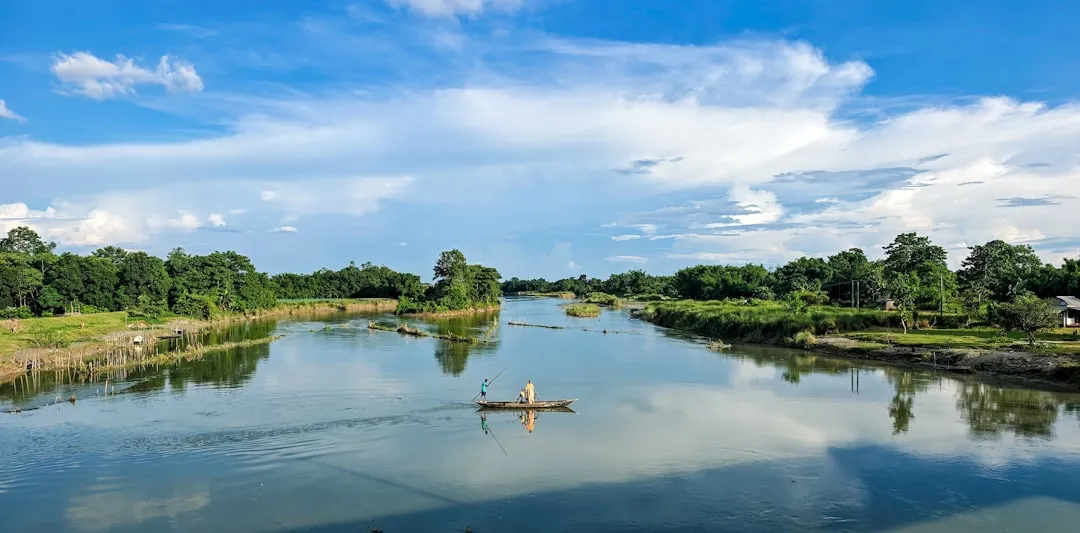
Phinizy Swamp Nature Park offers a chance to escape the crowds entirely. Visitors can pack binoculars and head into the swamps on the park’s well-maintained boardwalk system, keeping an eye out for the 239 different species that make their home there.
Beyond the historical sites, Augusta offers outdoor enthusiasts opportunities for hiking, biking, and water-based activities. The Augusta Canal and nearby parks provide a range of recreational options.
Visitors can rent a kayak or canoe to explore or go fishing. The canal heritage comes alive during a boat tour or sunset cruise. Biking and hiking trails wind alongside the river and through the surrounding forests. For a history trip that doesn’t feel like a museum-only itinerary, Augusta covers the balance well.
Why Now Is the Right Time to Visit

Augusta’s tourism leaders are celebrating another year of growth and momentum across the city’s economy. Infrastructure, dining, and visitor amenities have expanded steadily alongside that growth, making the experience smoother than it was even a few years ago.
Tourism in Augusta is expanding beyond traditional events and attractions. The city is becoming a growing hub for film production, which tends to signal a broader creative economy beginning to take hold.
For cities like Savannah and Atlanta, with already high visitation rates, growth rates remain positive but comparatively lower. Augusta is at that particular sweet spot in a destination’s arc – genuinely good infrastructure, real historical substance, and not yet overwhelmed by the tourism machine that can hollow out a city’s character.
Savannah will always have its charms, and no one’s suggesting you skip it entirely. But if you travel for history with some depth to it, for streets that feel lived-in rather than staged, and for a Southern river city that hasn’t yet been fully discovered, Augusta is quietly making a very compelling case for your next trip.
AI Disclaimer: This article was created with the assistance of AI tools and reviewed by a human editor.