
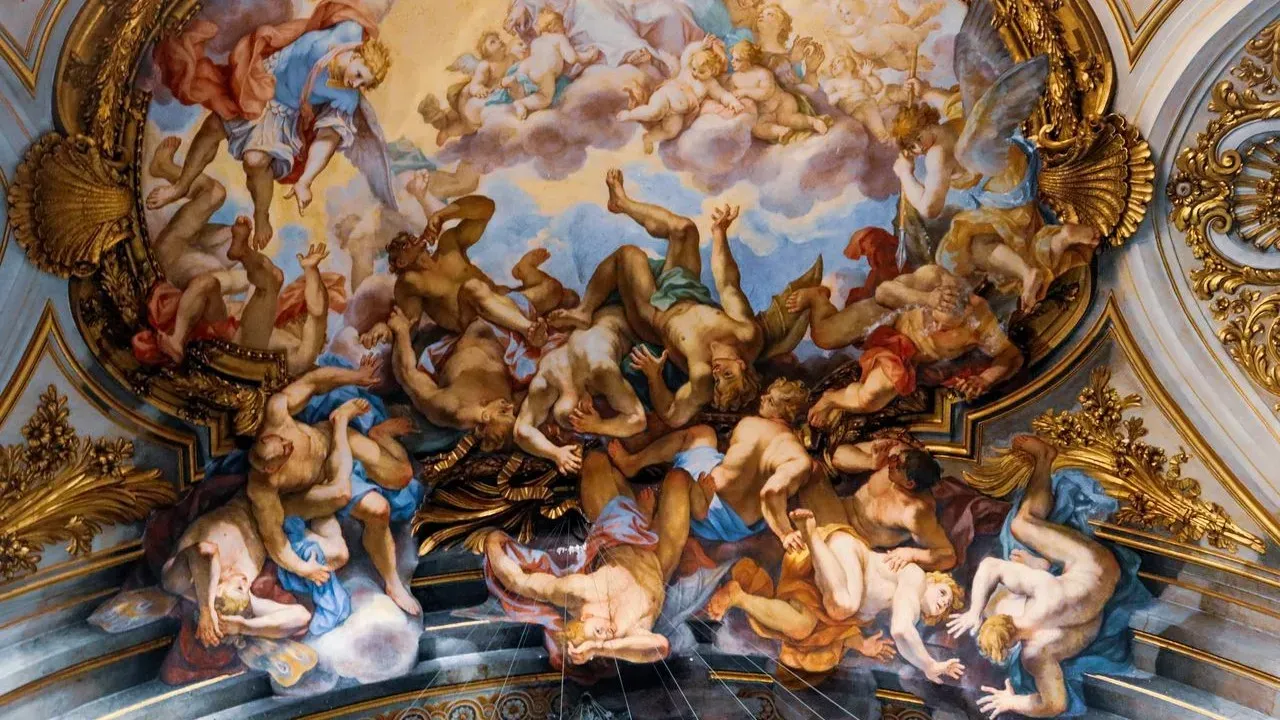

Local officials in Italy have voiced deep dismay and sadness following the removal of four Renaissance paintings from a museum during festivities honoring the Virgin Mary. The timing added a layer of poignancy to the loss, as communities gathered in reverence and tradition. The incident has prompted reflection on the fragility of cultural treasures that draw travelers from around the world to Italy’s historic institutions.
The Timing and Setting of the Event
The theft unfolded amid ongoing celebrations dedicated to the Virgin Mary, a period when many Italian towns and cities hold processions, masses, and communal gatherings. These occasions often bring heightened activity to public spaces, including museums that house works from centuries past. The convergence of festivity and loss has left many in the region considering how such moments intersect with the stewardship of artistic heritage.
Museums across Italy serve as anchors for both residents and visitors seeking direct encounters with Renaissance masters. The removal of these specific works interrupts that connection at a moment when cultural sites typically see increased footfall tied to seasonal observances. Officials have noted the emotional weight of the occurrence against this backdrop of shared reverence.
Reactions from Local Leadership
Community leaders and museum representatives have spoken openly about their sorrow over the missing paintings. Their statements emphasize the personal and collective sense of loss rather than speculation about circumstances. This measured response reflects the priority placed on preserving the dignity of the institution and the works themselves.
The officials’ expressions of dismay underscore the role these paintings play in local identity and broader Italian artistic legacy. In regions where Renaissance art forms part of everyday cultural life, such removals resonate beyond institutional walls. The focus remains on supporting recovery efforts while maintaining the welcoming atmosphere that defines many Italian cultural venues.
Consequences for Heritage and Travelers
The absence of the four works affects the narrative that museums present to visitors exploring Italy’s artistic timeline. Travelers who plan itineraries around Renaissance collections may encounter adjusted displays or interpretive materials that acknowledge the gap. Institutions often respond to such events by reinforcing security measures and public education programs without diminishing the experience for those who arrive.
Italy’s museums continue to offer profound encounters with surviving masterpieces, many of which remain accessible year-round. The current situation highlights the ongoing commitment of staff and communities to safeguard what endures. Visitors can still engage thoughtfully with the remaining collections, gaining insight into the historical and spiritual contexts that shaped these periods.
Looking Ahead for Cultural Stewardship
Recovery processes in similar cases have historically involved collaboration among local authorities, national heritage bodies, and international networks dedicated to art protection. While details of any investigation remain with the appropriate agencies, the emphasis stays on returning the works to public view when possible. This approach aligns with Italy’s long-standing dedication to conserving its artistic patrimony for future generations.
The episode serves as a reminder of the quiet vigilance required to maintain access to these treasures. Travelers interested in Renaissance art can support ethical visitation by respecting museum guidelines and participating in programs that promote sustainable cultural tourism. In this way, the appreciation of Italy’s heritage continues even amid temporary absences.
AI Disclaimer: This article was created with the assistance of AI tools and reviewed by a human editor.