
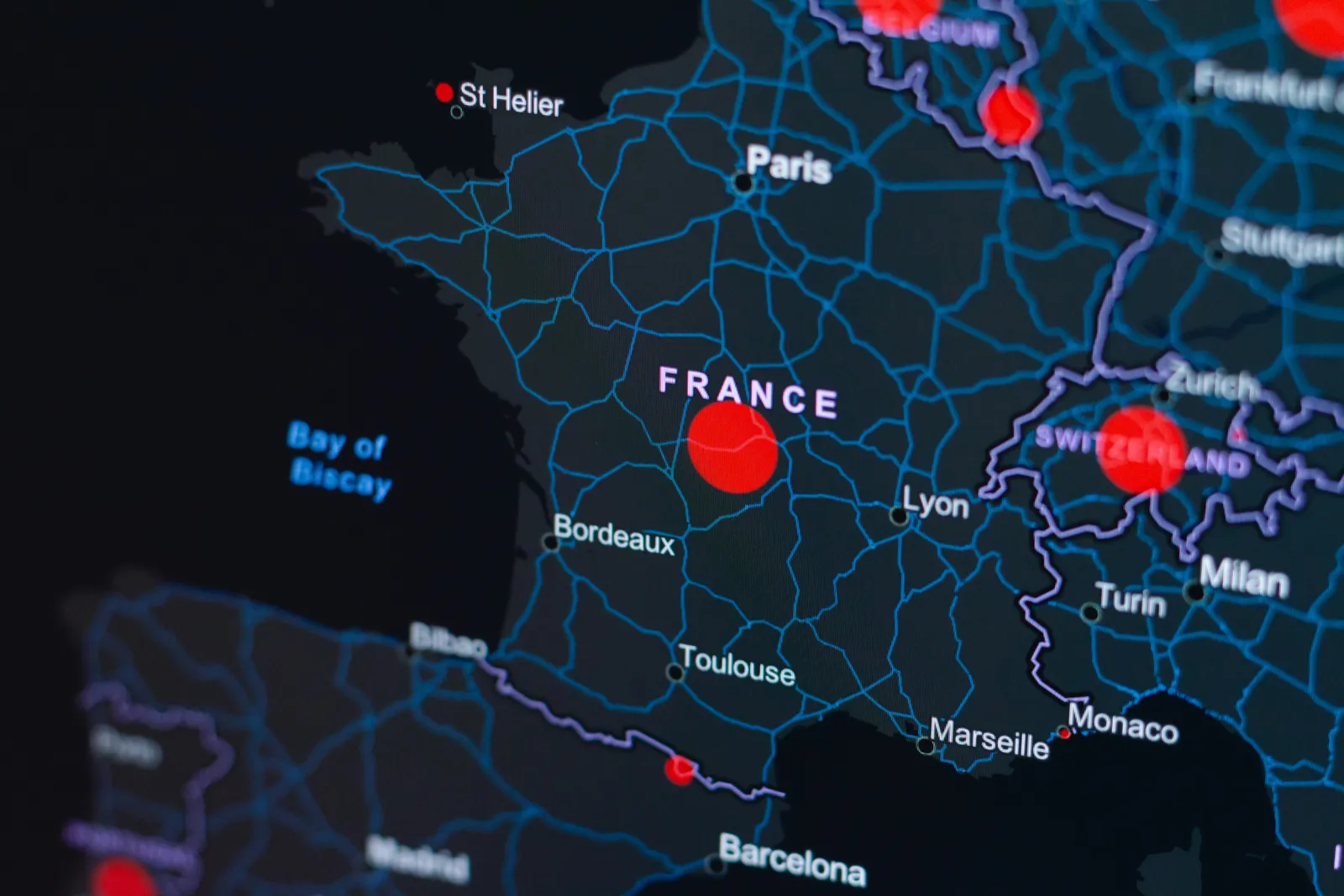

Paris – People across France are already feeling the deadly effects of an intense heat wave that has pushed temperatures well above 40 degrees Celsius in many areas and left residents without relief even after sunset. The national weather service has placed more than half the country under red alert, with conditions expected to remain extreme through at least Thursday. Travelers planning summer trips to Europe now face added risks as schools close, transport systems issue hydration warnings, and medical experts highlight the dangers of alcohol in such heat.
Record Nights Without Relief
Overnight lows have reached unprecedented levels in several regions. Western and central towns, including the port city of Saint-Nazaire, recorded a minimum of 23.2 degrees Celsius on the night from Sunday to Monday. Paris experienced its hottest June night on record at 24.2 degrees Celsius, surpassing the previous mark set in 2017.
Meteo France described the situation as a plateau of unrelenting heat that will not ease before Friday. The agency warned that Wednesday and Thursday could bring heat levels never before recorded across more than three-quarters of the country. These conditions compound the daytime highs and leave little chance for recovery during the coolest hours.
Disruptions to Daily Life and Travel
Without widespread air conditioning, adaptation has proven difficult. Hundreds of schools closed on Monday, while many others canceled classes, according to the education minister. Public transport announcements in Paris urged commuters to stay hydrated, and authorities restricted alcohol consumption in public spaces.
Air quality has also deteriorated in the capital as heat promotes ozone formation. The regional monitoring agency reported that pollutant levels were likely to exceed recommended thresholds. These factors create extra challenges for visitors unfamiliar with navigating extreme conditions in older buildings and crowded urban areas.
Human Risks and Reported Incidents
Multiple drownings have occurred as people attempted to cool off in rivers despite strong currents and other hazards. Health authorities have emphasized that the combination of high temperatures and dehydration can quickly lead to heat exhaustion or life-threatening heat stroke.
The World Health Organization’s Europe office noted that more than 200,000 heat-related deaths have occurred across the continent in the last four years, most of them preventable. Europe remains the fastest-warming continent, with temperatures rising at twice the global average since the 1980s.
Warnings Extend Beyond France
The United Kingdom’s Met Office issued a rare red weather warning for Wednesday and Thursday, forecasting possible highs of 40 degrees Celsius in parts of England and Wales. Officials there highlighted risks to health as well as potential failures in heat-sensitive infrastructure such as power and mobile networks.
Scientists link the increasing frequency of such events to human-caused climate change, with projections indicating more record-breaking heat in the coming years. For American travelers, the immediate priority remains practical preparation rather than long-term trends.
Practical Steps for Visitors
Those heading to France this summer should monitor official alerts from Meteo France and local authorities. Key precautions include avoiding outdoor activity during peak heat, seeking shaded or air-conditioned spaces when possible, and staying well hydrated without relying on alcohol.
Checking school and transport schedules in advance can prevent unexpected disruptions. The heat wave is forecast to ease after Friday, yet conditions remain unpredictable and demand ongoing vigilance from residents and visitors alike.
AI Disclaimer: This article was created with the assistance of AI tools and reviewed by a human editor.