
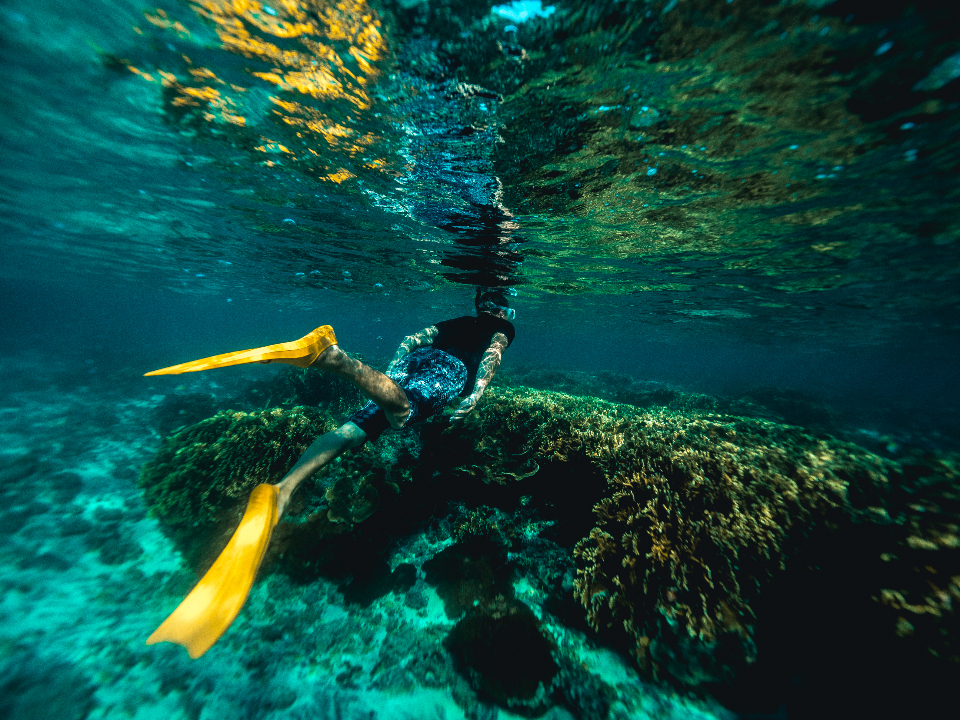
Most people show up to their first freediving lesson convinced the hard part is holding their breath. It isn’t. The hard part is staying calm long enough to let your body do what it’s actually capable of. Anxiety tightens the chest, shortens the breath, and burns through oxygen before a diver even dips below the surface.
What instructors keep coming back to is a single foundational idea: the way you breathe in the minutes before a dive determines nearly everything about what happens during it. The technique that consistently calms beginners the fastest isn’t exotic or complicated. It’s rooted in how the body’s own nervous system works, and the best instructors in the sport have been quietly teaching it for years.
Why Breathing Is the Whole Game in Freediving

Freediving is, at its core, a sport built around not breathing. Yet for a sport that is focused around not breathing, there is actually a lot of breathwork involved in freediving. Every phase of a dive, from the moment you settle on the surface to the final ascent, is shaped by what happened during your pre-dive breathing.
Proper breathing techniques can help regulate heart rate, reduce anxiety, and prepare your body for the descent. This is why instructors spend so much time on it, often more than on technique in the water. When it comes to freediving, breathing is everything. It sets the tone for your dive, your focus, and how relaxed you feel underwater. How you breathe on the surface determines what happens below it.
The Core Problem: Most Beginners Breathe from the Chest
Many beginners struggle not because they lack fitness, but because they carry tension, rush their breathing, or accidentally overbreathe before a dive. Chest breathing is the default for most people under stress, and it’s precisely the wrong response before going underwater.
Most people breathe shallow from the chest. Freedivers flip that and breathe from the diaphragm, the big muscle under your lungs. That shift alone, from chest to belly, is often the single biggest change a beginner makes in their first session. Anxiety can cause shallow, rapid breathing, which increases stress and makes it harder to relax.
The Breathing Trick Instructors Teach First: Diaphragmatic Breathing
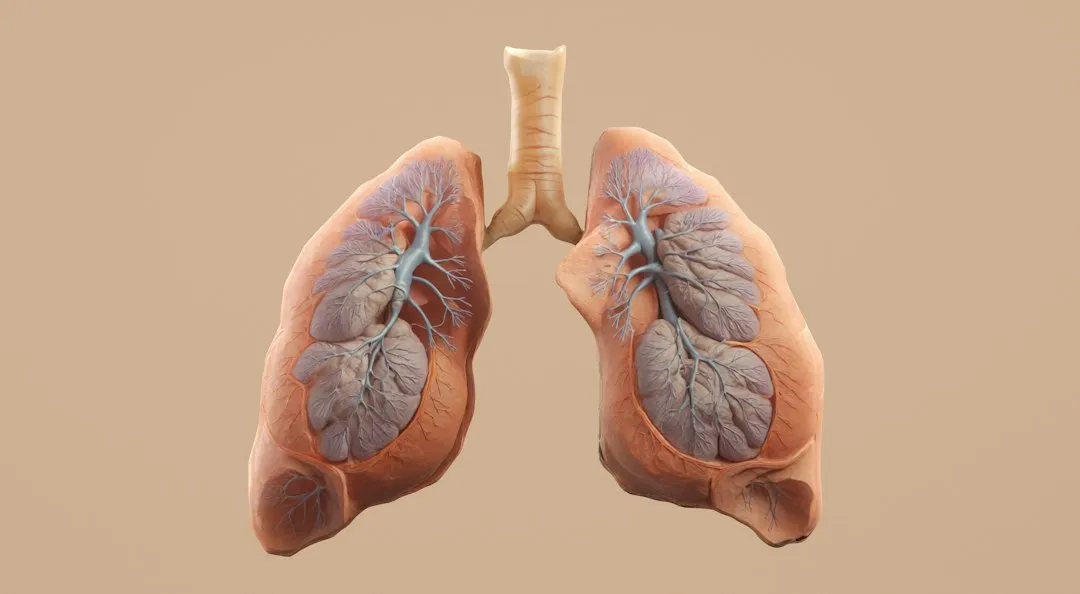
The technique instructors reach for first, consistently across schools and training systems, is diaphragmatic breathing, sometimes called belly breathing. Mastering diaphragmatic breathing is a transformative practice for freedivers looking to elevate their underwater performance. This technique involves deep, controlled breaths that fully engage the diaphragm, enabling maximum oxygen intake and efficient CO2 expulsion.
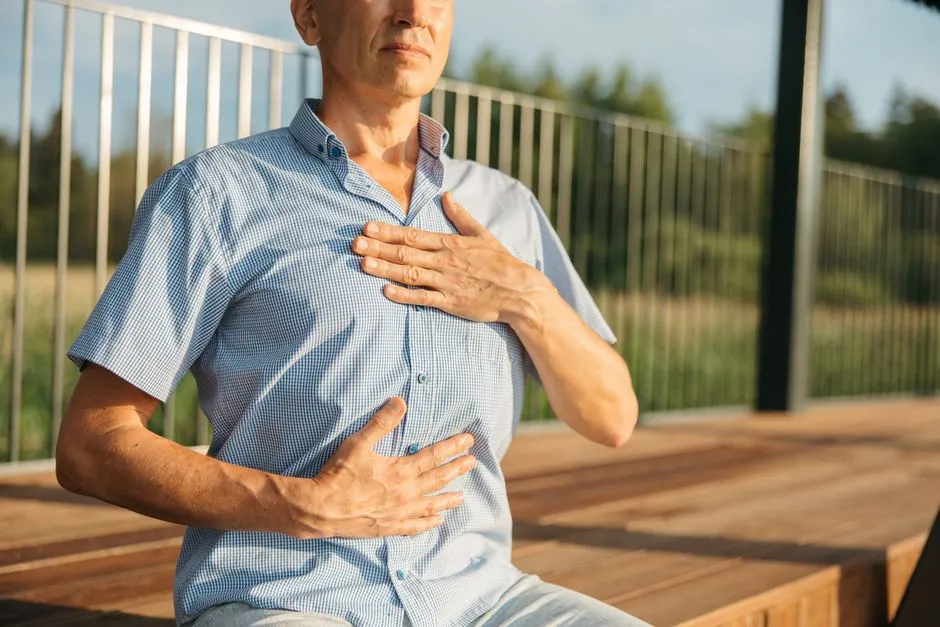
The practice itself is straightforward. Sit or lie down in a comfortable position. Place one hand on your belly and the other on your chest. Inhale normally through your nose, ensuring your diaphragm inflates enough to stretch your lungs. Pause briefly at the top of your inhale, then exhale slowly through your mouth. Repeat for several minutes, maintaining a calm rhythm.
This practice promotes relaxation and oxygen efficiency, key components of freediving breath training. The hand placement is more than just a teaching prop. It gives beginners real-time feedback that they’re actually recruiting the diaphragm rather than the chest.
The Science Behind the Calm: What’s Actually Happening in the Body
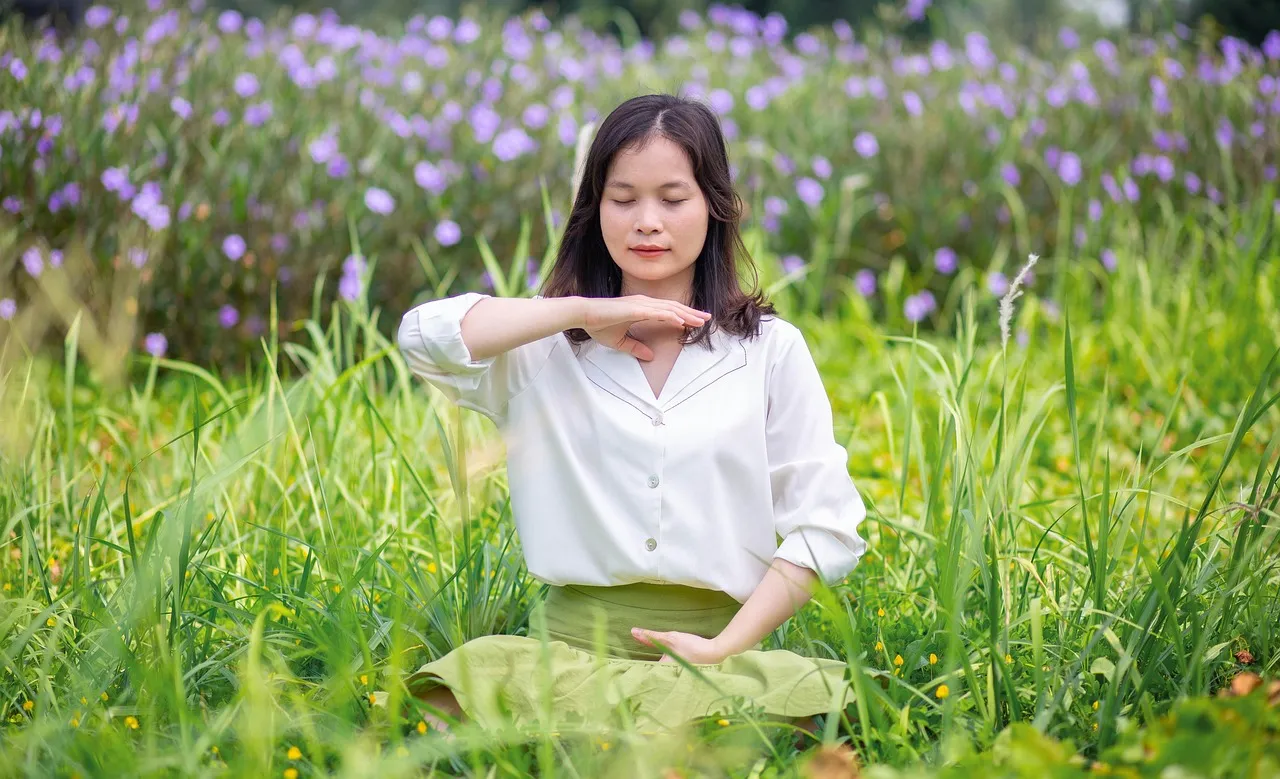
A growing number of empirical studies have revealed that diaphragmatic breathing may trigger body relaxation responses and benefit both physical and mental health. The mechanism is reasonably well understood. Slower respiration rates and longer exhalations phasically and tonically stimulate the vagus nerve. Using diaphragmatic breathing techniques to kickstart the calming “rest and digest” influence of the parasympathetic nervous system is referred to as respiratory vagus nerve stimulation.
Freediving breathing techniques offer more than just improved air efficiency. They place the body in a natural state of relaxation by activating the parasympathetic nervous system. Simply put, the body interprets slow, deep belly breathing as a signal that everything is safe. Heart rate drops, muscle tension eases, and the urge to gasp fades.
The Extended Exhale: The Specific Trick That Works Fastest
Within diaphragmatic breathing, the detail that instructors return to most often is the length of the exhale. The 2:1 breathing ratio emphasizes longer exhales than inhales, such as inhaling for four seconds and exhaling for eight seconds. This ratio helps slow the heart rate and supports relaxation by stimulating the vagus nerve response.
Multiple studies have confirmed that extended exhale breathing shifts the autonomic nervous system toward parasympathetic dominance within minutes. For a beginner standing on the edge of the water with an elevated heart rate, that’s a remarkably short window to feel measurably calmer. Based on the latest research, practicing respiratory vagus nerve stimulation breathing via longer exhalations for just two minutes appears to be an easy way to calm one’s nervous system.
Tidal Breathing: The Underrated Pre-Dive Foundation
Before any specialized breathing pattern begins, instructors typically ask students to start with what’s called tidal breathing, the same quiet, natural rhythm you’d have sitting still at home. In freediving, tidal breathing is used before every dive to slow the heart rate and keep CO₂ levels steady. It sounds almost too simple to matter, but it consistently resets the nervous system after the walk down to the water or the initial nerves of the session.
Breathe in slowly through your nose, feel your belly rise, then exhale gently through your mouth. Keep everything relaxed, no deep or dramatic breaths. Tidal breathing sets the floor that more specific techniques build on. Many instructors spend the first ten minutes of a beginner’s session on nothing else.
Box Breathing: The Mental Anchor for Anxious Students

Once tidal breathing is established, many instructors introduce box breathing as a structured option for students who need something more concrete to focus on. Box breathing is a powerful technique used to reduce anxiety by regulating the breath. The consistent rhythm gives an anxious mind a task, something to count rather than something to worry about.
Box breathing will help with calming any pre-dive nerves including panic and worry, helps with lowering the heart rate and also improves lung function. When practicing, the breath should be fluid and slow, promoting relaxation, nothing forced, just nice relaxed breaths. Starting with three-minute durations in the beginning works well, and over time the durations can extend to reach deeper levels of mindfulness and relaxation.
What Instructors Warn Beginners Never to Do: The Hyperventilation Trap
One of the most consistent and firm points in any beginner freediving course is this: do not hyperventilate before a dive. Hyperventilation is a no-no in freediving. Using proper relaxation breathing techniques to become totally relaxed before the dive is actually much more beneficial. The reason matters beyond just performance.
Prolonging the easy phase of a breath-hold is a primary training goal, achieved through relaxation, emotional regulation, and avoiding hyperventilation, which can reduce CO2 excessively and heighten blackout risk by delaying air hunger cues relative to oxygen depletion. Hyperventilation feels like preparation but is actually a safety risk. Beginners sometimes confuse deep, fast breathing with useful warm-up. It’s the opposite of what’s needed.
Recovery Breathing After the Dive: A Critical Habit from Day One
Breathing technique in freediving doesn’t end at the surface after a dive. After a breath-hold it is very important to perform recovery breaths, also called hook breathing. This step is taught from the very first session because it directly affects safety, not just comfort.
To do this, take a big breath in through the mouth, hold that breath for around half a second while holding some pressure, allow a strong exhale to follow. Repeat this a few times until you feel fine and certain you will not blackout. Breathing in this way helps to re-balance CO2 and O2 levels and can often be the difference between blacking out or not. Instructors are firm on this protocol, and for good reason. The moments after surfacing carry their own physiological risks that proper breathing directly mitigates.
The Mental Layer: Visualization as a Companion to Breathwork
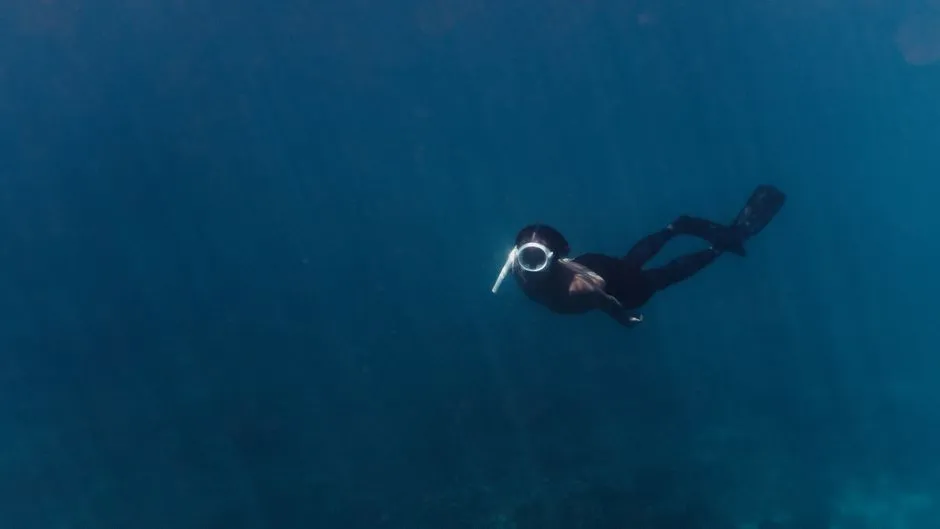
Breathing alone isn’t always enough to calm a genuinely anxious beginner. The most effective instructors pair breathwork with simple mental techniques to address both the physical and psychological sides of pre-dive stress. Mental training helps divers manage anxiety, avoid wasting oxygen, and maintain focus, making it a vital part of any freediving breath training regimen.
Visualization and mental training are essential for boosting freediving performance, as they help build focus, calmness, and confidence needed to dive deeper and longer. Mental preparation not only eases pre-dive anxiety but also enhances the ability to handle discomfort and stress while underwater. Research has found that freedivers experience significantly lower stress, anxiety, and negativity compared to non-practitioners, suggesting that the practice of breathwork combined with regular diving builds something cumulative over time, not just session by session.
What the Research Confirms About Long-Term Gains
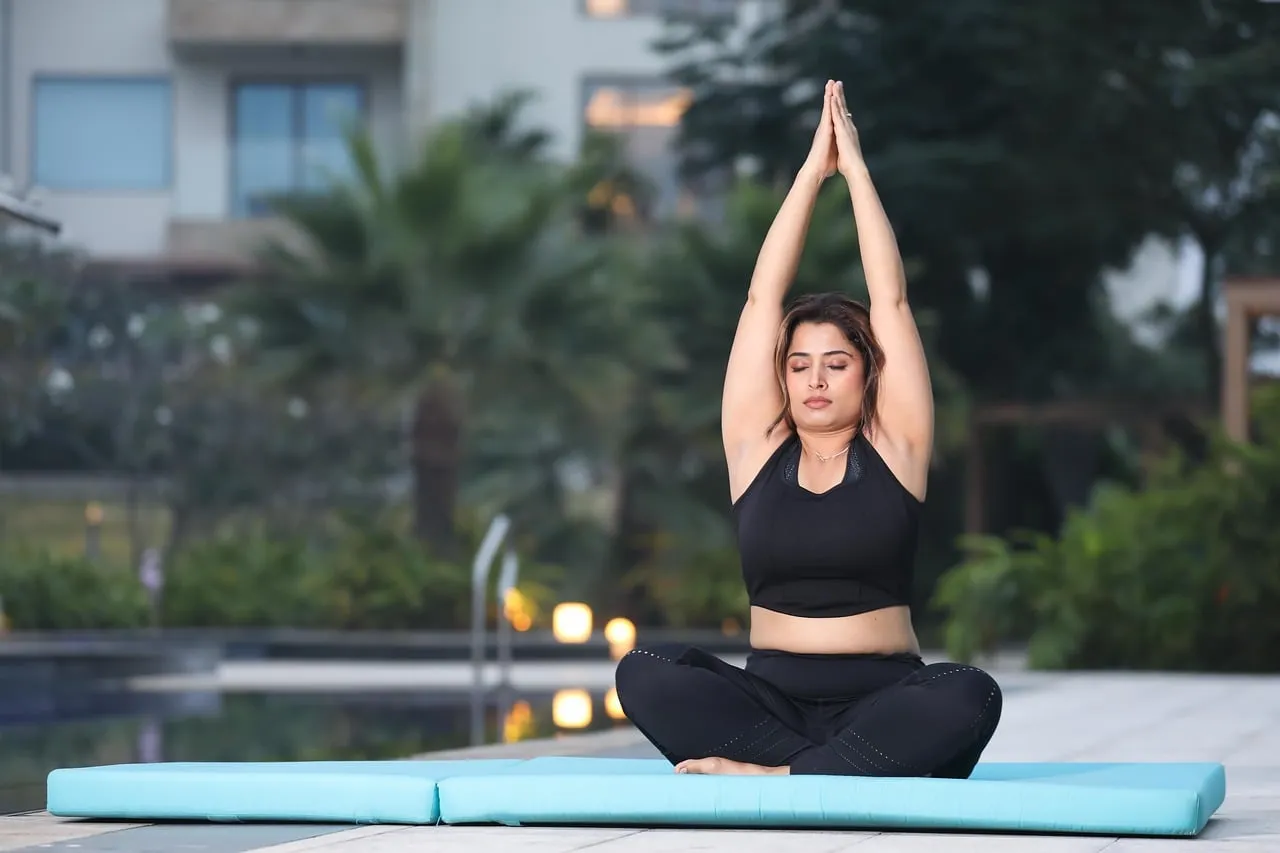
Studies have shown that diaphragmatic breathing can improve lung function by up to roughly one fifth, making it a staple exercise in freediving training programs. The benefits compound with consistency. A 2017 study found that participants who practiced diaphragmatic breathing for eight weeks showed significantly improved sustained attention and reduced cortisol levels.
Statistics from sports science research reveal that regular practice of specific breathing exercises can increase a freediver’s breath-hold time by roughly a third. This improvement is not just a testament to the body’s adaptability but also highlights the importance of a structured approach to breathing in freediving. These are not small gains. They represent real, measurable changes that begin with the same simple belly-breathing drill taught to every first-day beginner.
The Takeaway

The breathing trick that calms beginners fastest isn’t a secret. It’s diaphragmatic breathing with an extended exhale, practiced slowly and without force, in the quiet minutes before every dive. What makes it powerful isn’t complexity, it’s consistency. Learning the right breathing techniques for freediving helps divers relax more deeply, use oxygen more efficiently, and stay within safe personal limits.
The ocean doesn’t reward those who try harder. It rewards those who have learned to be still. That stillness begins, every single time, with a slow breath in and an even slower breath out.
AI Disclaimer: This article was created with the assistance of AI tools and reviewed by a human editor.