
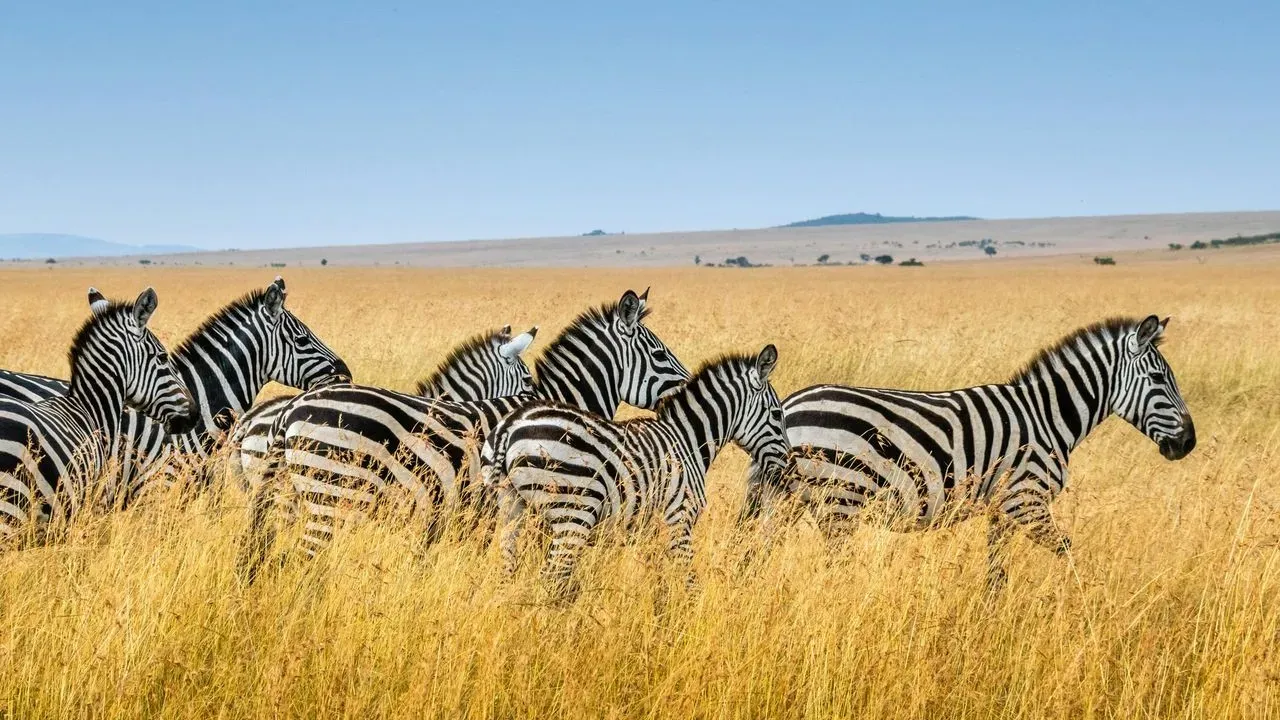

Travelers often begin their wildlife journeys with Africa’s celebrated Big Five, yet the same curiosity that draws them to lions and elephants can lead naturally to encounters with polar bears on Arctic ice or primates in dense forests. This progression reflects a growing interest in experiences shaped by habitat, season, and ethical practice rather than a fixed checklist. Operators such as Wildfoot Travel design itineraries that honor both the classic safari and these wider possibilities, always placing animal welfare and local communities at the center. ([1])
Honoring the Big Five While Looking Further
A well-planned safari remains one of the most rewarding ways to observe large mammals moving freely across open landscapes. The focus on lions, elephants, leopards, rhinos, and buffalo has introduced countless travelers to the rhythms of the natural world. Yet the same regions that support these species also host primates, wild dogs, giraffes, and rich birdlife that reward slower, more attentive observation.
Experienced guides emphasize that quality encounters matter more than quantity. Time spent watching a herd at a waterhole or listening for the calls of smaller creatures deepens appreciation for the entire ecosystem. This measured approach aligns with responsible travel principles that prioritize minimal disturbance and long-term conservation.
Polar Regions Offer Dramatic New Settings
The Arctic and Antarctica present wildlife against backdrops of ice, tundra, and vast silence that feel worlds away from savanna plains. In the north, expeditions combine ship-based travel with shore landings to spot polar bears, Arctic foxes, reindeer, and seabirds. The animals appear as part of an immense wilderness rather than isolated subjects.
Antarctica delivers a different marine spectacle, where penguins share waters with seals and whales. The cold itself shapes every moment, from the crunch of boots on snow to the sudden appearance of an iceberg carrying resting seabirds. Such journeys highlight how landscape and wildlife together create lasting memories.
Marine and Forest Encounters Deepen Connection
Expedition cruises allow travelers to move through remote waters where whales surface beside the vessel and dolphins ride the bow wave. These moments gain power from their unpredictability and from the knowledge that the cruise itself supports low-impact exploration. Tropical routes add coral reefs and island ecosystems to the marine focus.
On land, primate tracking shifts the pace from vehicle to foot. Walks through forests in search of gorillas or chimpanzees require attention to tracks, calls, and guide expertise. The immersive quality of these outings suits travelers who value physical engagement and the chance to learn about forest ecology firsthand. Similar opportunities exist for birdwatchers in wetlands and coastal zones, where seasonal migrations create spectacles of movement and sound.
Timing, Style, and Ethical Choices Shape the Journey
Wildlife activity follows natural cycles, so matching departure dates to migration or breeding seasons improves the odds of meaningful sightings. Within a single country, the best weeks for one species may differ from those ideal for another. Operators provide detailed guidance on these windows, helping travelers avoid peak scenery that coincides with lower animal visibility.
The method of travel also matters. Walking safaris, small-boat excursions, and photography-focused departures each encourage closer observation and greater respect for the animals. Combining wildlife with cultural visits or community projects turns a single trip into a broader exchange that benefits local economies. This layered approach ensures that quieter periods between sightings still offer rich rewards.
Building a Personal Wildlife Wish List
The most satisfying journeys begin with honest reflection on the species and environments that stir genuine interest. Some travelers dream of spirit bears along Canadian rivers, others of whale migrations in cold northern waters, and still others of returning to African plains with fresh eyes. Each choice opens a distinct chapter in an ongoing relationship with the natural world.
By treating the Big Five as an entry point rather than an endpoint, travelers discover that wildlife experiences multiply rather than compete. The result is a more resilient appreciation for ecosystems everywhere and a stronger commitment to their protection. That sense of expanding possibility remains the quiet reward of thoughtful wildlife travel.
AI Disclaimer: This article was created with the assistance of AI tools and reviewed by a human editor.