
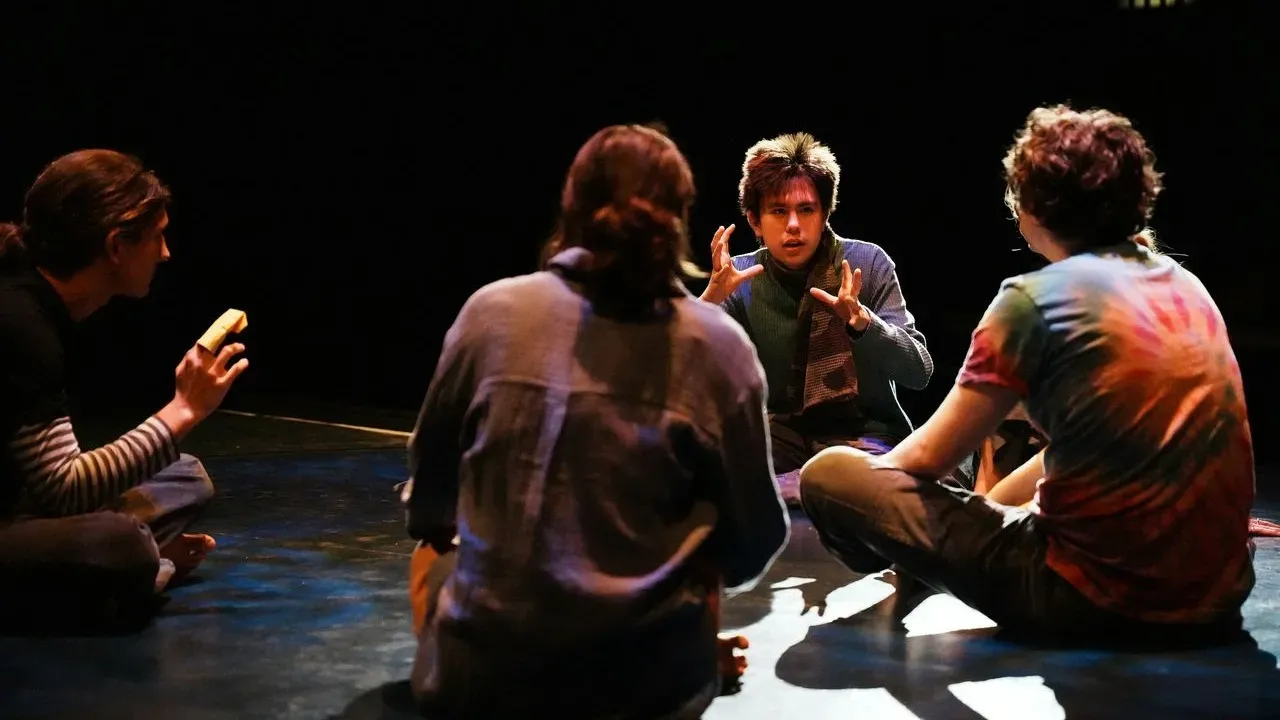

Gander, Newfoundland, has long carried a quiet reputation for opening its doors without hesitation. In the days after the September 11, 2001 attacks, residents welcomed thousands of stranded air travelers into their homes, schools, and community halls, turning an unexpected crisis into an enduring example of human connection. That story continues to draw visitors who want to experience the same spirit of hospitality firsthand, with the musical “Come From Away” serving as a cultural bridge that keeps the memory alive for new generations. ([1])
The Day the Skies Emptied Over Gander
On September 11, 2001, dozens of international flights were diverted to Gander International Airport after North American airspace closed. Nearly 7,000 passengers and crew members found themselves on the ground in a town of roughly 10,000 people. Local residents responded immediately, organizing food, clothing, and shelter while the world waited for flights to resume. The scale of the effort was remarkable because it happened so naturally. Families took strangers into their homes for days. Schools became dormitories. Community kitchens ran around the clock. What began as a logistical challenge quickly became a shared human experience that residents still describe with quiet pride rather than fanfare.
How “Come From Away” Carried the Story Forward
Writers Irene Sankoff and David Hein turned those real events into the musical “Come From Away,” which has introduced audiences worldwide to the people of Gander and the passengers they hosted. The show captures the small-town rhythms and the unexpected bonds that formed during those uncertain days. Its continued performances keep the story accessible without turning it into spectacle. Travelers who discover the musical often feel compelled to see the place that inspired it. The production highlights everyday acts of generosity rather than dramatic rescues, which aligns with how Gander residents remember the time. Many visitors arrive already familiar with the songs and leave with a deeper appreciation for the community that lived the story first.
Experiencing Gander’s Hospitality Today
Modern visitors to Gander find a town that still values personal connection. Local museums and heritage sites present the 2001 events through personal accounts and artifacts, allowing travelers to understand the context without sensationalism. Walking tours and community events offer opportunities to meet residents who share stories of that week and the years since. The surrounding landscape adds another layer. Newfoundland’s rugged coast and nearby trails invite slow exploration, while Gander itself remains a practical base for those traveling across the province. Accommodations range from modest inns to larger hotels, and dining often features fresh seafood and home-style cooking that reflect the same welcoming approach. – Attend a local storytelling session or museum program focused on the 2001 diversions.
– Explore the Gander Aviation Museum for context on the airport’s role.
– Join a guided walk that highlights community landmarks tied to the events.
– Sample regional cuisine at family-run spots that emphasize hospitality.
– Visit nearby natural areas for a sense of the broader Newfoundland environment.
The Enduring Invitation
Gander’s story resonates because it shows how a small place can respond to large events with steady kindness. Travelers who come seeking that legacy often find it in the everyday interactions that still define the town. The musical keeps the memory visible, yet the real draw remains the living community that continues to extend the same welcome. Those who visit leave with more than photographs. They carry a renewed sense of how ordinary people can create extraordinary moments of care, and they often return or recommend the destination to others looking for meaningful travel rooted in human connection.
AI Disclaimer: This article was created with the assistance of AI tools and reviewed by a human editor.