
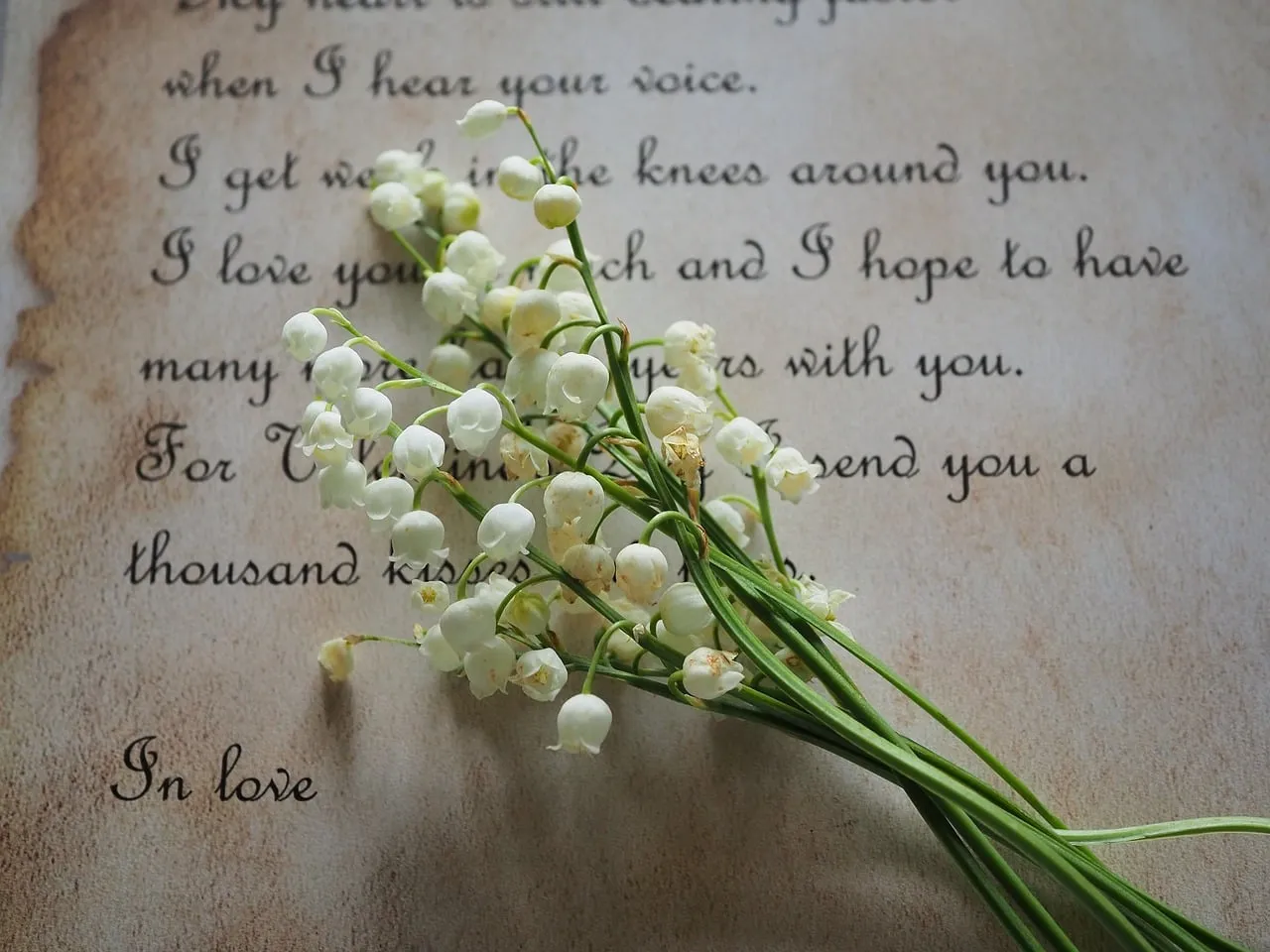

Gen Z is turning to snail mail in growing numbers, trading the speed of texts for the deliberate pace of pen and paper. The shift appears in paid clubs that deliver handwritten notes, themed stories and small keepsakes through the post, complete with wax seals and careful calligraphy. Psychologists see more than a passing aesthetic trend at work.
A Tangible Pause in a Fast World
The appeal begins with the simple act of slowing down. Handwriting forces the writer to choose words with care and to linger over each sentence. Clinical health psychologist Bayley J. Taple notes that this process activates broader brain networks tied to movement, touch, vision and memory, offering a form of reflection that quick digital exchanges rarely provide. The same deliberate pace carries emotional weight for the recipient. A physical letter arrives as a surprise rather than a notification, creating an intermittent reward that feels more sustaining than constant online contact. Taple describes it as a tangible reminder that the sender took time and intention, a quality that can ease feelings of isolation without the pressure of an immediate reply.
Clubs, Keepsakes and Quiet Connection
Snail mail clubs have become the visible face of the revival. Subscribers receive illustrated reflections, serialized stories or small objects such as pressed flowers and bookmarks, all packaged with vintage stationery and decorative seals. The format echoes older letter-writing circles that once linked people across distances, yet it now operates through modern platforms like TikTok. Therapist Jessica Dorzek observes that the practice supplies a tactile experience missing from screens. It also removes the expectation of instant response that can heighten stress in group chats. Dr. Carolina Estevez adds that the personal quality of handwriting conveys realness and individuality in a way typed messages seldom match.
Travel Keepsakes That Last
The same qualities that draw Gen Z to letters translate naturally to journeys. A postcard sent from a remote trail or a handwritten note mailed from a new city carries the weight of lived experience in a way a quick photo upload cannot. The wait for its arrival mirrors the anticipation travelers feel when planning a slow, intentional trip. Such correspondence builds connection without demanding constant availability. It invites the recipient to hold a physical record of someone else’s time on the road, turning fleeting moments into lasting objects. Psychiatric mental health nurse practitioner Shebna Osanmoh points out that focusing on one person at a time while writing helps organize thoughts and express emotions more freely.
More Than Nostalgia
Experts emphasize that the trend reflects a search for experiences digital life cannot fully supply. The absence of pressure, the sensory pleasure of paper and ink, and the opportunity for focused attention all contribute to its appeal. While some participants enjoy the romanticized image of an earlier era, the core draw lies in the measurable benefits of slower, more intentional exchange. Travelers who adopt the habit often find it deepens their own journeys. A letter written on the road becomes both a gift to someone at home and a record of presence that can be revisited long after the trip ends. In that sense, the handwritten letter offers a quiet counterpoint to the rush of modern movement, one that rewards patience and care.
AI Disclaimer: This article was created with the assistance of AI tools and reviewed by a human editor.