
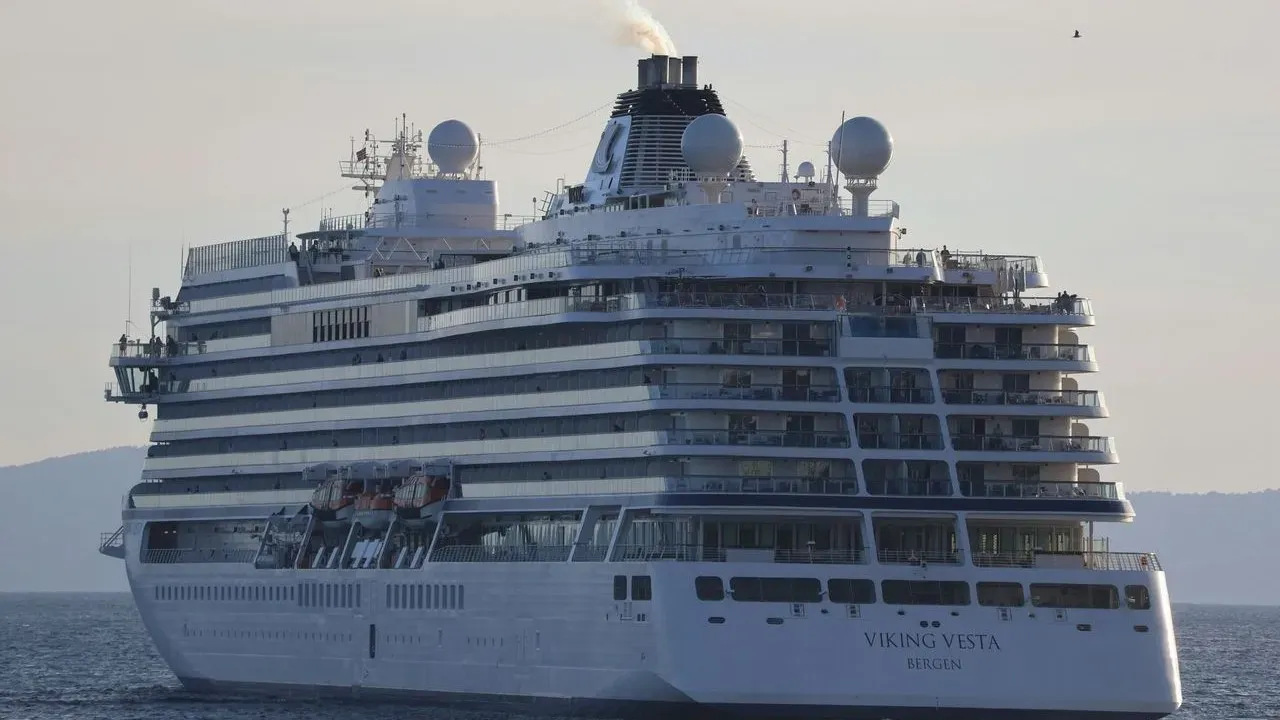

Aboard Viking Sky, a pianist and violinist play in the glass-walled Explorers’ Lounge while the Spanish coast slides past the windows. Few children are in sight, and the room has the calm, residential feel that the line aims for across its fleet. Gene Sloan, a cruise writer for The Points Guy, describes this setting as his favorite place on the ship. His first-person account of a seven-night Western Mediterranean sailing offers a close look at why the brand’s approach resonates with travelers in their later years. ([1])
Built for a particular stage of life
Sloan, who is 57, counts himself among the younger guests on his sailing. Most passengers are in their 60s, 70s and 80s, and that demographic is the result of deliberate choices rather than chance. Viking was founded 29 years ago and has built its reputation on a narrower focus than many competitors, shaping both its ships and its excursions around older travelers.
The line does not try to suit every age group or interest. Its onboard venues, daily entertainment and shore programs are designed with a single kind of guest in mind. For many passengers, that clarity is the point. Sloan notes that the company has 13 ships, and that they are all essentially built to the same design, which gives repeat sailors a familiar setting from one voyage to the next.
Time in port, and the miles between them
Sloan’s sailing included two full days each in Barcelona and Livorno, Italy, the port for Florence and Pisa. That is an unusually long stay for a voyage of only seven nights. In Sete, France, the ship remained docked until 8 p.m., giving guests time to visit town in the early evening for its local octopus pies and Picpoul wine.
These longer stays are possible because the ships rarely cover much distance between stops. Sloan points out that the company never travels more than 200 miles between ports, and the leg from Sete to Marseille is only 82 miles. The result is less time spent at sea and more time ashore, which suits travelers who want depth in each destination rather than a long list of quick stops.
Every port also includes a guided tour at no extra charge. In Barcelona, that meant a walk through the Gothic Quarter and the Sagrada Familia. In Sete, guides led travelers through the canals that give the town its “Venice of the Languedoc” nickname. Sloan and his companion chose an optional all-day tour to Florence for $209 per person, which took in sites including the Duomo. Additional tours are available for an extra fee.
Learning on board as well as ashore
The enrichment continues once the ship leaves port. Much of the activity schedule centers on what Viking calls cultural enrichment, including lectures by experts on the regions the ships visit. On this sailing, a historian covered the broad history of France and Italy, from Roman times through the Second World War. Another speaker discussed French artists such as Claude Monet and the history of the Monaco Grand Prix before the ship reached those countries.
Dinner menus often reflect the destination as well. In Barcelona, guests were served a Spanish red bean soup and grilled lemon-marinated chicken. Entertainment follows a similar logic. Local flamenco dancers performed in Barcelona, a tenor sang opera in Livorno, and the ship’s singers covered ABBA songs and Broadway tunes. Sloan describes the mood as far less loud than many cruise entertainment programs, with live music kept at a level that allows conversation.
Viking’s policies also shape the atmosphere. The line does not permit children under 18 on its ships, and its vessels do not include casinos or family attractions such as waterslides. Sloan says these absences are a significant part of the appeal for many of the line’s older customers. The result is a quieter setting that matches the pace of travel these guests tend to prefer.
Small details that make travel easier
Sloan argues that the ships are also designed with aging eyesight and mobility in mind. Toiletries come in containers with oversized, clear labels. Cabin beds include reading lamps in the headboards, and bathroom mirrors are backlit or ringed with light. Remote controls carry only a few large buttons, and the bathrooms have heated floors and anti-fog mirrors.
The fare structure follows the same practical logic. Viking’s pricing covers much of the trip, and guests can expect the following to be included:
- Accommodations and meals
- Wine, beer and soft drinks with meals
- Shipboard WiFi
- Guided tours in every port
- Airport transfers for international flights booked through Viking
Some higher-level cabins add complimentary laundry service and a premium beverage package. Sloan also notes relatively low solo fares, a relaxed pace on walking tours, and a booking process that can be completed through a travel agent, Viking directly or the company website.
A measured fit for the right traveler
Sloan acknowledges that Viking is not for everyone, and he suggests that this is intentional. Families with young children are not welcome on the ships, and the line’s identity rests on its focus on older travelers who want to explore the world in comfort. For that audience, the appeal lies in unhurried days, real time in historic towns, and a shipboard setting that does not compete for attention.
For travelers in their later years, the lesson is less about any single feature than about the overall rhythm of the trip. Longer port stays, included guided walks and calm, uncluttered surroundings allow guests to focus on the places they have chosen to see. Sloan’s own sailing suggests that this combination can make the destination the center of the journey.
AI Disclaimer: This article was created with the assistance of AI tools and reviewed by a human editor.