
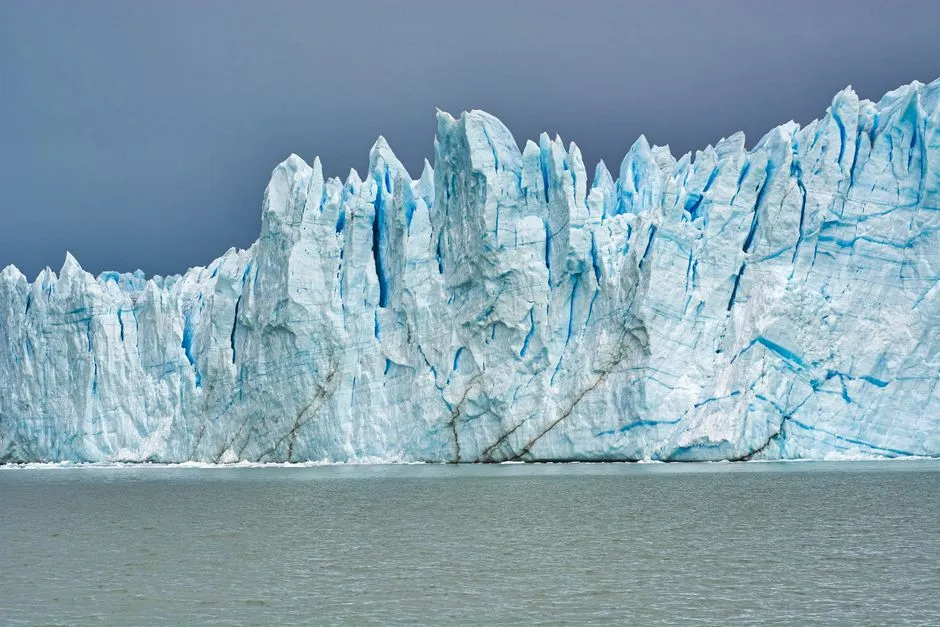

Every spring, something remarkable happens along the eastern edge of North America. Ancient towers of glacial ice, born from Greenland’s eroding ice sheets, begin a slow, silent drift southward into the waters of Newfoundland. It is one of the few places on Earth where travelers can stand on a rocky headland and watch these frozen giants pass within plain sight of the shore.
The experience is hard to put into words. The icebergs range from the size of a small car to structures that dwarf entire villages, and their colors shift between brilliant white, pearl grey, and a vivid aquamarine that seems almost artificial. What you see above the waterline, though, is only a fraction of the full picture.
What Exactly Is Iceberg Alley?
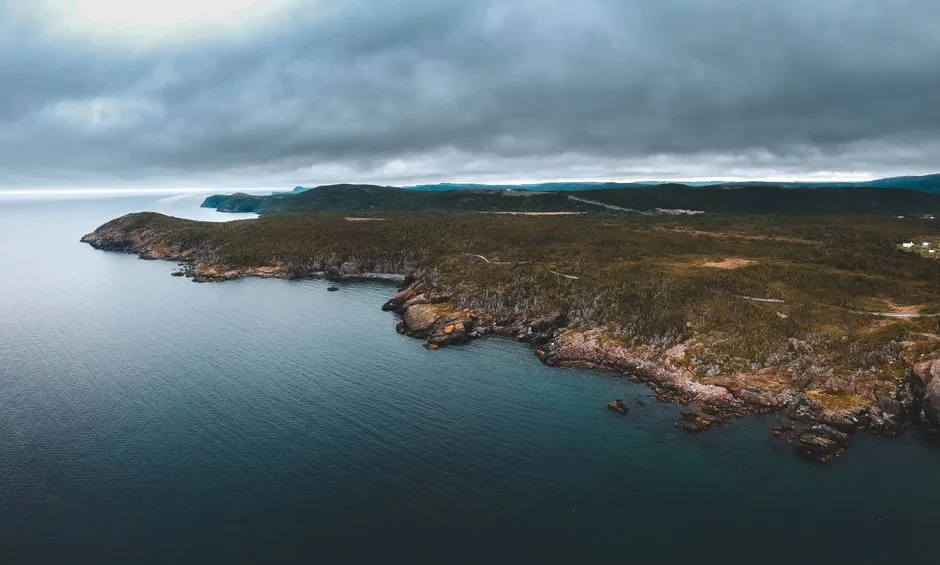
Iceberg Alley runs along the coast from the northern tip of Labrador to the southeast coast of Newfoundland. This area sees a heavy concentration of iceberg flow starting from Greenland, which is precisely what gave it its name. The corridor has drawn naturalists, photographers, and curious travelers for generations.
It is estimated that between 400 and 800 medium and large icebergs flow along Iceberg Alley every year. That number, however, shifts significantly from one season to the next, making every visit a quiet gamble against nature’s unpredictability.
Where Icebergs Actually Come From
Roughly 90 percent of icebergs seen off Newfoundland and Labrador come from the glaciers of western Greenland, while the rest come from glaciers in Canada’s Arctic. The journey these masses of ice complete before reaching the Newfoundland coast is staggering in both scale and duration.
The icebergs drift for an average of two to three years, traveling along the Baffin Island Current, then the Labrador Current to the Grand Banks of Newfoundland, and then many of them make their way to Iceberg Alley. Some icebergs are over 10,000 years old. That means the ice drifting past the cliffs of Twillingate or Ferryland may have formed during the last ice age, long before recorded human history in the region.
The Science of Calving: How Icebergs Are Born
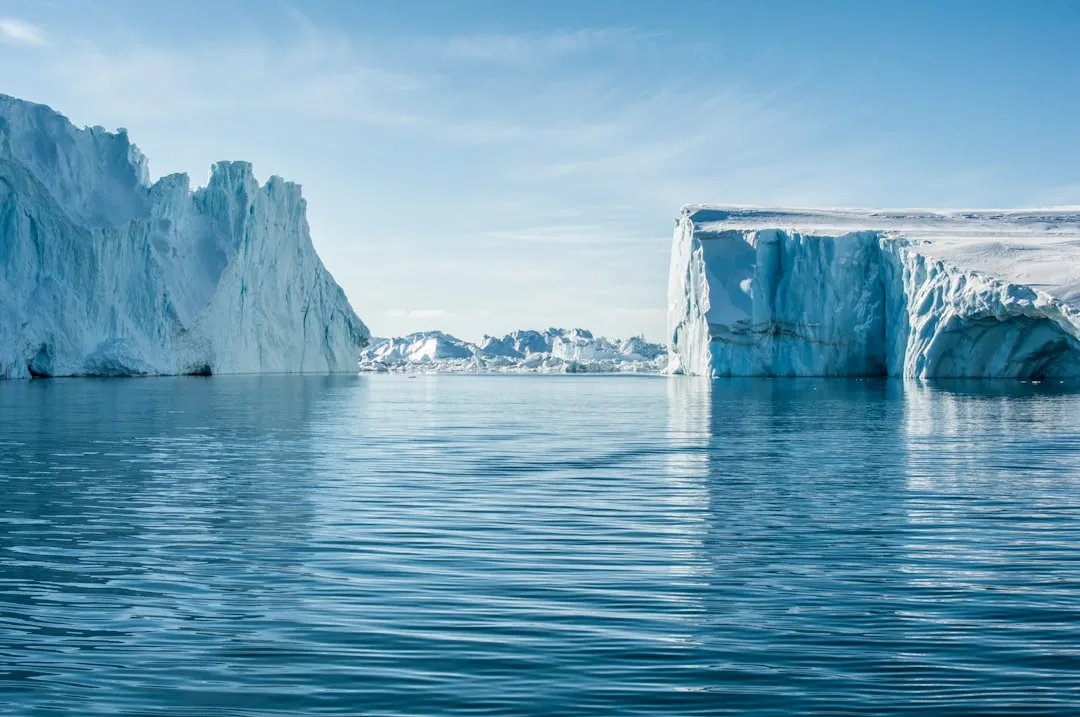
Between one third and one half of the ice lost annually from the Greenland Ice Sheet is from the breakaway of icebergs (calving) and submarine melting at the termini of marine-terminating outlet glaciers. This process is constant, producing tens of thousands of new icebergs every year across the Arctic.
Every year, about 40,000 medium to large-sized icebergs break off, or calve, from Greenland glaciers. Only about 400 to 800 make it as far south as St. John’s, but these numbers can vary greatly from year to year. The journey is essentially a natural filtering process, with warmer water and shifting currents eliminating the vast majority before they ever come into view of a single tourist.
Researchers in Greenland used a fiber-optic cable to track how iceberg calving stirs up warm seawater, and found that the resulting surface tsunamis and massive hidden underwater waves intensify melting at the glacier face, accelerating ice loss far more than previously understood.
The Long, Slow Journey South
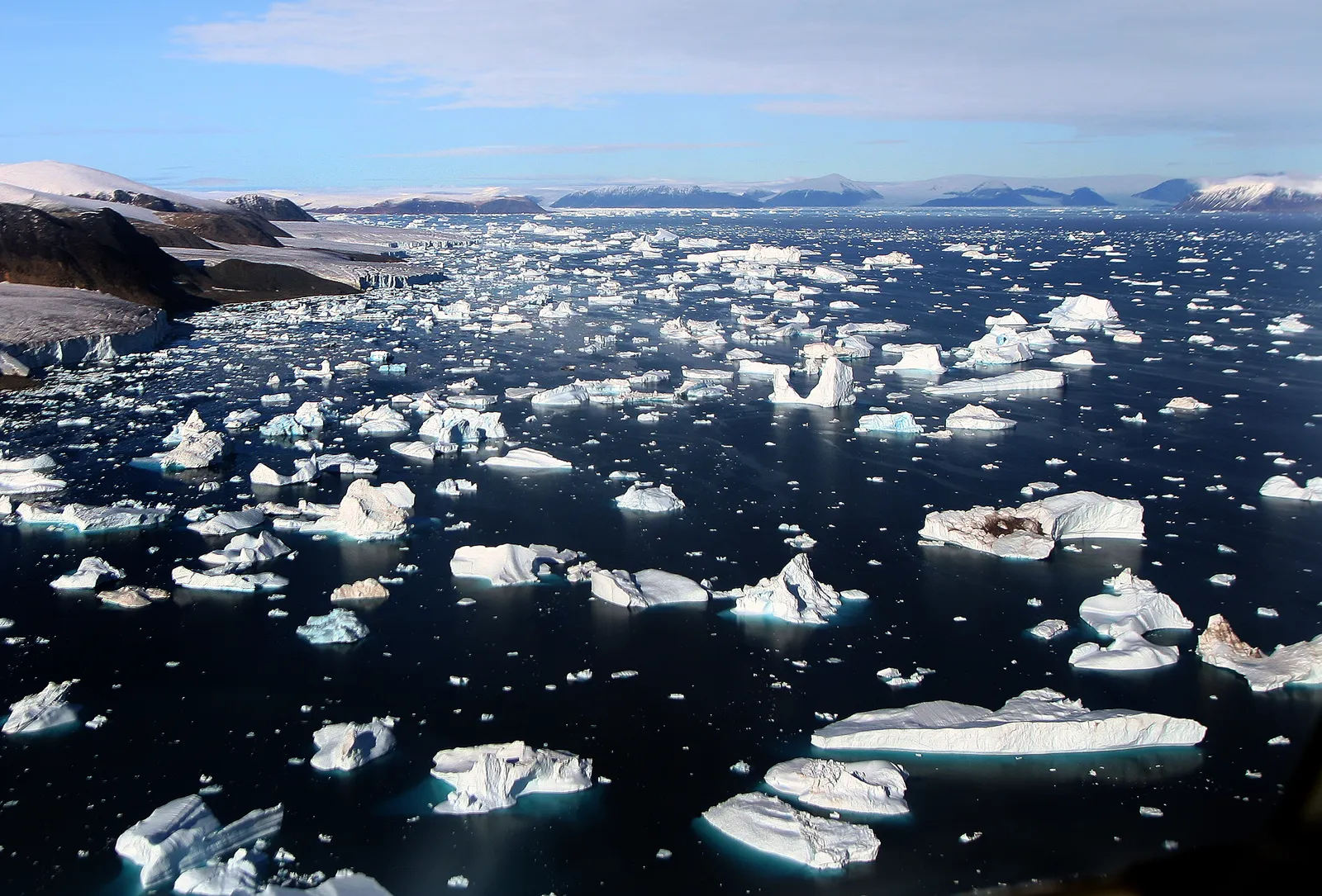
Icebergs start their journey on Greenland’s west coast where the glaciers calve into the ocean, then travel with the Labrador Current down the coast, traversing over to Newfoundland around St. Anthony at the tip of the Great Northern Peninsula, where the Labrador Current coaxes them further down the coast.
Each berg moves at its own pace, dictated by ocean currents, waves, wind, and its own shape and size, with the average drift speed of an iceberg being around 0.7 km/h. By the time icebergs reach Newfoundland, they have already lost about 85 percent of their original size. What visitors see is already a greatly diminished version of the original mass that broke free from Greenland.
When to Go: Timing the Season
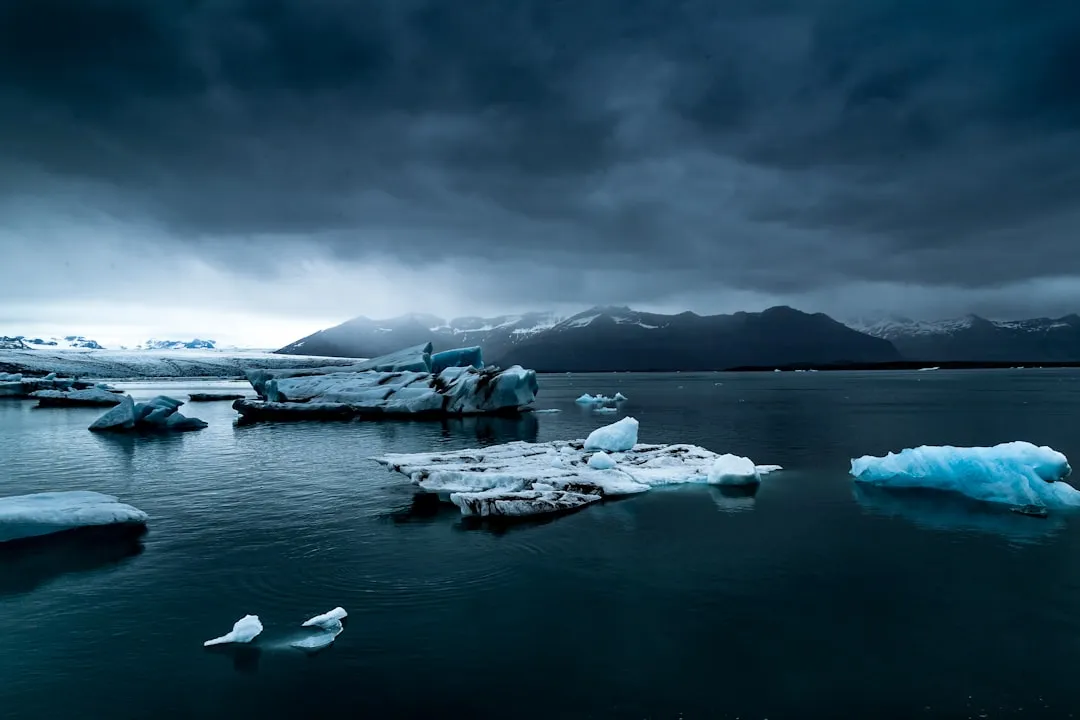
The iceberg viewing season runs from April to July, with late May and early June being the prime time. Bergs are actually most plentiful in April and May but are often trapped in sea ice that prevents tour boats from operating.
The further north you go, the longer the iceberg season. The icebergs come through Iceberg Alley from spring to early summer, and as you move north, the season stretches a bit longer. For travelers who want flexibility and the best chance of getting out on the water, late May and early June hit the sweet spot across most of the island’s coastline.
The Best Places to Watch From Shore and Sea
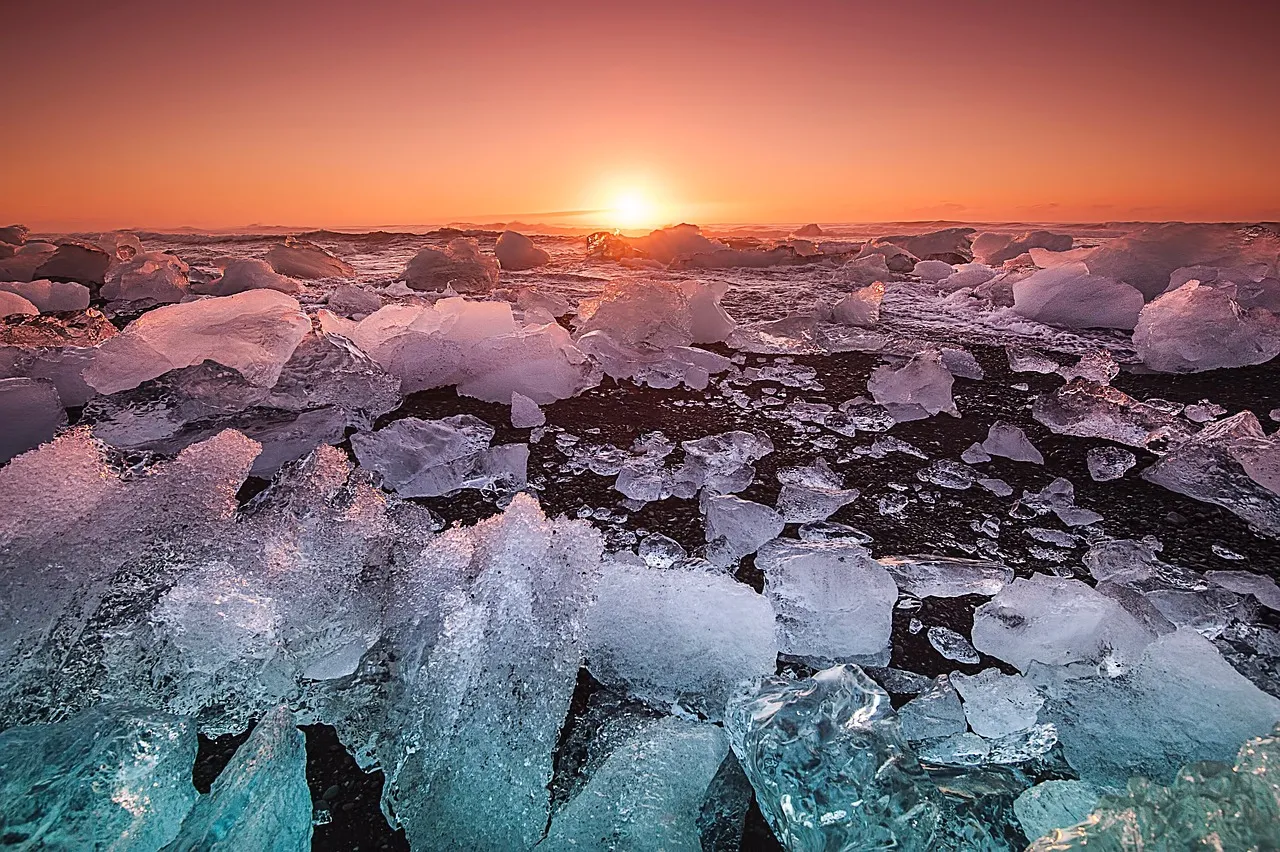
Iceberg Alley stretches from the coast of Labrador to the southeast coast of the island of Newfoundland, with some of the more popular places from shore or from tour boats including St. Lewis, Battle Harbour, Red Bay, Point Amour, St. Anthony, La Scie, Twillingate, Fogo Island, Change Islands, Bonavista, St. John’s and Cape Spear, and Bay Bulls and Witless Bay.
Twillingate is part of Newfoundland’s Iceberg Alley and calls itself the iceberg capital of the world. Other popular spots include Fogo Island, Bonavista, Bay de Verde, Cape Spear, Bay Bulls, and Ferryland, which is a picturesque destination just an hour’s drive from St. John’s, perfectly situated halfway between the capital city and the Mistaken Point UNESCO World Heritage Site.
The best ways to watch icebergs are by boat tour, kayak, and from land, with many tourism operators around the province offering boat tours designed to show visitors the icebergs at their best, along with visiting whales and numerous sea birds.
The Ferryland Phenomenon: When an Iceberg Makes Global Headlines
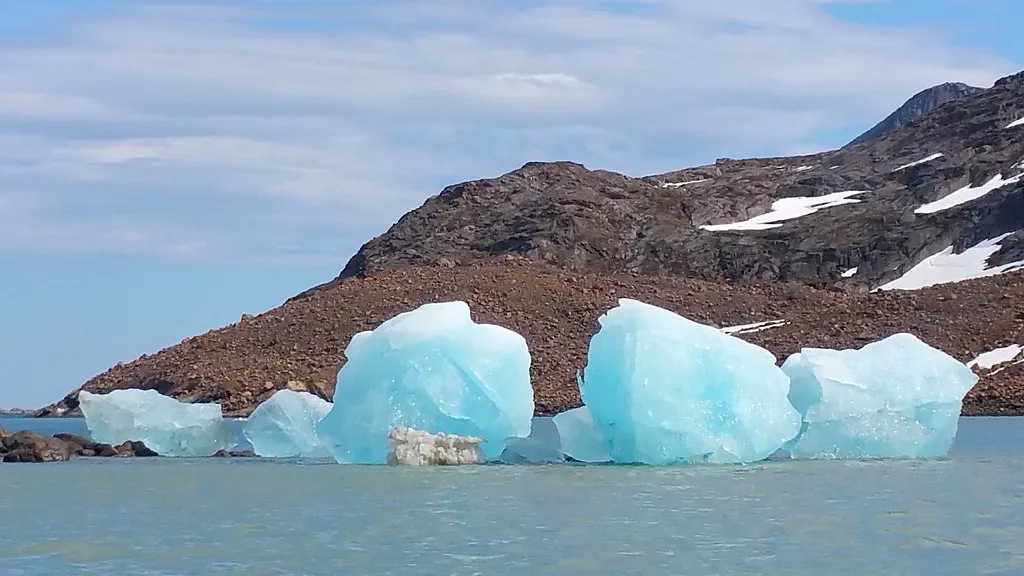
In 2017, a giant iceberg measuring 150 feet tall went aground near the Newfoundland village of Ferryland, dwarfing all of the homes nearby and making headlines around the world. This particular iceberg became grounded in 330-foot deep waters, which proved to be shallow relative to its size.
Ferryland is home to some 400 residents, and the locals are lucky to enjoy beautiful marine sceneries year-round, but particularly breathtaking views take over the horizon during the season of icebergs floating by. The grounding events like the one in Ferryland are a reminder that these structures are not just scenic. They are enormous physical forces, capable of becoming temporary landmarks in their own right.
Icebergs, Whales, and Seabirds: A Rare Triple Encounter
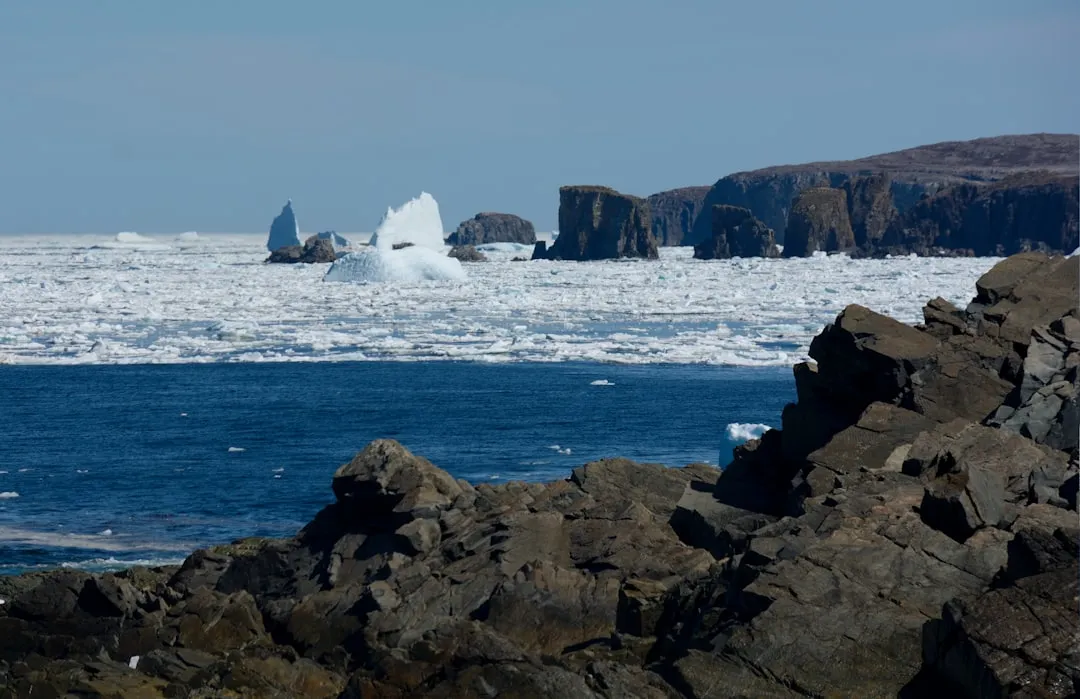
Newfoundland is one of the few places in the world to receive simultaneous visits from whales, seabirds, and icebergs. As the whales and birds migrate north and the icebergs sail south, there’s a chance to experience all three of these wonderful sights in one trip.
Apart from icebergs, catching a glimpse of humpback whales, fin whales, minke whales, and orcas is a possibility on an iceberg viewing tour. In some years and in a few areas of Newfoundland’s northeast coast, northward migrating whales and seabirds cross paths with southward drifting bergs, though the number of bergs, water temperatures, the timing of bergs and migrations, and other natural factors all have an effect, and while the triple spectacle is not entirely uncommon, it should not necessarily be expected.
Safety, Scale, and the Hidden Danger Below
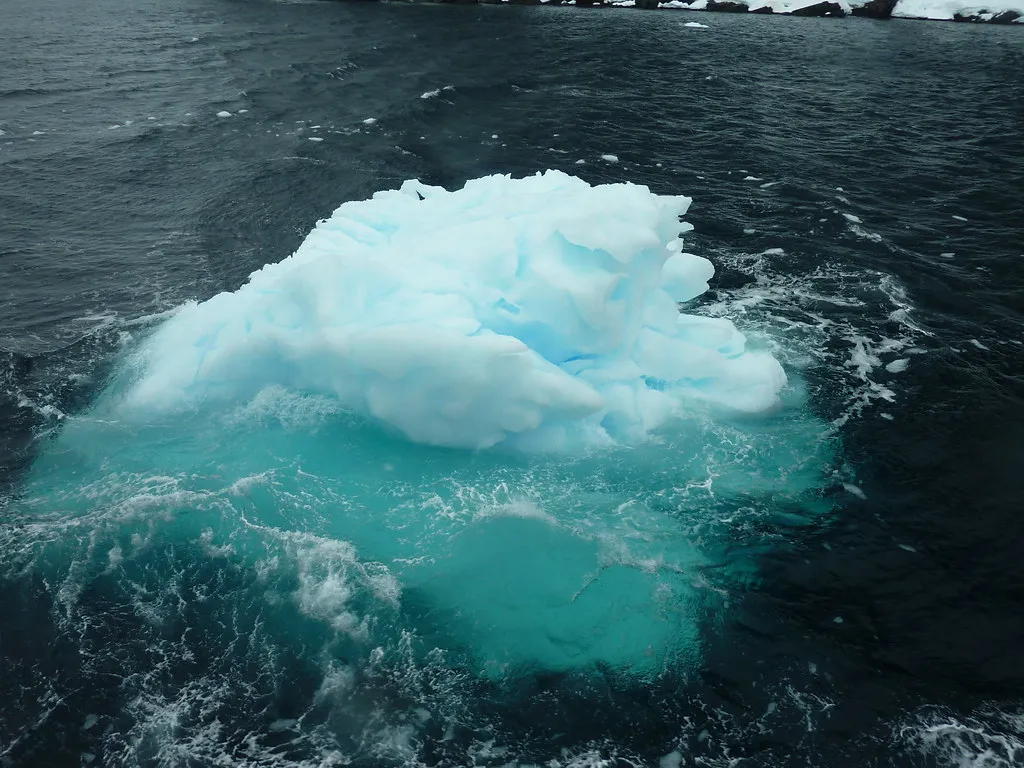
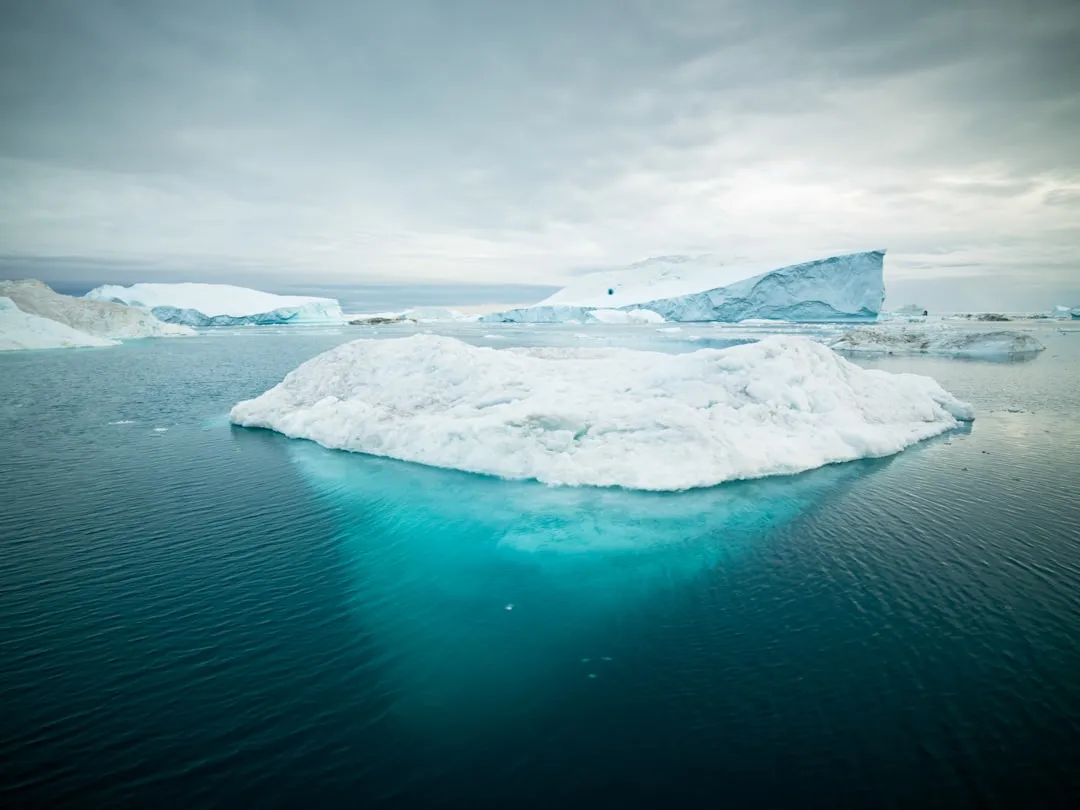
Ice has a density of 0.92 g/ml, or nine-tenths of water’s density, which is why the majority of an iceberg floats below the surface. The popular phrase “tip of the iceberg” is literally grounded in physics. What you see from a boat or cliffside is only a small window into the true mass lurking beneath.
Icebergs are constantly melting, with chunks breaking off or collapsing dramatically, often creating large splashes and waves. These unpredictable conditions can pose risks to anyone nearby in a small boat, and when viewing icebergs from the water it is recommended to maintain a safe distance equal to the length of the iceberg or twice its height, whichever is greater.
Icebergs can weigh up to several million tonnes, with the biggest icebergs coming in over 10 million tonnes, while the average weight of Newfoundland icebergs is still an impressive 100,000 to 200,000 tonnes. Respect for that scale is not optional. It is simply part of understanding what you are looking at.
Climate Change, Tourism, and What the Numbers Are Telling Us
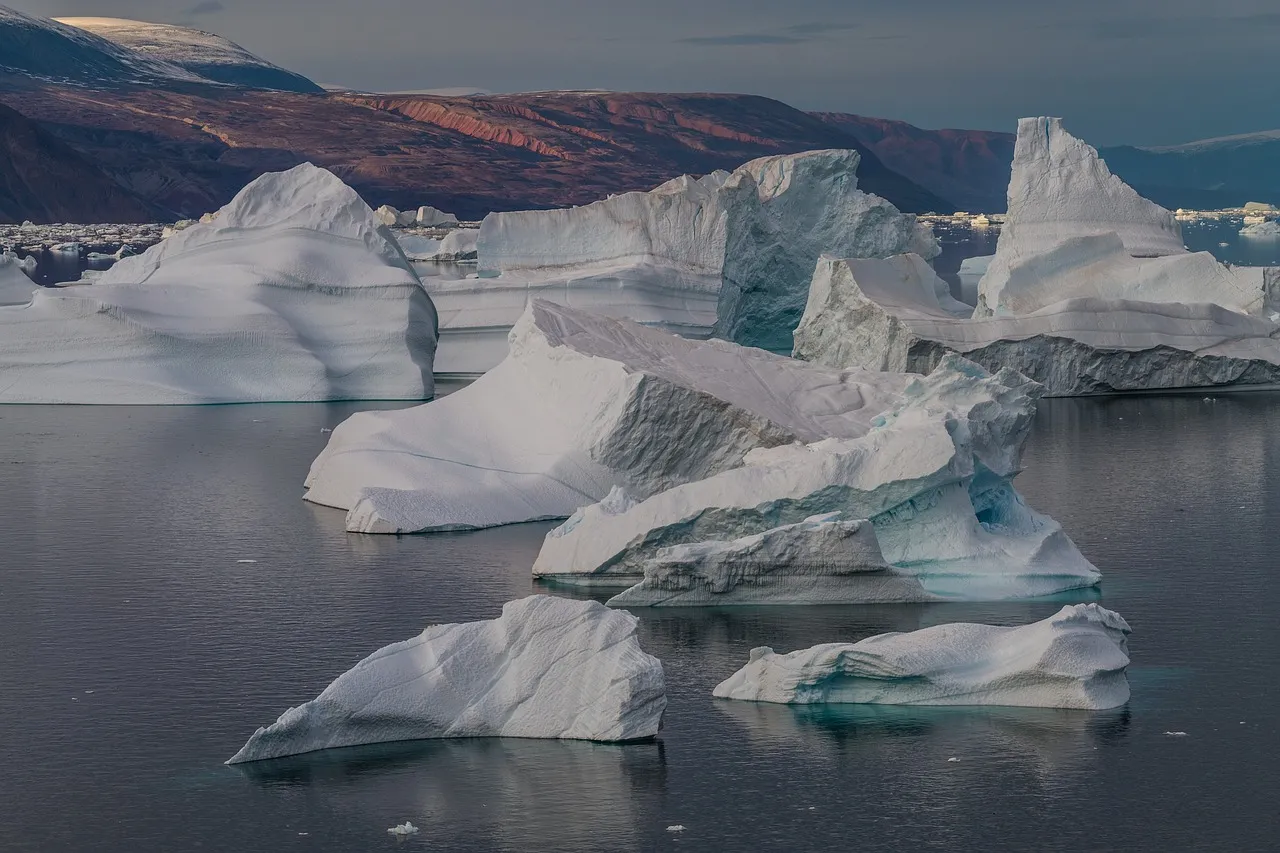
The mass of the Greenland ice sheet has rapidly declined in recent years due to surface melting and iceberg calving, with research indicating that between 2002 and 2025, Greenland shed approximately 264 gigatons of ice per year, causing global sea level to rise by 0.8 millimeters per year.
In 2020, 2021, and 2022, the International Ice Patrol reported that 169, one, and 58 icebergs, respectively, crossed the 48th parallel north, a major change from 2019 when more than 1,500 icebergs crossed the same latitude. Year-to-year variation has always been part of iceberg watching, but the long-term trend bears watching carefully.
The waters in the Newfoundland and Labrador Shelves have been warming, with recent annual average temperatures that were 0.4 degrees Celsius higher than the climate normal for the epipelagic water layer, which could have an impact on the speed at which the icebergs melt and their size as they make their way down Iceberg Alley. Despite this uncertainty, Newfoundland and Labrador’s tourism industry generated more than $1.4 billion in revenue in 2025, as the province recorded increases in visitors, cruise traffic, and park usage.
Diane Davis, the administrator of the Newfoundland Iceberg Reports Facebook page, noted that when she first started the group, she ended up with 800 people and considered it a grand success, but by early 2024 the group had grown to 78,000 members. The community built around iceberg sighting has become a living, real-time monitoring network that serves both tourists and researchers alike.
Tracking, Planning, and Making the Most of Your Visit
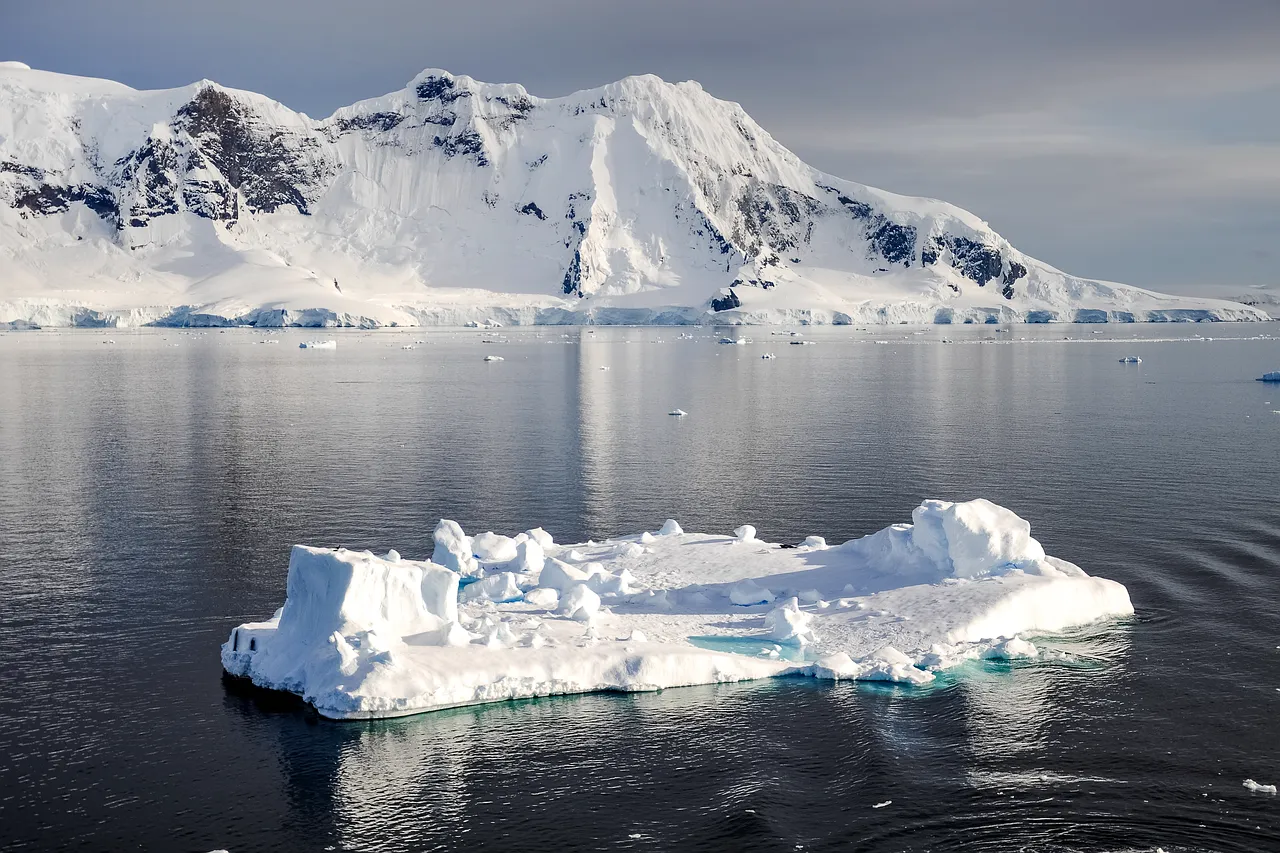
Using satellite technology and visual sightings from tourism operators and visitor information centres, icebergs are plotted in real time, with data coming from two sources: visual sightings from on-the-ground ambassadors, and satellite detections from C-CORE using data from the European Space Agency and NASA.
Iceberg spotting experts at C-CORE, a remote sensing lab in St. John’s, confirmed an uptick in visible sightings in 2025 compared to 2024, while noting that numbers remained well below historical averages, with regional variations notable: communities further west and north seeing relatively more icebergs, while those to the south and east saw fewer. The iceberg season is becoming, year by year, a little less predictable.
Before your trip, or once you have landed, check out IcebergFinder.com, a website that helps travelers locate icebergs across the province. During the active iceberg season, Newfoundland and Labrador’s IcebergFinder is the established resource for recent sightings, and the crowd-sourced Newfoundland Iceberg Reports group on Facebook is another fine resource for up-to-date information.
There is something quietly humbling about standing at the edge of a Newfoundland headland and watching a 10,000-year-old piece of Greenland’s glacial past drift silently by. The icebergs don’t pause for photographs. They don’t linger. They follow currents that existed long before any of us arrived. That impermanence is exactly what makes them worth seeking out while the season still allows it.
AI Disclaimer: This article was created with the assistance of AI tools and reviewed by a human editor.