
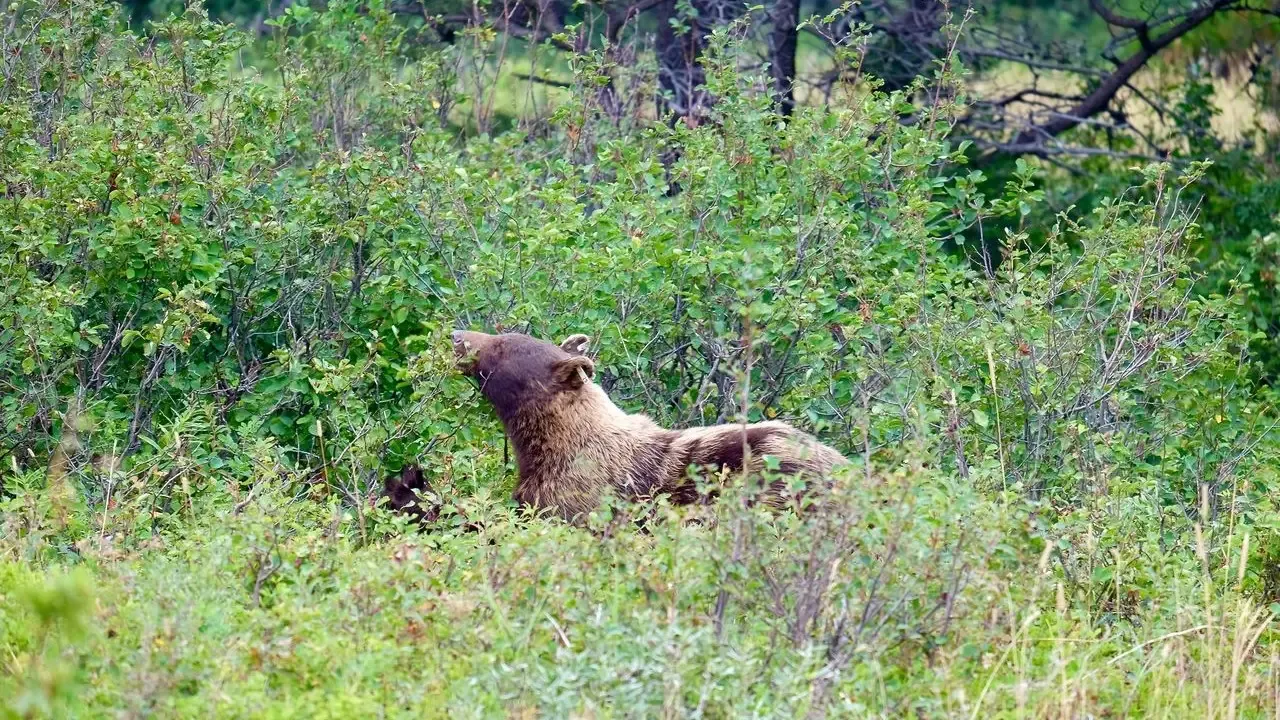

Glacier National Park has decided against killing or relocating the bear involved in a fatal encounter with a hiker earlier this year. The choice follows a formal review of the May 2026 incident that claimed the life of 33-year-old Anthony Pollio. Park officials weighed the circumstances carefully before reaching their conclusion.
The Review and Its Outcome
Park managers examined the details of the attack with input from wildlife biologists and safety specialists. Their assessment determined that the bear’s actions aligned with natural defensive behavior rather than a pattern of aggression toward humans. As a result, the animal will remain in its habitat within the park’s boundaries.
This outcome reflects long-standing federal policy on managing wildlife in protected areas. National parks prioritize maintaining ecological balance while still addressing risks to visitors. The decision underscores that each case receives individual scrutiny based on evidence rather than automatic removal of the animal.
Why the Bear Stays
Officials concluded the encounter did not indicate the bear posed an ongoing threat. In many documented cases, bears react to surprise encounters or perceived danger to cubs or food sources. Removing every animal involved in a single incident would disrupt natural populations and contradict the park’s conservation mandate.
Glacier’s approach aligns with practices across other western parks where similar reviews have led to the same result. The emphasis remains on understanding bear behavior through data and observation. This method supports both species protection and the broader goal of preserving wild spaces for future generations.
Visitor Safety in Context
Park staff continue to stress standard precautions that have proven effective over decades. Hikers are encouraged to travel in groups, make noise on trails, and carry bear spray in accessible locations. Proper food storage remains essential in campgrounds and backcountry sites.
These measures form part of an ongoing education effort that treats visitors as partners in safe coexistence. Rangers update trail conditions and post alerts when new information emerges. The goal is informed travel rather than restriction of access to the park’s trails and wilderness areas.
What matters now
- Continued monitoring of the bear’s movements through established tracking methods.
- Clear communication of any updated trail advisories to the public.
- Support for the Pollio family through official channels.
Looking Ahead
The decision illustrates how protected landscapes balance human presence with the needs of resident wildlife. Glacier National Park remains a place where visitors can experience intact ecosystems while contributing to their stewardship through responsible choices. Ongoing research and adaptive management will guide future responses to any wildlife interactions.
Travelers who approach these wild places with preparation and respect help sustain the very qualities that draw people to them. The park’s measured response serves as a reminder that thoughtful policy can honor both loss and the enduring value of natural habitats.
AI Disclaimer: This article was created with the assistance of AI tools and reviewed by a human editor.