
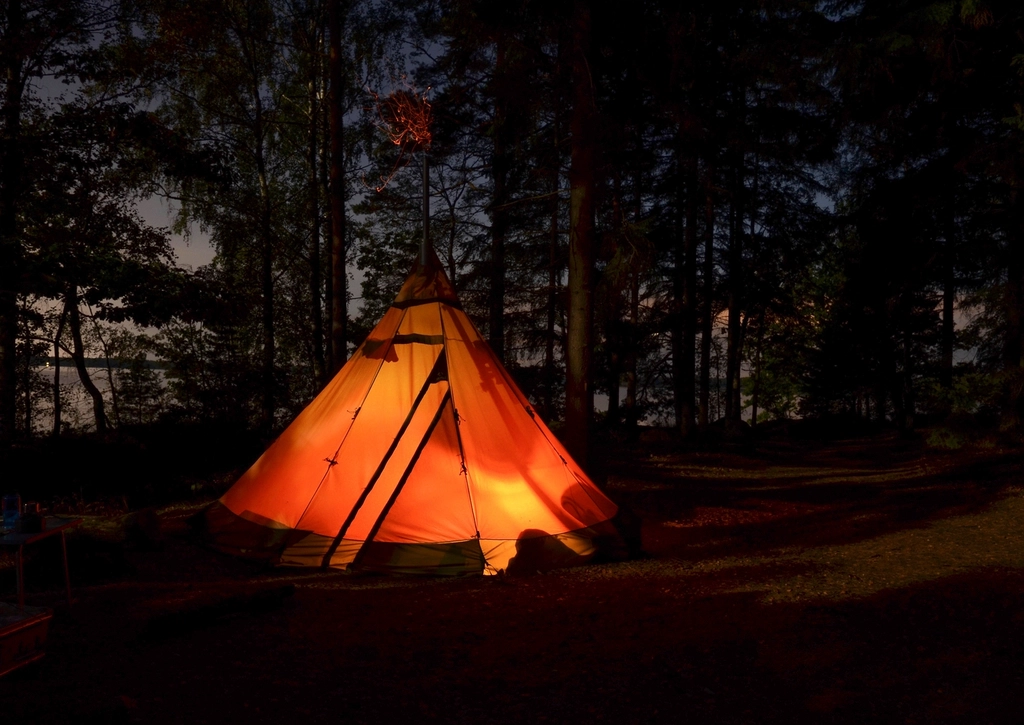

The Glamping Boom Is Real, and It’s Still Growing
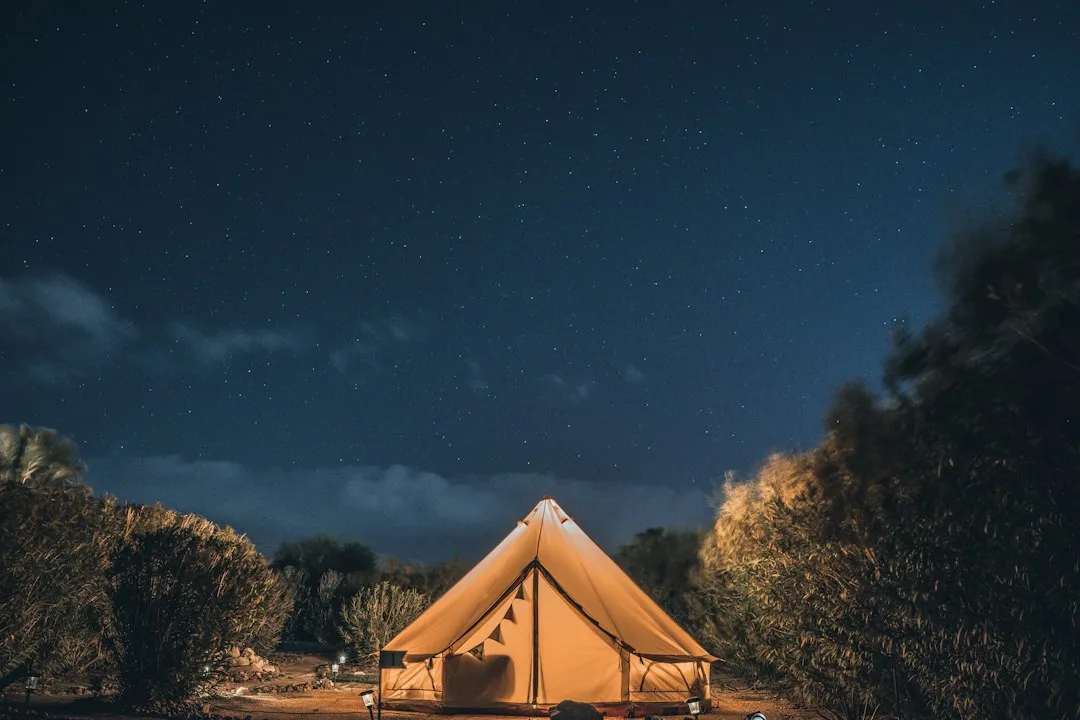
Before diving into conditions and climates, it’s worth noting just how significant glamping has become as a travel category. The global glamping market was valued at USD 3.71 billion in 2025 and is projected to grow from USD 4.07 billion in 2026 to USD 9.15 billion by 2034, at a compound annual growth rate of roughly ten and a half percent.
Europe dominates the global glamping market with a share of more than thirty-seven percent in 2025, while millennials make up the largest consumer demographic at around forty-three percent of the market. These travelers tend to plan carefully, and weather is often one of their top considerations when choosing dates.
In 2024, twenty-two percent of operators reported having multiple locations, an eighteen percent increase from 2023, highlighting growing confidence among operators and increasing demand for unique and immersive outdoor stays. The industry has matured quickly, and hosts have developed nuanced opinions about what the weather should look like to give guests the best experience possible.
Autumn Is the Season Hosts Talk About Most
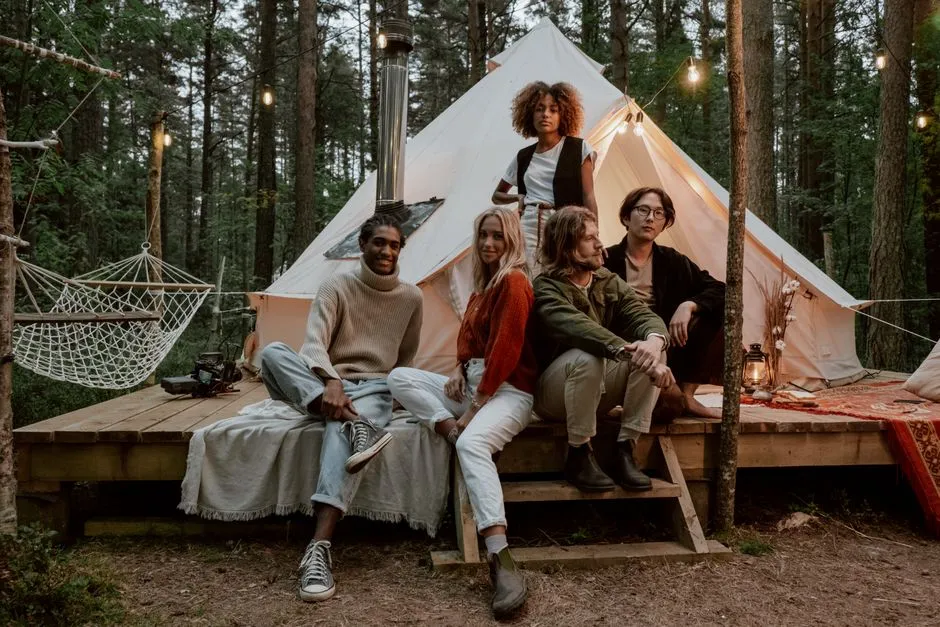
The crowds thin out, the landscapes turn golden, and the air takes on that fresh, woodsmoke scent. It’s a wonderful time for long walks, foraging, and returning to a cosy hut or tent as darkness falls earlier. Fire pits and wood burners suddenly feel essential, and evenings slow down naturally.
Fall is a favourite for many returning guests who love a cozy atmosphere. Once the summer heat fades in late September, the air becomes lighter and much more refreshing. October and November provide those classic “sweater weather” mornings that make a warm drink feel like a luxury.
For couples and anyone craving peace and quiet, autumn glamping feels especially magical: quieter, moodier, and deeply comforting, with nature putting on one last show before winter arrives. Hosts across North America and Europe consistently point to this season as their personal favorite for welcoming guests who want to genuinely unwind.
Rain on the Roof Is Not a Problem, It’s a Feature
Many first-time glampers worry about rain. Hosts who have run sites for years will tell you the opposite. Glamping pods are lovely in the rain, with cosy wood burners to while the evenings away in front of the fire while listening to the sound of rain on the roof, and bathtubs positioned under cover so guests can watch the rain from the comfort of the bath.
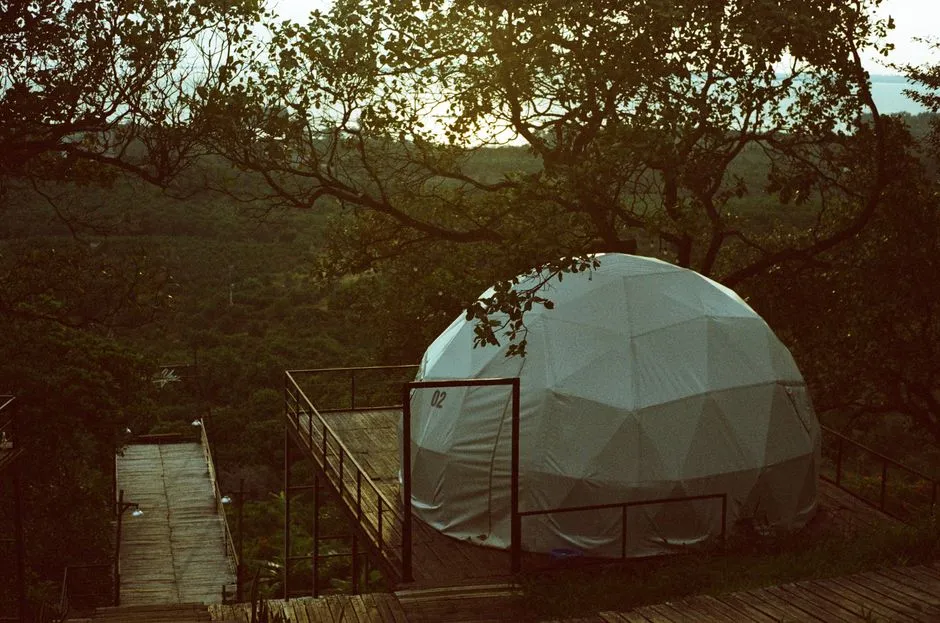
Rain is actually one of the most popular experiences in a bubble dome. Guests get to watch the water fall all around them while staying completely dry and warm inside. There’s a particular magic to that sensation, being held inside warmth while weather performs outside the glass.
Light the wood burner and let the rhythmic sound of the raindrops lull you into peaceful relaxation. Pour yourself a cup of herbal tea or hot cocoa, letting the warmth seep into your hands as you sip. It’s the perfect moment to lose yourself in a good book, the pages turning slowly as time drifts by unnoticed.
Winter Glamping: Cold Outside, Warm Inside
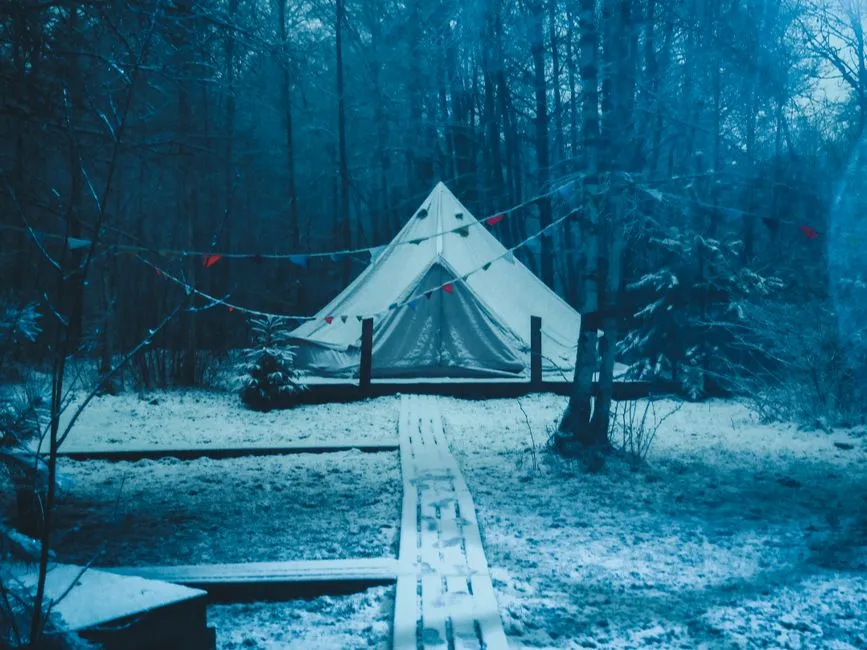
Winter glamping offers something truly special for those who love cosiness and seclusion. Think frost-covered fields, star-filled skies, and snug interiors warmed by log fires. Many winter-ready glamping stays are beautifully insulated and thoughtfully designed, turning cold weather into part of the experience rather than a drawback.
Winter glamping accommodations are designed to provide warmth and comfort, making it easier to enjoy the outdoors. Options like heated tents, insulated cabins, and cozy yurts offer all the essentials to keep you comfortable even in chilly weather. These setups often include amenities like electric heaters, wood stoves, or even fireplaces, letting guests experience the cold season without giving up on comfort.
Hot tubs feel even better on chilly nights, and days are made for slow starts and simple rituals. It’s an ideal season for romantic escapes and digital detoxes: fewer distractions, fewer people, and a deeper sense of calm. Hosts often note that winter guests are the most relaxed of the entire year, perhaps because the cold itself encourages stillness.
The Coziness of a Snowy Landscape Through Glass
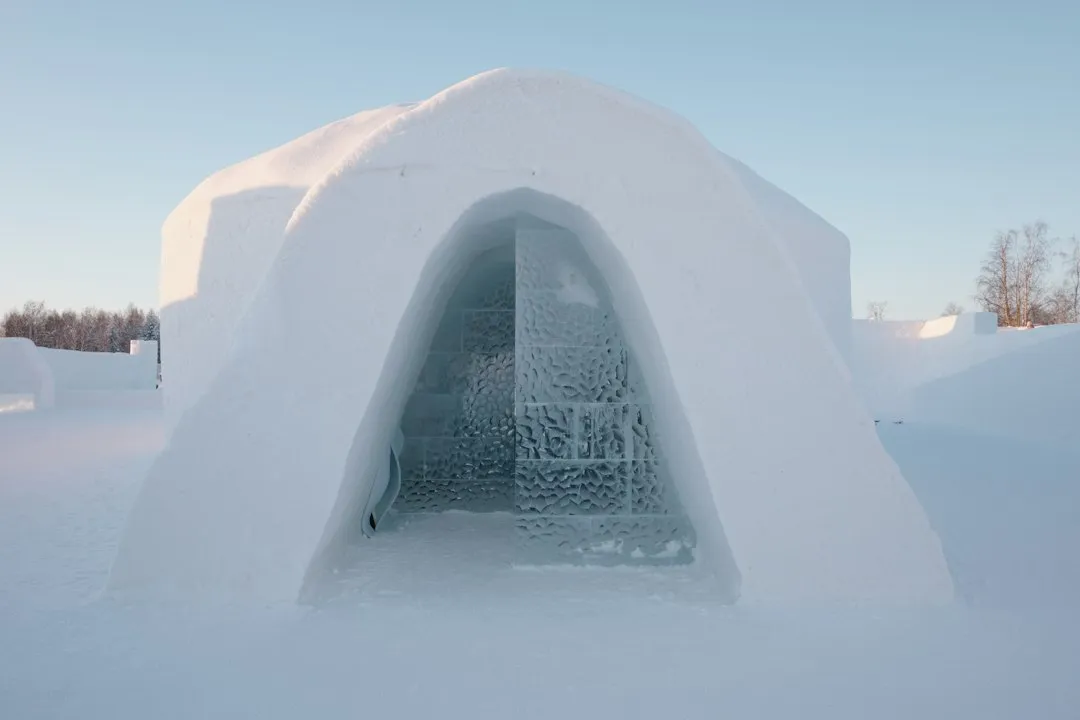
In a pod, tree house, glass-walled igloo, or geodesic dome, guests are completely immersed in nature but stay warm and surrounded by creature comforts, even if a storm is raging around them. The visual drama of snowfall, seen from inside a heated structure, is something hosts describe as one of the most requested experiences they offer.
To be surrounded by a snowy wonderland but snug and warm inside is the ultimate winter glamping experience. The quiet, snowy landscapes still offer plenty of opportunities to romp around outside, after which guests can cozy up indoors and roast s’mores on a wood-burning stove.
Bubble domes are fully equipped with high-quality heating systems to keep the interior cozy. Guests can watch a winter storm or a frost-covered forest while tucked under thick, soft linens. That particular contrast, wild weather witnessed in complete comfort, is something that simply cannot be replicated in a hotel room.
Spring Brings Mild Temperatures and a Quieter Crowd
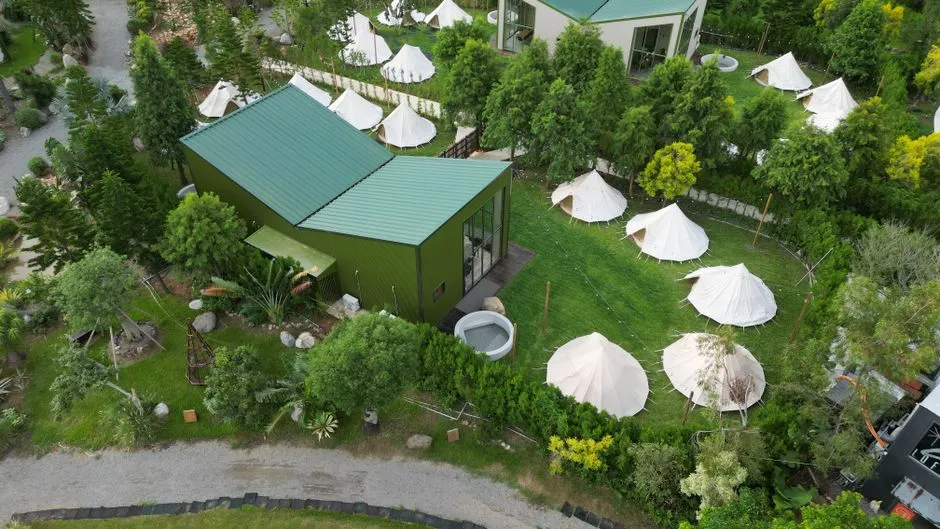
Transitional seasons offer ideal conditions for glamping tents, with moderate temperatures requiring minimal heating and pleasant days with comfortable conditions. Spring brings wildflowers, bird activity, and rejuvenation visible from your glamping tent.
Spring is an ideal season for glamping, especially if guests enjoy mild weather and blooming landscapes. Hosts appreciate spring for a practical reason too: occupancy tends to be lighter than summer, which means more personalized attention to each guest and a quieter overall atmosphere on site.
Spring from March through May is one of the most romantic times in regions like the Texas Hill Country. The landscape bursts into color with wildflowers, temperatures are comfortable, and activities like wine tastings and scenic drives are at their peak. For guests who prefer discovery over crowd-watching, spring consistently delivers.
Summer Nights and the Pull of Open Skies
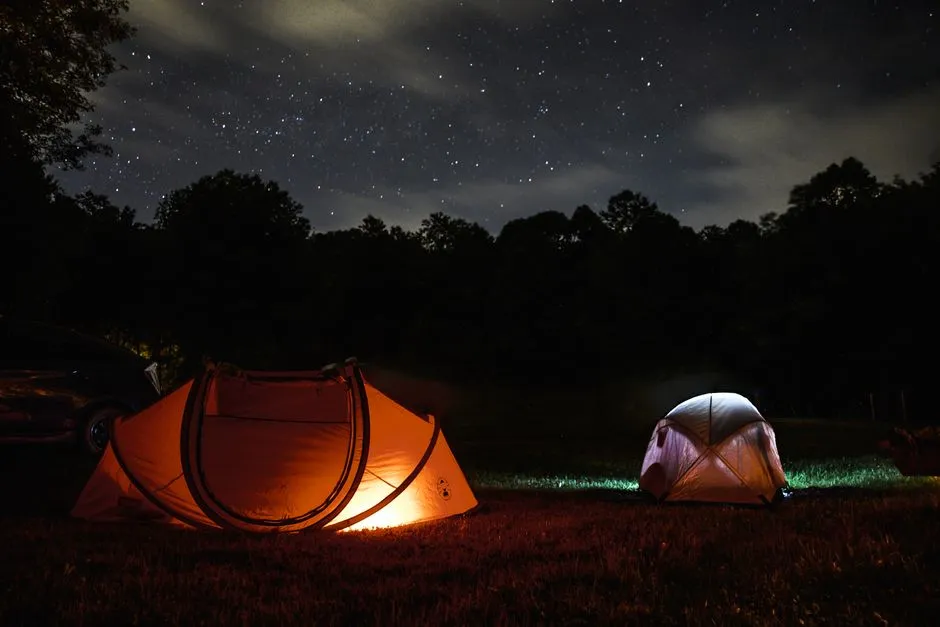
Summer is peak glamping season, and it’s easy to see why. It’s perfect for family holidays, festivals, coastal escapes, and sociable stays with friends. Many glamping sites offer extra space to roam, swim, or play, making the most of the warm weather.
Domes equipped with fans and air conditioning handle summer heat well. Between the glow of fireflies and the trail of shooting stars, summer nights set beneath dark skies feel nothing short of magical. Hosts in low-light-pollution areas often note that guests who arrive expecting warmth leave remembering the stars above all else.
Stargazing is particularly impressive during autumn and summer months. The skies tend to be clearer, and earlier sunsets mean guests can begin their evening by the hot tub sooner. For families, summer offers long daylight hours that make outdoor exploration genuinely easy. The challenge for hosts is managing the high demand that comes with it.
Desert Glamping and the Magic of Temperature Contrast
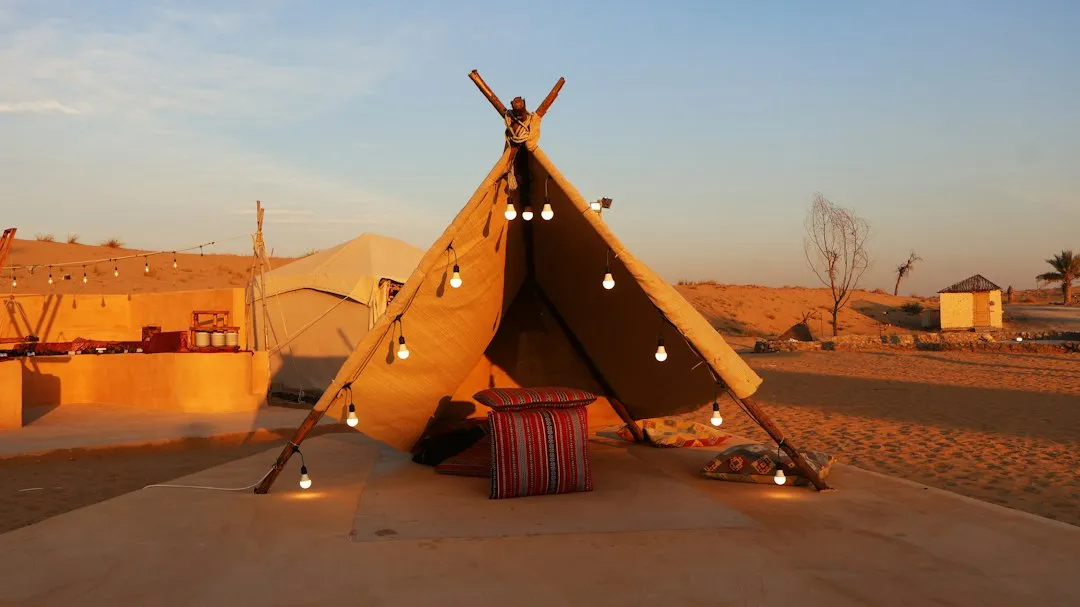
Southwest desert glamping presents a striking weather reality. Dry heat may feel manageable, but it drains guests fast, and dehydration can creep up before thirst hits. Days climb to between ninety-five and one hundred ten degrees Fahrenheit, then nights plummet to between thirty-five and forty-five degrees under endless stars.
For desert regions like Arizona, Utah, Nevada, and New Mexico, fall and spring provide cooler temperatures, making them ideal for exploring without the intense summer heat. Seasoned hosts in these regions will tell you that the shoulder seasons are genuinely their best months. The extreme temperature swings of midsummer can make outdoor enjoyment difficult without careful planning.
That nighttime chill, though, is where desert glamping earns its reputation. Once the sun dips and the air cools rapidly, sitting outside beneath an enormous, unpolluted sky becomes an experience that feels almost otherworldly. Hosts in Arizona and Utah consistently highlight the post-sunset hour as the defining moment of a desert stay.
What Glamping Hosts Consistently Recommend
Glamping offers a luxurious way to connect with nature no matter the season. The ideal time for any trip is determined by the chosen location, desired activities, and preferred weather conditions. Experienced hosts don’t tend to push one universal “best” season. Instead, they guide guests toward what the weather can offer them specifically.
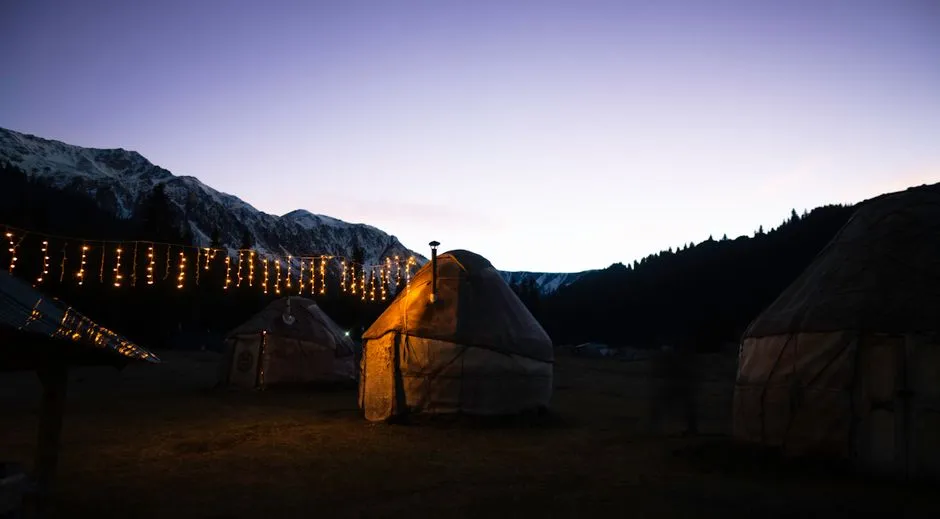
Whether cozy in a heated yurt during winter or enjoying sunny days in a beachfront tent during summer, the versatility of glamping accommodations makes it ideal no matter the season. Glamping stays are made for slowing down. Many are deliberately off-grid or tucked away in peaceful corners where phone signals fade and time stretches out. Days revolve around simple pleasures: cooking over a fire, watching the light change, soaking in a hot tub under the stars. Without distractions, conversations linger longer and moments feel richer.
For those booking outside peak summer months, hosts recommend looking for properties with wood burners, insulation, and double glazing. These details separate a truly all-weather site from one that only performs well in mild conditions.
The Year-Round Shift That Is Reshaping the Industry
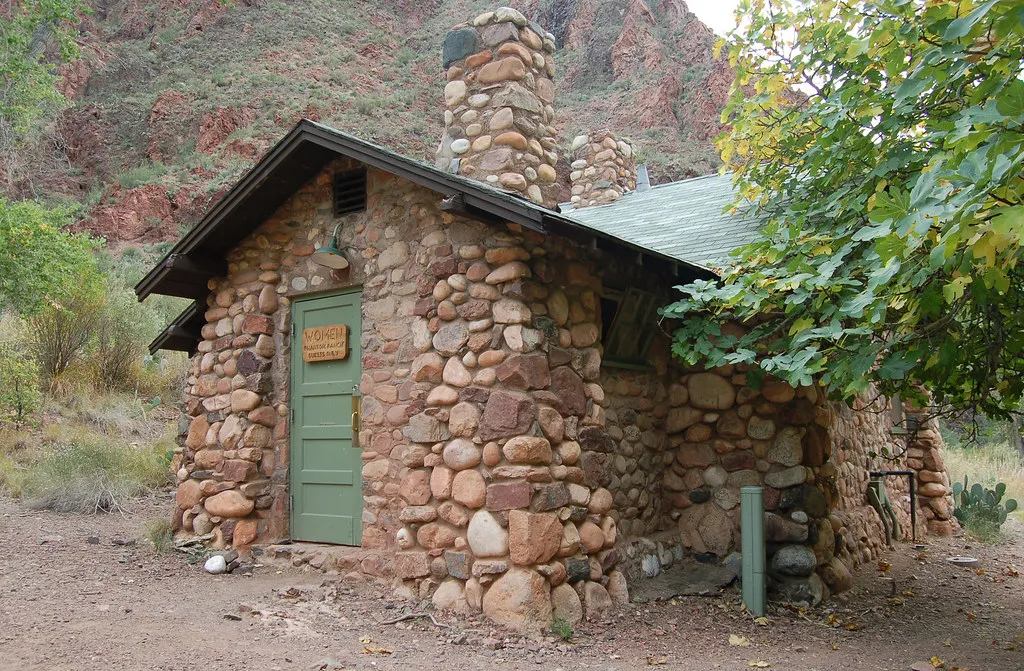
Cabins and pods lead the accommodation market at roughly forty-four percent of the market in 2025, growing steadily due to all-weather, year-round capability. This structural shift is not accidental. Operators have invested in infrastructure precisely because they understand that the most memorable stays happen when weather plays an active role in the experience.
The market is experiencing growth driven by the shift toward year-round and permanent structures, along with digital discovery and AI visibility, which are reshaping consumer engagement and destination selection. Guests no longer see off-season as a reason to avoid glamping. If anything, many now seek it out deliberately for the quiet and intimacy it brings.
The cabins segment accounted for the largest market share of around forty-nine percent in 2025, growing due to rising family travel demand, premium pricing power, year-round usability, and increasing consumer preference for hotel-like comfort in outdoor accommodations. The guest profile is evolving, and so is the weather they’re willing to embrace.
The Takeaway
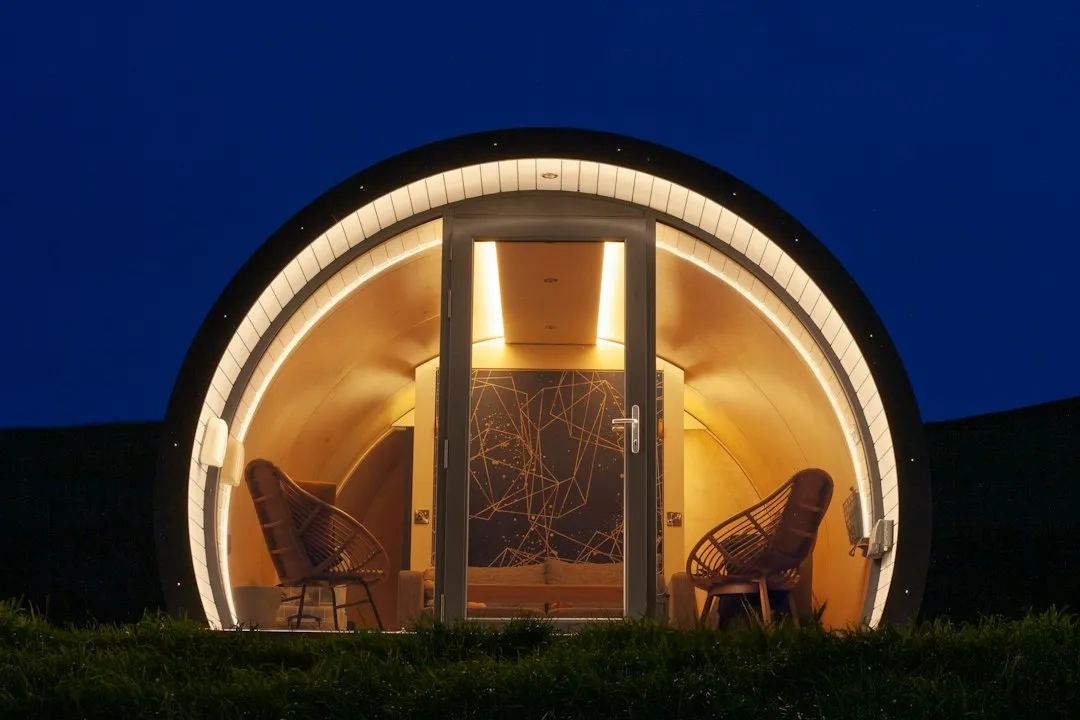
The most honest insight glamping hosts offer is also the simplest: there is no bad weather for glamping, only the wrong structure for it. A cold, rainy night becomes something to celebrate inside a well-insulated pod with a wood burner going. A snowstorm turns spectacular when viewed through a glass dome. A crisp autumn dusk is transformed by a fire pit and a warm drink.
Weather doesn’t just set the scene for a glamping stay. When the accommodation is designed thoughtfully, weather becomes the stay itself, the thing guests talk about for years afterward. The hosts who understand this have stopped apologizing for drizzle and frost. They’ve started building around it instead.
AI Disclaimer: This article was created with the assistance of AI tools and reviewed by a human editor.