
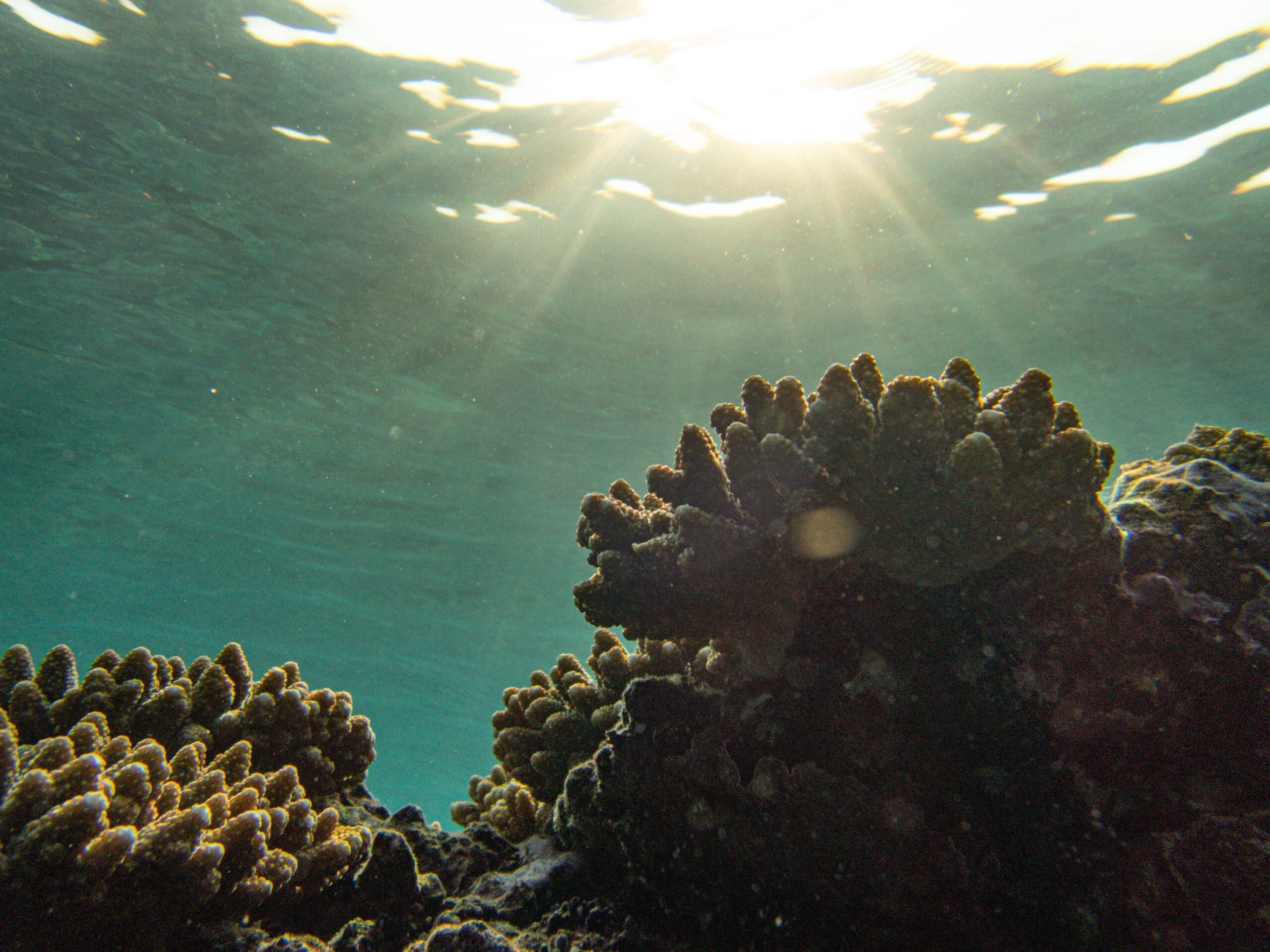

Somewhere between the early hum of a marina and the first slant of morning light on the water, captains of glass-bottom boats already know what most tourists are still guessing. Timing matters far more than luck when it comes to what you’ll see through those panels of clear hull.
Science backs up what seasoned guides have always sensed. The simple diel cycle of rising and setting of the sun imposes on the behavior and activity of fishes a dramatic, overriding set of predictable constraints. Understanding those constraints can transform an ordinary boat ride into something genuinely unforgettable.
The Golden Window: Why Dawn and Dusk Rule the Reef
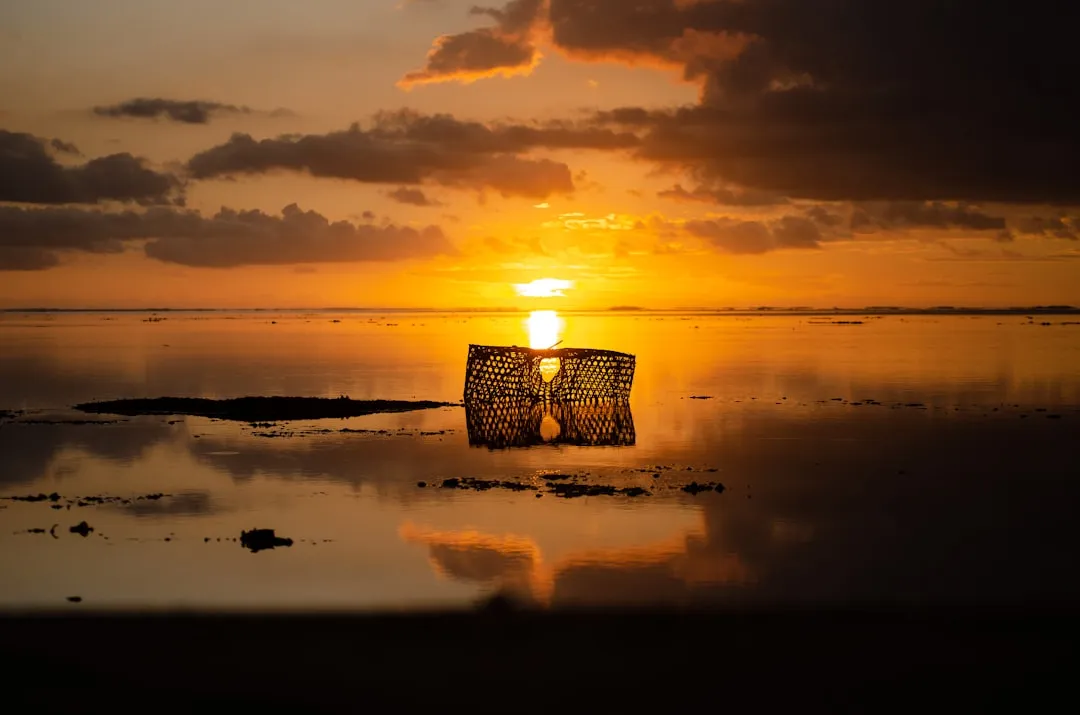
Dawn and dusk are incredibly active times on coral reefs. Together, these twilight, or crepuscular, periods take up only about an hour of each day, which amounts to roughly four percent of the 24-hour cycle, yet they are extremely important to all reef life. That narrow window is exactly why experienced captains often schedule their most sought-after departures around it.
Predator fish density increases during the crepuscular period around sunrise and sunset, coincident with a peak of predation activity. For anyone watching through a glass bottom, this translates to visible movement, chase sequences, and a reef that looks genuinely alive.
Morning Light and the Feeding Surge
Feeding rates increase from nearly nil to saturation as light level rises, corresponding to about 45 minutes of the morning twilight. That’s a remarkably concentrated surge. Captains who run early departures are essentially chasing that 45-minute biological alarm clock built into reef fish over millions of years of evolution.
Feeding rates increase from nearly nil to saturation as light levels rise during morning twilight, with changes driven mostly by light-dependent shifts in reactive distance. In plain terms, as light improves, fish can detect food from farther away, and the whole reef snaps into action almost simultaneously.
What Science Says About the Best Hour

Dawn and dusk share diurnal and nocturnal species with long active periods, and fish richness and abundance increase from dawn to a peak in the morning or afternoon, then decrease at dusk with the lowest values during the night. The practical takeaway is clear: morning tours, particularly those timed to catch the tail end of dawn transition, offer the widest variety of species behavior simultaneously.
Most reef fish species are diurnal, being mainly active during the day. This is when they carry out most of their critical activities, such as feeding, breeding, and a range of intra- and interspecific interactions including cleaning. Catching the start of that diurnal window, rather than the middle of the day, means watching animals in their most engaged state.
The Predator Clock: Sharks and Hunters at Twilight
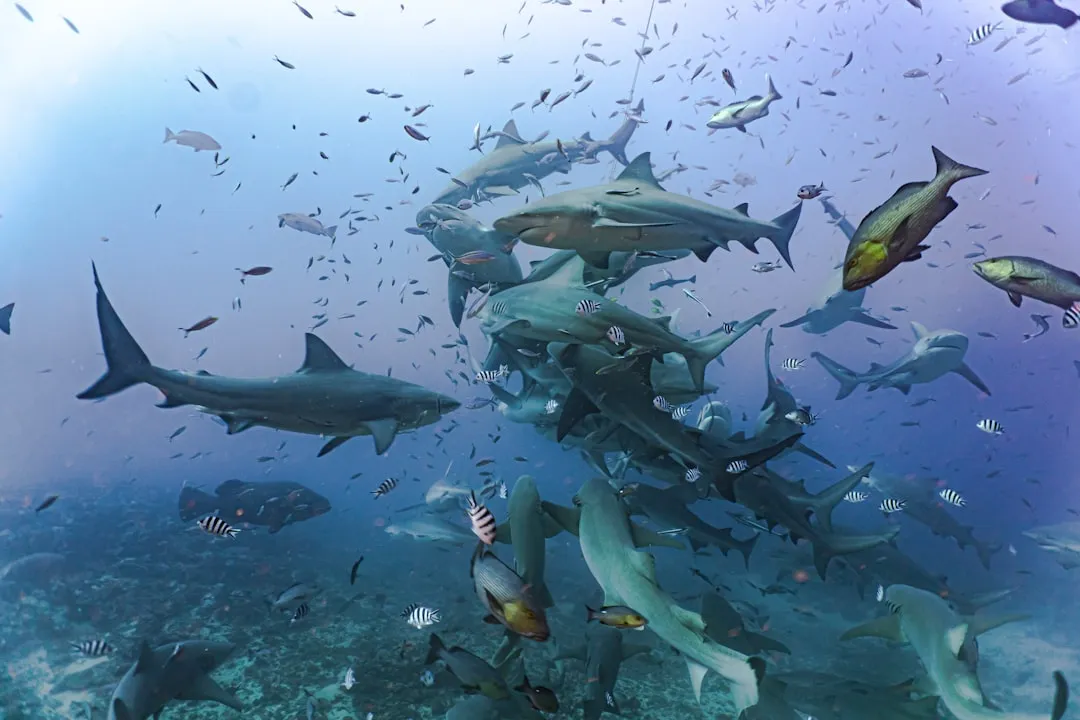
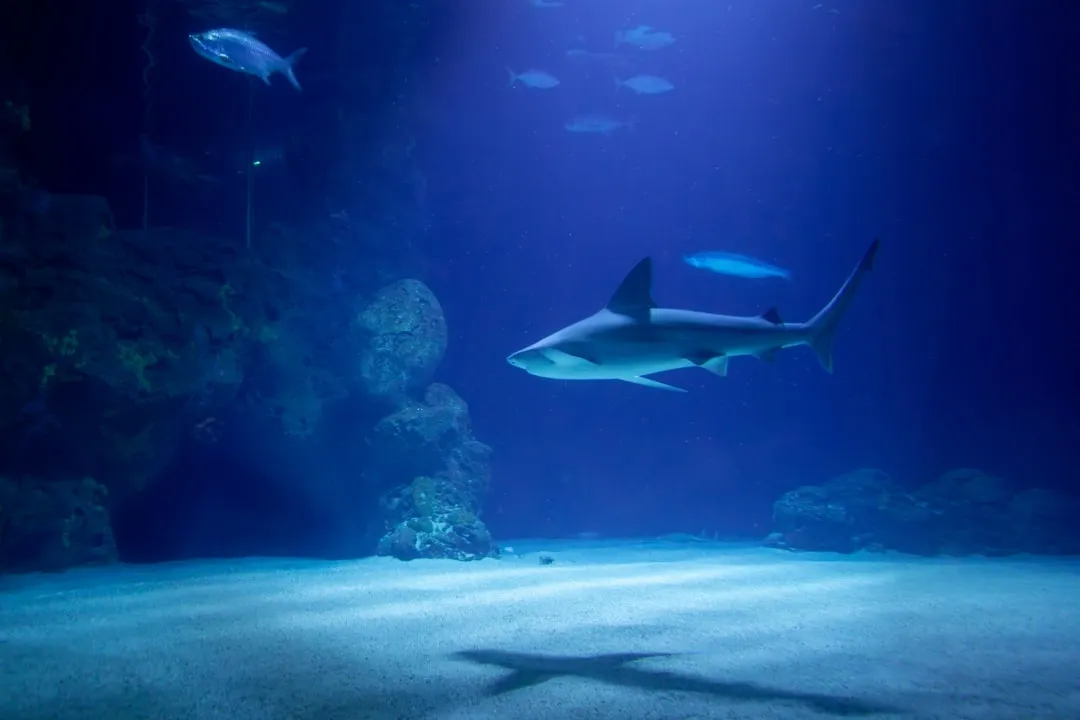
Many reef predators, including reef sharks, show what researchers describe as “dawn/dusk rush” behavior, with hunting intensity increasing at twilight when prey fish change behavior and visibility shifts. Glass-bottom boat guests who catch these moments often describe them as the highlight of their entire trip.
Hourly detection data from acoustic telemetry studies in the Florida Keys revealed diel activity patterns with peaks at dawn and dusk, with mixed model analysis confirming that lionfish activity is significantly greater at twilight than during day or night. The pattern holds across species and across oceans, making it one of the most reliable rhythms a captain can build a tour schedule around.
The Role of Light in Driving Activity
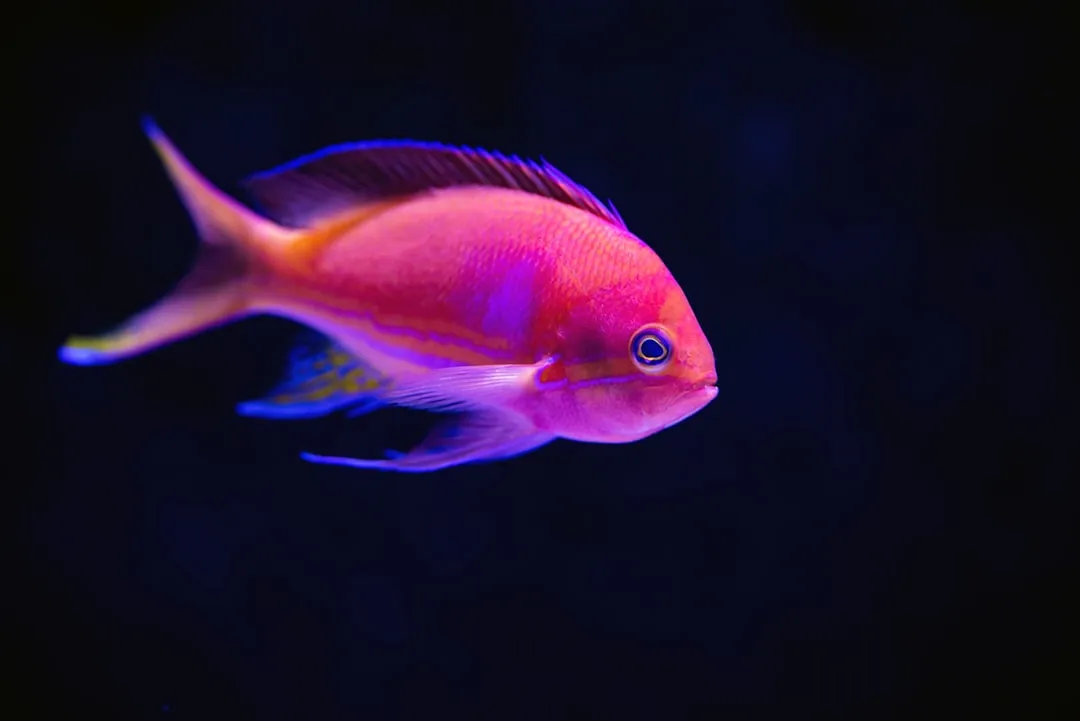
Optimal Foraging Theory suggests that fish maximize energy gain while minimizing predation risk. During midday, high light penetration increases the visibility of foragers to predators both above and below the water surface. By restricting heavy foraging to crepuscular periods, fish use the “edge effect” of moving light. That edge effect is essentially a biological sweet spot where enough light exists for hunting, but not so much that hunters become obvious targets themselves.
The timing of twilight transition behavior in diurnal reef fish is likely determined by the trade-off between food intake and risk of predation. This balance, invisible to most observers, is what creates the sudden flurry of motion visible through a glass hull at first light or last light.
Midday Lulls and What They Mean for Tours

During the midday period, high light penetration increases the visibility of foragers to avian predators from above and larger aquatic predators from below, which encourages many species to become more cautious and less visibly active near the surface. The reef doesn’t go quiet exactly, but it does shift into a lower gear.
That said, midday tours still have real value. Morning glass-bottom boat tours tend to offer the clearest visibility and calmer water, but midday departures can provide steadier sea conditions at some destinations and allow guests to observe coral coloration at its most vivid under direct overhead light. It’s a different kind of viewing, not a lesser one.
How Prey Fish Respond to the Same Clock
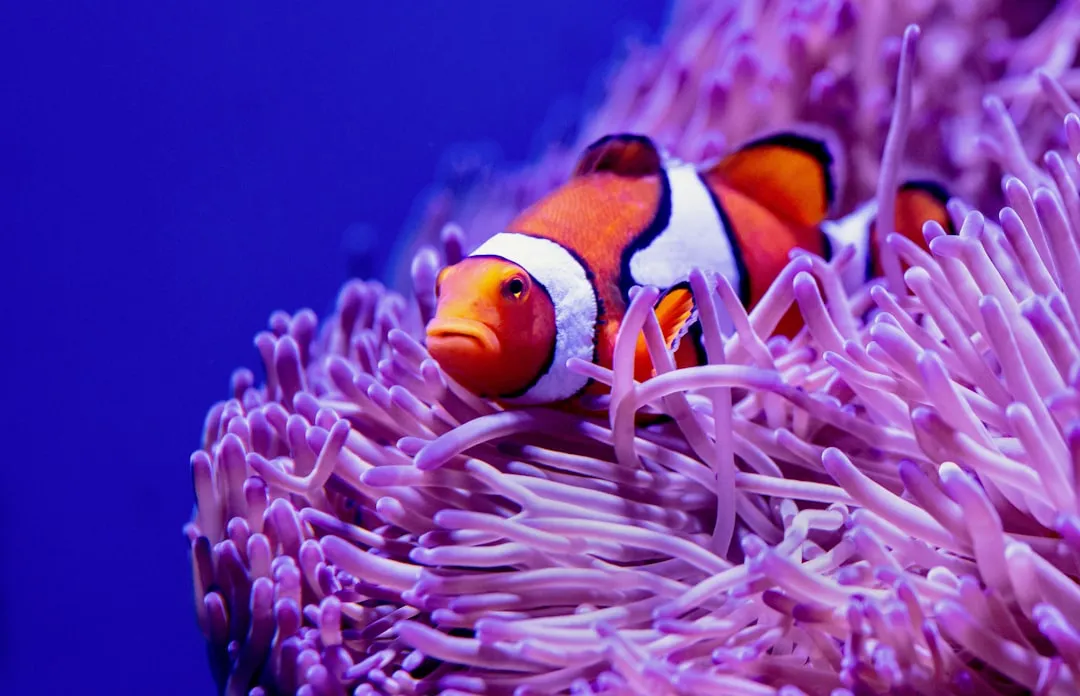
Rockcod predators show peak feeding strikes at dusk and increased activity at both dawn and dusk, while the activity and foraging pattern of lemon damselfish directly opposes that of the rockcod, with individuals reducing strike rate and intraspecific aggression at both dawn and dusk. Prey species and predators are essentially dancing to the same rhythm but in opposite directions, which creates the chase behavior that passengers find so mesmerizing.
Predator density is highest during the crepuscular period at dawn and dusk, while prey fishes reach their peak density during the day and show reduced levels at dawn and dusk. Understanding this push-pull dynamic helps explain why glass-bottom boat observers often notice the reef looking busier and more dynamic at the edges of daylight rather than under the noonday sun.
Spawning, Cleaning Stations, and the Dusk Rush
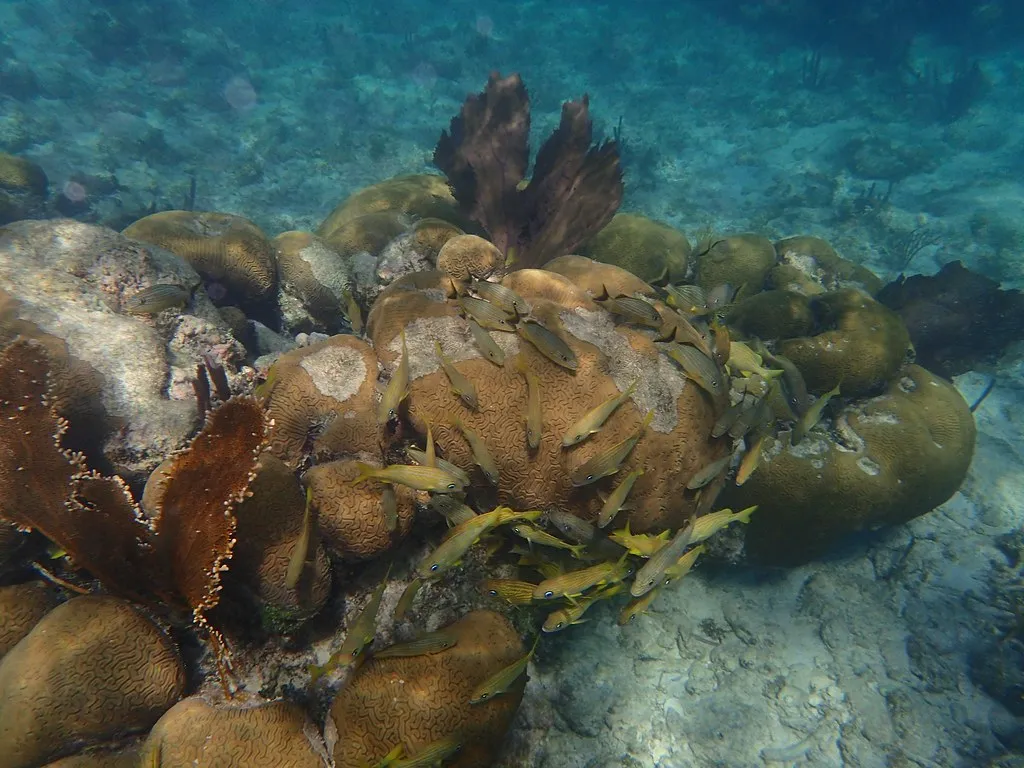
Many reef fishes spawn at dusk, exposing themselves to considerable risk, but at the same time giving their eggs the best chance of reaching safety. Dusk tours can capture this extraordinary behavior. Watching a spawning aggregation rise from a reef ledge is one of those experiences that tends to leave passengers completely silent.
The daily twilight periods are when fish and invertebrates emerge or retreat to their refuges, meaning the glass panels of a boat positioned over a healthy reef at sunset will show constant movement, species cycling in and out, and a kind of organized chaos that midday simply doesn’t deliver. This is what captains often call the “shift change” of the reef.
Zooplankton, Tidal Timing, and the Food Web Connection
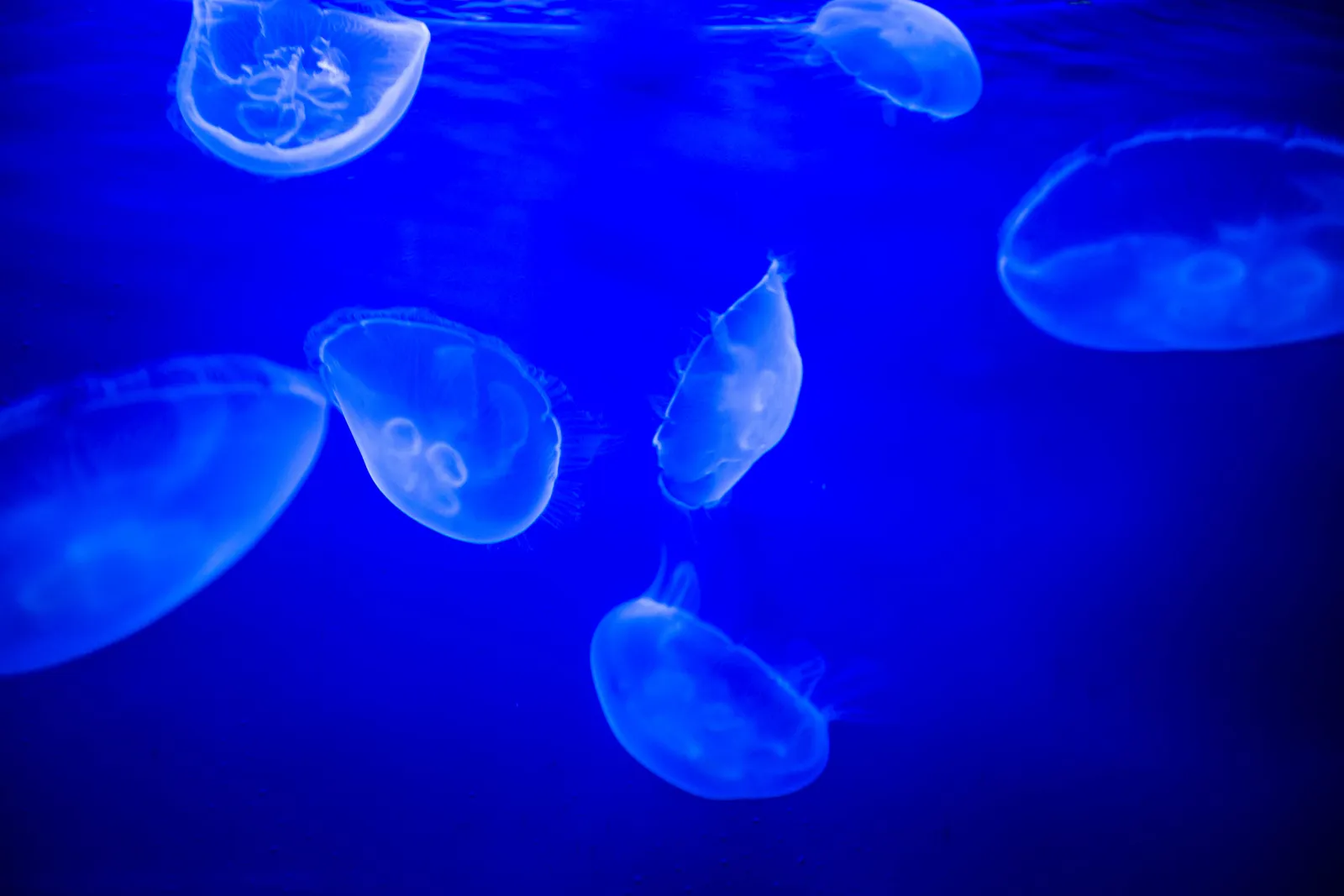
The behavior of macroinvertebrates and zooplankton, which undergo Diel Vertical Migration, plays a compounding role. As these primary food sources migrate toward the surface in response to decreasing UV radiation at dusk, they trigger a bottom-up trophic response that activates the entire food web. The fish follow the food. The captains follow the fish. And informed travelers follow the captains.
Dissolved oxygen levels and thermal stratification also play significant roles in these activity spikes. At destinations where tides align with dawn or dusk, the convergence of all these factors can produce extraordinary wildlife viewing conditions. Captains who track tidal tables alongside sunrise times are working with the most complete picture of when conditions peak.
Practical Advice: Booking the Right Departure Time

The science points fairly consistently toward early morning departures as the most rewarding for sheer diversity of visible behavior. Booking a morning glass-bottom boat tour offers the clearest visibility and calmer water, suiting families and those who want a relaxed pace and steady footing. Calmer water, in practical terms, also means less refraction through the glass panels, which directly improves what passengers can see below.
Dusk departures run a close second for dramatic behavior. Depending on the time of day, dolphins can also be spotted frolicking beside or beneath the boat, and at many destinations the late afternoon hours bring cetacean activity closer to the surface. The tradeoff is that visibility through the hull decreases as ambient light fades, so the window of optimal viewing is shorter than at dawn.
The Takeaway: Trust the Light, Not the Clock on the Wall
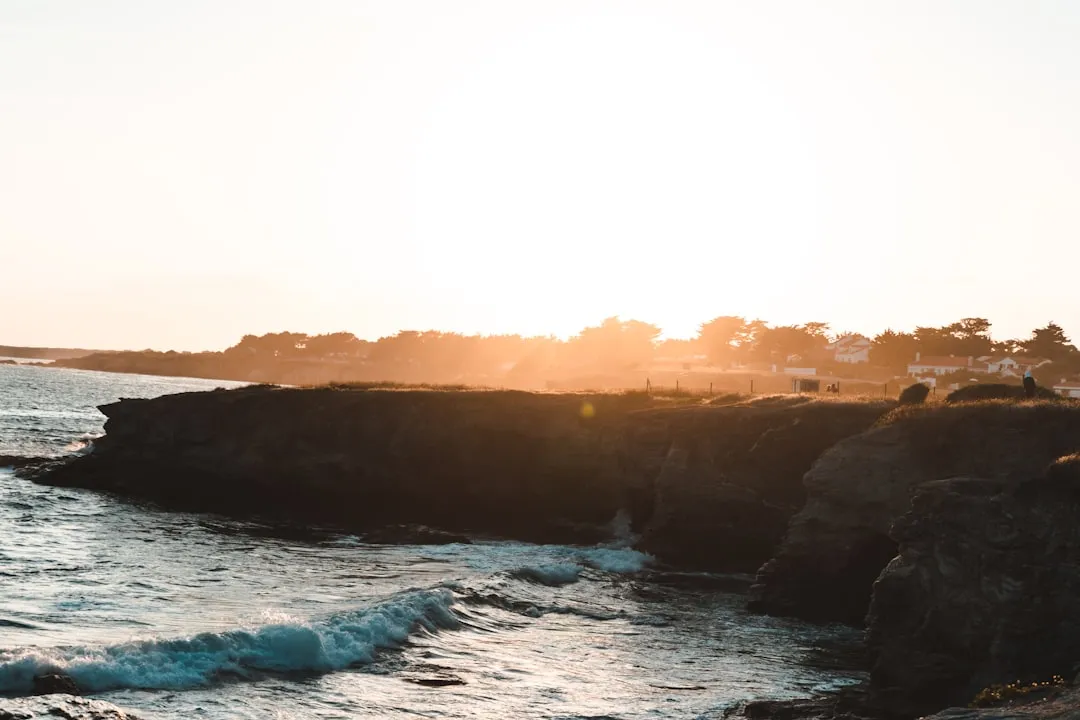
The hour marine life is most active isn’t really an hour on a clock. It’s a biological response to light, woven into reef ecosystems across millions of years of evolution. The phenomenon of increased fish activity during dawn and dusk is scientifically classified as crepuscular behavior, and this rhythmic activity is primarily driven by the interaction between photobiology and predatory window theory. Captains who understand this aren’t just reading the water. They’re reading evolutionary time itself.
The best glass-bottom boat experience starts with respecting that rhythm. Book around sunrise when you can. If a morning departure isn’t possible, aim for the last hour before sunset. The activity visible at daybreak and twilight is the result of millions of years of evolution, where fish have synchronized their energy levels with the rotation of the earth to ensure their survival. When you watch it through a pane of clear glass, suspended above the reef, that fact becomes surprisingly easy to feel.
AI Disclaimer: This article was created with the assistance of AI tools and reviewed by a human editor.