


There’s something almost old-fashioned about walking a resort course with a caddie at your side. In an era when GPS watches and rangefinders tell you the exact yardage to the front pin, the human element still matters more than most golfers expect. A caddie who feels respected, well-communicated with, and genuinely engaged will offer you something no device can replicate.
The difference between a forgettable loop and a truly memorable round often has little to do with the course itself. It has everything to do with how you show up for that four-hour relationship on the fairway.
Introduce Yourself Before the First Tee
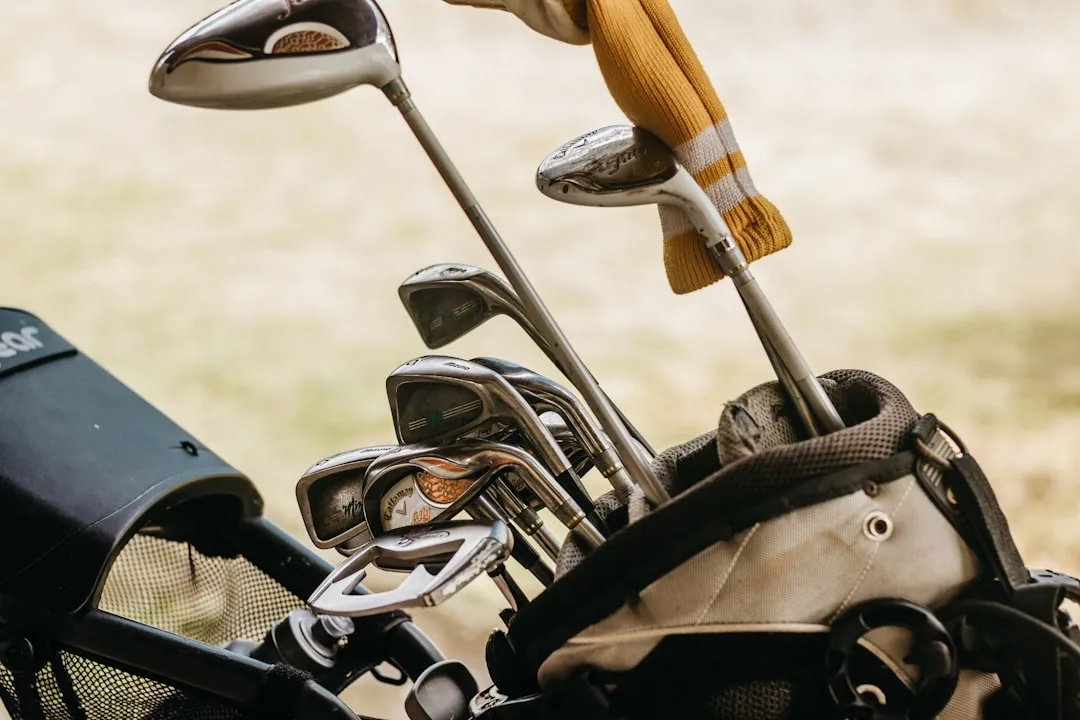
Before you head to the first tee, make the effort to meet your caddie in advance and tell them more about your game so they can provide more helpful advice. This sounds obvious, but a surprising number of golfers skip it entirely and go straight to taking practice swings. A 30-second introduction sets the tone for the whole round.
Specifically, let your caddie know whether you like to play a draw or a fade, and give them some distances for each club. This helps them learn your average distances faster and allows them to give you better advice on club selection throughout the round.
Tell Your Caddie How Much Help You Actually Want
Establish what you need from your caddie before the round even begins. Something as direct as “all I need is the number to the pin,” or “I need a lot of help today, reads, yardages, club selection, and anything else you can help me with” sets clear expectations right away. Caddies are not mind readers. They calibrate their involvement based on the signals they pick up from you, so the clearer you are, the better the service you receive.
Some golfers want full strategic input on every hole. Others prefer minimal conversation. Neither preference is wrong, but your caddie cannot guess which player you are until you tell them.
Share Your Actual Yardages, Not Your Best Ones
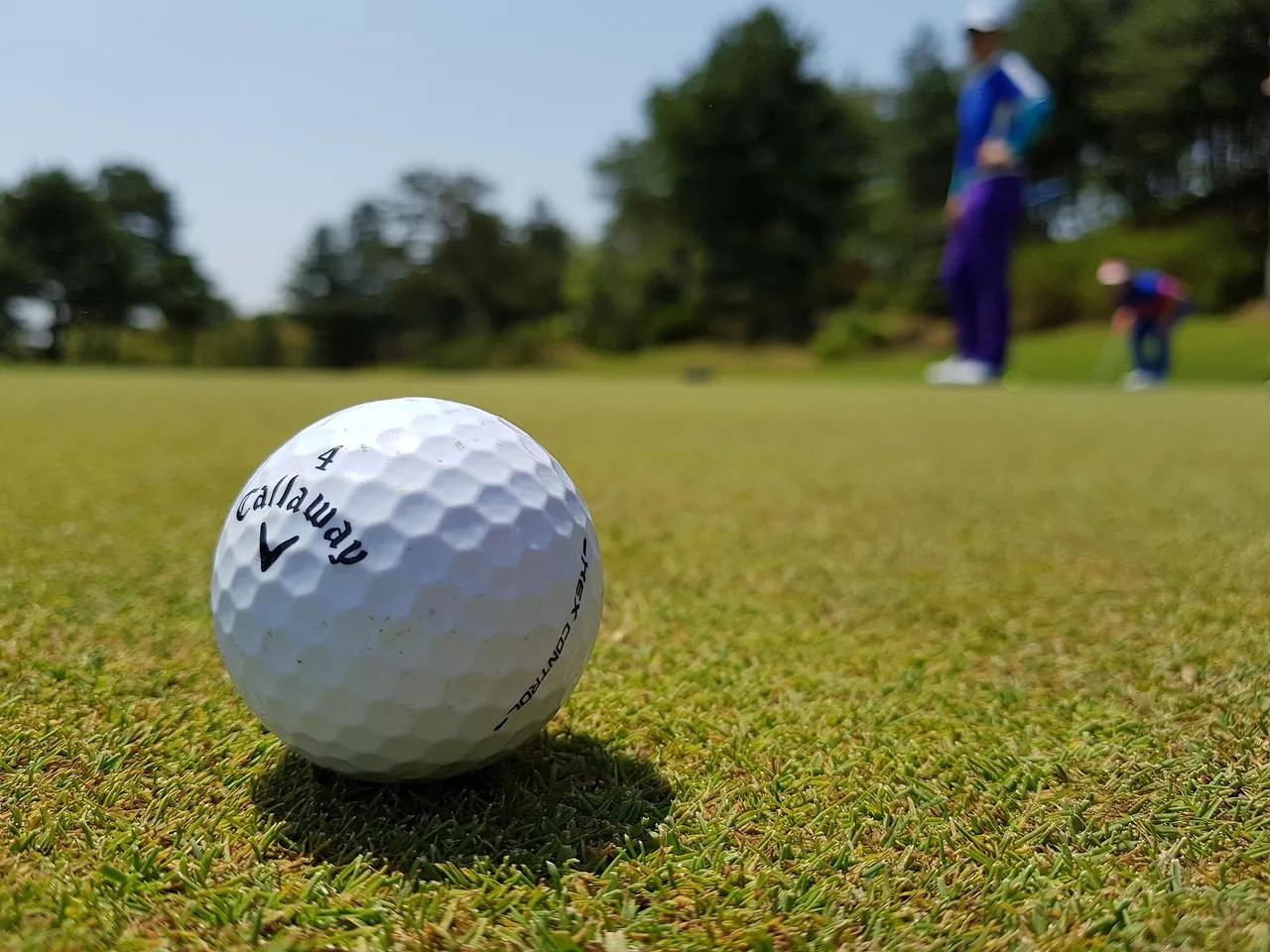
If a caddie says 150 yards and your response is an 8-iron, stop and think: is that how far your 8-iron usually goes, or just when you catch all of it? Most golfers let the latter dictate the shot when it should be the former. The next time you’re at the range, note how far your average shots travel, not just the pure ones, and use that as your stock number.
A caddie with your honest yardages will help you start hitting more greens. Club selection built around a golfer’s best shots is one of the most common and costly miscommunications on a resort course. Honest numbers are the foundation of useful advice.
Tip Well, and Tip Before You Ask the Hard Questions

In North America, a tip of roughly 30 to 50 percent of the caddie fee is considered standard. Service quality matters: tipping more for outstanding service and advice is widely expected at higher-end courses, where caddies typically have greater experience and deeper course knowledge.
Some caddie tips may be built into the greens fees and some may not. Asking the club what the local custom is helps you avoid over- or under-tipping, which can create an awkward dynamic before the round even begins. A caddie who feels fairly compensated from the start tends to invest more fully in your round, not less.
Respect the Caddie’s Course Knowledge Above Your GPS
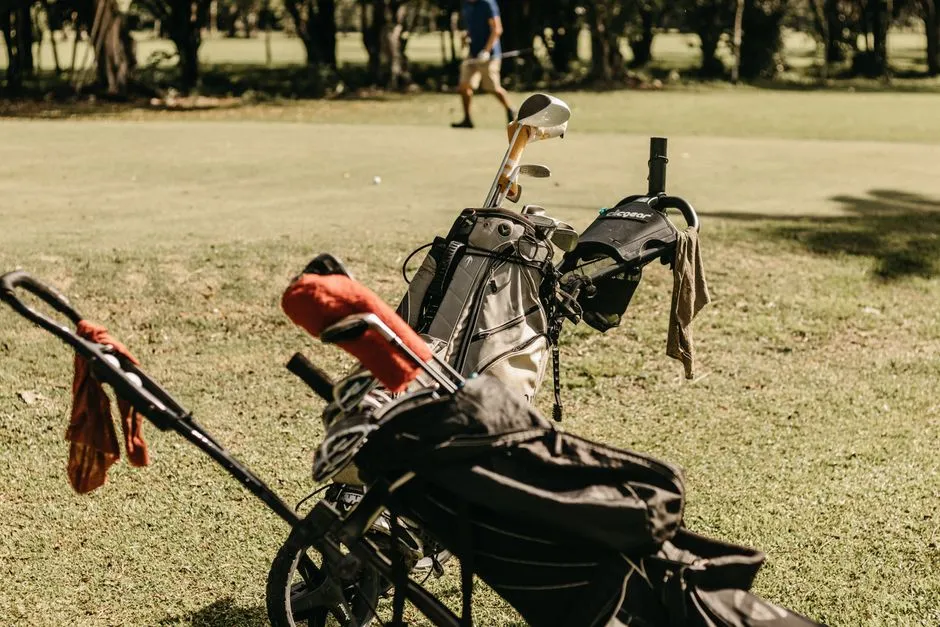
A good caddie knows the distinct layouts and challenges of each course and can give you advice on play, club selection, and strategy for taking on each hole. An app cannot calculate the effect of wind, elevation changes, or the texture of the grass. A good caddie can.
Often overlooked, the caddie is the golfer’s secret weapon, offering sage tips to help navigate potential hazards and strategize play. Their experience can turn a troublesome bunker shot into an opportunity to shine, improving the overall enjoyment of the game. That kind of situational intelligence is earned over years of walking the same turf in different conditions.
Keep Your Pace of Play Up
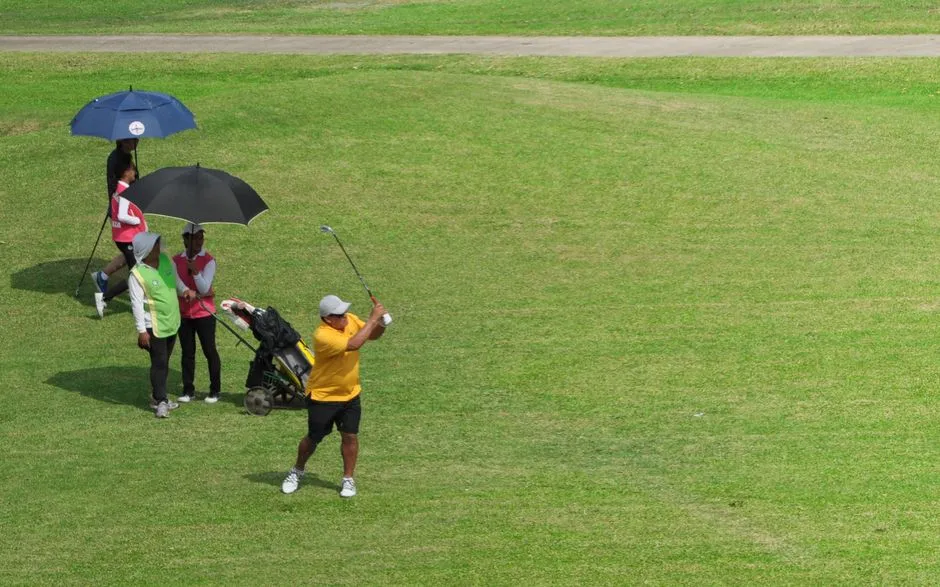
One common frustration among resort caddies is slow play. A significant part of a caddie’s job involves keeping a group moving and encouraging ready golf. Caddies who have to spend energy managing pace have less bandwidth to focus on your yardage, your lie, or the subtle break on the green ahead.
When you take a caddie, be ready to spend a lot of time with them, four or five hours depending on the pace of play. Groups that move well tend to have more relaxed, free-flowing conversations with their caddies, which is exactly the environment where better advice comes out naturally.
Listen Without Arguing on the Green
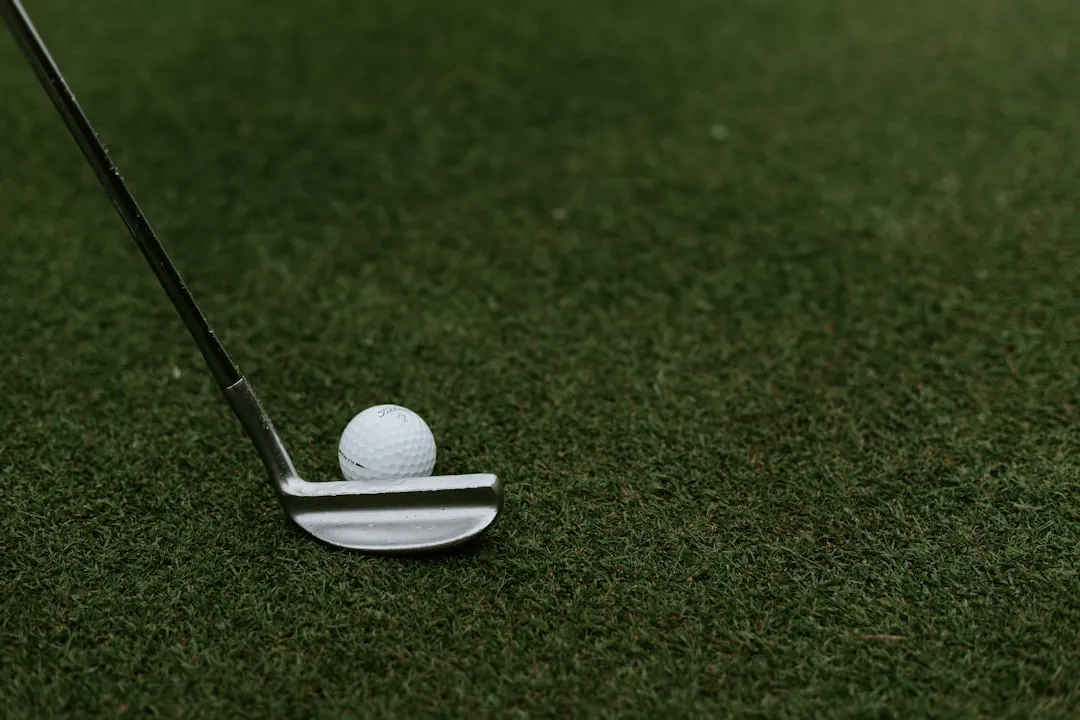
Listen closely to your caddie’s advice on green reading. Let them know how you like to hit a putt, whether you prefer to die the ball in the hole or drive it into the back of the cup, and they will usually give you a starting point. Then commit to the read and don’t second-guess yourself.
Questioning your caddie’s advice will not only frustrate them, but it will make them second-guess their reads and yardages on subsequent holes too. The relationship works best when it moves in one direction: trust. You can always override a recommendation, but do it quietly and without blame attached.
Don’t Blame the Caddie for a Bad Shot
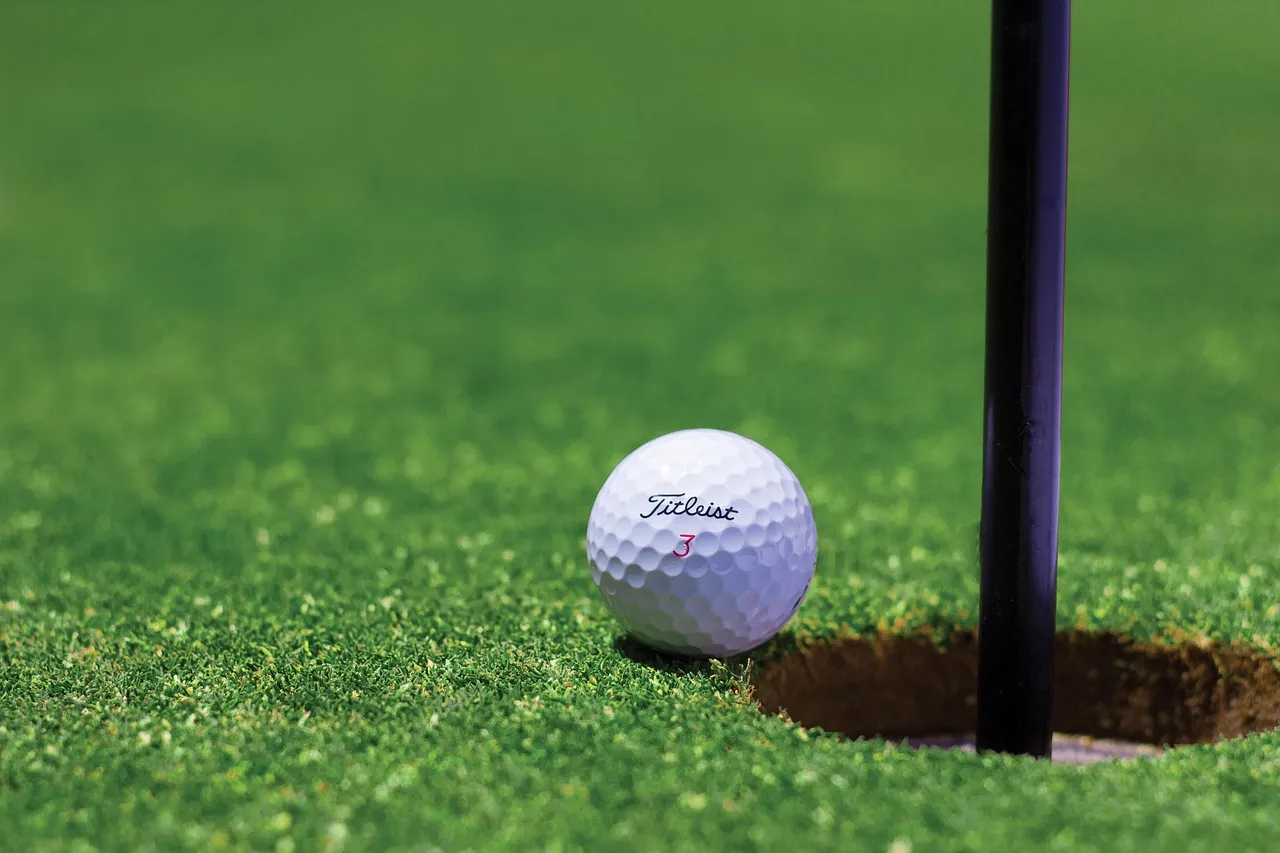
One of the best ways to frustrate your caddie is by passively blaming them for a bad shot or read. It is impossible to make perfect decisions for five hours on a golf course, and you, as the player, ultimately make the final decision before hitting a putt. If your caddie says left edge and the putt ends up being straight, that’s on the player. You made the final decision to trust that read.
A caddie who gives a bad read will let you know it, and the same goes for misjudging the wind. If you want to be upset in that moment, an experienced caddie won’t blame you for it. What erodes the relationship is the persistent low-grade blame that creeps in after each imperfect result.
Get to Know Them as a Person

All you have to do to have a great time with your caddie is be yourself and be nice. Get to know your caddie as a person. They have a back story just like you, and often they will have some incredible stories from their time on the grass.
Caddies can be so valuable to players that they develop long-standing relationships and friendships that go well beyond the golf course. That kind of rapport doesn’t happen by accident. It starts with curiosity and a bit of genuine warmth, both of which cost nothing.
Understand What a Caddie Is Actually Responsible For
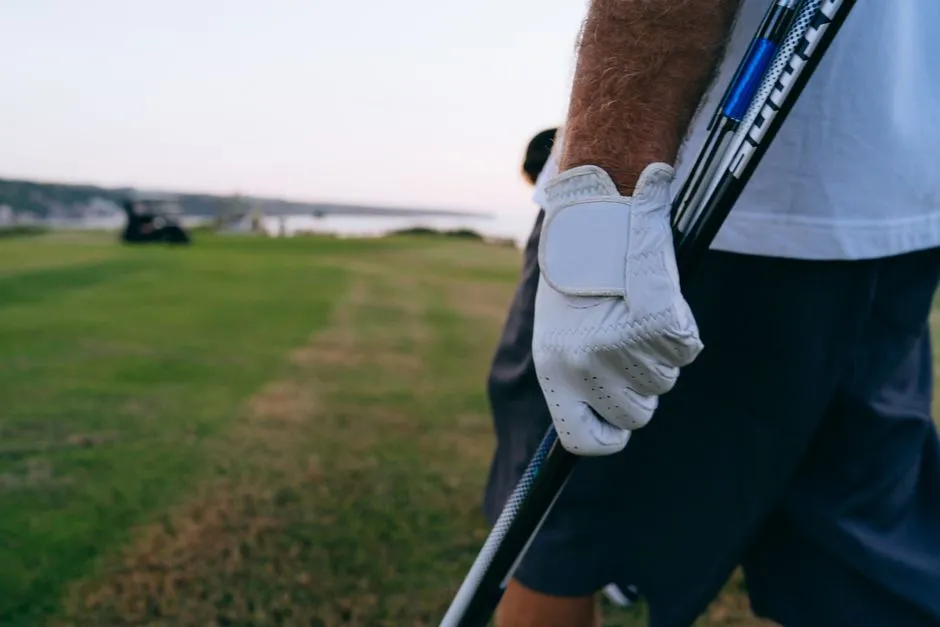
Good golf caddies assist a player in course management, turf and lie assessment, wind conditions, yardage calculations, club selection, target designation, shot shape, rules, etiquette, and green reading throughout the round. That is a genuinely complex job, and it is worth keeping in mind before you arrive at the first tee expecting miracles with no information to work from.
Advice and input from a caddie factors meaningfully into risk-reward decision-making. Still, the final decision always belongs to the player, not the caddie. Knowing that clearly, and accepting it, removes a lot of unnecessary friction from the round.
Final Thoughts

The single tip that runs through every piece of caddie wisdom is deceptively simple: treat the relationship as a genuine partnership. Communication with your caddie is a vital component of the round, ensuring seamless gameplay and execution of course strategy. The golfers who walk off the 18th green with the most useful advice they’ve ever received tend to be the ones who showed up honest, curious, and generous.
A great caddie carries your bag, yes. They also carry knowledge of how the wind behaves on the back nine in the afternoon, where the morning pin positions tend to cluster, and which approach shot looks safer than it actually is. That information flows freely when you’ve earned a little trust. It’s one of the rare cases in golf where the social game feeds directly into the scorecard.
AI Disclaimer: This article was created with the assistance of AI tools and reviewed by a human editor.