
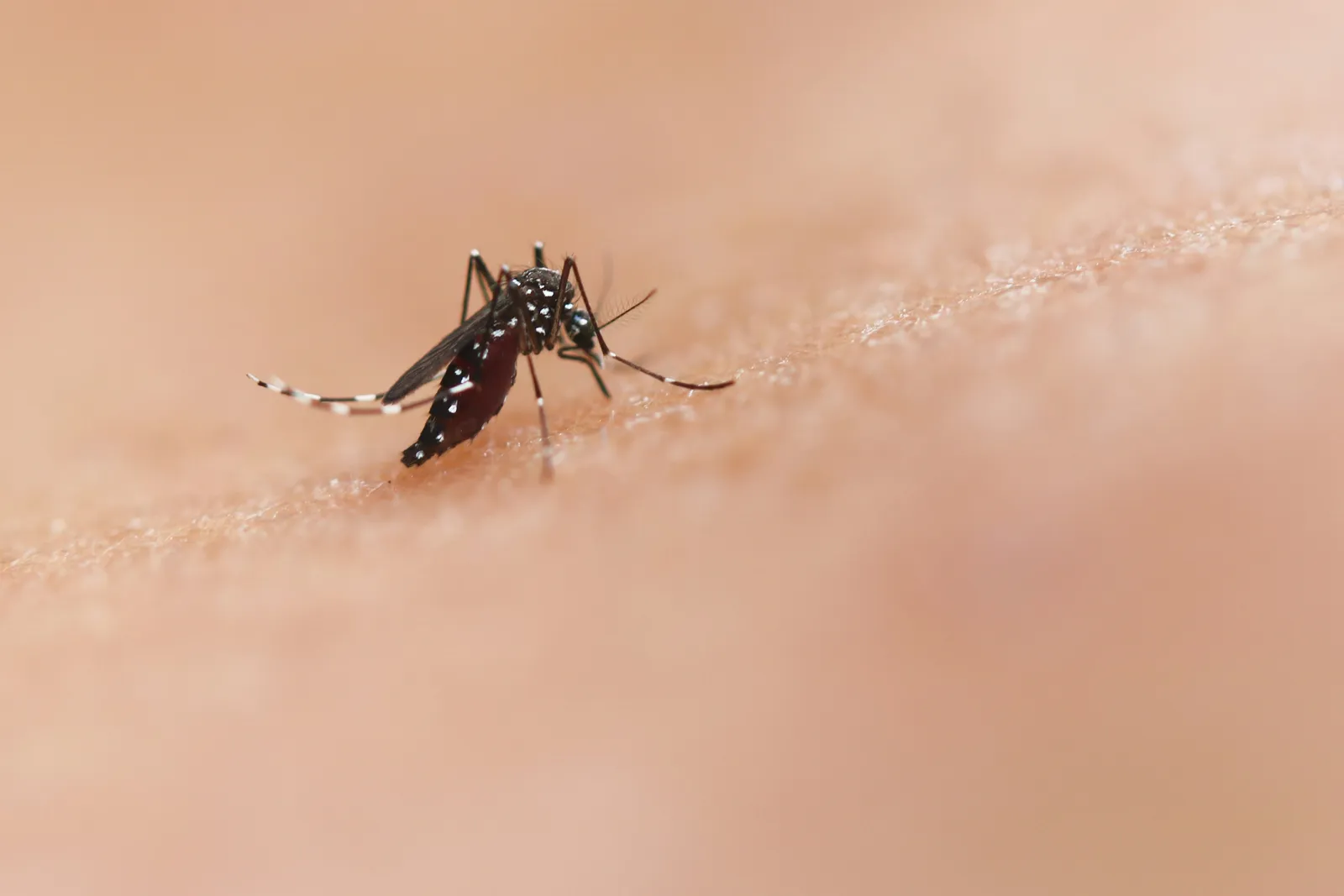

California and Florida residents face ongoing risks from mosquito-borne illnesses each year. Google now seeks federal approval to introduce up to 32 million specially treated mosquitoes across the two states over the next two years. The effort targets a reduction in disease transmission through a targeted biological approach rather than traditional spraying methods.
The Human Cost of Mosquito-Borne Illness
Mosquitoes transmit several serious diseases that affect daily life in warm climates. Families in affected areas often alter outdoor activities during peak seasons to avoid bites. Travelers to popular destinations in California and Florida also weigh these health risks when planning trips. The proposed release aims to interrupt the cycle at its source. By limiting the number of mosquitoes capable of spreading illness, the project could ease pressure on local health systems. Communities have long relied on pesticides and personal repellents, yet cases persist in many regions.
How Treated Mosquitoes Could Change the Equation
The mosquitoes involved receive special treatment designed to limit reproduction or disease-carrying ability. This method focuses on specific species known to transmit illness rather than eliminating all insects. Such precision helps preserve beneficial roles mosquitoes play in ecosystems while addressing the public health threat. Releases would occur gradually across selected sites. Officials would monitor results closely to assess effectiveness and any unintended effects. The approach builds on earlier trials in other locations that showed promise in shrinking targeted populations.
Key Elements of the Planned Effort
Several factors define the scope of this initiative:
- Up to 32 million mosquitoes released in total across both states.
- A two-year timeline for the testing phase.
- Focus on reducing transmission of mosquito-borne diseases.
- Pending federal approval before any releases begin.
These details highlight the project’s measured rollout. Regulators will review safety data and environmental considerations before granting permission.
What Comes Next for Residents and Visitors
Approval remains the immediate hurdle before any mosquitoes reach the field. Once underway, the program would operate under strict oversight with regular reporting on outcomes. Local health departments could gain new tools to complement existing prevention strategies. The effort reflects growing interest in innovative solutions to longstanding challenges. Success here might influence similar projects elsewhere, though results will depend on real-world conditions and ongoing evaluation. Communities in California and Florida stand to see whether this technology delivers measurable relief from disease risks in the years ahead.
AI Disclaimer: This article was created with the assistance of AI tools and reviewed by a human editor.