
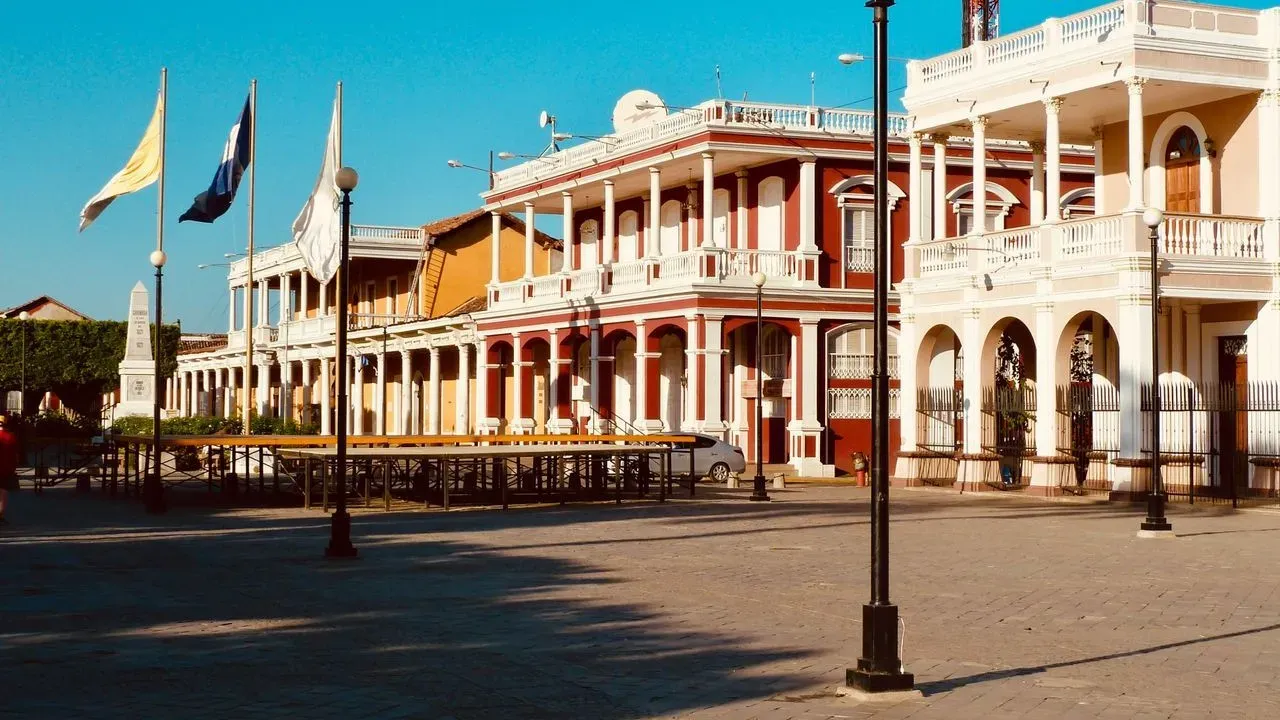

Granada, Nicaragua – The oldest colonial city in the Americas offers a rare blend of preserved history and everyday warmth. Its cobblestone streets and pastel facades invite unhurried exploration, while the nearby waters of Lake Nicaragua and distant volcano silhouettes provide a constant natural frame. Travelers often find the city serves as both a destination and a gateway to the surrounding landscape.
Roots in the Colonial Era
Granada traces its founding to the early sixteenth century, making it one of the earliest European settlements on the continent. The city grew around a strategic lakeside location that supported trade and defense for generations. Today the same central plaza remains the heart of civic life, ringed by buildings that still carry the proportions and details of that period. Residents continue to maintain many of these structures with care, turning former residences into small museums or gathering places. The result is a living record rather than a static museum district. Walking the grid of streets reveals layers of adaptation that reflect both continuity and quiet evolution.
Architecture That Invites Pause
Colorful colonial buildings line the main thoroughfares, their courtyards often visible through open doorways. Many now house cafés and boutique hotels that preserve original tile work, wooden beams, and shaded patios. These spaces encourage visitors to linger over coffee or a meal rather than rush from sight to sight. The scale of the architecture keeps the city walkable and human. Narrow lanes open onto unexpected plazas where local vendors and residents share the shade. Such details create an atmosphere that feels both historic and immediately welcoming.
Volcanoes and Lake as Daily Backdrop
Lake Nicaragua lies just beyond the city edge, its broad surface reflecting the sky and the cone of Mombacho volcano on clear days. The water supports local fishing and small boat travel, while the volcano offers trails through cloud forest for those who venture out. This natural setting shapes the rhythm of Granada. Morning light often catches the volcano first, and evenings bring cooler breezes across the lake. The combination gives the urban core a sense of openness that many travelers notice immediately.
A Thoughtful Place to Stay and Wander
Granada functions well as a base for exploring nearby volcanic landscapes and island groups on the lake. Its collection of preserved buildings provides comfortable lodging without erasing the city’s character. Many visitors return in the evening to the same plazas they passed earlier, drawn by the steady pace of local life.
The city rewards those who move slowly and notice small details: a carved doorway, a courtyard fountain, or the way shadows fall across a particular street at golden hour. Such moments accumulate into a deeper sense of place. Granada continues to welcome travelers who value history that still feels lived in rather than staged. Its streets and setting together suggest a destination worth returning to, one that balances preservation with the gentle pulse of daily Nicaraguan life.
AI Disclaimer: This article was created with the assistance of AI tools and reviewed by a human editor.