
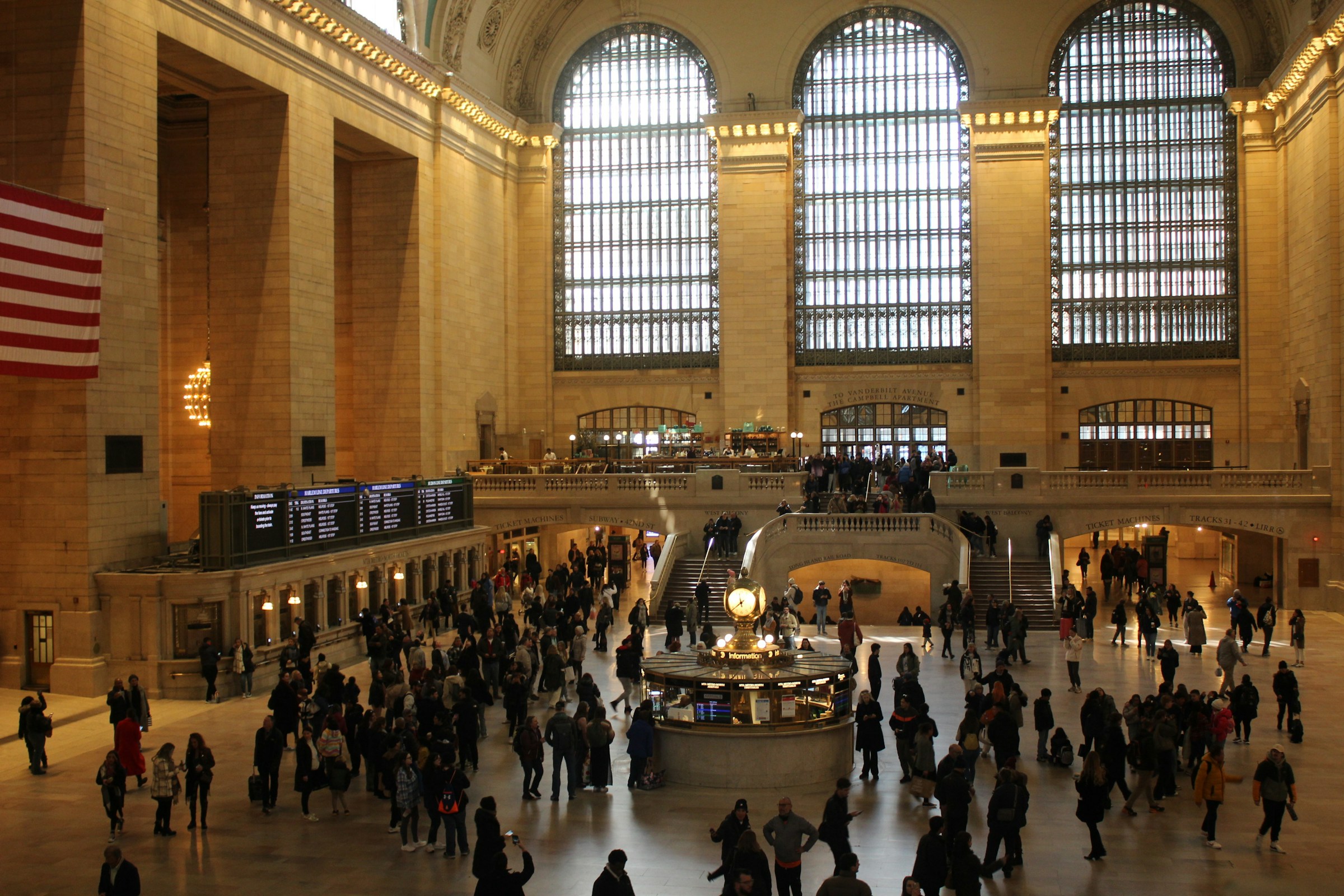

What the Whispering Gallery Actually Is
The Whispering Gallery is located near the Oyster Bar on the lower level of Grand Central Terminal. This area is a beautiful site on its own, featuring iconic Guastavino tilework, but the vaulted ceiling is also an acoustic wonder acting as a whispering gallery.
It’s an acoustic archway where two people can stand at opposite corners, face the wall, and hear each other’s whispers travel across the curved ceiling. Nothing flashy announces it. At first glance, it appears to be just another intersection within the historic building, but upon experiencing its unique acoustics, it becomes clear that this is something special.
How to Find It
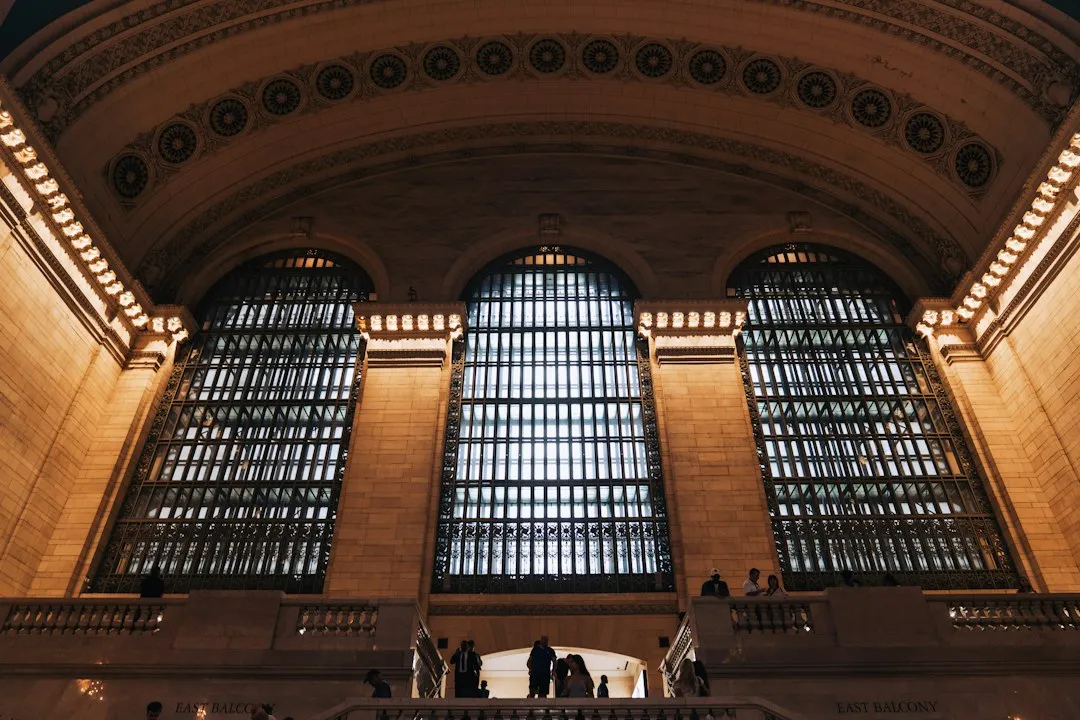
If you’re coming from the Main Concourse, head towards the lower level where the dining concourse is located. From there, follow the ramp downward and keep your eye on the restaurant entrance ahead of you.
The Whispering Gallery is at the intersection of four arched walkways right outside the restaurant entrance. You’ll recognize it by the beautiful tiled dome ceiling. The gallery consists of four archways that create a square-like space. Once you spot the cream-colored tiles overhead, you’re in the right place.
The Simple Trick That Actually Works
To enjoy this feature, one person stands at the end of one arch and whispers directly at the wall, so that the person at the other side of that arch can hear them. You don’t need to raise your voice. You don’t need to shout.
Whisper, say, or sing something, and someone 30 feet away can hear you. The effect works even better if you cup your hands around your mouth against the tile. It sounds impossible the first time you try it, which is precisely why people immediately want to do it again.
The Science Behind the Sound
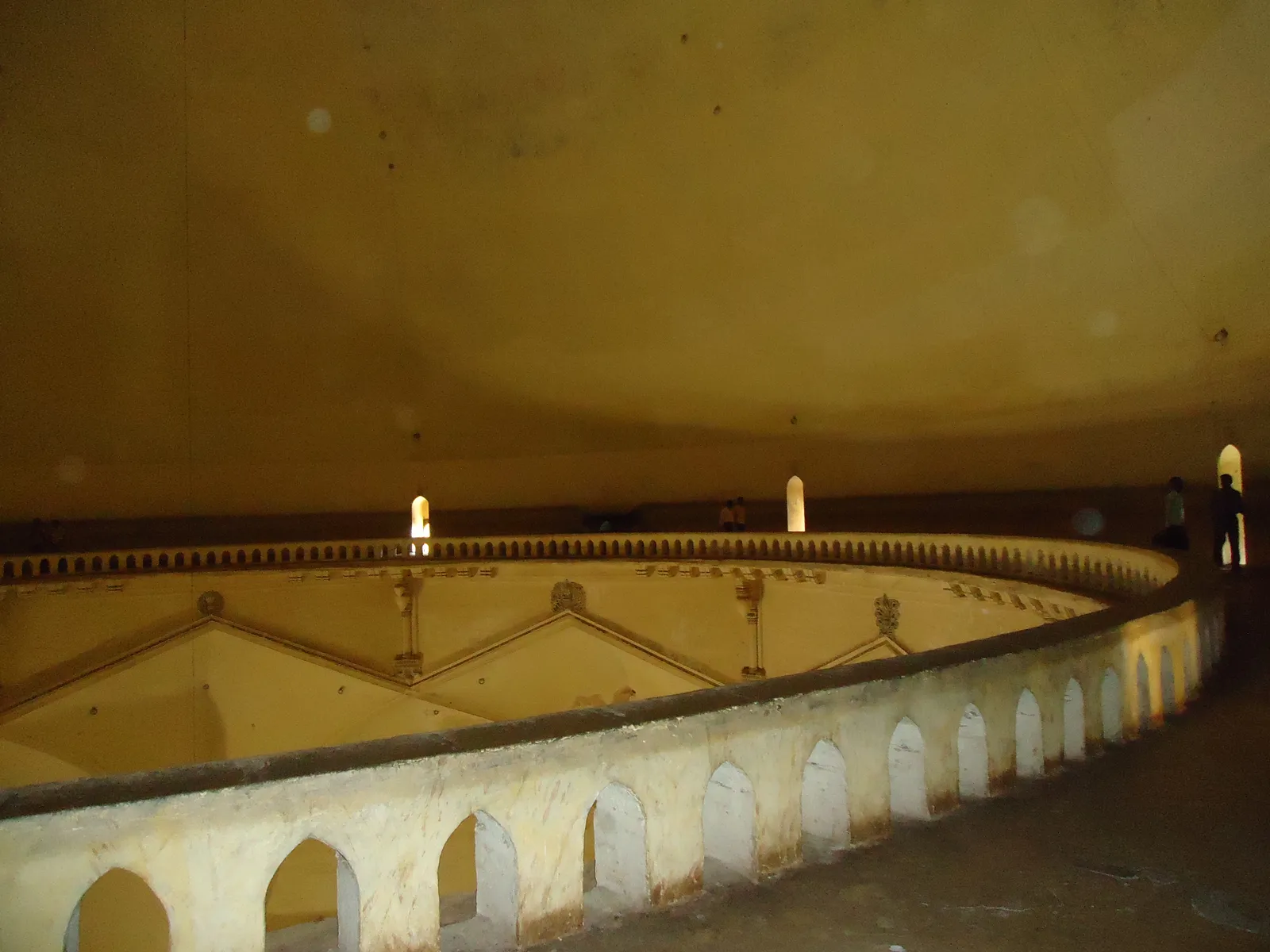
The gallery reflects a principle of acoustics in which sound waves glide smoothly over a curved surface, enabling whispers to travel from one corner to another with surprising clarity. The sound waves are trapped and have no choice but to shoot up and follow the arch to another corner. The waves, sometimes called whispering-gallery waves, cling to the walls as they travel around the arch’s circumference.
Sound within the gallery reflects multiple times off the curved surfaces, maintaining clarity over distances. The gallery’s structure also favors low-frequency sounds, which inherently travel farther and maintain clarity. That’s part of why a soft, low whisper often carries better than a loud one.
Why the Tiles Are the Real Secret
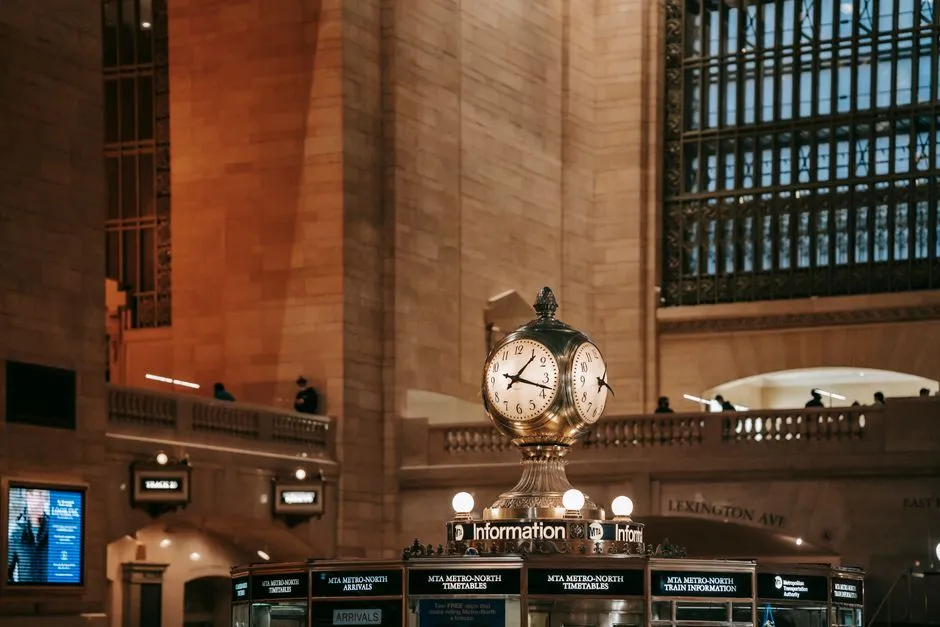
According to The New York Times, this effect happens when walls and ceilings are curved in a particular way that allows sound waves to travel along their contour. The Guastavino tiles used in this gallery are extremely dense and do not absorb sound, allowing a whisper to glide uninterrupted to the opposite side.
The tiles that make up the curved ceiling are tightly set, and there are no vents, thus no place for the sound waves to disappear into. Meanwhile, there are no rugs, thus no place for the sound waves to be absorbed into. The sound waves are trapped and have no choice but to shoot up and follow the arch to another corner. Every design choice, intentional or not, conspires to make the effect work.
The Man Who Built It: Rafael Guastavino
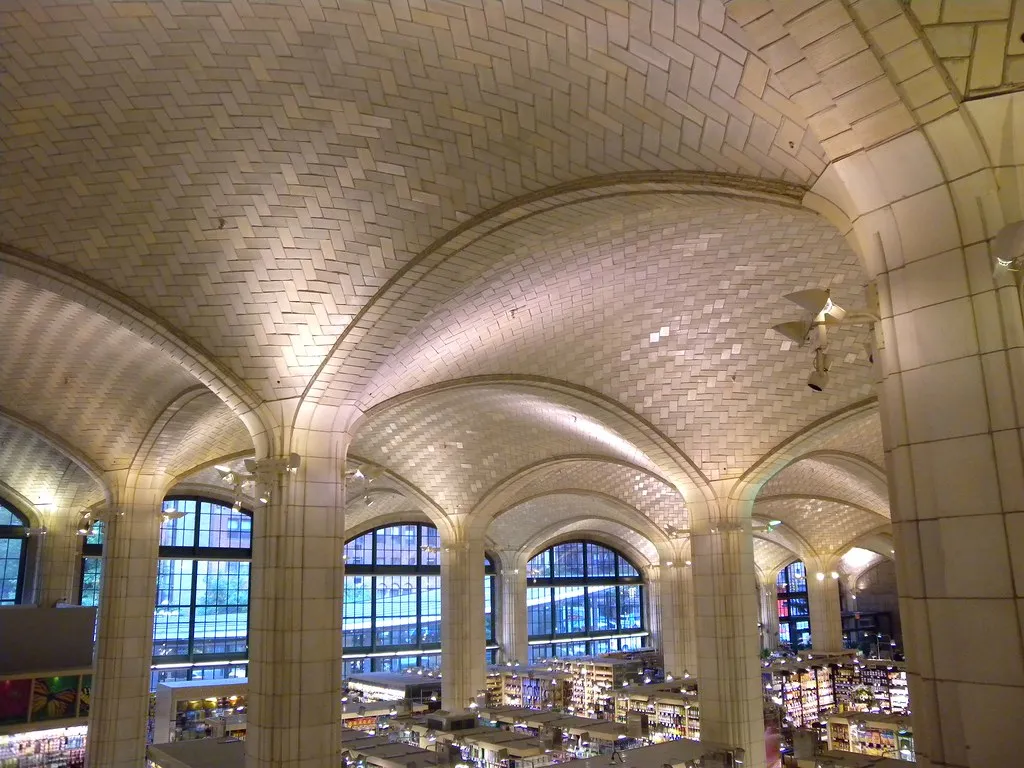
Rafael Guastavino became one of the most sought-after builders of Gilded Age America, introducing a distinctive system of tiled vaulting to some of the country’s most important buildings, including Grand Central Terminal. Guastavino arrived in New York from Valencia, Spain, in 1881.
For the Oyster Bar at Grand Central Station, Guastavino Jr. devised a series of vaults of cream-colored tile to create a space that was both intimate and expansive. Guastavino vaults figured prominently in more than 1,000 projects across the nation, including 200 in Manhattan alone. From Grand Central Terminal to Carnegie Hall and beyond, New York bears, in tile, structure, and light, the signature of Rafael Guastavino, a visionary from Valencia who quietly transformed American architecture while remaining largely invisible to history.
Was It Actually Planned This Way?
While the Whispering Gallery is certainly fascinating, it’s uncertain whether its unusual acoustical properties were intentional or accidental. That ambiguity has only added to its mystique over the decades. The whispering gallery effect is a product of the arch’s geometry rather than any deliberate acoustic engineering.
There is a charming speculation that the Whispering Gallery’s unique acoustics were not a planned feature but a fortuitous byproduct of the terminal’s overall architectural design. This serendipity adds an element of mystery and enhances the gallery’s appeal as a destination of wonder. Even the craftsmen who set those tiles may not have known what they were creating.
It Isn’t the Only One in the World
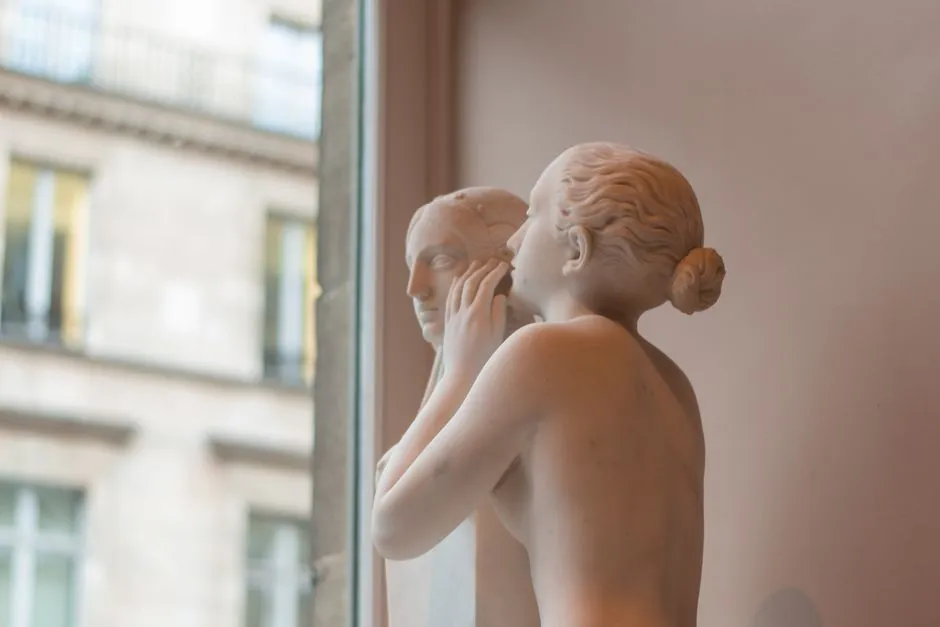
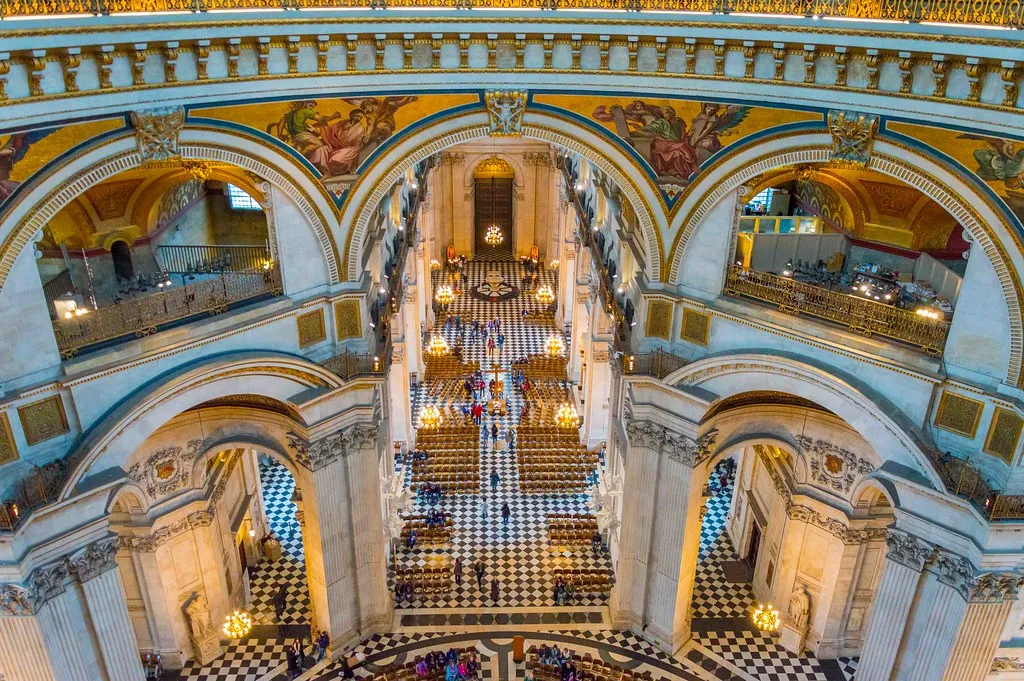
The curved ceiling allows sound waves to travel along the arches without fading. This same acoustic effect can be found in other famous landmarks, like St. Paul’s Cathedral in London and the U.S. Capitol Building in Washington, D.C.
Similar acoustic effects can be found in places like St. Peter’s Basilica in Rome, St. Paul’s Cathedral in London, and of course, this very Whispering Gallery. What makes Grand Central’s version distinctive is that it sits inside one of the planet’s busiest transit hubs, where commuters rush past it every hour of the day without a second glance.
The Best Time to Try It
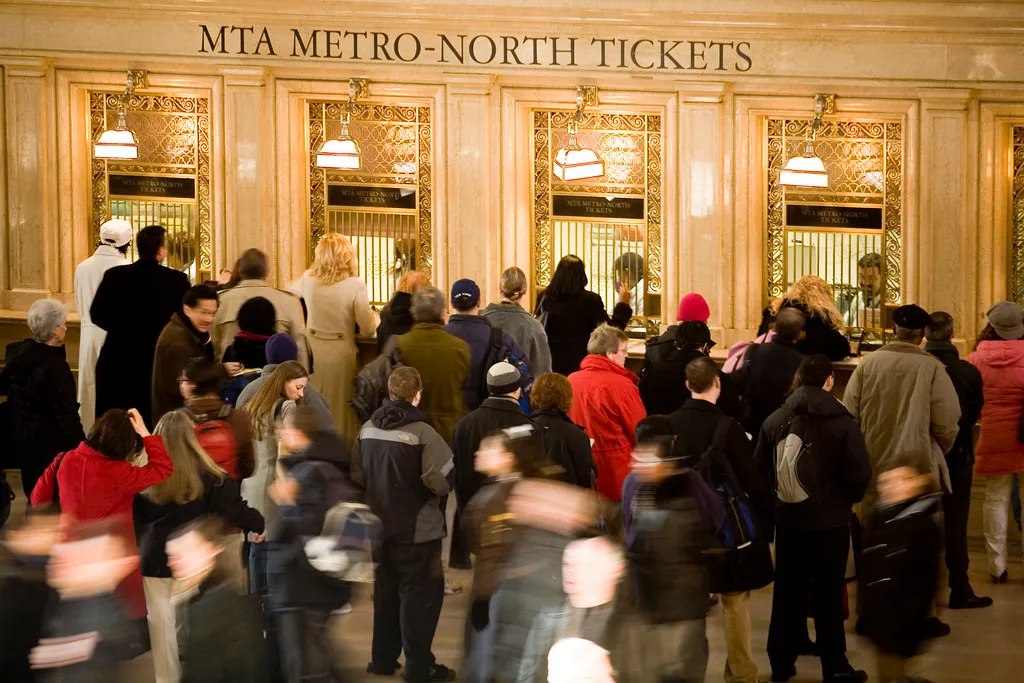
Any time Grand Central is open works, but weekday mid-morning, after 10am, sees fewer commuters and cleaner acoustics. The terminal quiets noticeably once the morning rush clears, and those fifteen or twenty minutes of relative calm can make a real difference.
Still, don’t let the idea of crowds put you off entirely. It works even during rush hour. That’s part of the magic. Under the gallery’s elegantly tiled dome, visitors can experience the magic of their whispers being heard clearly across the room, despite the surrounding din of the terminal. There’s something quietly thrilling about that contrast.
A Century of Whispers
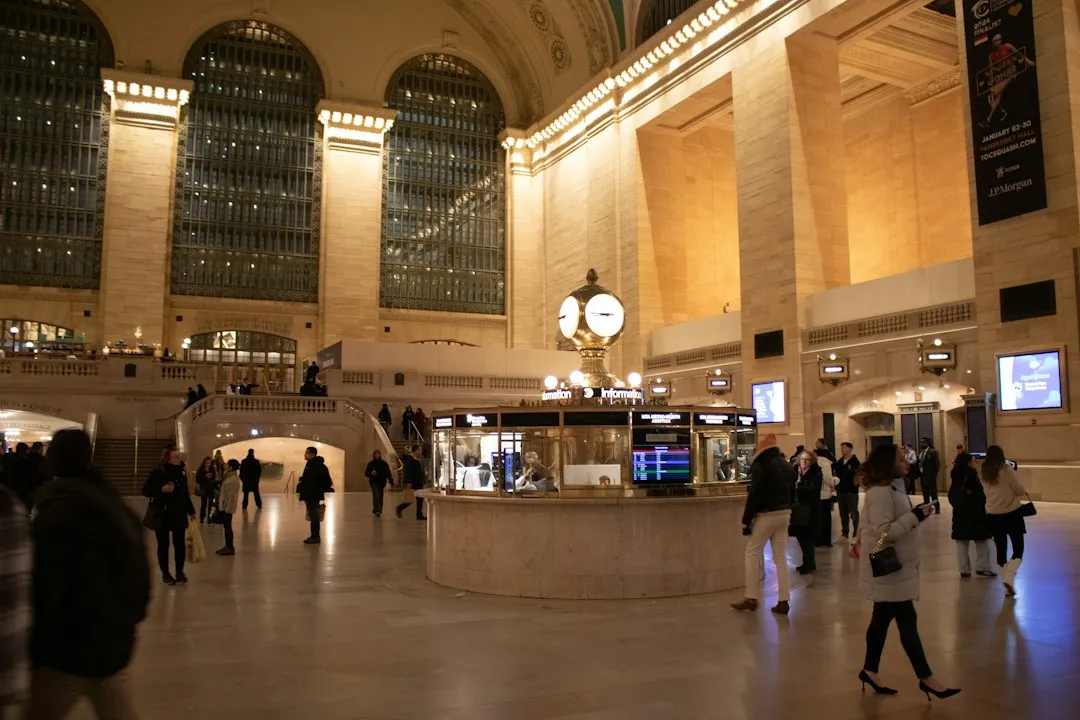
The station opened in 1913, and the gallery has been working this way ever since. More than a hundred years of conversations, proposals, secrets, and laughter have bounced across those tiles. For over 110 years, the Whispering Gallery has turned a busy transit terminal into a place where strangers lean into corners, test the physics, and leave a little delighted.
From Grand Central Terminal’s Oyster Bar and Whispering Gallery to the Municipal Building to the Queensborough Bridge, New Yorkers walk amidst Guastavino tiles every day, often without noticing. The Whispering Gallery is different though. Once you know it’s there, you won’t walk past it again.
The Takeaway
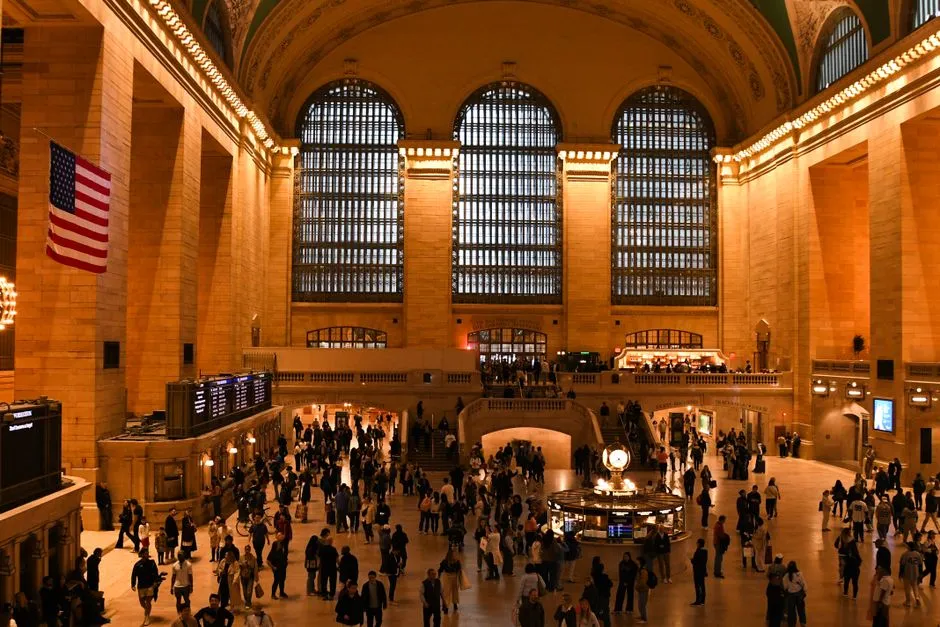
Grand Central Terminal is built for speed. Everyone inside it has somewhere to be. The Whispering Gallery asks you to stop, face a tiled wall, and speak softly to someone across the room. It’s a small act, and a genuinely surprising one.
Architecture nerds and anyone who’s dragged a skeptical friend here know the reaction: the skeptic whispers, hears their friend’s voice return from across the room, and immediately wants to do it again. The Whispering Gallery is an acoustic side effect of the four arched tile alcoves at the base of the ramp leading to the dining concourse, their curved surfaces focusing sound the way a parabolic dish focuses light. Grand Central is already one of the finest Beaux-Arts interiors in the country; this is the secret party trick inside the party trick.
Some of the best things in a city don’t advertise themselves. They wait quietly at the base of a ramp, made of cream-colored tile, doing exactly what they’ve always done.
AI Disclaimer: This article was created with the assistance of AI tools and reviewed by a human editor.