
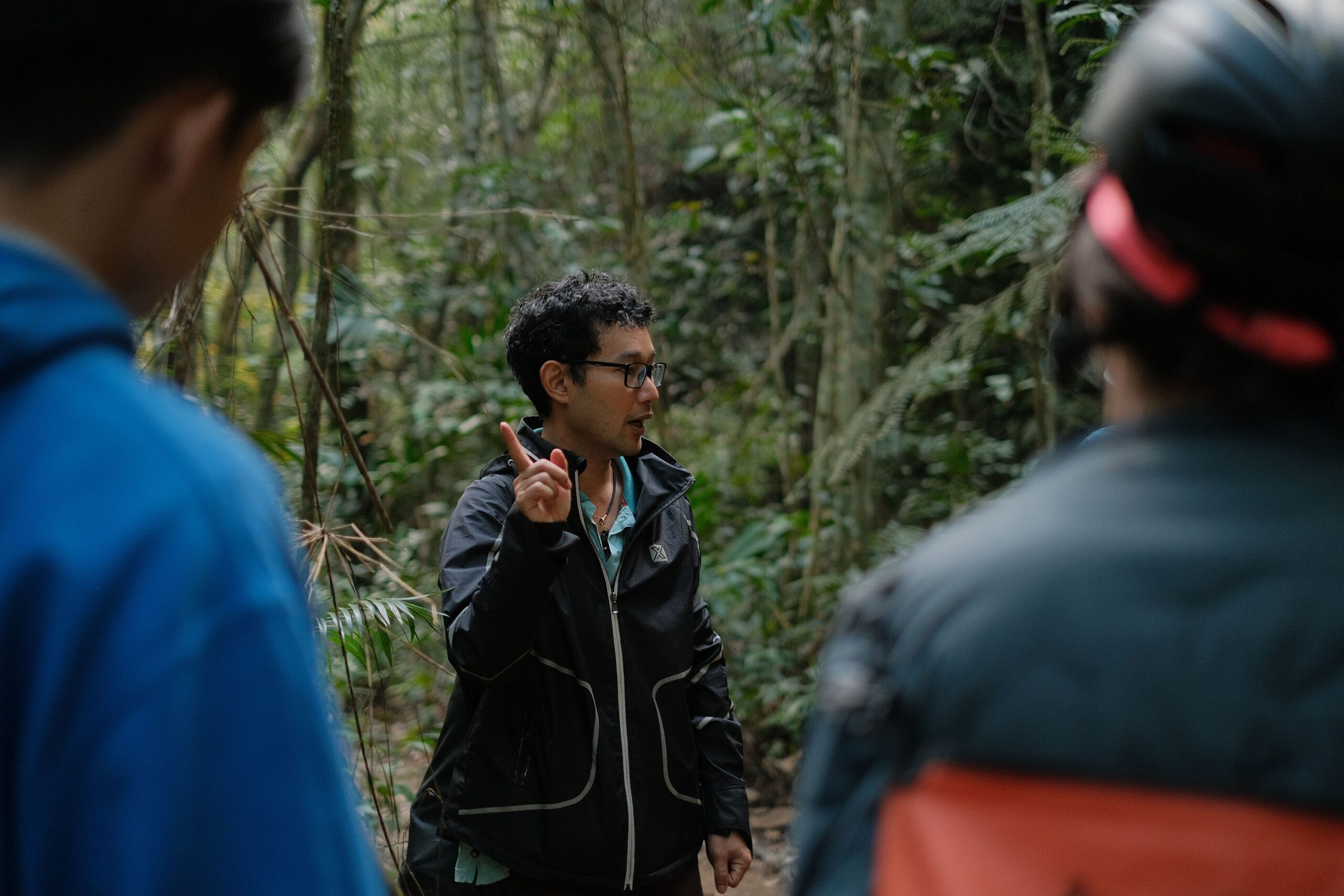

Every traveler eventually faces this quiet fork in the road: do you hand control over to a guide, or do you go it alone? Neither path is universally superior, and neither is a shortcut. The honest answer is that both approaches serve real needs, and the one that fits depends almost entirely on who you are, where you’re going, and what you actually want to get out of the experience.
What makes this decision more nuanced than it appears is that travel itself has changed. According to UN Tourism, international tourism has virtually recovered to pre-pandemic levels, with an estimated 1.4 billion international tourists recorded in 2024, an 11% increase over 2023. More people are traveling than ever, and the market has responded with far more choices between structured and independent formats than existed even a decade ago.
The State of Play: A Market Pulled in Two Directions

Tour bookings for 2024 reached 2.3 times pre-pandemic levels, and online booking penetration for tours climbed to 65% in 2023, up from 52% in 2020. The organized tour market is genuinely booming. At the same time, the appetite for independent travel is also rising sharply.
About 30% of American travelers are planning more self-guided cultural activities, while roughly 20% of travelers worldwide plan to take more guided cultural activities than in previous years, according to TripAdvisor research. Both formats are growing, which means the question is less about which is more popular and more about which one is right for your particular trip.
What a Guided Tour Actually Offers
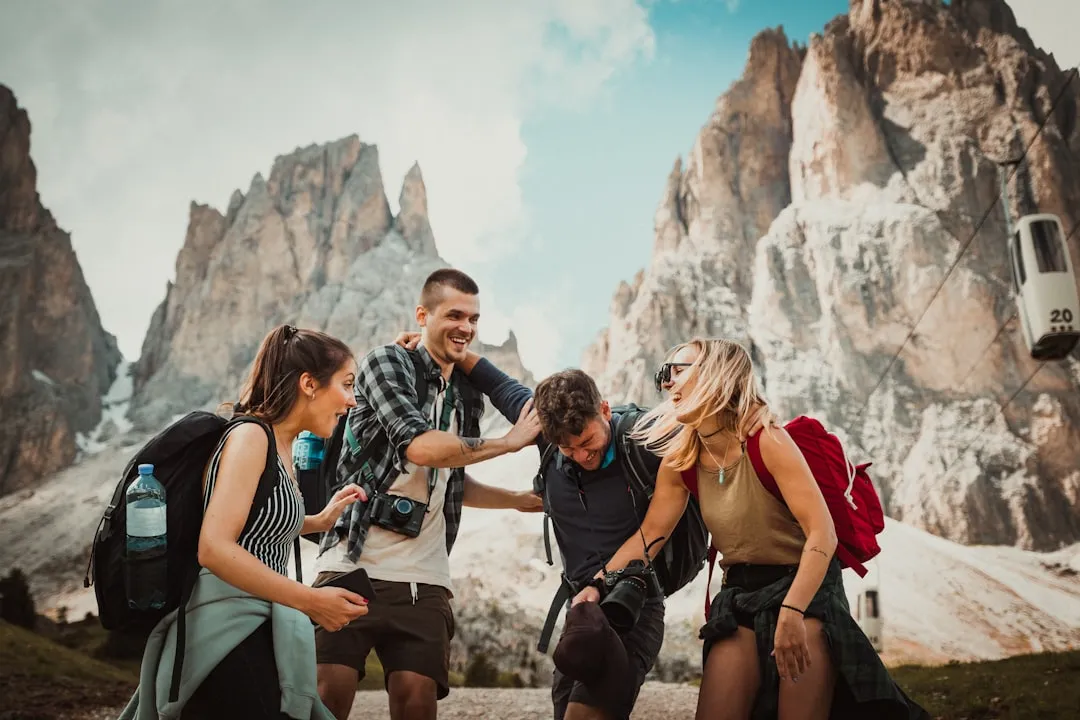
Guided tours offer organized itineraries with expert guides, assistance with transportation, and accommodations that meet accessibility standards. That logistical scaffolding is genuinely valuable, especially in destinations with language barriers, complex transit systems, or sites that genuinely require expert interpretation to understand.
Some guided tour formats provide tour directors and local guides from the region for every tour, as well as skip-the-line access to sites, centrally located hotels, and opportunities to meet local families. For travelers who want depth of context alongside ease of movement, that combination is hard to replicate independently. The logistics disappear and the experience comes forward.
What Self-Guided Travel Really Means Today

Self-guided doesn’t mean unplanned or left to chance. Modern self-guided travel sits in a productive middle ground, where the structure exists but the pace belongs to you. Organized self-guided tours create an itinerary but give travelers freedom to bike or hike to the next destination at their own rhythm, and major operators have been rapidly expanding their offerings in Asia and beyond for 2025.
Over the last couple of years, Headwater, a specialist in self-guided trips since 1985, has seen a 40% increase in self-guided active vacations. That kind of growth signals genuine demand, not a niche preference. Self-guided tours now allow travelers to explore destinations on their own terms like never before.
The Role of Technology in Self-Guided Experiences
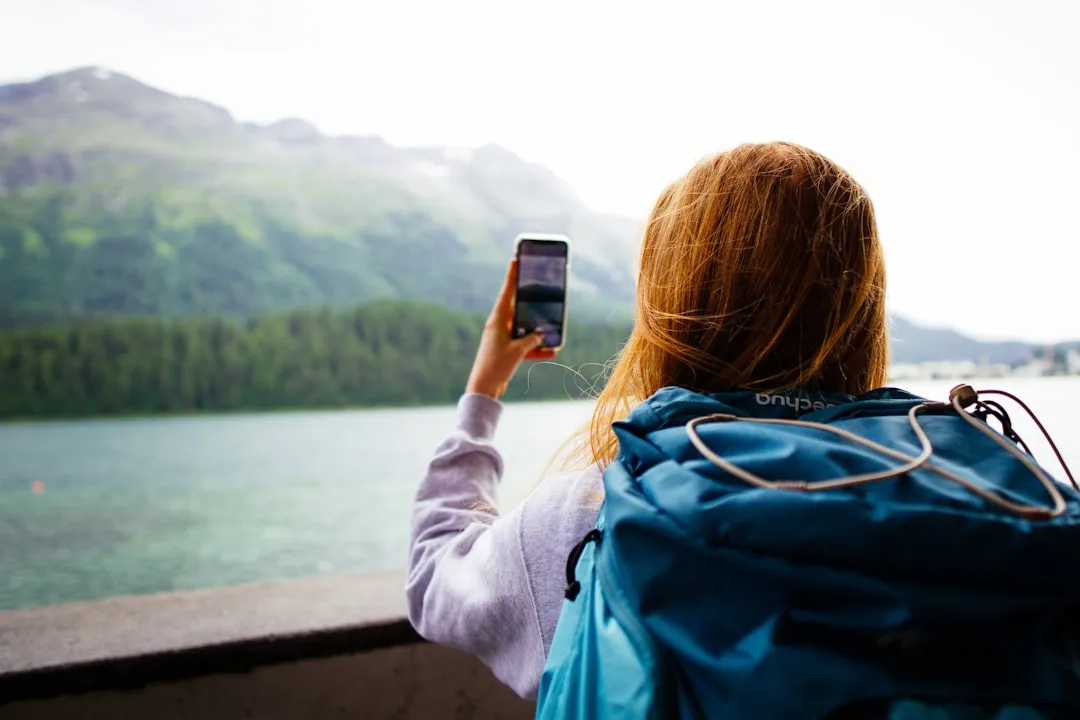
More than one-third of U.S. travelers and nearly three in ten European travelers used a self-guided tour or mobile audio guide while visiting an attraction, according to Arival’s 2026 Day Tour Taker research. This is a significant share and it reflects how app-based tools have made going it alone far more informative and less stressful than it once was.
Younger travelers and higher-income travelers are significantly more likely to use self-guided experiences. This demographic pattern matters: those who grew up navigating the world through a smartphone naturally gravitate toward self-directed formats. Generative AI tools, which had a 6% global usage rate among travelers in 2023, are expected to gain wider acceptance, with roughly half of those surveyed showing interest in using these tools for trip planning.
When a Guided Tour Is Clearly the Better Choice

Some trips genuinely call for a guide, and recognizing when is half the decision. Remote expeditions, politically sensitive regions, or destinations with dense cultural and historical layers are all contexts where an expert presence transforms the experience rather than just simplifying logistics.
Fully nine in ten solo female travelers over the age of 50 prefer to travel on a guided tour, and that preference reflects real practical wisdom rather than a lack of confidence. Guided tours take the stress out of planning logistics like transportation and lodging, allowing travelers to be fully present in their explorations. When the goal is immersion without exhaustion, structure earns its keep.
When Self-Guided Travel Makes More Sense

If you’re the kind of traveler who wants to linger somewhere unexpectedly, change direction on a whim, or sit at a café for two hours without it derailing a whole group’s schedule, then a rigid guided format will likely frustrate you. Self-guided travel rewards travelers who do their homework before they leave and enjoy the active process of navigating a place.
Searches for “solo travel deals” and “best solo destinations” are up 30%, reflecting the growing allure of independent travel. More than one-fourth of travelers said they plan to go solo on their next trip, which is double previous years’ figures, according to Globus tour trends research from 2024. Solo travel and self-guided formats tend to overlap significantly, as independence of movement is often central to the appeal of both.
The Destination Itself Should Influence the Decision
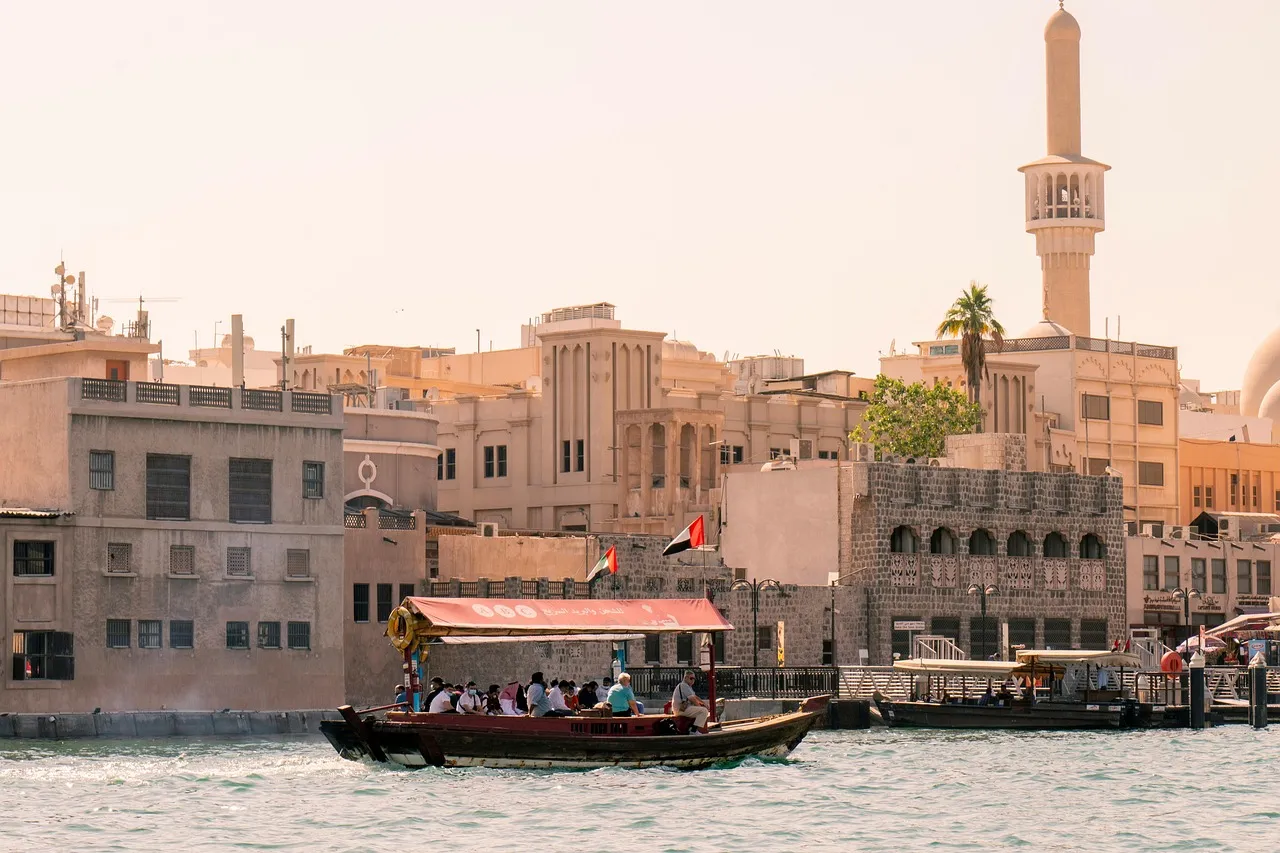
Context matters as much as personal preference. A walking trip through rural Portugal or cycling through Tuscany is genuinely well-suited to a self-guided format, where the terrain is manageable and the environment is navigable. Operators like Butterfield and Robinson have introduced self-led walking and biking itineraries across Croatia, France, Italy, and Vietnam, while Headwater’s self-guided tours to Portugal rank among their most popular offerings.
On the other hand, a first visit to a destination with deeply layered historical or spiritual significance, think Angkor Wat, the Inca Trail, or the medinas of Morocco, often benefits from human expertise on the ground. A well-informed local guide can offer context that no app or guidebook fully replicates. The destination’s complexity is a genuine variable, not just a matter of traveler confidence.
Group Dynamics and Social Comfort as a Factor

Group tour demand increased by 200% from 2022 to 2023, and family tour bookings grew by 130% in the same period. Guided group tours carry an underappreciated social dimension. For some travelers, especially those going alone, the built-in community of a group tour is itself part of the value.
Senior travel groups offer a way to meet like-minded people while removing the stress of planning complicated itineraries independently, with every detail handled from lodging to transportation. That said, group travel requires compromise on timing and pace. Travelers who find group schedules more stifling than comforting are usually better served by a self-guided format, even if it takes more advance planning.
Cost Is a Real Consideration, Not Just a Footnote
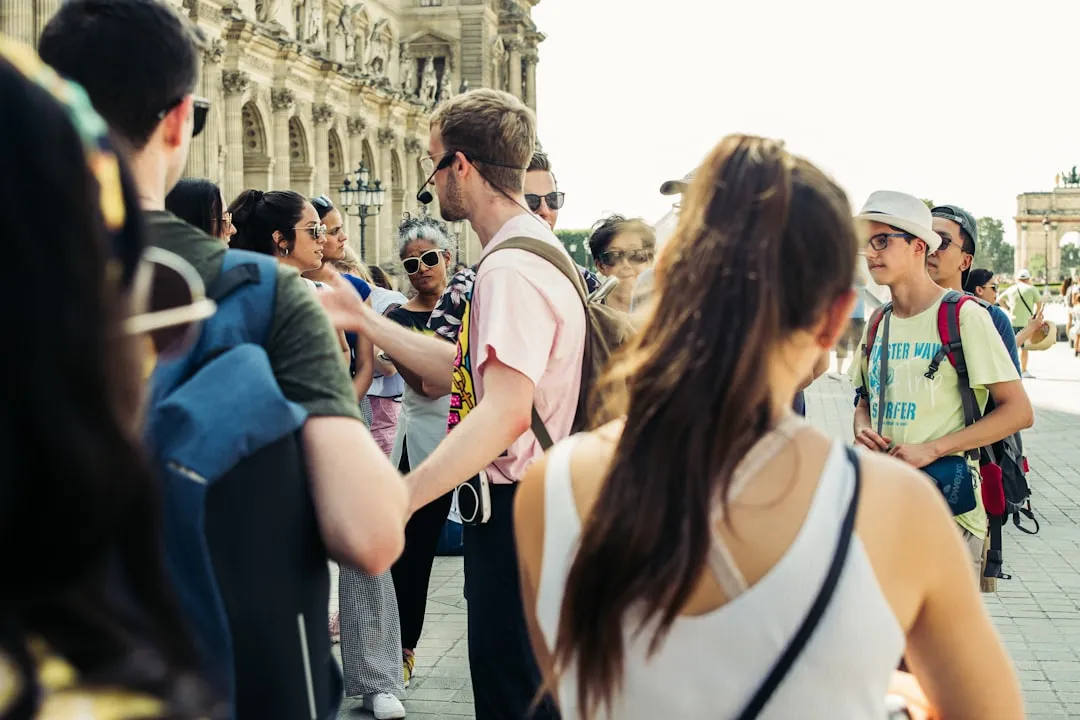
Guided tours come with the cost of professional expertise, and that’s not unreasonable. Local guides, logistical coordination, and pre-arranged access to sites all carry real value. Only about 12% of travelers are likely to splurge on guided tours, according to WYSE Travel Confederation data, which suggests that for many, the cost is a meaningful threshold.
Self-guided trips can be considerably more affordable, particularly for travelers who are comfortable booking independently and flexible about accommodation. The trade-off is time investment in planning, and that is a real cost in its own right. Neither format is inherently more economical when you factor in the full picture: the time spent researching, the access to experiences, and the depth of engagement you actually walk away with.
The Hybrid Approach: Worth Taking Seriously

One of the most practical insights in contemporary travel is that guided and self-guided are not mutually exclusive. Many experienced travelers now mix the two deliberately. They might join a day-long guided tour of a UNESCO site and spend the surrounding days exploring a city independently.
Some operators specifically design organized tours that create an itinerary but give travelers the freedom to bike or hike to the next destination on their own terms. This hybrid structure is increasingly common and reflects the broader industry shift toward personalization. Travelers today expect tailored experiences and itineraries designed to meet their unique needs, and the rigid either-or framing of a decade ago is giving way to more layered, flexible options.
The Takeaway

There’s no universal answer to whether a guided or self-guided approach is better, and anyone who tells you otherwise is probably selling something. The right choice comes from an honest read of the destination, the traveler’s own comfort level, the time available for planning, and what the trip is actually meant to deliver.
Some journeys need a guide. Others need freedom. Many need a bit of both. The most important thing is to resist defaulting to either format out of habit, and instead ask what this particular trip genuinely calls for. That’s a question worth sitting with before you book anything.
AI Disclaimer: This article was created with the assistance of AI tools and reviewed by a human editor.