
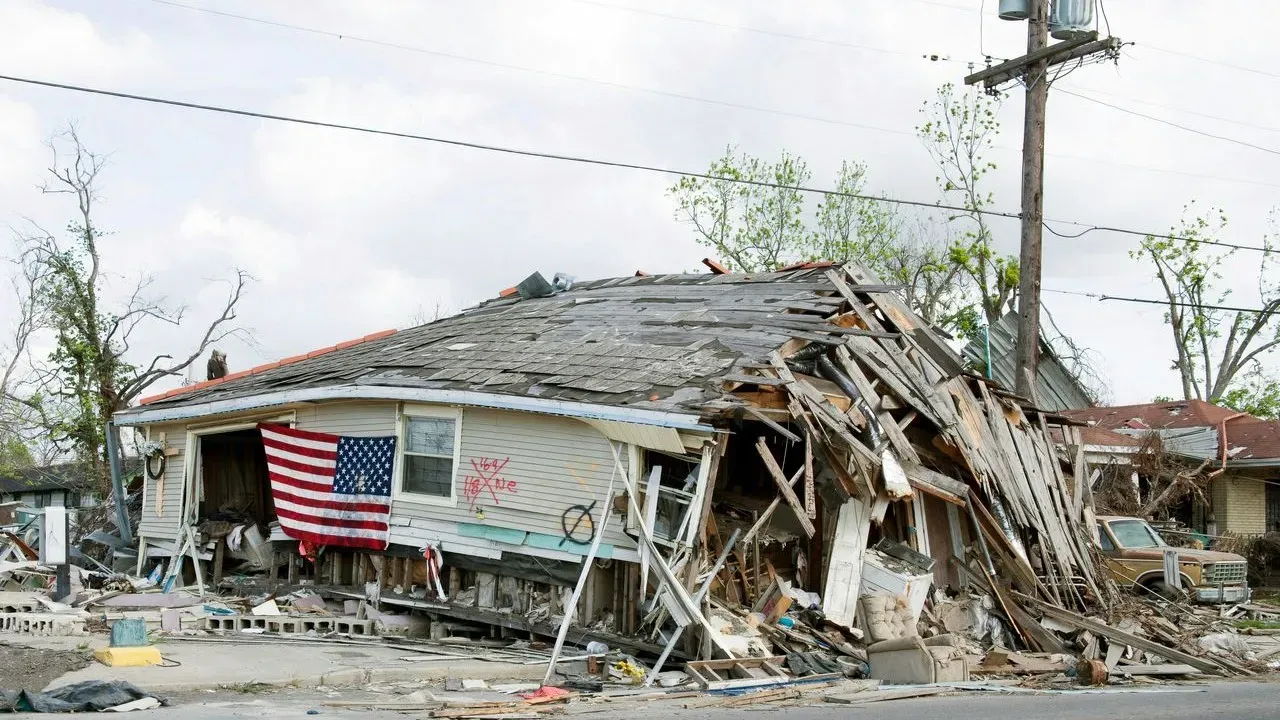

Northwest Florida’s Panhandle and Alabama’s Gulf Coast felt the effects of Hurricane Isaias as it made landfall near Destin on Friday evening as a Category 2 storm before weakening into a post-tropical cyclone over southern Alabama. ([1]) The system brought heavy rain, strong winds, and power outages to the region, yet the distinctive barrier islands, coastal forests, and welcoming communities that draw visitors year after year remain the heart of these shores.
Current Status and Regional Conditions
As of early Saturday, the National Hurricane Center reported Isaias as a post-tropical cyclone with maximum sustained winds near 35 mph, moving northward through Alabama. All hurricane warnings have been discontinued, though residual wind advisories and flood concerns persist in some inland areas. Power restoration efforts are underway across affected counties in both Florida and Alabama, with utilities prioritizing critical infrastructure first. Travelers planning visits to Destin, Fort Walton Beach, Pensacola, or Gulf Shores should note that many roads and beaches are open, yet localized flooding and debris may still affect access in spots. The Panhandle’s white-sand shores and Alabama’s coastal waterways continue to offer their signature beauty, now paired with the quiet resilience of communities focused on recovery.
Preparing for a Thoughtful Visit
Before heading out, consult official sources for the latest road conditions and facility status. The National Hurricane Center, FloridaDisaster.org, and Alabama’s Emergency Management Agency provide real-time updates, while local tourism boards share details on open attractions and lodging availability. Checking directly with hotels, restaurants, and tour operators ensures plans align with current realities on the ground. Many properties along the coast have resumed normal operations or adjusted hours to accommodate recovery work. Visitors who confirm details in advance help reduce strain on local resources and support businesses that are eager to welcome guests again.
Traveling Responsibly During Recovery
Respectful travel means prioritizing local businesses that have reopened and contributing to the economy in ways that aid long-term recovery. Staying at independently owned inns, dining at family-run eateries, and booking experiences with area guides keeps dollars circulating within the communities most affected. Patience with any temporary service adjustments also goes a long way. Simple choices, such as refilling water bottles at available stations rather than relying on single-use plastics or leaving no trace on beaches and trails, align with the region’s deep connection to its coastal ecosystems. These small actions honor both the landscape and the people who call it home. Communities along the Gulf have long balanced tourism with stewardship of their natural and cultural assets. By arriving prepared and spending thoughtfully, visitors can enjoy the Panhandle’s emerald waters and Alabama’s historic coastal charm while playing a positive role in the area’s continued renewal.
AI Disclaimer: This article was created with the assistance of AI tools and reviewed by a human editor.