
The Step Everyone Skips: Proper Heat Soaking
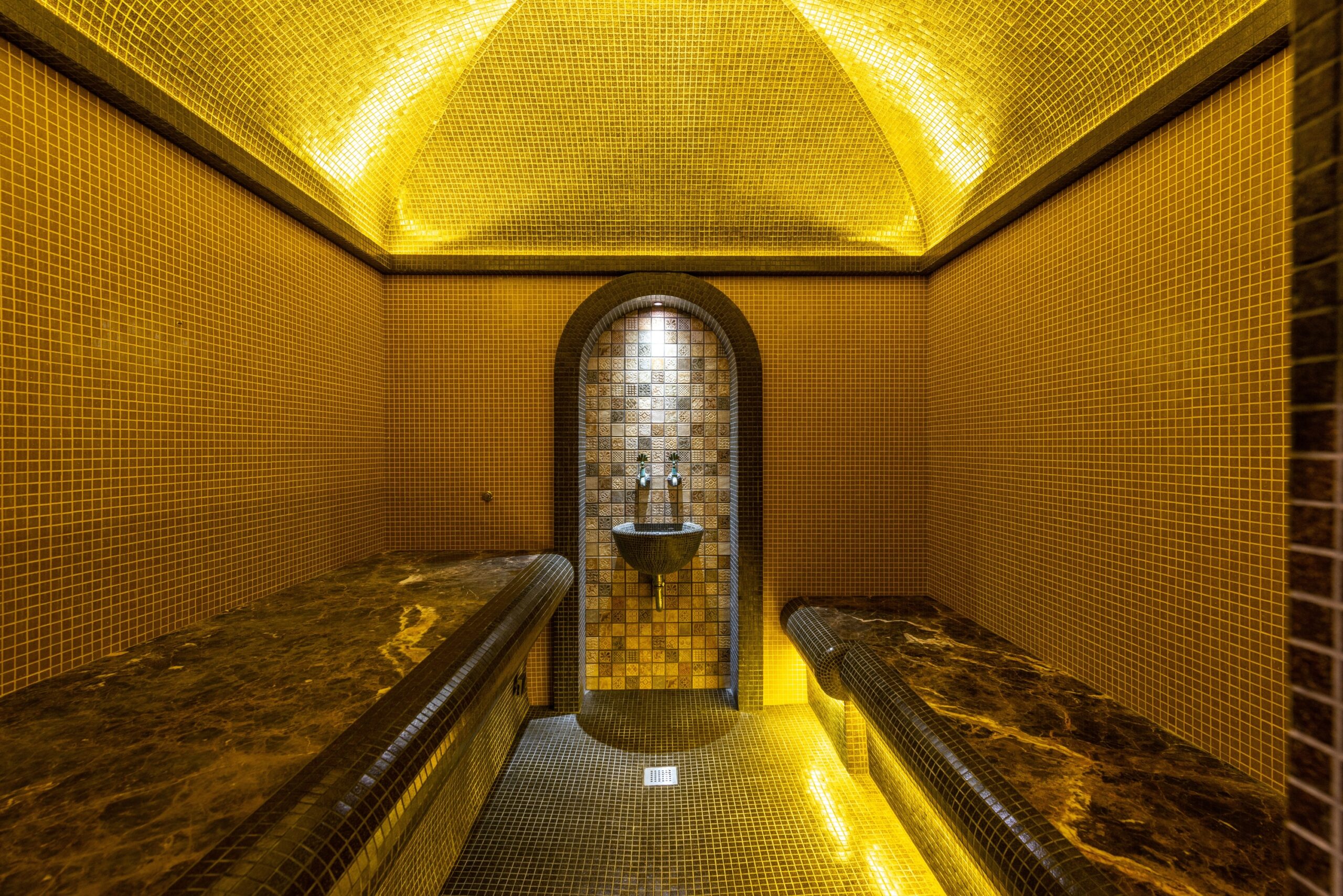
The first step in the hammam experience is entering a warm or hot steam room. The humidity and heat begin to open your pores and soften your skin, and this stage is a fundamental part of the hammam, as it prepares your body for deep exfoliation. Most first-timers underestimate just how long this actually takes.
Most practitioners recommend spending at least ten to fifteen minutes in the steam before exfoliation begins. That number isn’t arbitrary. It reflects how long the body genuinely needs to soften the uppermost layer of skin cells so that the kessa can do its work properly.
This step is crucial: without it, the black soap won’t penetrate as effectively and the kessa exfoliation won’t work as well. Attendants across traditional bathhouses say that rushing through the heat soak is the single most common mistake they see from first-time visitors.
Why the Hammam Is Built Around Gradual Temperature
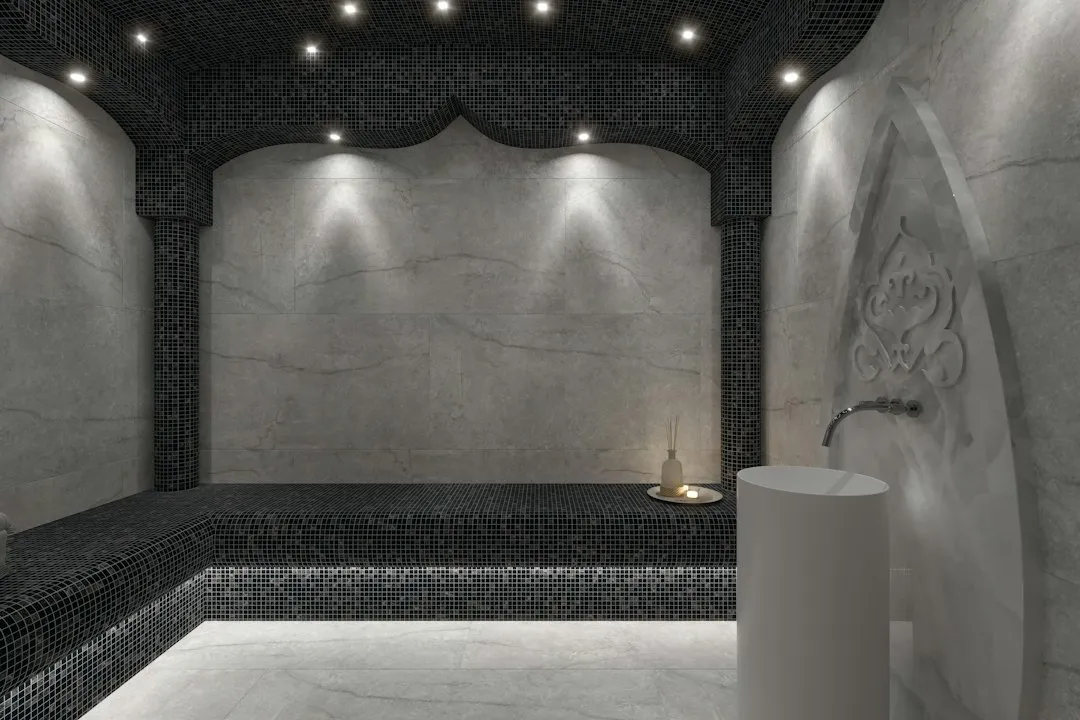
The progression of heat in the hammam isn’t accidental: each room is designed to acclimate your body gradually, so you should never rush through them. The architecture of a traditional hammam is itself a lesson in patience. Rooms exist for a reason, and the sequence matters.
Traditional Moroccan hammams consist of a series of heated rooms with gradually increasing temperatures, typically constructed from tadelakt, a polished lime plaster. Bathers move through the rooms, beginning with warm acclimatization and progressing to hot steam rooms where the cleansing ritual is performed.
The ritual begins with a warming phase known as hararet, where you relax in a heated, humid room while lying on a warm marble platform called the göbek taşı. During this stage, the heat encourages the body to sweat, helping to open the pores, release impurities, and gradually relax tight muscles. Skipping even a portion of this phase shortchanges everything that follows.
The Black Soap Phase That Most Visitors Rush Past
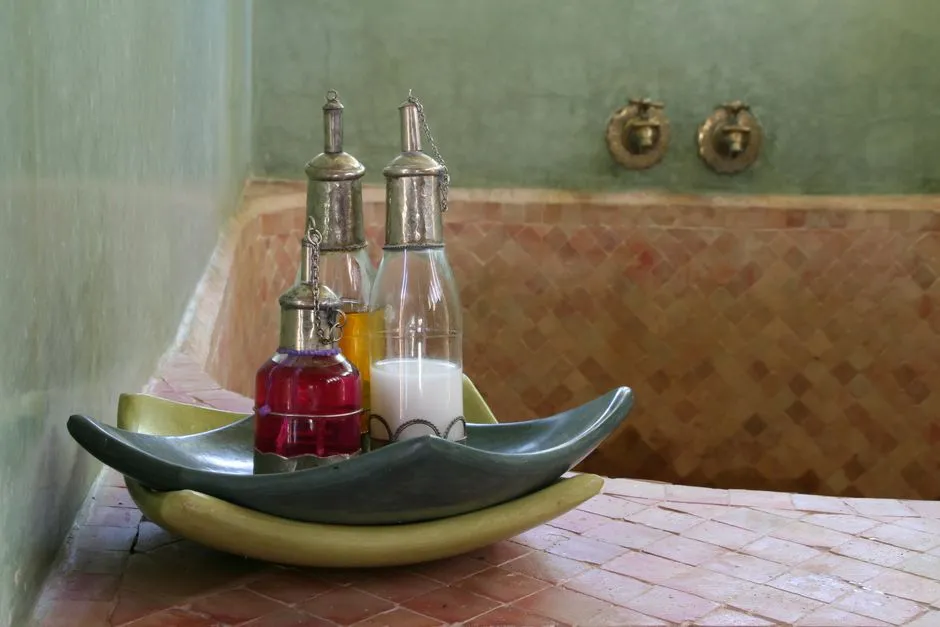
Savon Beldi has been a staple of Moroccan hammams for centuries. It is applied to the body after the steam phase to soften dead skin cells and prepare the skin for exfoliation with the kessa mitt. Without the black soap step, the kessa cannot work nearly as effectively.
Rich in vitamin E, natural glycerin, and olive leaf extract, it’s applied all over the body and left on the skin for five to ten minutes. During this time, the soap softens the outermost layer of skin, breaks down impurities, and prepares the skin for gommage. It cleanses deeply without stripping the skin’s natural moisture barrier, leaving it feeling nourished rather than dry.
In Moroccan culture, the hammam is a revered space where physical and spiritual cleansing converges, and black soap plays a pivotal role in this ritual, embodying the spirit of community, tradition, and holistic health. Rushing past its application time is one of the most consistent errors attendants observe, particularly among visitors unfamiliar with the soap’s purpose.
The Kese Exfoliation: Powerful Because of What Came Before
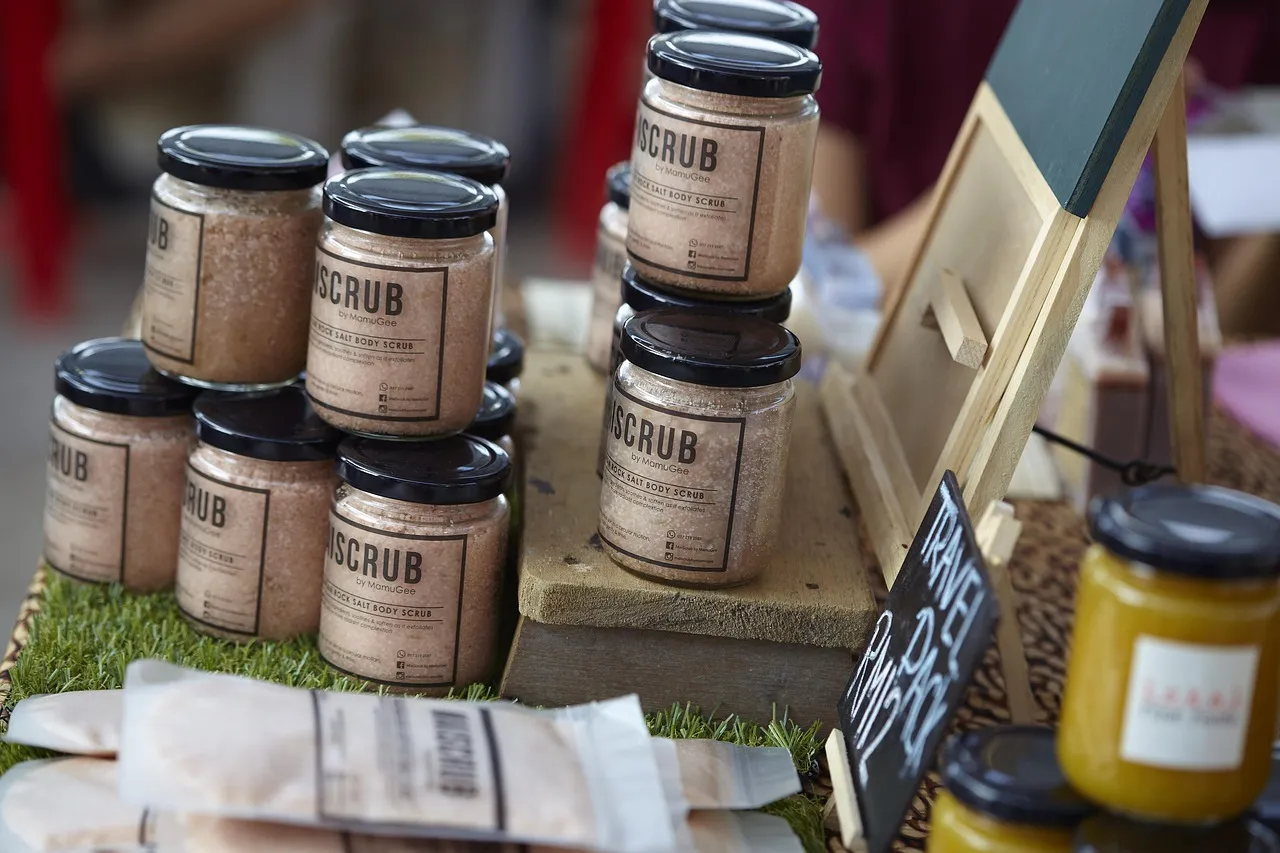
A trained attendant called a tellak in Turkish hammams performs the exfoliation. Using a traditional kese mitt, they exfoliate your entire body, removing dead skin and stimulating circulation. The kese is a coarse woven mitt that removes layers of dead skin cells.
This is the most transformative step of the Moroccan hammam ritual. After rinsing off the black soap, a wet kessa glove is used to scrub the skin in long, firm strokes. The results can be startling. First-time visitors often find the amount of skin that rolls off their body both alarming and satisfying in equal measure.
One of the highlights of a hammam visit is the gommage: a vigorous head-to-toe exfoliation using a coarse mitt called a kessa. It can feel intense, especially if it’s your first time, but the result is smooth, glowing skin. The key word there is “result,” something only possible when the preparatory steps are honored fully.
What the Foam Massage Actually Does
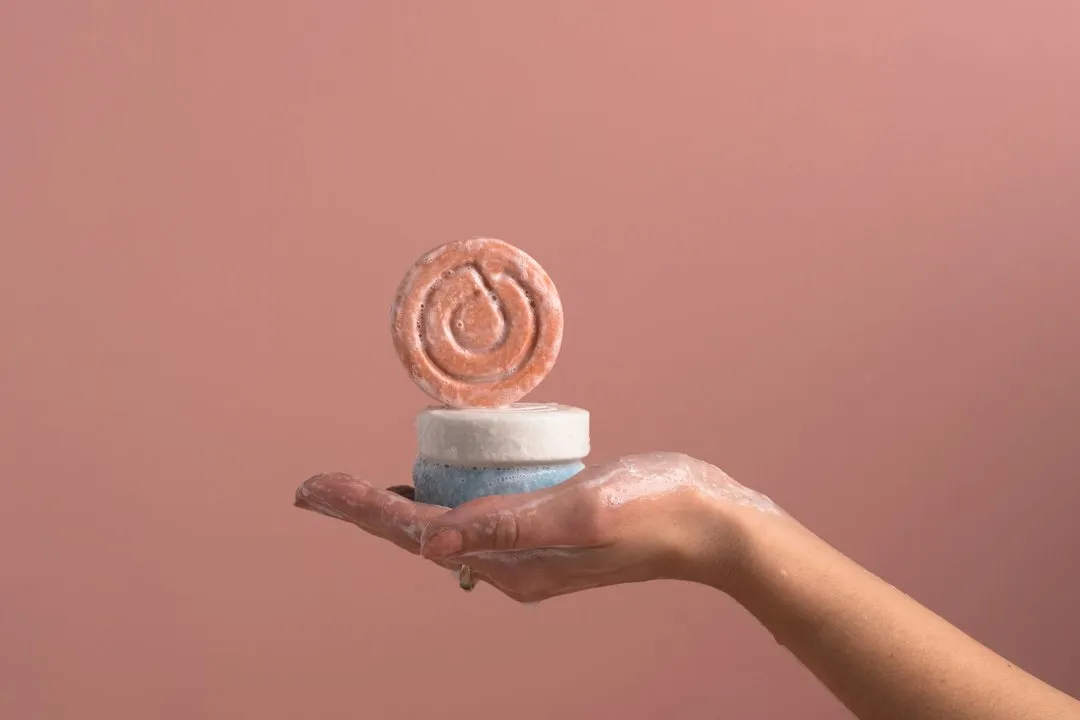
The core phase of the hammam involves a full-body exfoliation with a coarse mitt called a kese, followed by a luxurious foam massage and rinsing with warm water. Many first-timers arrive thinking the foam massage is the main attraction. Attendants tend to see it differently: as a restorative step that builds on everything prior.
Steam helps open pores, the kese exfoliation smooths the skin, and the foamy massage improves circulation, contributing to a refreshed, rested feeling. Each element in the sequence amplifies the last. The foam massage makes sense precisely because the skin has already been prepared so thoroughly.
One of the most enjoyable steps of the Turkish hammam ritual is the foam massage. When the previous steps have been done well and without rushing, the foam massage feels noticeably different, deeper and more relaxing, than when the body hasn’t been properly warmed and softened.
Hydration Before You Arrive Matters More Than People Think
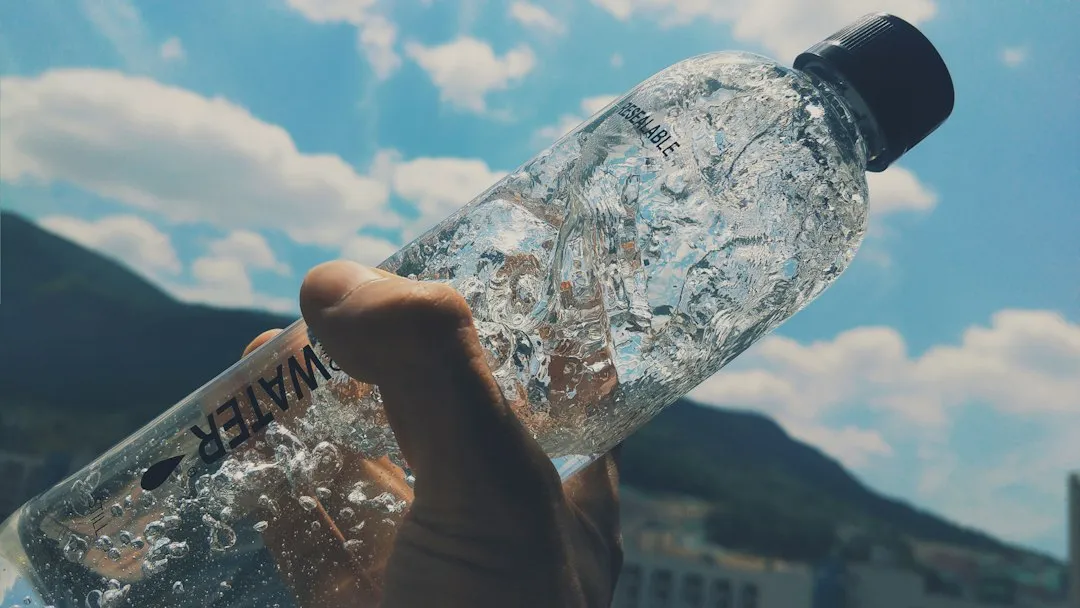
Remember to stay hydrated, take breaks if you feel overwhelmed by the heat, and most importantly, enjoy the experience without rushing. Hammams are about relaxation and rejuvenation, so allow yourself to fully embrace the tranquil environment.
Experienced attendants often note that visitors who arrive dehydrated find the heat phases far more uncomfortable, and tend to rush through the steam room simply to escape it. Drinking water before a session isn’t just a wellness tip. It’s practical preparation that shapes the entire experience.
Remember: hammams are rituals for renewal, not a race, and by paying attention to hydration and pacing yourself, you’ll ensure that the experience leaves you refreshed rather than drained. That guidance applies before you step inside just as much as it does during the session itself.
The Role of the Attendant and Why First-Timers Should Listen Closely
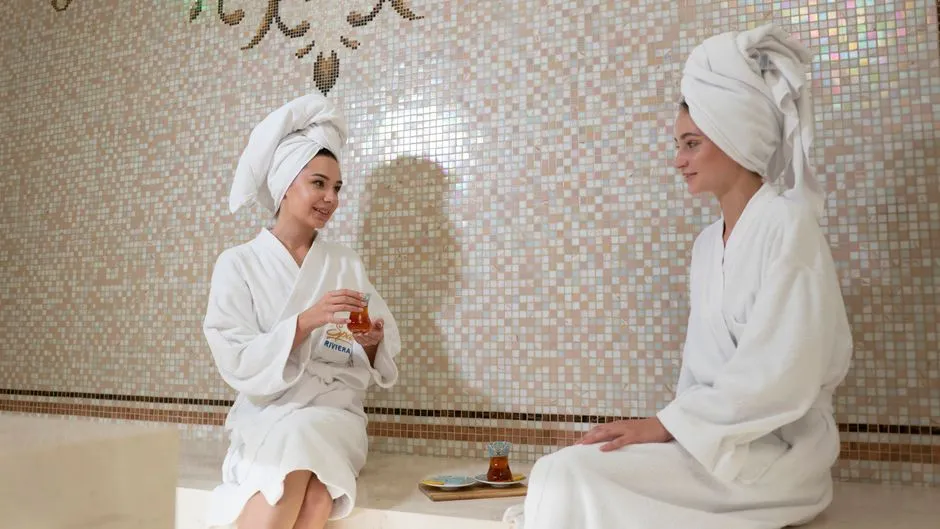
A first-time visitor should follow hammam etiquette: wear a pestemal, keep jewelry tucked away, move at a comfortable pace, and address staff with respect. Let the attendant guide you through the heating, exfoliation, and massage steps, and ask questions if you’re unsure about any cue or technique.
The hammam is beginner-friendly and guided by experienced attendants. Their pacing is deliberate. When an attendant signals that it’s time to move from the steam room, or applies the black soap and says to wait, that guidance is rooted in practical knowledge accumulated across countless sessions.
It’s essential to follow the attendant’s guidance and communicate your comfort levels, especially during exfoliation and massage. There’s no performance required. Speaking up about pressure or temperature is not only welcome but genuinely useful to the person treating you.
The Sensory Environment Is Part of the Ritual
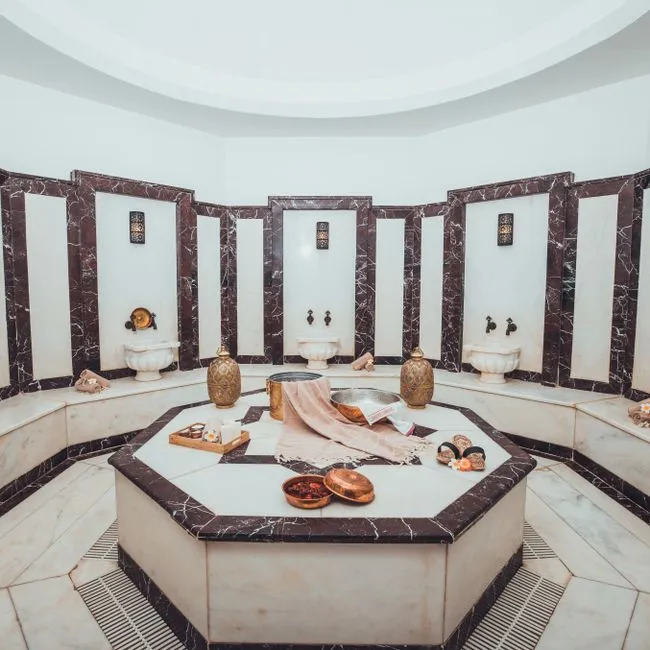
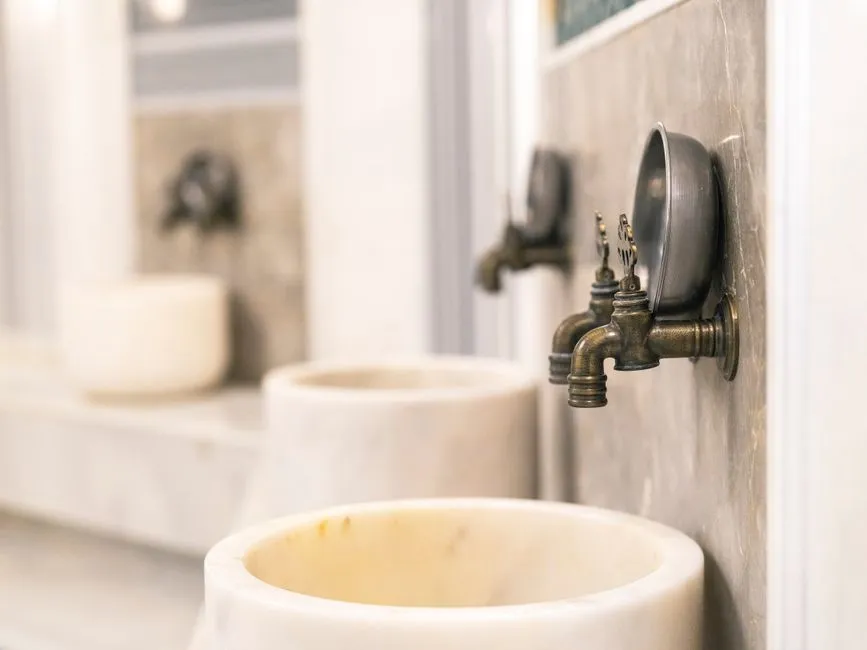
The air is often heavy with the scent of essential oils: eucalyptus for clearing sinuses, rose for a calming effect, or orange blossom for a touch of luxury. The soundscape is subtle but considered: water trickling from marble basins, the occasional splash of a bath, and whispers of conversation all work together to create a soothing ambience. Even the tactile elements, the smooth marble, warm tiles, and soft towels, are carefully chosen to enhance the experience.
Understanding that the hammam is a holistic ritual rather than just a steamy space with different temperature rooms can help first-timers embrace the purpose of each stage. When the setting is received with attention rather than impatience, the body responds differently to the heat and the touch.
More than just a place for physical cleansing, the hammam has historically served as a space for community, spiritual renewal, and emotional balance. It represents a holistic approach to wellness, blending heat, water, and ritual to purify the body and calm the mind. Arriving with that understanding changes everything about how the experience unfolds.
The Cool-Down Phase That Most Visitors Skip Entirely
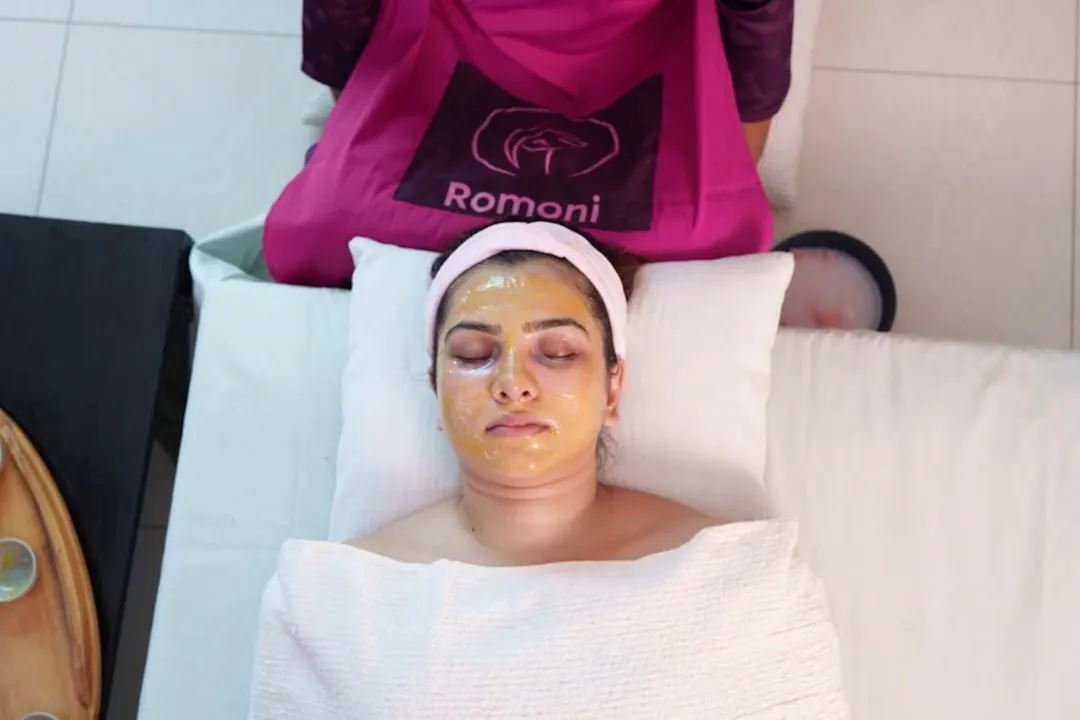
As your body cools down, your pores gradually close and your skin feels fresh and clean. This final step leaves you feeling relaxed, refreshed, and restored after the warm and intensive treatment. Yet this is the phase that visitors most commonly abandon early, especially those on a tight schedule.
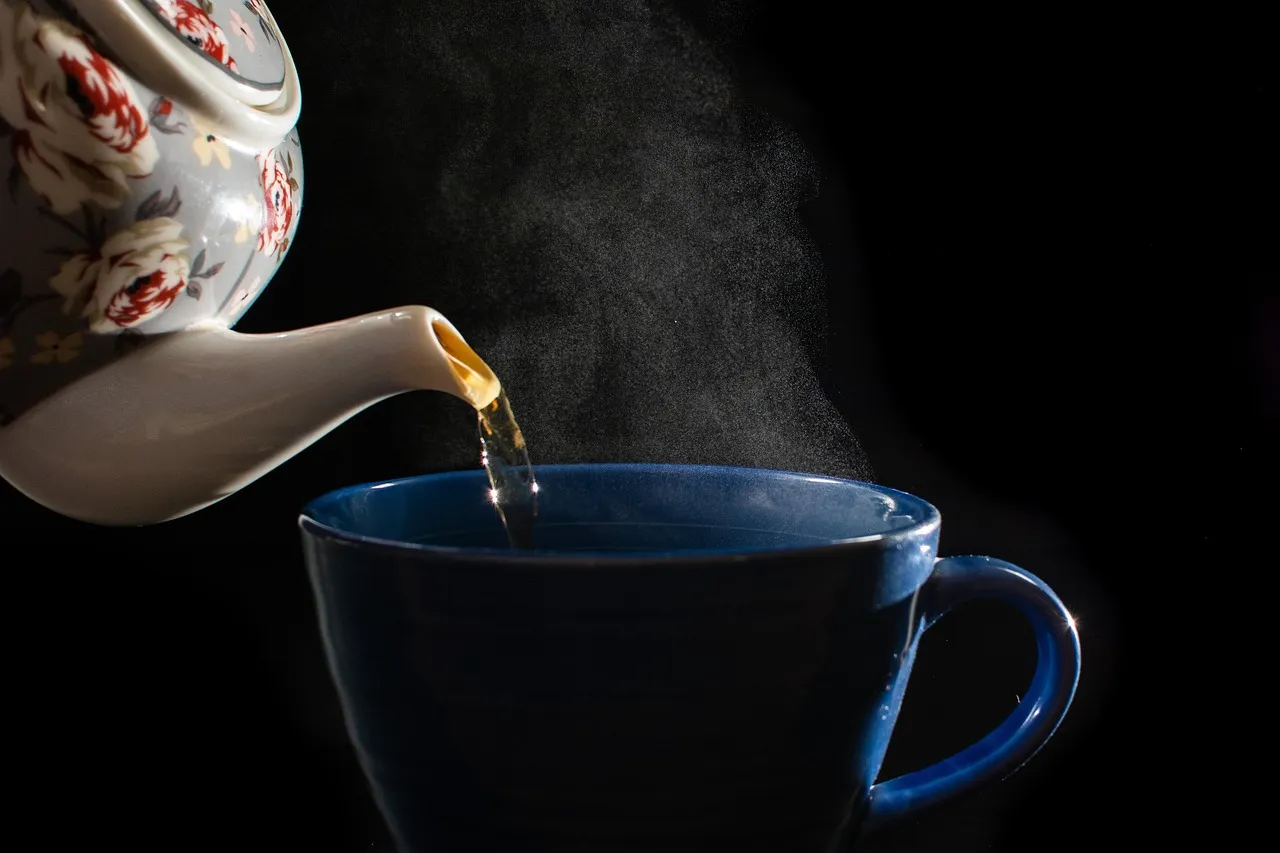
Do not rush to leave once your session is finished. Sit in the lounge area, enjoy a tea, and let your heartbeat, breathing, and temperature return to balance. This is part of the hammam ritual itself.
After your hammam experience, take time to slowly readjust. Drink plenty of water to rehydrate, and if possible, rest for a while to let your body and mind fully absorb the benefits of the ritual. The cool-down isn’t optional. It’s structurally part of what the hammam was always designed to deliver.
What Regular Practice Reveals That a Single Visit Cannot
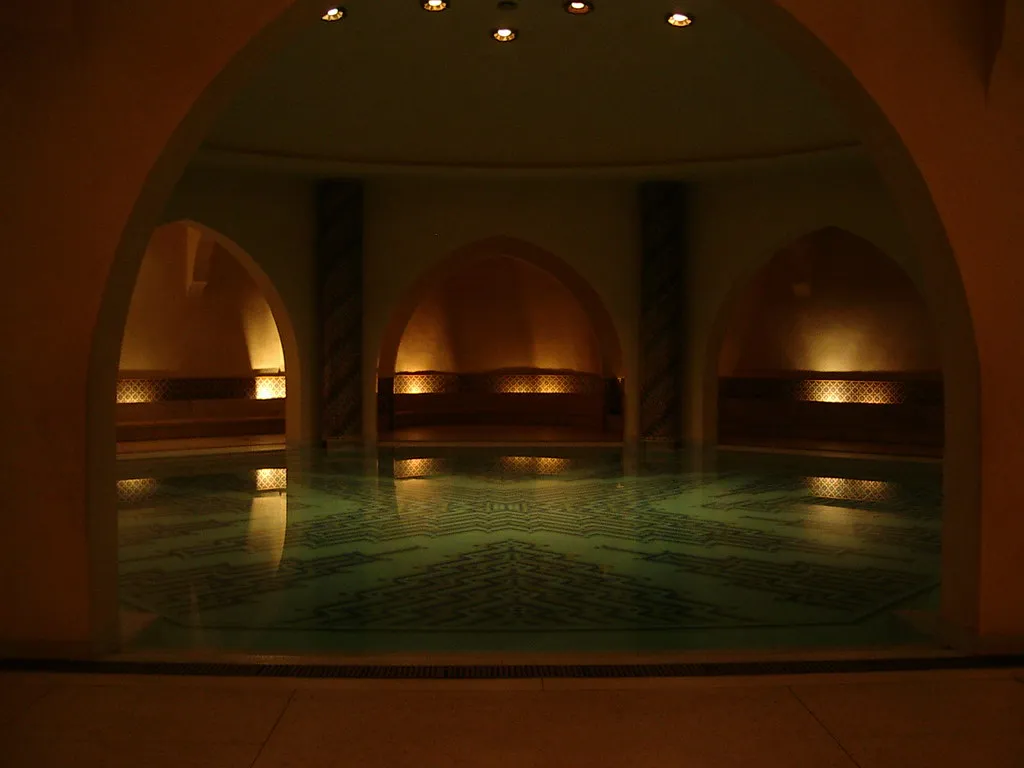
In Morocco, most people visit the hammam once a week. That rhythm is telling. The hammam was never conceived as a one-off experience to check off a list. It was designed as a repeating practice, something that builds in effect over time and becomes easier to inhabit the more familiar you become with its pace.
Rooted in centuries of North African culture, it’s a weekly ceremony of steam, soap, exfoliation, and nourishment that leaves skin smoother, cleaner, and more radiant than any modern spa treatment. For Moroccans, the hammam isn’t just about bathing: it’s a moment of deep self-care, social connection, and renewal.
The hammam is not something to “get done”: it is meant to be experienced slowly. First-time visitors who return a second or third time almost always report that the experience felt entirely different, not because the ritual changed, but because they finally stopped trying to move through it on their own terms.
The Takeaway
Every hammam attendant will tell you the same thing in different words: the ritual works when you let it. The results that surprise first-timers, the impossibly soft skin, the deep calm, the physical lightness afterward, are not products of the kessa alone. They are the cumulative result of a sequence that was designed to be followed in full, from the first breath of steam to the last quiet moments in the cooling room.
The step everyone rushes is the step that makes everything else possible. That step is patience, expressed as heat, as stillness, and as trust in a practice that has been refining itself for centuries.
AI Disclaimer: This article was created with the assistance of AI tools and reviewed by a human editor.