
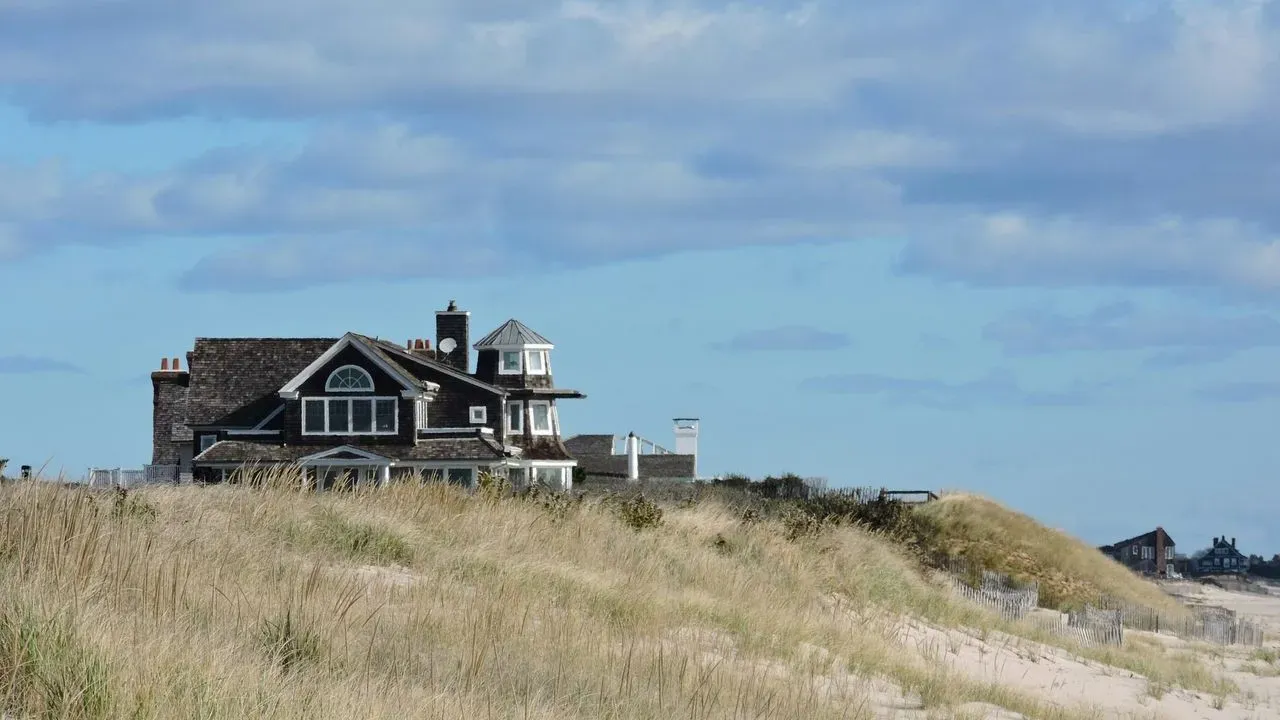

The Hamptons region on Long Island continues to draw affluent visitors and residents seeking distinctive coastal experiences. A notable shift is underway as buyers explore properties along the bay and north of the main highway, even when oceanfront options remain within reach. Strict zoning rules and limited land availability have contributed to this movement, opening opportunities for substantial transactions in these areas. ([1])
Why the Shift Matters Now
Recent patterns in the luxury market reflect broader changes in how people approach seasonal living in established destinations. Land constraints and regulatory frameworks have narrowed options in certain coastal zones, prompting renewed interest in alternative settings that still offer direct water access and community connections. This development affects longtime residents, new property owners, and local businesses that support the seasonal economy.
Buyers who could readily secure oceanfront estates are instead evaluating bayside and inland locations for their practical advantages. The trend underscores how external factors like zoning influence choices without diminishing the overall appeal of the region. Stakeholders across the Hamptons, from real estate professionals to village planners, are observing these adjustments closely.
Discovering Bayside Charm
Bayside communities provide a different rhythm of waterfront living, with calmer waters suited to kayaking, sailing, and quiet observation of tidal patterns. Historic homes and newer builds often sit closer to village centers, allowing easier access to local markets, galleries, and dining spots that reflect the area’s layered heritage. These settings emphasize a sense of place rooted in everyday interactions rather than expansive ocean views alone.
Travelers and seasonal residents who value proximity to protected waterways find these locations particularly rewarding. The scale of properties can support both private retreats and gatherings that connect with surrounding natural features. Many appreciate the balance between seclusion and community engagement that bayside addresses naturally provide.
Inland Villages Offer Distinct Experiences
Areas north of the primary east-west route reveal preserved landscapes and smaller-scale settlements that highlight the Hamptons’ agricultural and artistic traditions. Rolling terrain, tree-lined lanes, and proximity to farms and nature preserves create opportunities for exploration on foot or by bicycle. These villages maintain a measured pace that complements time spent near the water.
High-end transactions reaching the twenty-million-dollar range demonstrate sustained demand for thoughtfully positioned homes in these inland pockets. Buyers recognize the potential for privacy alongside convenient connections to bayfront amenities. The combination supports a fuller experience of the region’s cultural and environmental assets.
What Matters Now
Key considerations for those exploring the Hamptons include understanding local zoning impacts, evaluating water access options, and prioritizing properties that align with personal values around sustainability and community integration.
Practical steps involve consulting village records for current regulations and working with advisors familiar with both bayside and inland markets. This approach helps ensure decisions support long-term enjoyment of the destination’s unique qualities.
The evolving preferences among buyers point toward a more distributed appreciation of the Hamptons as a whole. By embracing varied settings, visitors and residents alike can engage more deeply with the region’s natural beauty, local culture, and enduring sense of place. This measured expansion of interest benefits the broader community while preserving the character that has long defined the area.
AI Disclaimer: This article was created with the assistance of AI tools and reviewed by a human editor.