
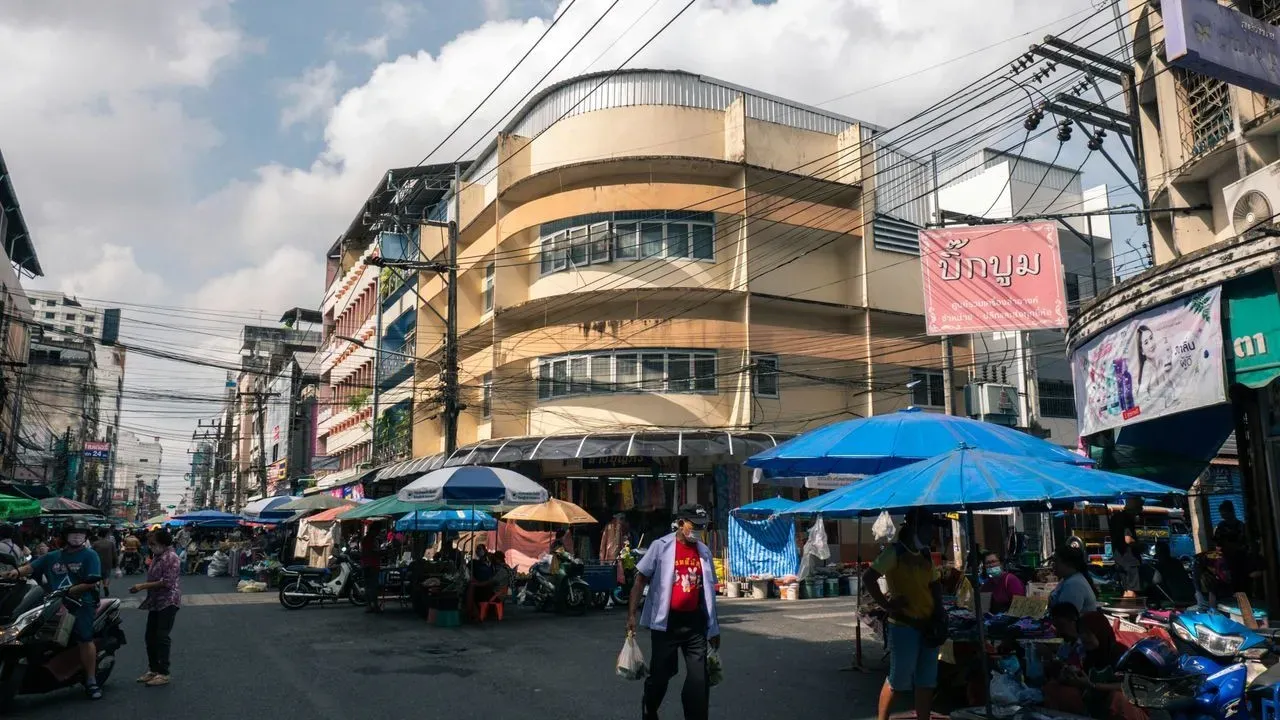

Many travelers in Southern Thailand encounter Hat Yai only as a brief pause on routes toward Malaysia. The city serves as a practical transportation hub, yet those who extend their stay discover a region shaped by centuries of trade and cultural exchange. Songkhla, a short distance away, adds a quieter harbor-town atmosphere that rewards unhurried exploration. ([1])
Reaching Southern Thailand’s Crossroads
Hat Yai functions as the main gateway for journeys connecting the Andaman coast, Gulf islands, and the Malaysian border. Buses, vans, and trains converge here, offering onward links to places such as Krabi, Surat Thani, and Penang. The infrastructure supports both quick transfers and longer visits, allowing travelers to adjust plans without difficulty.
Local transport options include songthaews and ride-hailing services that make day trips straightforward. Visitors who arrive with flexible schedules can move between Hat Yai and Songkhla in under an hour. This connectivity turns the area into a convenient base rather than a mere waypoint.
Wandering Songkhla’s Historic Harbor
Songkhla’s old quarter reflects its past as an international trading port once known as Singora. Colonial-era shophouses, Chinese shrines, and a small mosque stand alongside Thai temples, creating a layered streetscape. Early mornings bring the scent of steamed buns and local coffee from traditional cafés where residents gather.
Walking routes lead past restored merchant homes now serving as modest museums and through quiet lanes lined with street art. A climb to Khao Tang Kuan hill offers views across the water, while nearby Samila Beach provides a shaded spot for locals to relax. The scale remains intimate, with fewer crowds on weekdays.
Distinctive Landmarks Near Hat Yai
Outside the city center, several sites stand out for their unusual design and setting. A stainless-steel stupa completed in 2006 features a radial layout and spiral access to the roof, offering an unexpected architectural experience. The structure’s reflective surfaces and meditative interior invite quiet contemplation.
Further along, Hat Yai City Municipal Park includes a hilltop viewpoint reached through a golden dragon gateway. A cable car connects additional temple grounds, and the area becomes especially lively during festivals such as Loy Krathong, when flower offerings float on the lake. Two reclining Buddha images, one at Wat Hat Yai Nai and another at Wat Laem Pho, provide additional stops that vary in scale and presentation.
Markets, Food, and Everyday Rhythms
Hat Yai’s markets and street stalls highlight the region’s blend of Thai, Chinese, and Malaysian influences. Kim Yong Market supplies dried fruits and nuts, while dim sum restaurants and evening food stalls along Thanon Suphasanrangsan offer varied tasting opportunities. On weekends, the Khlong Hae Floating Market adds boat-side snacks along the river.
These everyday scenes reflect a community accustomed to cross-border visitors, particularly from Malaysia. The result is a cuisine that feels familiar yet distinct, shaped by proximity and shared history rather than tourist expectations.
Travelers who linger gain a clearer sense of how Southern Thailand’s borderlands sustain their own pace and character. The combination of accessible transport, layered heritage, and straightforward hospitality makes the area a natural extension of any journey through the region.
AI Disclaimer: This article was created with the assistance of AI tools and reviewed by a human editor.