
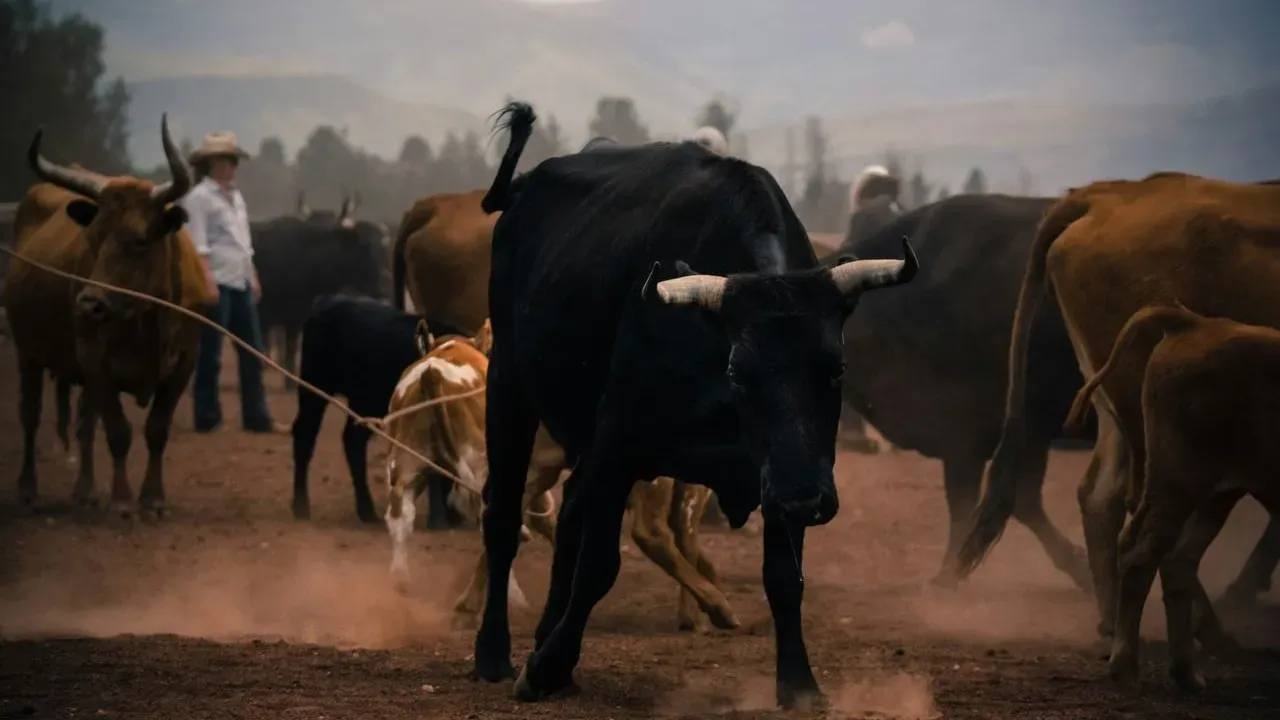

Pamplona, Spain – A century after its publication, Ernest Hemingway’s “The Sun Also Rises” continues to shape travel choices for readers who seek out the San Fermin festival in person. The 1926 novel captured the energy of the nine-day celebration and introduced its rituals to audiences far beyond Spain. Many Americans still arrive each July with the book’s descriptions in mind, eager to witness the streets and plazas that inspired its pages.
The Book That Opened a World
Hemingway’s spare prose brought the festival to life through the eyes of expatriates navigating love, loss, and the search for meaning. The story follows a group of Americans and Britons who converge on Pamplona during the annual event honoring Saint Fermin. Its vivid scenes of early mornings, crowded bars, and the movement of bulls through narrow streets helped turn a regional tradition into an international reference point.
The novel’s success also cemented the phrase “lost generation” in literary circles and showcased Hemingway’s distinctive style. In Spain the book is known simply as “Fiesta,” yet its influence on visitors from abroad remains unmistakable. Readers often trace the same routes the characters followed, from the city’s historic center to the bull ring that marks the end of each morning’s run.
One Runner’s Lifelong Connection
Chicago native Bill Hillmann first encountered the novel at nineteen and immediately felt its pull. He has since returned to Pamplona dozens of times, participating in the bull runs that form the heart of the festival. His repeated journeys reflect a deep personal commitment to the place Hemingway described. Hillmann has completed hundreds of runs across Spain, including many in Pamplona itself.
He later earned a doctorate in English and now teaches the novel at East-West University in Chicago. For him the festival represents both literary heritage and lived tradition, a combination that keeps drawing him back each summer.
A City Shaped by Shared Stories
Pamplona marks Hemingway’s presence in subtle and lasting ways. Busts and plaques appear in hotels and cafés he once frequented, while the Perla Hotel preserves the suite he occupied during later visits. A statue stands outside the bull ring, and banners sometimes quote lines from the novel that capture the festival’s sudden, explosive start.
Tour operators report steady interest from American travelers who cite the book as their introduction to the event. One company based in Dallas brings more than a thousand participants annually, the majority from the United States. These visitors often gather in the same art-deco café that features prominently in the story, continuing a pattern of literary pilgrimage that has lasted generations.
Themes That Still Resonate
The novel explores identity, love, and the effort to rebuild after profound loss. Those concerns remain relevant to contemporary readers who travel to Pamplona seeking connection with both the place and its history. Hemingway’s granddaughter Mariel has noted that the work continues to speak across decades because its central questions do not fade.
The festival itself blends centuries-old customs with the energy of new arrivals. While the city welcomes more than a million visitors during the nine days, many locals take quiet pride in preserving corners untouched by literary fame. The result is a living tradition that honors its past while remaining open to those who arrive with a book in hand and curiosity in their steps.
AI Disclaimer: This article was created with the assistance of AI tools and reviewed by a human editor.