


There’s something quietly compelling about a place that sits just one hour from one of America’s most electric cities, yet feels like an entirely different world. Indiana Dunes National Park hugs the southern shore of Lake Michigan in northwestern Indiana, and for generations, Chicagoans have treated it as their own backyard retreat. What’s changed recently is the scale of that interest.
More visitors than ever are making the trip, and they’re staying longer, exploring more, and coming back in different seasons. The Dunes aren’t a secret anymore, but they still feel like one.
Closer Than You Think: The Case for an Easy Escape
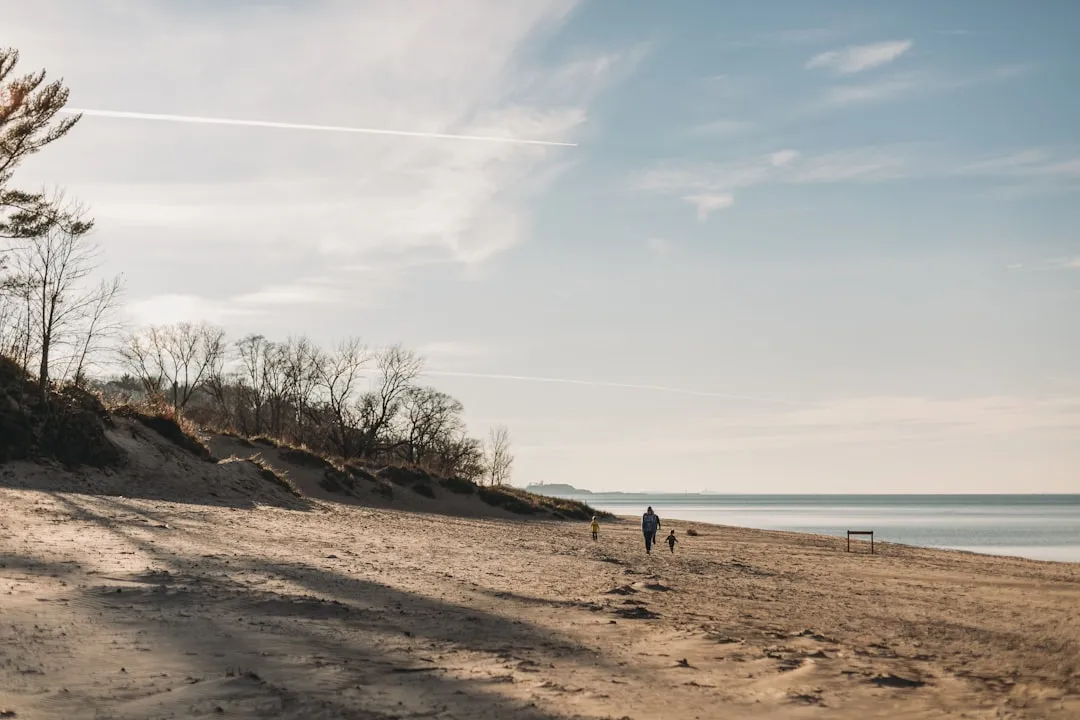
Indiana Dunes National Park sits just 50 miles east of Chicago, and from the beaches you can actually see the city skyline across Lake Michigan. The drive takes about 60 minutes, and the South Shore Line train takes roughly 75 minutes. That means you can be standing on a quiet stretch of sand before your usual coffee has gone cold.
Among all weekend getaways from Chicago, Indiana Dunes National Park is consistently ranked as the closest option, checking in at just about one hour’s drive. No airport security. No connecting flights. Just a clean, easy trip through the southern suburbs and across the state line.
A National Park That Quietly Broke Visitor Records
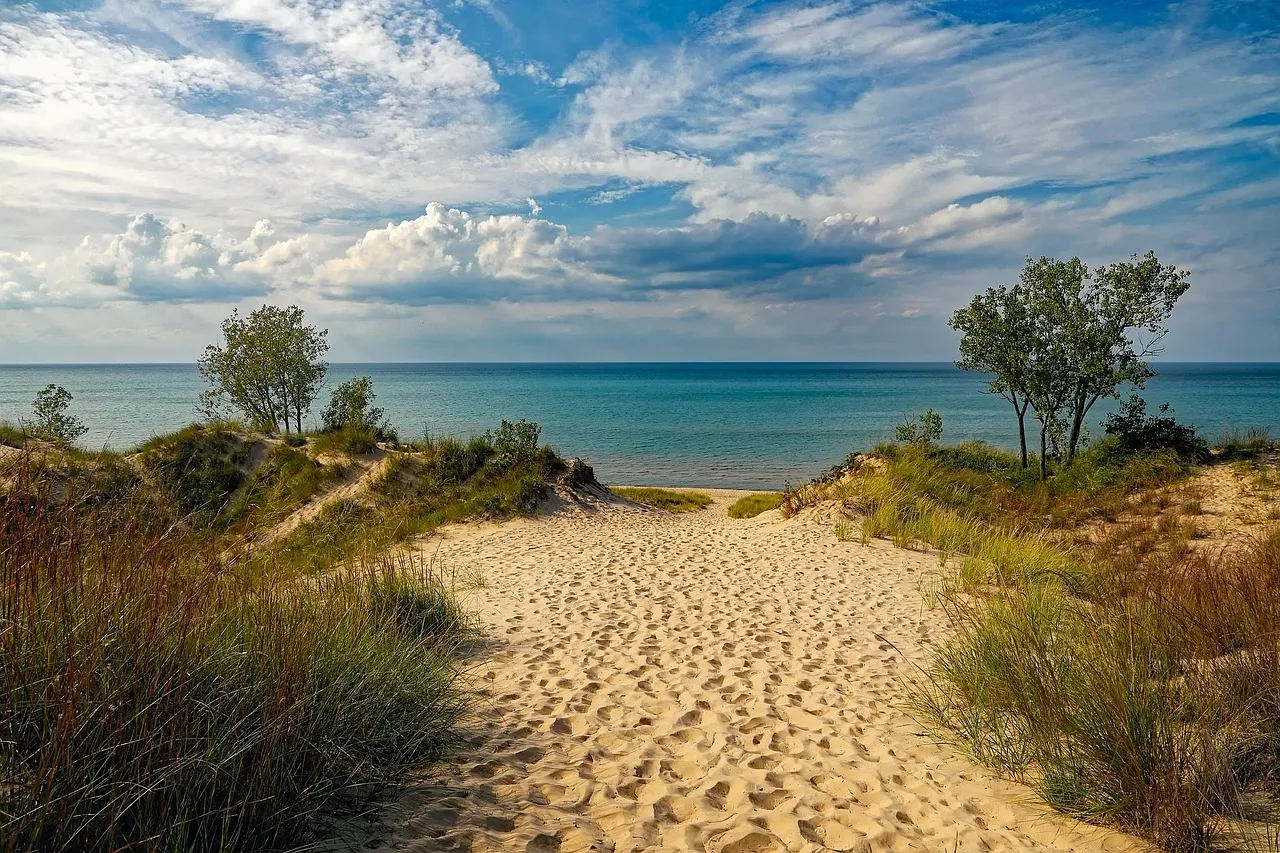
A newly released federal report highlights both the scale of visitation and the wide range of recreational experiences at Indiana Dunes National Park, which recorded more than 2.65 million recreation visits. That figure placed it among the top five percent of all federal recreation units reporting nationwide.
With more than 2.65 million recreation visits, Indiana Dunes National Park ranked as the 36th most visited of 398 National Park Service units with reported data, putting it in the top ten percent within the NPS. For a park that many Americans outside the Midwest have never heard of, those numbers are genuinely striking.
Biodiversity That Surprises Even Scientists
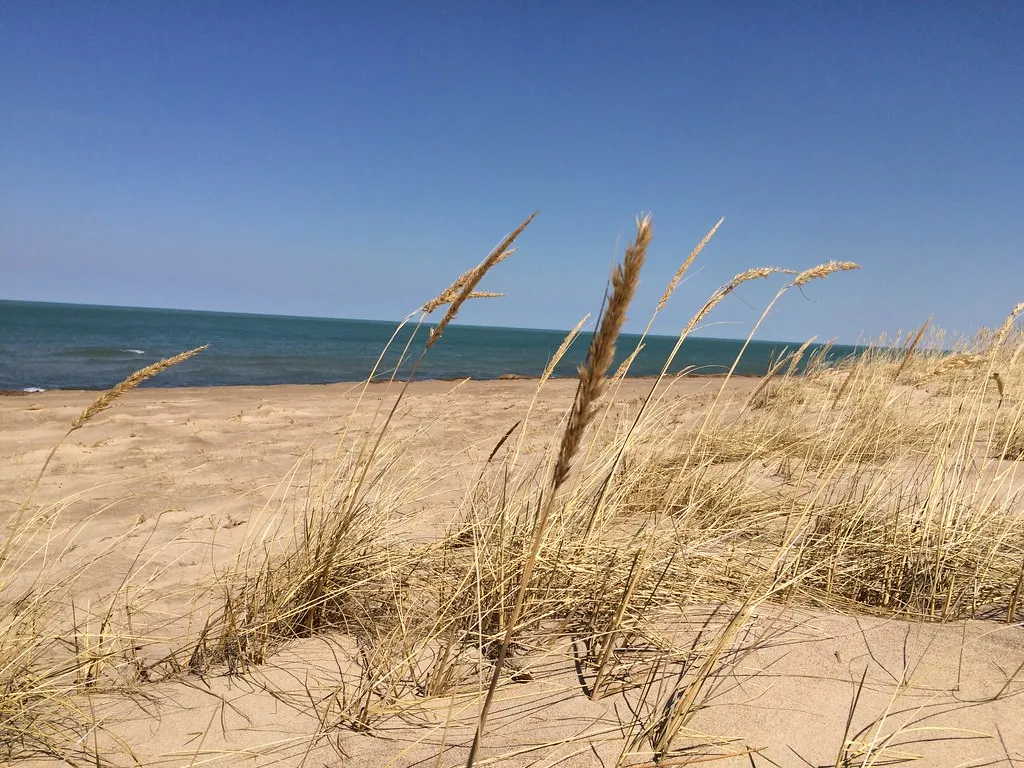
Despite its relatively compact size of about 15,349 acres, Indiana Dunes National Park is recognized as one of the most biodiverse treasures in the entire National Park System. The park sits in a central forest-grasslands transition ecoregion, resulting in an extraordinary convergence of species. Within a few short steps, a hiker can transition from an arid dune dominated by prickly pear cactus to a bog filled with subarctic and boreal remnants like bearberry and paper birch.
This unique blend of ecosystems houses some of the richest biodiversity in the entire country, with roughly 1,400 species of plants and around 370 species of birds ranking it fourth among all national parks in biodiversity, even though it is the sixth smallest national park. That contrast between small footprint and enormous ecological richness is what makes the park genuinely unusual.
More Than 50 Miles of Trails Through Wildly Different Landscapes
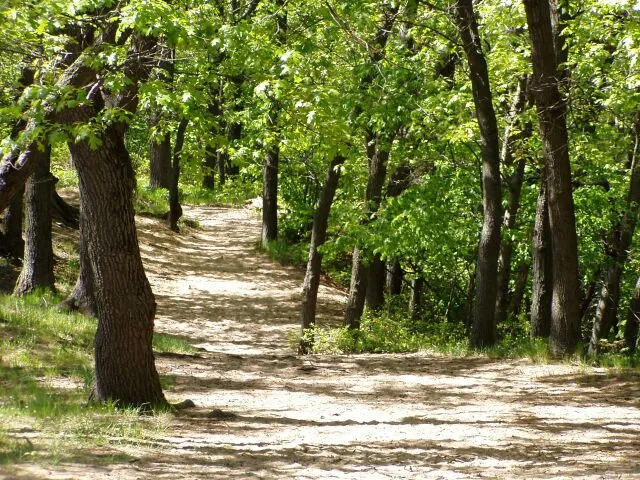
Indiana Dunes National Park encompasses roughly 15,000 acres of varied terrain including active sand dunes, beaches, woodlands, wetlands, prairies, and swamps, with approximately 15 miles of Lake Michigan frontage and over 50 miles of trails traversing its dynamic landscapes. That trail network gives visitors a lot of flexibility in how they spend a day.
The 4.7-mile Cowles Bog Trail offers plant diversity so outstanding that the area was designated a National Natural Landmark. The Tolleston Dunes Trail, another solid option, winds 2.9 miles from oak savanna and wetlands into prickly pear cactus country. It genuinely feels like several parks compressed into one.
The Three Dune Challenge, a 1.5-mile loop up three dunes that rise 192 feet above Lake Michigan, is one of the park’s best-known short hikes. The trailhead sits inside Indiana Dunes State Park, so a separate day-use fee applies. Plan about 60 to 90 minutes including stops at the dune tops.
The Beaches: Quieter and More Varied Than You’d Expect
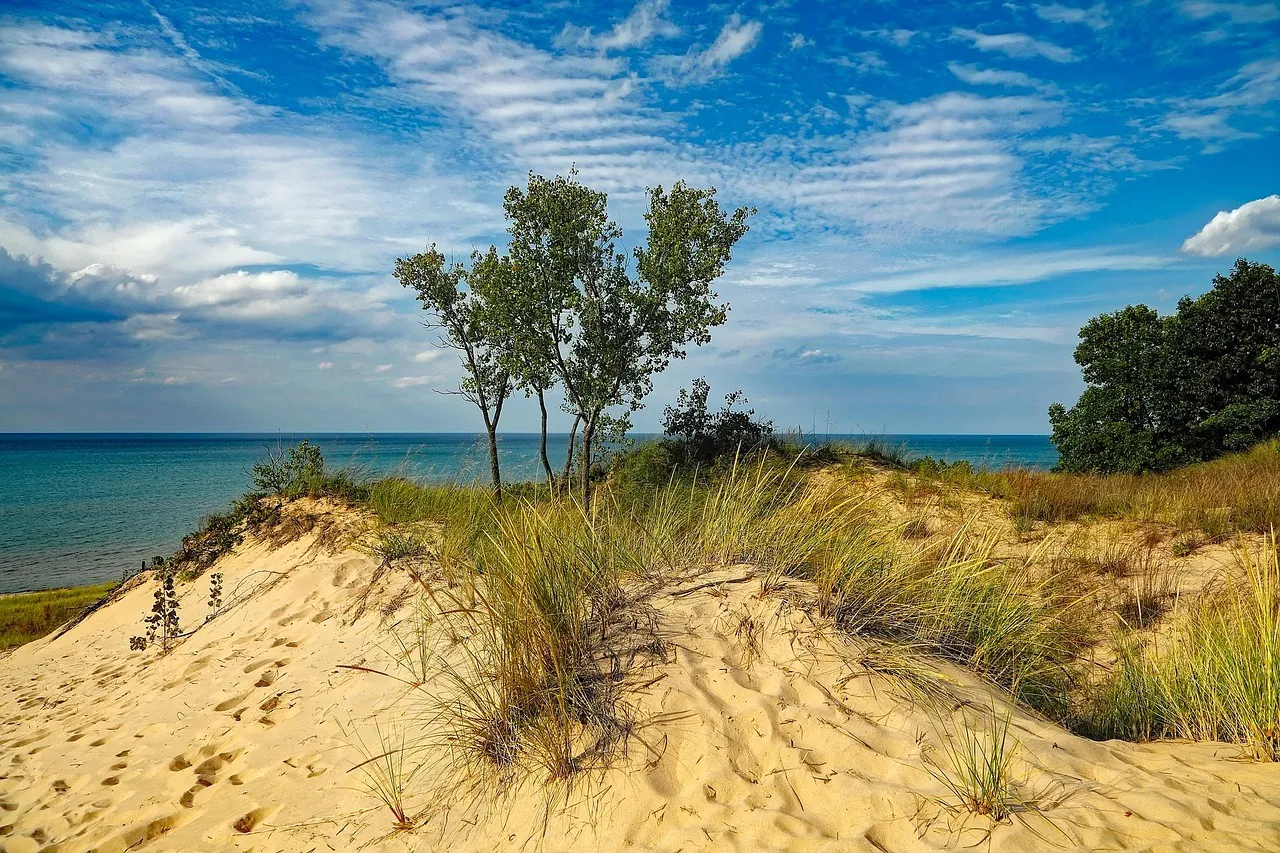
Indiana Dunes State Park consists of 2,182 acres of primitive, beautiful, historic, and unique landscape, lying at the north end of State Road 49 in Porter County and including more than three miles of beautiful beach along Lake Michigan’s southern shore. Those beaches range from wide, amenity-rich stretches to quieter, more sheltered coves that rarely feel crowded outside of peak summer weekends.
West Beach is the biggest and offers full-service amenities including a bathhouse and all-day lifeguard, though its popularity brings bigger crowds on hot days. For a more relaxed experience, heading further east to Kemil Beach offers a calmer alternative. Choosing the right beach for the right mood is half the fun of the visit.
Birdwatching That Rivals the Country’s Best Spots
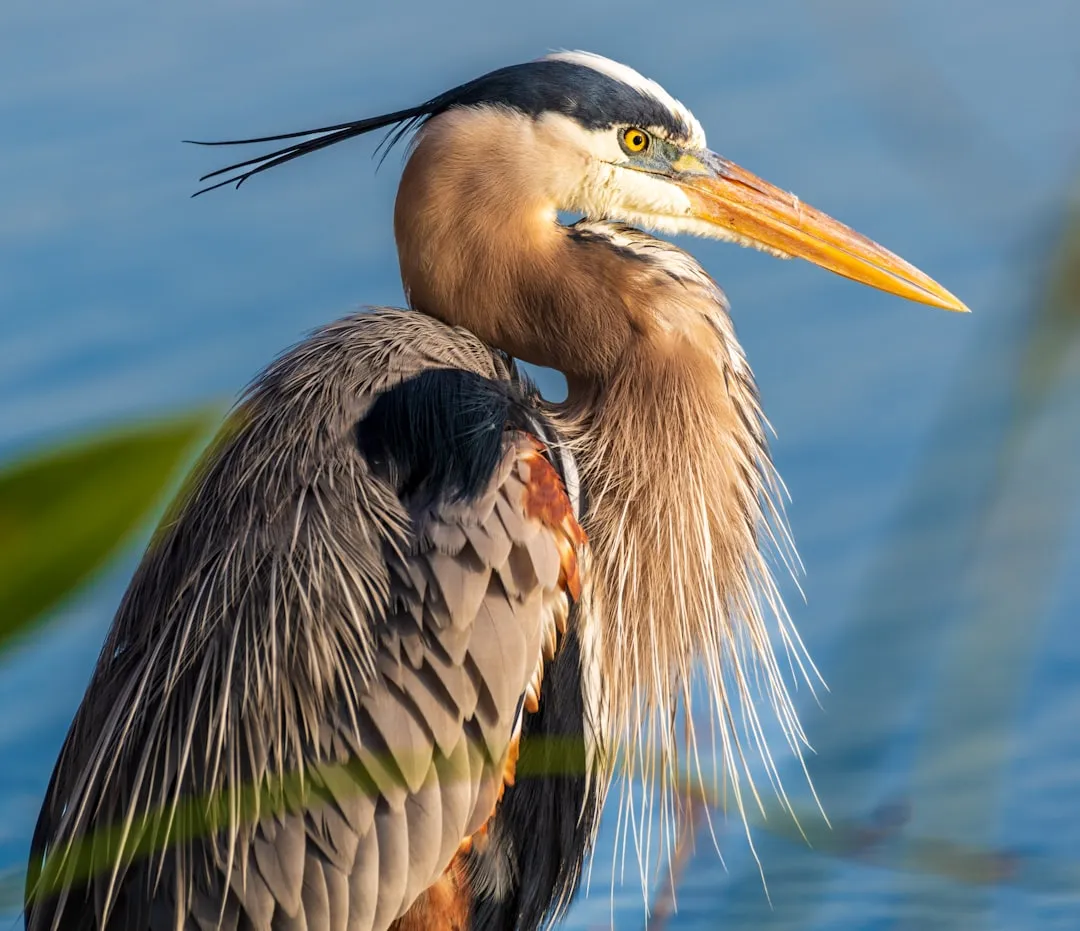
Over 350 species of birds have been identified within the park, with 113 of these being regular nesters. The national park also provides habitat for a great blue heron rookery and the federally endangered Karner blue butterfly.
The Great Marsh Trail and the Heron Rookery are excellent places to watch for tree swallows, rusty blackbirds, kingfishers, egrets, and green herons. Serious birders often time their visits around the spring and fall migration windows, when the variety of species passing through the park is at its most spectacular. It’s also possible to fish in spring and fall, when trout and salmon make spawning runs into the river from Lake Michigan.
Getting There by Train: A Surprisingly Pleasant Option

For more than a century, the South Shore Line has transported residents and visitors to communities along Lake Michigan’s southern shore, from Chicago to South Bend. The newly opened Monon Corridor stations now extend service south as well, from Hammond to Munster and Dyer. The South Shore Line is widely considered the best and most affordable connection to the area without dealing with traffic.
Parking is free at most stations and WiFi is provided at no charge on the trains. Reduced fares are available for active military as well as seniors 65 and older, and with the Kids Ride Free program, up to three children aged 13 and younger can ride free with a paying adult on weekends, holidays, and daily off-peak trains. For a family, that’s a meaningful saving on top of an already affordable trip.
In 2025, the South Shore Line system had a ridership of over 2 million, or about 6,300 passengers per weekday as of the fourth quarter of 2025. The train is well-used, well-run, and a genuinely comfortable way to make the journey.
A Historic Park with Deep Conservation Roots
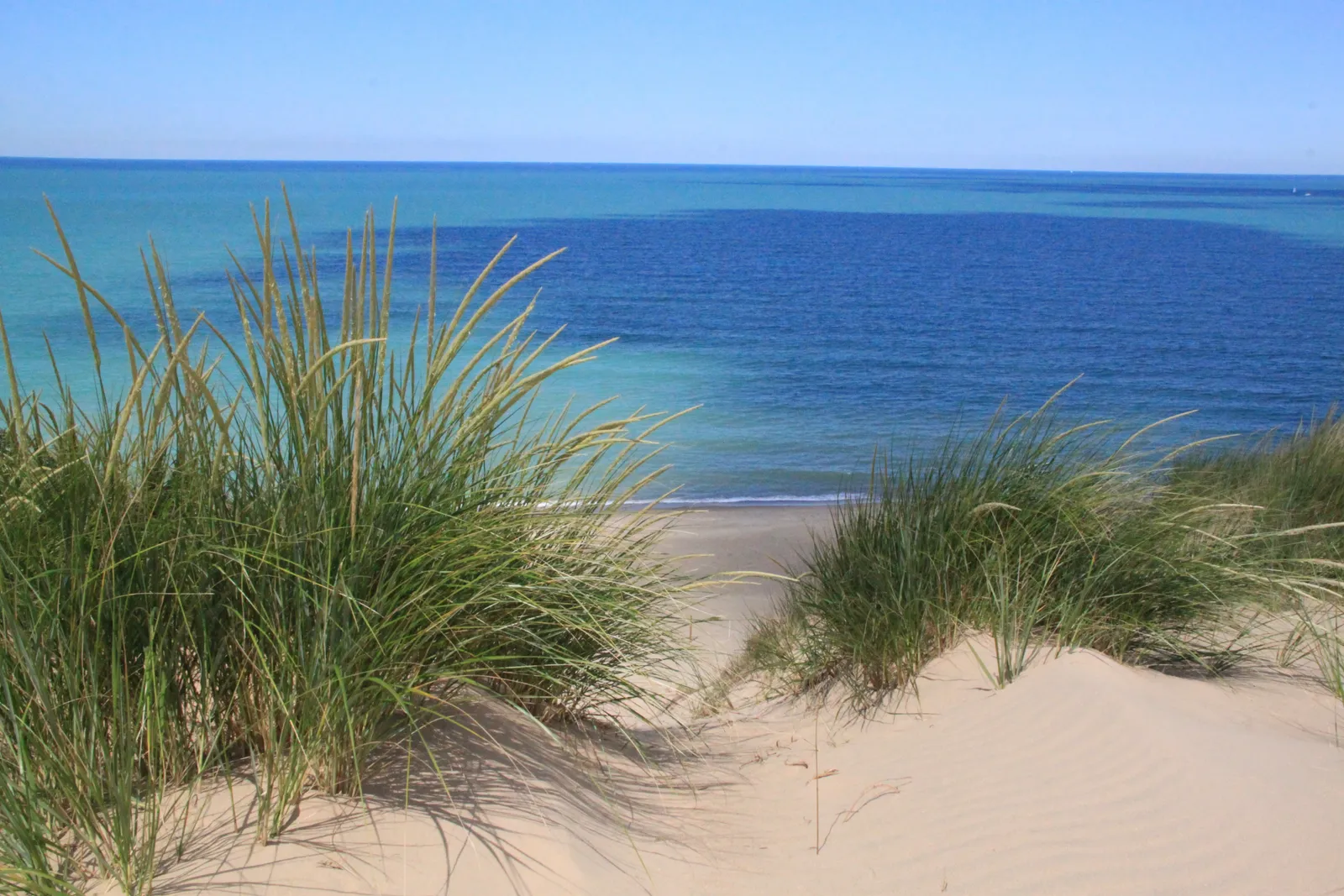
In the early 1900s, scientists, recreationists, and nature enthusiasts recognized the value and potential of the Indiana Dunes area and fought to have the region preserved. As a result, the state park was established in 1925. That early advocacy was remarkable for its era and shaped what visitors enjoy today.
Originally designated as Indiana Dunes National Lakeshore in 1966 following decades of conservation advocacy to counter industrial and urban encroachment, the park was elevated to full national park status in 2019 to enhance its protection and recognition. The upgrade in designation brought with it increased funding, visibility, and a new generation of curious visitors from Chicago and beyond.
What to Eat and Where to Stay Around the Dunes

The Dunes Pavilion, located in a historic building from 1930, has undergone a recent renovation and now features a café and bar, a rooftop lounge called The Lookout, and an event space offering wonderful views of the lake. It sits between Porter Beach and Kemil Beach, making it a natural stop after a morning on the water.
For food, independent options around the area include Ivy’s Bohemia House in Chesterton, Goblin and the Grocer for picnic supplies, and Bartlett’s Fish Camp for fresh catch right off the lake. For accommodation, Riley’s Railhouse in Chesterton is a beautifully restored train depot turned inn, and both the National Park and State Park offer campgrounds, though booking early is essential for summer weekends.
Every Season Brings Something Different
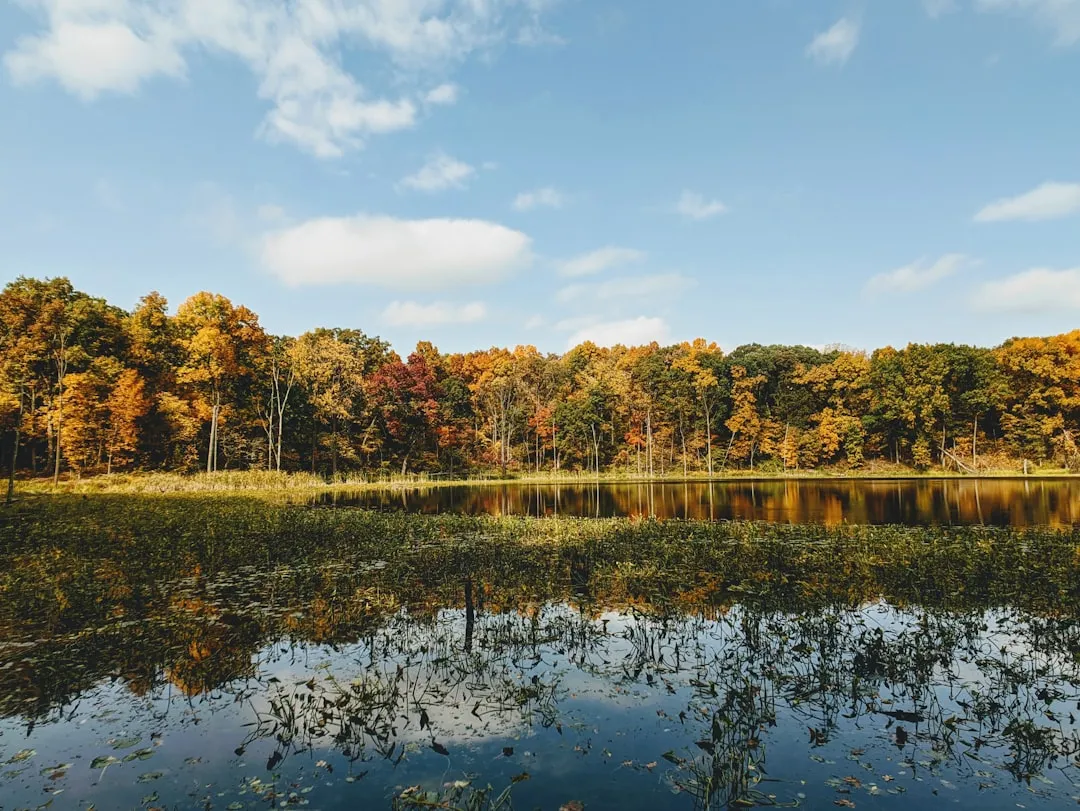
There is no one-size-fits-all trip to the Dunes. Each season offers new and different ways to enjoy the national park. Summer draws swimmers and beach lovers, but the quieter shoulder seasons have their own rewards that regulars tend to guard closely.
Devil’s Slide in the State Park is particularly fun in the winter, when it transforms into a natural tubing and sledding hill for visitors. Meanwhile, autumn brings a softer light to the wooded dunes and far fewer crowds. Indiana Dunes might not be the first place you’d think of for fall colors, but the park is well worth visiting as an autumn destination, with the October landscape offering something genuinely unexpected.
The Takeaway
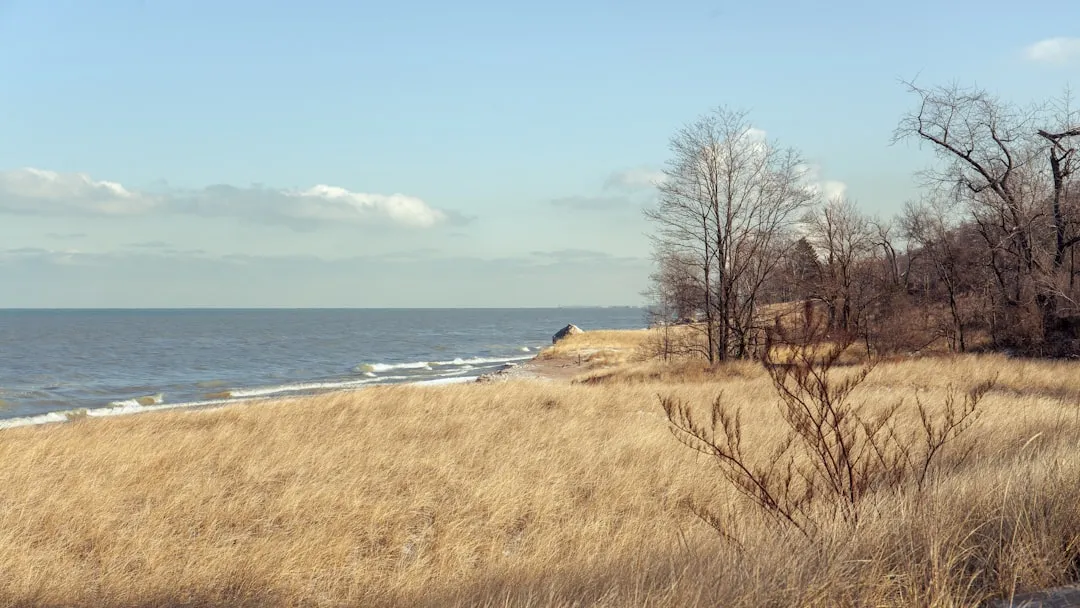
Indiana Dunes is one of those places that keeps rewarding the curious. The sheer ecological variety crammed into its 15,000 acres, the straightforward access from Chicago by car or train, and the mix of beaches, trails, historic buildings, and local food make it one of the most well-rounded short escapes anywhere in the Midwest.
It’s not a hidden gem in the traditional sense anymore, but it hasn’t lost what makes it special. The dunes are still moving, the birds are still migrating, and on a weekday morning in early October, those beaches can feel very much like yours alone.
AI Disclaimer: This article was created with the assistance of AI tools and reviewed by a human editor.