
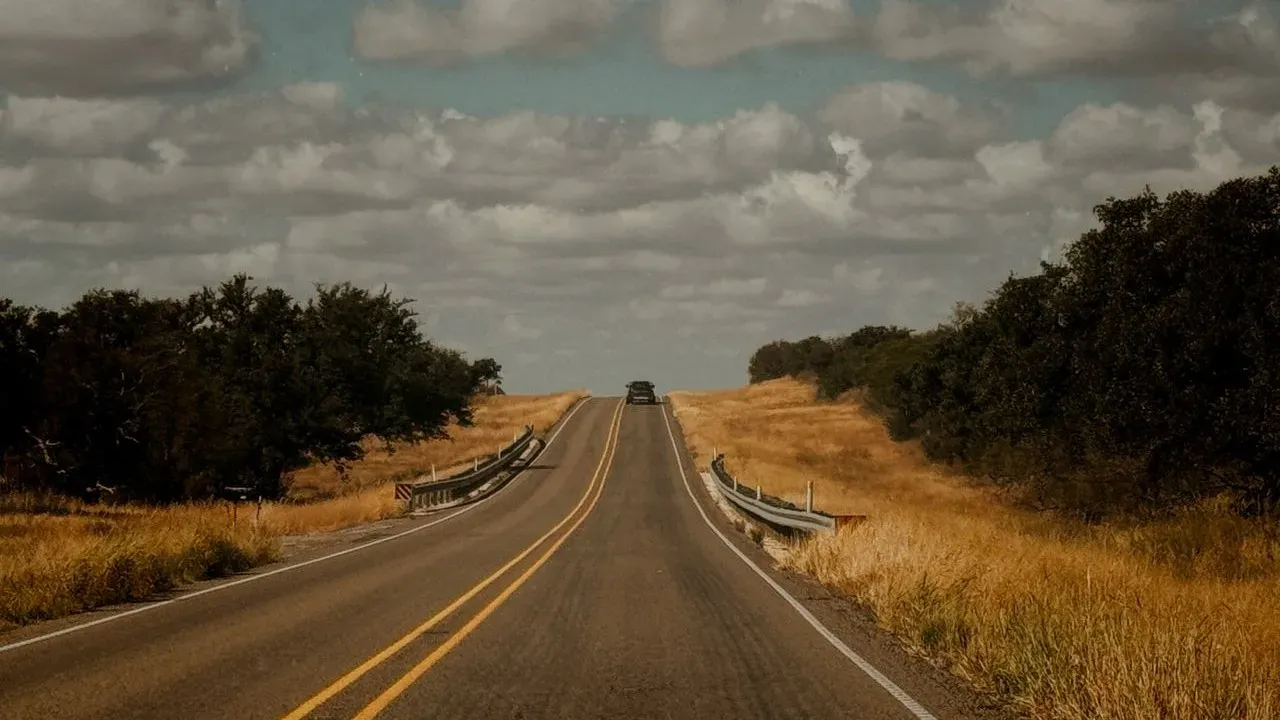

The Texas Hill Country offers a compact yet richly varied landscape that bridges the greener eastern reaches of the state with its drier western expanses. Limestone hills, clear aquifer-fed streams, and stands of juniper and live oak create a setting where urban energy meets rural calm. An itinerary linking San Antonio and Austin captures this contrast through historic districts, vineyard visits, and natural swimming spots. ([1])
Setting the Pace for Exploration
Three to four days allow travelers to move at a measured rhythm rather than rushing between highlights. The region rewards those who linger over a glass of wine or pause for a swim in spring-fed waters. Extending the trip to a full week opens room for longer hikes, additional tastings, and evening performances in small-town venues.
Base nights in Fredericksburg or a similar community provide a deeper sense of place than staying solely in the larger cities. Both San Antonio International Airport and Austin-Bergstrom International Airport serve as convenient gateways. Fall and spring bring comfortable temperatures for outdoor activities, while summer evenings can still offer memorable barbecue and music under the stars.
Starting in San Antonio
The city’s river corridor holds layers of history and contemporary life. South of downtown, the San Antonio Missions National Historical Park preserves Spanish colonial structures, with Mission San Jose standing as the most intact example. Northward, the River Walk winds past La Villita’s craft galleries and into the Pearl District, where former brewery buildings now house restaurants and shops.
Accommodations such as the Hotel Emma in the Pearl District place visitors steps from these attractions. Further north, the JW Marriott San Antonio Hill Country Resort & Spa offers extensive grounds and dining options suited to a relaxed start. These choices anchor the journey before heading into the countryside.
Fredericksburg and Nearby Escapes
North of San Antonio, the route passes Guadalupe River State Park, where trails lead to shaded riverbanks ideal for cooling off. Boerne’s Cibolo Creek and its German-influenced downtown provide a gentle transition into the Hill Country proper. Fredericksburg itself centers on a historic Main Street lined with limestone buildings that now contain shops, museums, and restaurants serving traditional fare.
A short drive southeast reaches Luckenbach, a modest venue that has hosted generations of country, bluegrass, and folk performers. The surrounding roads also lead to Old Tunnel State Park, where evening bat flights offer a striking natural spectacle from May through October. These stops blend cultural heritage with the region’s outdoor character.
Looping Through Llano and Marble Falls
From Fredericksburg, a day’s drive north reveals dramatic granite formations at Enchanted Rock State Natural Area. Llano’s downtown galleries and eateries provide a midday pause before continuing to Inks Lake State Park, where pink granite outcrops frame clear swimming areas. Nearby caverns and wineries add variety to the route.
Marble Falls sits along the Colorado River, its limestone storefronts home to tasting rooms and longstanding cafes. The return leg passes wildflower meadows and returns travelers to Fredericksburg in time for an evening meal. This circuit highlights the geological and agricultural diversity that defines the area.
Reaching Austin and the Return South
Eastward along U.S. Highway 290, more than fifty wineries offer tastings amid vineyard views, with additional stops at distilleries and the Lyndon B. Johnson National Historical Park. Dripping Springs marks the approach to Austin, where Lake Travis provides boating and shoreline relaxation before the city’s neighborhoods come into view.
Austin’s mix of parks, museums, and live-music districts rewards unhurried wandering. The return to San Antonio via back roads passes Wimberley’s creekside shops and Gruene’s historic dance hall, where performances continue a longstanding tradition. New Braunfels adds German cultural touches before the final stretch into the starting city.
This route strings together distinct experiences without requiring long daily drives. The combination of natural settings, historic towns, and creative hospitality creates a journey that feels both expansive and intimate. Travelers who follow its rhythm often find the Hill Country lingers in memory long after the drive ends.
AI Disclaimer: This article was created with the assistance of AI tools and reviewed by a human editor.