


There’s a reason nearly every hot air balloon on earth rises into the sky at roughly the same hour. It’s not tradition or aesthetics, though the views at that time of day are genuinely hard to rival. It comes down to physics, atmospheric science, and decades of hard-won pilot experience.
If you’ve ever booked a balloon flight and noticed the sunrise departure time on your confirmation and thought it was oddly early, you were looking at the answer before you even asked the question. The early morning window isn’t just a scheduling preference. Pilots across the world agree it’s the only window that consistently delivers the calm, smooth ride passengers are hoping for.
The Sunrise Launch Window Is Not a Coincidence
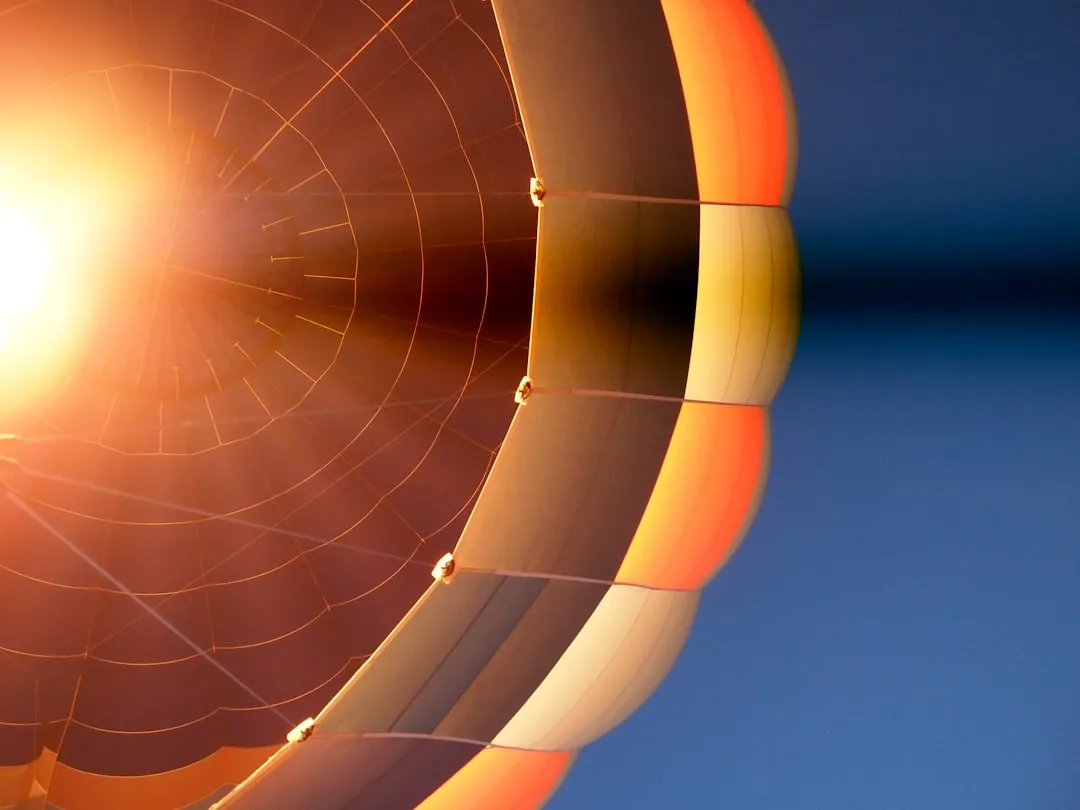
Balloon flights almost always happen just after dawn, and the hours around sunrise offer the calmest and most predictable weather patterns. This isn’t a scheduling quirk or a marketing choice designed to make the experience feel more romantic. The air is most stable in the early morning after it has had all night to cool and settle, which is precisely what produces the smooth, serene ride that makes ballooning so special.
Hot air balloons launch at dawn or a few hours before sunset, the two times of day that offer the best wind conditions for flying. Of these two windows, the pre-sunrise and immediate post-sunrise slot is the one most commercial operators prefer, and for good scientific reason.
What Happens to the Atmosphere Overnight

Throughout the day, the sun heats the ground, creating thermals, which are rising columns of warm air. This activity can lead to bumpy, unpredictable conditions. Overnight, that heating stops. The ground cools, the air above it settles, and by the time the sun begins to rise, the atmosphere is about as quiet and layered as it ever gets.
Cool air provides a smoother lift and the lowest risk of turbulence, which is why most hot air balloons schedule flights in the early morning, shortly after sunrise, because the air is usually cooler and more stable at this time. Pilots use this brief atmospheric calm as their primary launch window, and they work quickly once it opens.
The Specific Wind Speeds Pilots Are Looking For
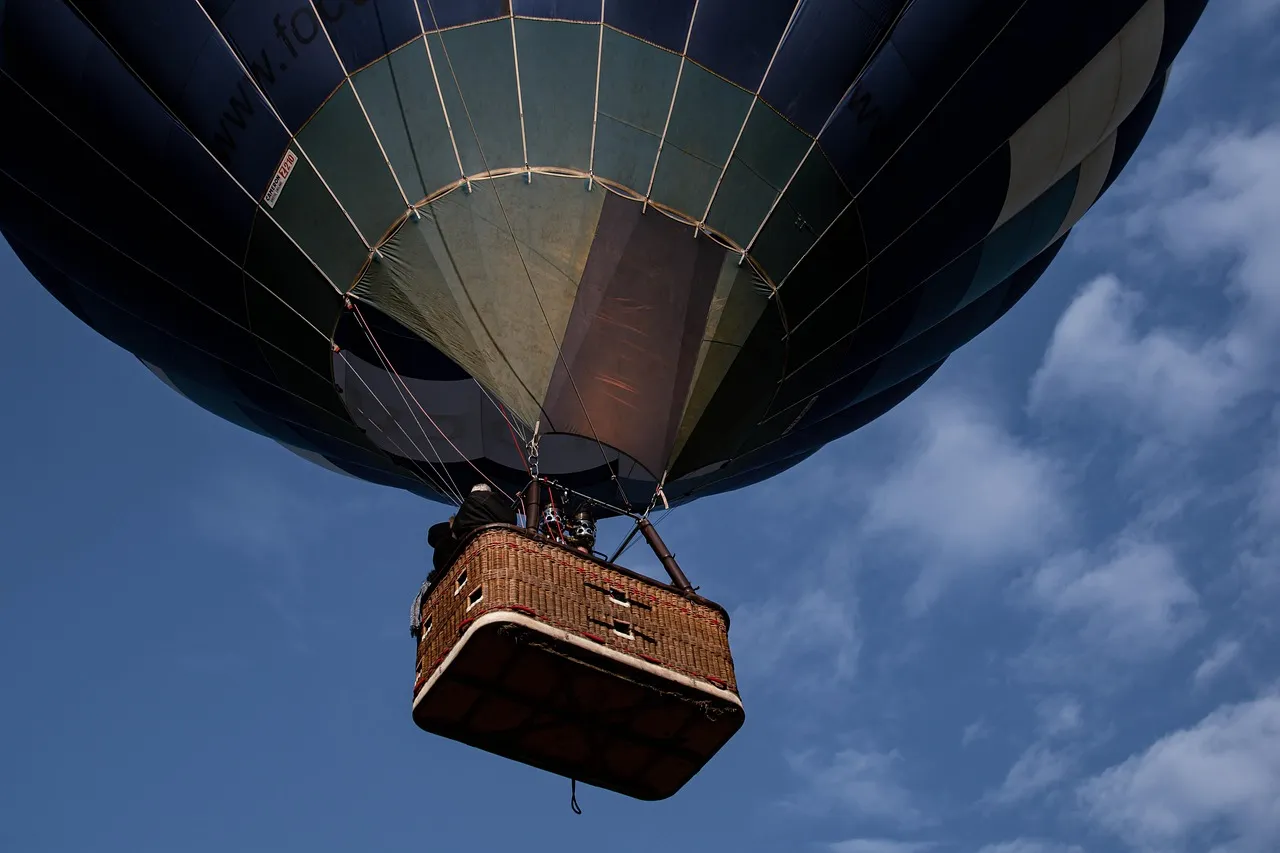
In commercial hot air balloon flights, the ideal surface wind speed is below 6 knots, roughly 6.9 mph, for launch, as these conditions facilitate steady inflation and controlled takeoff. This is a narrower range than most passengers realize. Winds under three miles per hour can actually make it difficult to steer or land, while winds exceeding 10 mph can make landings challenging and contribute to turbulence.
Hot air balloon operators generally hope for calm but steady winds, with speeds roughly between 3 and 8 miles per hour. That range sounds simple, but achieving it reliably only happens in one consistent part of the day.
Why the Afternoon Is Almost Always Off the Table
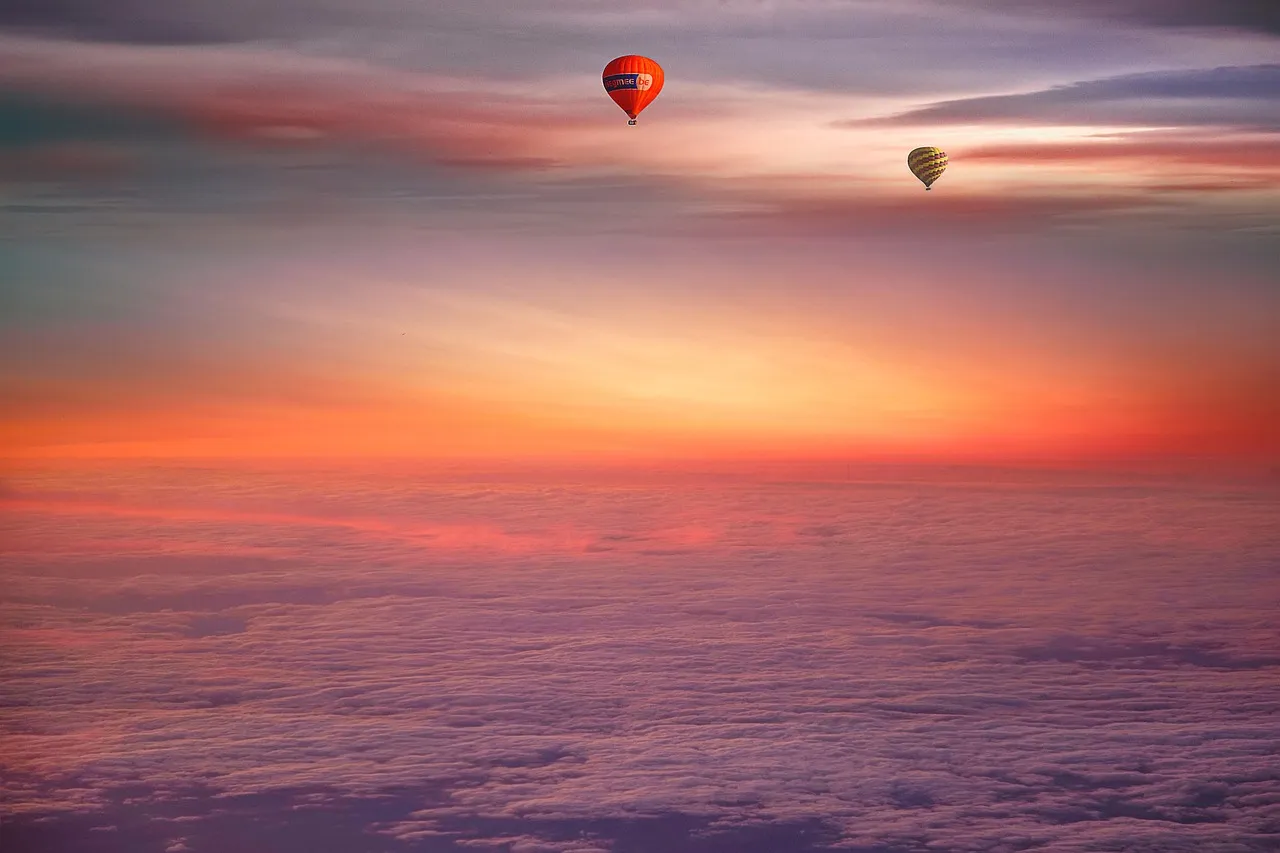
Thermal activity occurs due to temperature differences between the earth’s surface and the air, and this can create turbulence, particularly in the afternoon. As the sun climbs and the ground warms, those rising columns of air become increasingly active and unpredictable. Thermal turbulence frequently occurs during midday and afternoon hours, particularly in summer, when the sun’s intensity is strongest.
During the afternoon, thermals can sometimes form, making hot air ballooning less predictable and bumpier. This unique thermal activity typically only happens during summer, but operators can ensure smooth rides by scheduling all June, July, and August flights shortly after dawn, before temperatures rise. It’s one of the clearest examples of a profession structuring its entire operating day around a single atmospheric fact.
How Pilots Check Conditions Before Every Single Flight
Pilots look for good wind direction, generally winds out of the west, no cold front activity in the area, no precipitation in the forecast, and no forecast of developing windy conditions through the morning hours. This checklist is consulted before every departure, not just when weather looks uncertain. Pilots often release a helium balloon, called a “pi-ball,” to check wind conditions aloft. If it shoots off quickly at altitude, it’s not safe to fly.
Forecasts may list slow average wind speeds, but gusts, winds at varying altitudes, weather forecasts at both launch and landing, and sudden directional shifts can also result in a rescheduled flight. The early morning window gives pilots the most accurate read on all of these variables before the day’s atmospheric complexity builds.
Surface Wind Is Only Half the Story
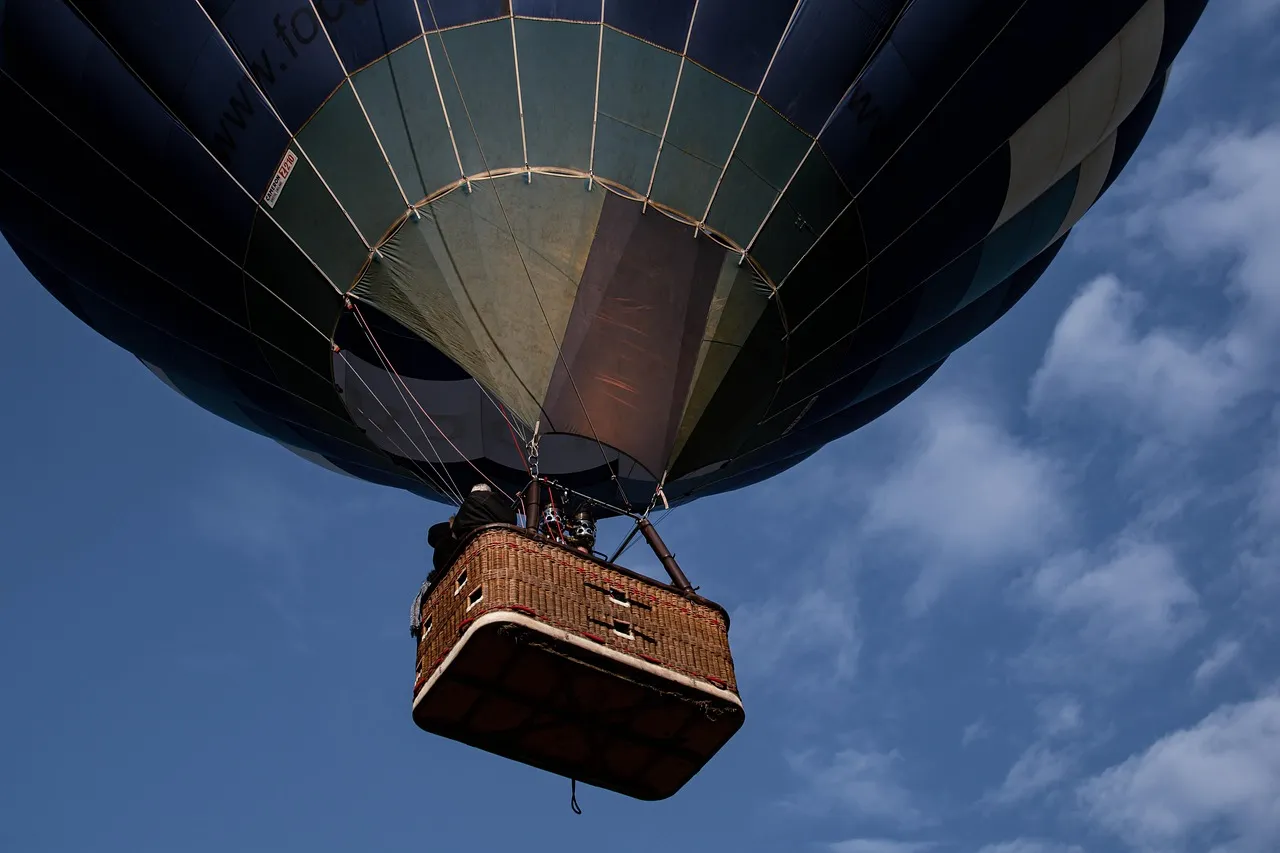
Pilots use forecasts to evaluate not just surface wind speeds but also turbulence and wind shear at 300 to 500 feet above the ground. If the wind is blowing part of the balloon at a different speed to the rest of it, the distortion is not a pleasant experience and could result in a bumpy and potentially injurious landing.
Ideal weather for a hot air balloon flight consists of clear skies with good visibility, light winds on the surface, and moderate winds aloft, less than 25 knots at 9,000 feet above sea level. The morning is the time when both layers, surface and aloft, are most likely to align within those acceptable ranges simultaneously.
Why Strong Winds Make Everything Harder
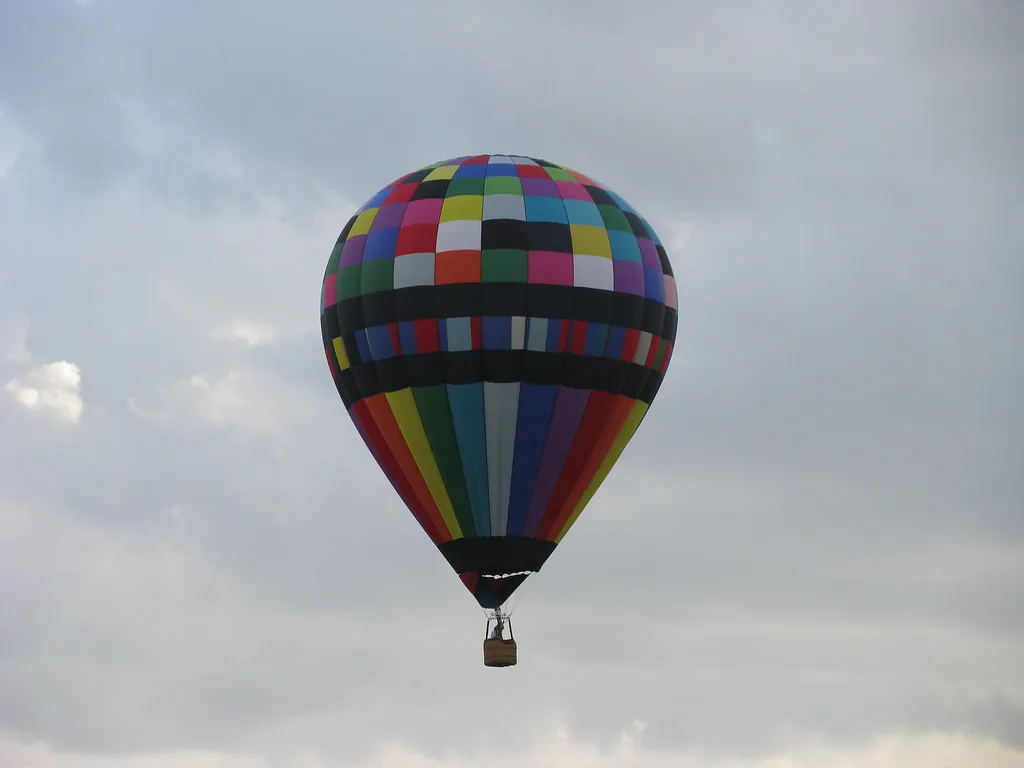
Hot air balloons struggle to launch safely when surface winds exceed 10 mph or when gusts are present. During inflation, the wind can make the balloon thrash from side to side, making it difficult and sometimes impossible to control. A balloon envelope is enormous, stretching over a hundred feet tall when fully inflated. As the wind speed reaches 8 knots, it becomes difficult to inflate the balloon, and above 8 knots the wind is generally too strong to stand the balloon up safely.
There is no strict maximum wind speed that universally prohibits a hot air balloon flight, but pilots often consider canceling when winds are forecast to exceed 10 to 12 knots. That judgment call requires experience, local knowledge, and genuine respect for the conditions.
The Evening Window and Why It’s Secondary

Hot air balloon flights rely on the wind being light for the first few hours after dawn and to decrease before dusk. Both of these situations can provide the opportunity for an enjoyable and safe balloon flight. Evening flights, often marketed as sunset experiences, do carry their own appeal. Balloonists prefer the early mornings before the wind speed increases, and balloon pilots generally avoid the windy thermic parts of the day, flying mostly in the mornings or evenings.
During cooler months, the afternoons cool down enough to allow some operators to offer afternoon flights. This is region and season dependent, though. In warm climates and during summer months, morning remains the clear priority for safety and ride quality.
Seasonal Timing Shapes the Morning Window Too
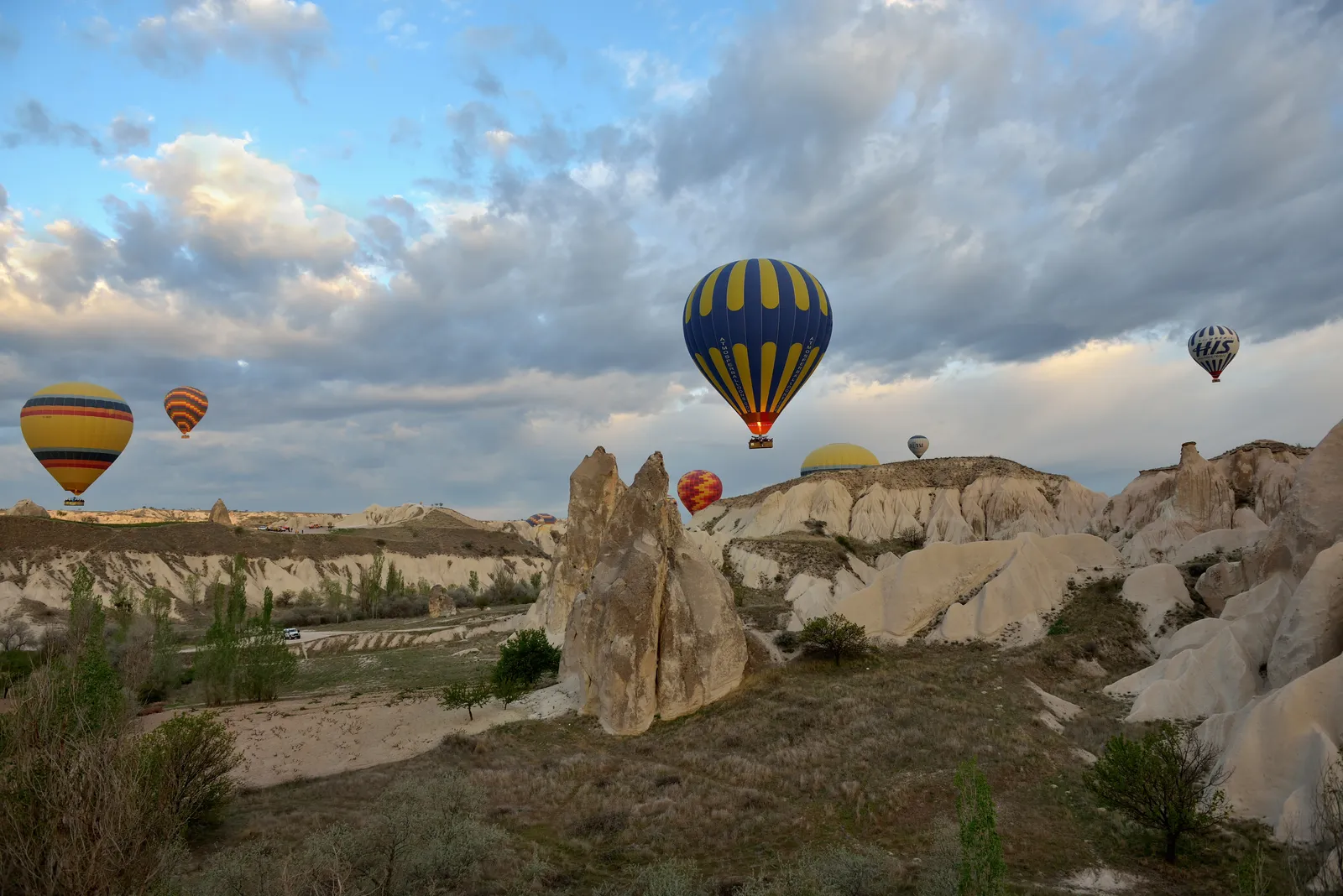
For the most stable conditions overall, passengers should schedule hot air balloon rides for early mornings or during transitional seasons, which are spring and fall. Spring and autumn mornings tend to hold stable air longer before thermal activity kicks in, which gives pilots more flexibility in the length and pace of a flight. Summer mornings can still be excellent, but the window is shorter.
Hot air balloon operators can ensure smooth rides by scheduling all June, July, and August flights shortly after dawn, before temperatures rise. Even so, summer flights must still be scheduled carefully to avoid unpredictable weather. The discipline of the morning launch, in any season, remains the single most reliable guarantee of a calm experience.
What Passengers Can Do to Maximize a Smooth Flight
Morning conditions are typically the calmest due to cooler temperatures and fewer thermals, which is why scheduling early morning flights is consistently recommended. Beyond choosing the right time, passengers benefit from trusting the pilot’s pre-flight judgment entirely. Operators typically enforce strict wind speed limits and rely on detailed weather briefings before allowing takeoff.
Wind conditions can shift within an hour, and sometimes a slight increase in surface winds can change the whole day’s plan. A cancellation or delay isn’t a disappointment to take personally. It’s a pilot doing exactly what the profession demands: choosing conditions over convenience, every single time.
The Takeaway

The answer experienced pilots give is both simple and deeply grounded in atmospheric science. Launch as close to sunrise as conditions allow. That single decision eliminates most of the variables that create turbulence, unpredictability, and rough landings. Everything else, wind speed limits, pi-ball checks, seasonal scheduling, and surface-to-altitude comparisons, is in service of protecting that one brief window of calm.
For passengers, the early alarm is well worth setting. The air at dawn doesn’t just look peaceful. According to the people who read it for a living, it genuinely is.
AI Disclaimer: This article was created with the assistance of AI tools and reviewed by a human editor.