


The Real Scale of the Luggage Damage Problem
Before getting into solutions, it helps to understand just how widespread the issue is. The most frequently reported problem among passengers was baggage damage, accounting for nearly half of all cases, with delayed deliveries following at roughly a quarter and lost luggage making up less than one in ten complaints. These aren’t rare edge cases.
Some 33.4 million bags were mishandled globally in 2024, with the vast majority being delayed, while roughly one in five were damaged or pilfered. SITA estimated the total cost of baggage mishandling to the airline industry at approximately 6.3 billion US dollars in 2025. Damage doesn’t just happen in the air. It happens on the ground, at hotel entrances, on overloaded carts, and in improperly stacked storage rooms.
Load the Trolley Like a Pyramid, Not a Stack
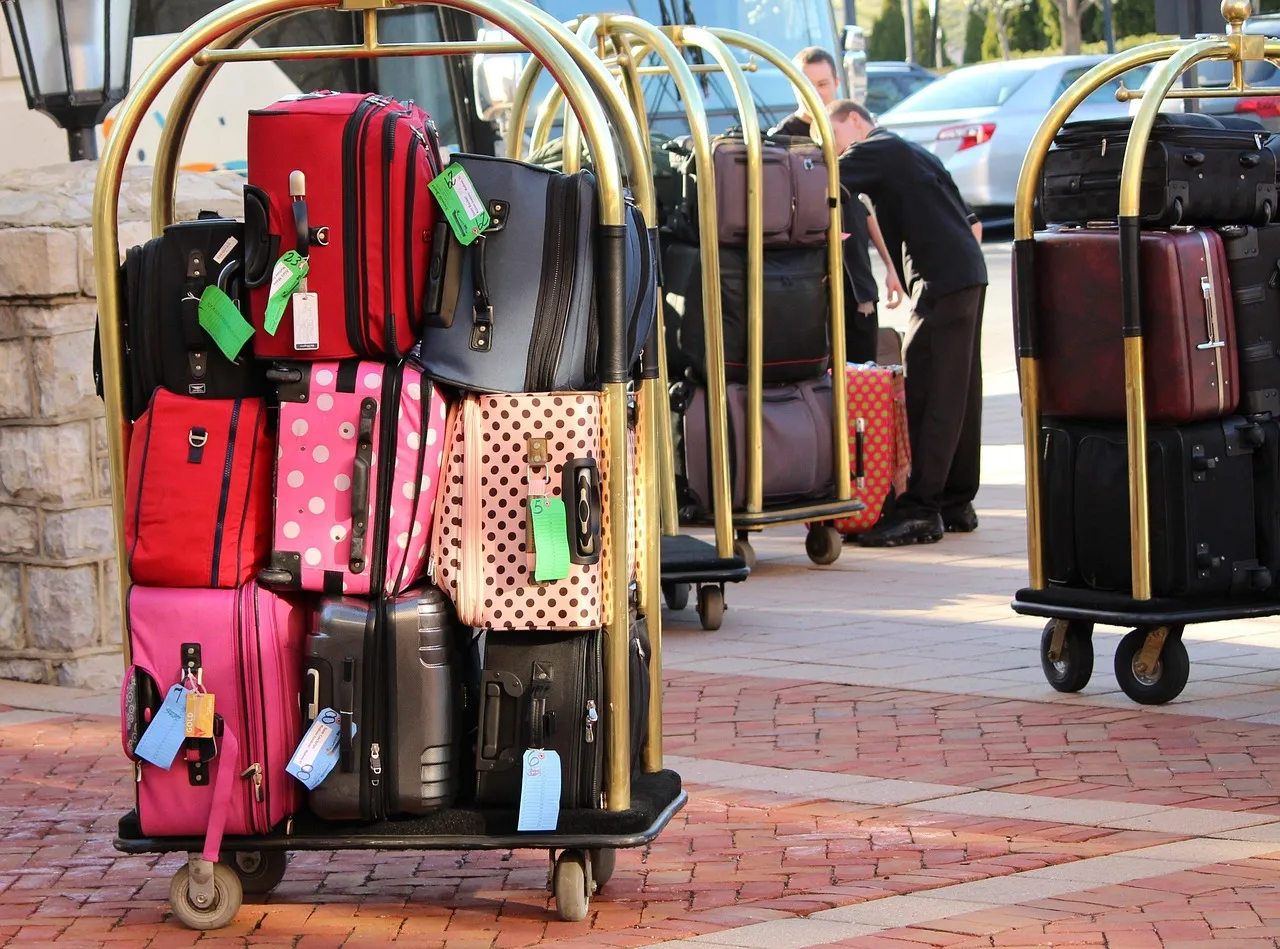
Bellmen are trained to place the largest, most durable bags at the bottom of the trolley and stack smaller or fragile items on top. This isn’t just common sense. It’s a deliberate structural approach that mirrors how cargo is loaded on aircraft. When the foundation is solid, the whole load stays stable through turns and elevator thresholds.
Experienced bellmen never exceed the trolley’s weight capacity and always group bags by guest when handling multiple arrivals simultaneously. A quick stability test, moving the trolley slightly before rolling it, confirms that all pieces are balanced before departure. It sounds small. In practice, it prevents a lot of tipped carts and crushed corners.
Never Stack Another Bag on Top of a Fragile Piece
Fragile items must be positioned carefully, and nothing else should ever be stacked on top of bags marked as fragile. Bellmen take visible labels seriously and expect guests to use them. If your bag contains breakables, say so when handing it over, and write it visibly on the bag or tag.
In case any damage is observed on luggage during intake, professional bellmen mark it in order to inform the guest and log it in the handover logbook, with extra care taken for fragile luggage. This log exists to protect both the guest and the hotel. It’s a small formality that carries real weight if something goes wrong later.
Choose a Hard Shell for Checked Luggage, Soft Shell for Carry-Ons

Bellmen who have seen both types come through their hands in all conditions tend to agree on a basic rule: hard shell luggage is crush-resistant, making it ideal for protecting fragile items, and most hardside suitcases also repel water better than fabric alternatives. For any bag that gets checked and handled by multiple people, the rigid shell does meaningful work.
Soft-sided luggage gives more packing flexibility, but hard shells protect belongings better, though hard shells tend to be heavier and soft-sided ones can damage more easily. For international trips where bags are often checked and handled by multiple handlers, hard shell luggage offers better protection and water resistance. If you’re moving through several hotels or connecting flights, that distinction matters.
Use the Luggage Rack, Every Single Time
Bellmen are trained to place luggage on the luggage rack whenever one is available, since this keeps bags off the floor and prevents soiling or damage. If no rack exists, bags go against the wall, away from the bed and bathroom entry. This is a standard that experienced bellmen follow automatically, yet many guests leave their bags flat on the floor throughout a stay.
Bags should never be placed on the bed or bathroom floor. The bathroom floor introduces moisture risk, and the bed creates friction against delicate fabric and zippers. Beyond aesthetics, keeping luggage elevated reduces contact with surfaces that can scratch, wet, or compress your bag’s structure over time.
Tag Every Bag, Even for a One-Night Stay
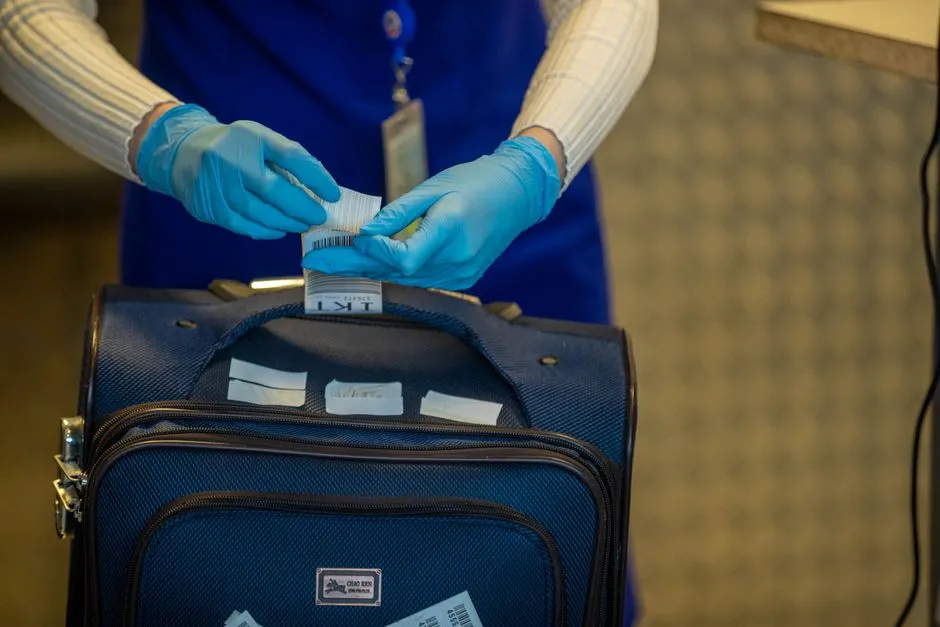
The core of professional luggage management includes careful tagging and tracking of all items to ensure accurate retrieval and delivery. Bellmen use tagging not just as a tracking measure but as a handling cue. A tagged bag gets treated as an individual item with a known destination, not as an anonymous piece in a pile.
Safety and security procedures for professional bellmen include tagging luggage, noting suspicious activity, and using carts and trolleys specifically to prevent damage or injury. Guests who add their own identifiers, a ribbon, a bright tag, or even a piece of tape with their name, make the bellman’s job easier and significantly reduce the chance of bags being stacked with others carelessly.
Connecting Flights Multiply the Risk

The journey from airport to hotel is only part of the story. Analysis of baggage complaint data showed that nearly two thirds of affected flights included at least one stopover, suggesting a meaningfully higher risk of baggage issues on connecting flights. Every additional transfer point is another opportunity for a bag to be tossed, compressed, or misdirected.
Direct flights had a higher rate of damaged baggage, while flights with stopovers experienced higher rates of delayed delivery and lost luggage incidents, with complex combined issues reported exclusively on flights with stopovers. Experienced bellmen who regularly handle guests arriving from long-haul connections know to inspect bags on arrival for pre-existing damage and document it immediately.
Don’t Overload a Single Trolley
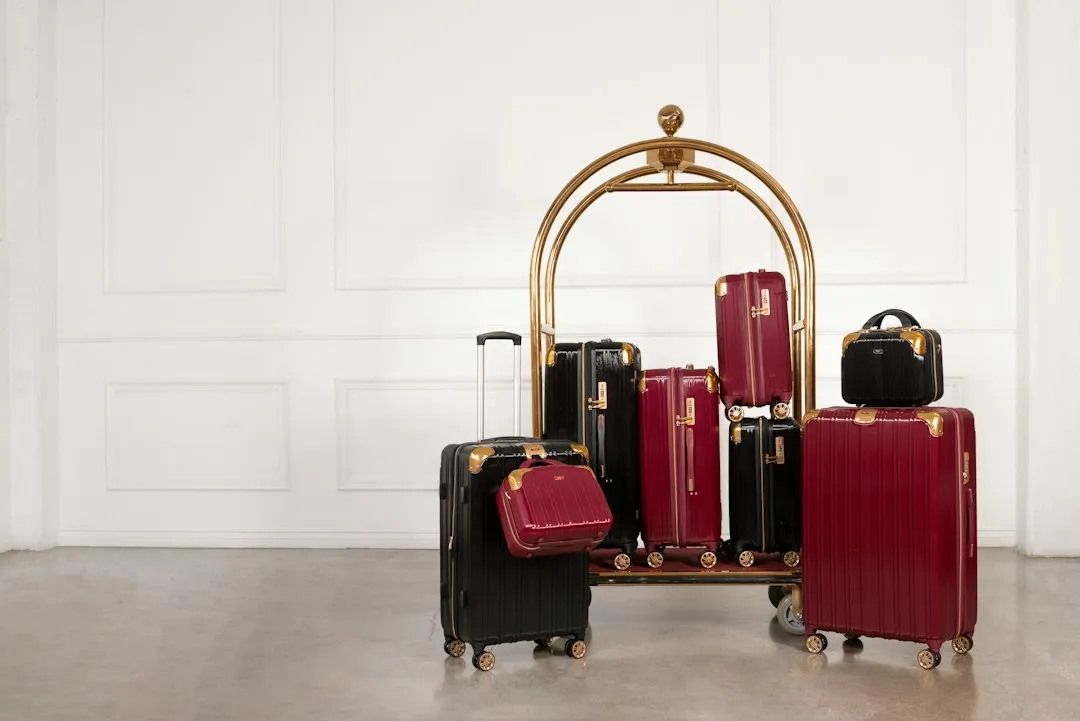
Bellmen are trained to use a second trolley if necessary, rather than overloading a single one, since overloading or stacking fragile bags at the bottom risks bag damage, guest injury, and trolley tipping. This is one of the most common mistakes made during peak check-in periods, when staff are rushing and the temptation to pile everything onto one cart is high.
Guests can help by traveling with a manageable number of pieces and keeping their bags reasonably weighted. Luggage arranged neatly on the cart and ensuring stability during transportation is a fundamental principle of professional handling. A well-distributed load on a properly sized cart reaches your room in far better condition than the same pieces crammed onto one overloaded trolley.
Ask for Your Valuables Back, Every Time

Bellmen in professional establishments routinely remind guests to keep their valuable items with them, including jewelry, phones, wallets, cameras, and tablets. This isn’t a suggestion born from distrust. It’s a practical safeguard that acknowledges even the most secure luggage storage room carries some risk.
Each instance of luggage handling, whether arrival, departure, or storage, is logged in the bell desk logbook and recorded on an errand card. If something is missing or damaged later, that paper trail is invaluable. Keeping personal electronics and irreplaceable items in a carry-on bag or on your person removes them from the chain of risk entirely.
Inspect and Count Your Bags at Every Handoff
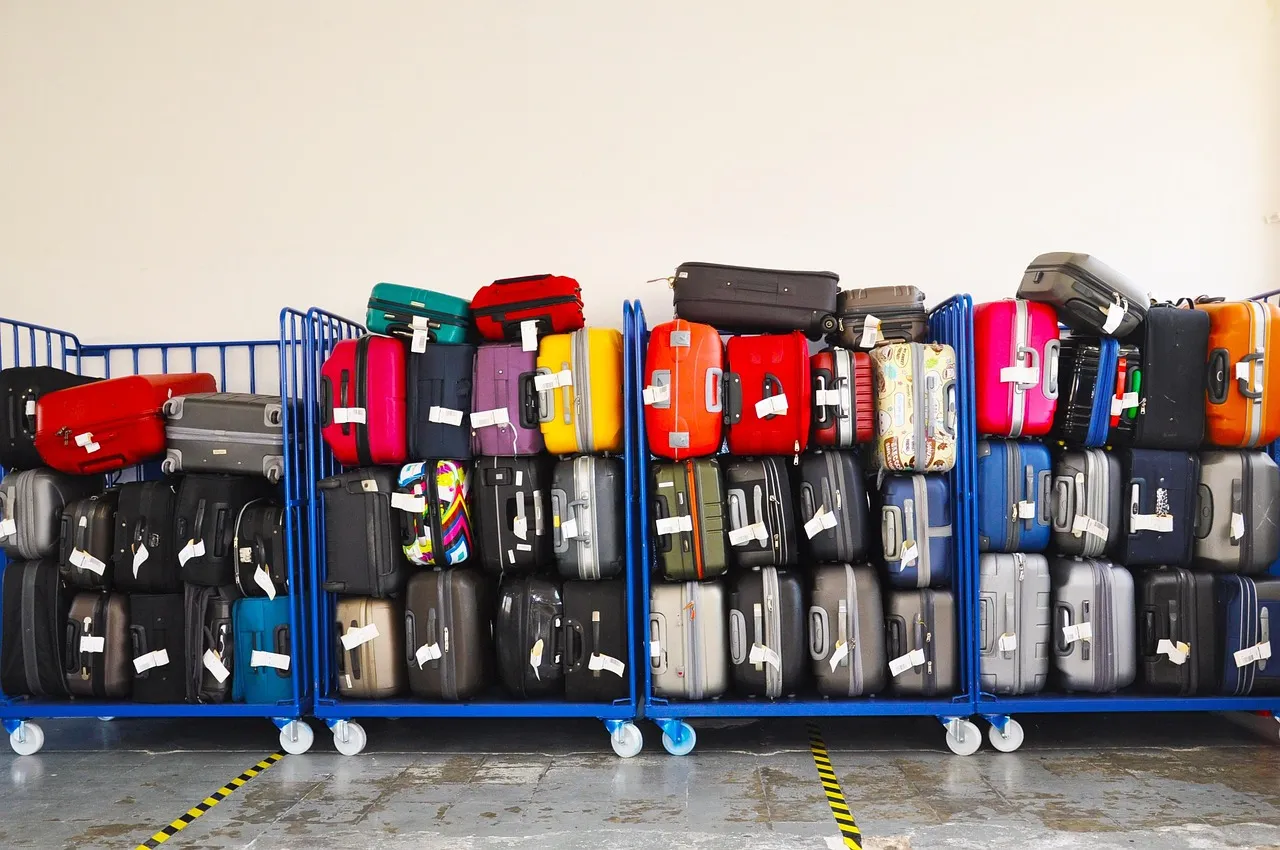
Confirming the number of pieces with the guest is standard practice, and if the guest is not in the room, a thorough check of all drawers and cabinets is carried out to ensure no belongings have been left behind. Bellmen count bags in and count them out. Guests should do the same.
After a guest settles their bill at checkout, requesting the guest to identify and reconfirm the number of bags before loading them into the car is standard procedure at professional properties. This double-check costs about thirty seconds and has saved countless guests from discovering missing pieces at the next destination. It’s the kind of quiet professionalism that goes unnoticed precisely because it works.
The Takeaway

The knowledge bellmen carry isn’t reserved for five-star lobbies. Most of it is transferable to any journey, any hotel, any airport. Load from the bottom up. Tag your bags visibly. Use the rack. Choose your luggage type based on what it will face, not just what fits your clothes.
Baggage mishandling cost the airline industry an estimated five billion dollars in 2024 alone, but a meaningful portion of physical damage happens during ground handling, where preparation and awareness still make a real difference. The bellman who has moved ten thousand bags knows something worth borrowing: care in transit is not about luck. It’s about habit.
AI Disclaimer: This article was created with the assistance of AI tools and reviewed by a human editor.