


The Kitchen Is Serving Two Masters at Once
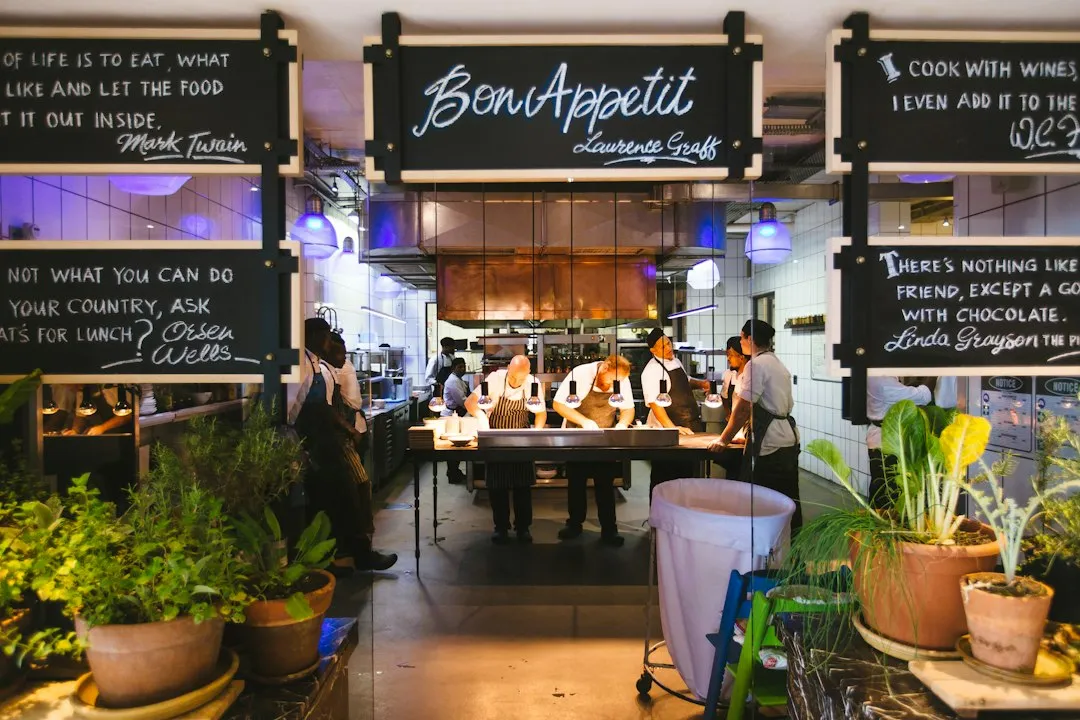
A hotel kitchen doesn’t just feed one dining room. Hotel kitchens usually run for long hours, sometimes all day and night, and may handle room service, buffets, banquets, multiple restaurants, and even meals for staff. That simultaneous workload creates pressure on every station, and room service tickets are often the lowest-visibility orders in the fire sequence.
When the restaurant is full, the in-room dining ticket loses, because the guest is not visible and no section is waiting at the pass, so a chef optimizing for the room in front of them is behaving rationally. A shorter room service menu reduces the number of competing demands on those same stations, allowing each kitchen section to stay focused.
Food Simply Doesn’t Travel Like It Cooks

A room service menu is a curated selection rather than a full restaurant offering. Hotels choose dishes that travel well and maintain quality during delivery. This single constraint eliminates a vast portion of the restaurant menu before a chef even gets involved in the conversation.
One of the biggest challenges is keeping hot foods hot and cold foods cold during transport, especially in large hotels where rooms might be far from the kitchen. Delicate sauces break, soufflés collapse, and anything relying on a crispy finish softens under a dome lid long before it reaches the door. The club sandwich is a room service classic for a reason: it’s something that travels well and can be jazzed up with condiments.
Staffing Shortages Have Quietly Reshaped the Menu
The narrowing of room service menus has accelerated alongside a persistent staffing crisis in the hotel sector. The American Hotel and Lodging Association found that 65% of U.S. hotels report ongoing labor shortages, even after raising wages and offering additional perks. Running a broad, complex menu around the clock simply isn’t viable when the overnight kitchen may be staffed by a single cook.
A shorter list cuts production variance and lets a hotel hold prepped components for the overnight period when the brigade is one person. In practical terms, that means dishes chosen for room service must be executable by a skeleton crew without compromising the guest experience. In 2024, hotels paid record wages totaling over $123 billion in total compensation, and trimming the menu to match actual staffing levels is one way chefs protect quality while managing that cost.
Inventory Control and Waste Reduction Drive the Decision

Hotel room service typically offers a limited number of menu items primarily to simplify kitchen operations and reduce food waste. A restaurant with 40 menu items requires dozens of individual ingredients held at precise readiness. When that full menu is duplicated for room service, the risk of over-ordering and spoilage multiplies significantly.
Research indicates that restaurants and hotels that manage a focused menu typically experience lower food costs due to reduced spoilage and waste. Choosing a tighter selection means the kitchen can turn inventory faster and keep ingredient quality higher. The kitchen can focus on mastering a few popular dishes, ensuring they deliver those meals quickly and with high quality.
The Overnight Hours Create a Menu of Their Own

At many large hotels and resorts, room service is offered all day and night, but the menu may be limited during overnight hours. This is not an accident. The 24-hour menu is essentially a purpose-built document, separate in spirit from the dinner or lunch offering.
The 24-hour, usually shorter room service menu features the perennial classics that the kitchen is confident it can get right at any time of day. Late-night orders arrive unpredictably, staffing is at its lowest, and the supply chain for fresh perishables has typically closed for the day. 24/7 room service may include specific menu options for different times of day, or hotels may offer a limited menu of items available at all times.
Delivery Times and Timing Windows Narrow the Options Further

Efficient order-taking, kitchen coordination, and timely delivery are critical to keep food fresh and guests happy. Dishes that require 30 minutes of active preparation in the restaurant become a problem when that same 30 minutes must also include tray setup, elevator travel, and corridor navigation.
Express room service focuses on quick-preparation items like sandwiches, salads, and beverages, typically promising delivery within 15 to 30 minutes, and is popular among business travelers with tight schedules. Elaborate tasting menus or multi-component plates that shine in a restaurant setting are nearly impossible to replicate within that window without quality loss.
Guest Behavior Shapes What Actually Ends Up on the List
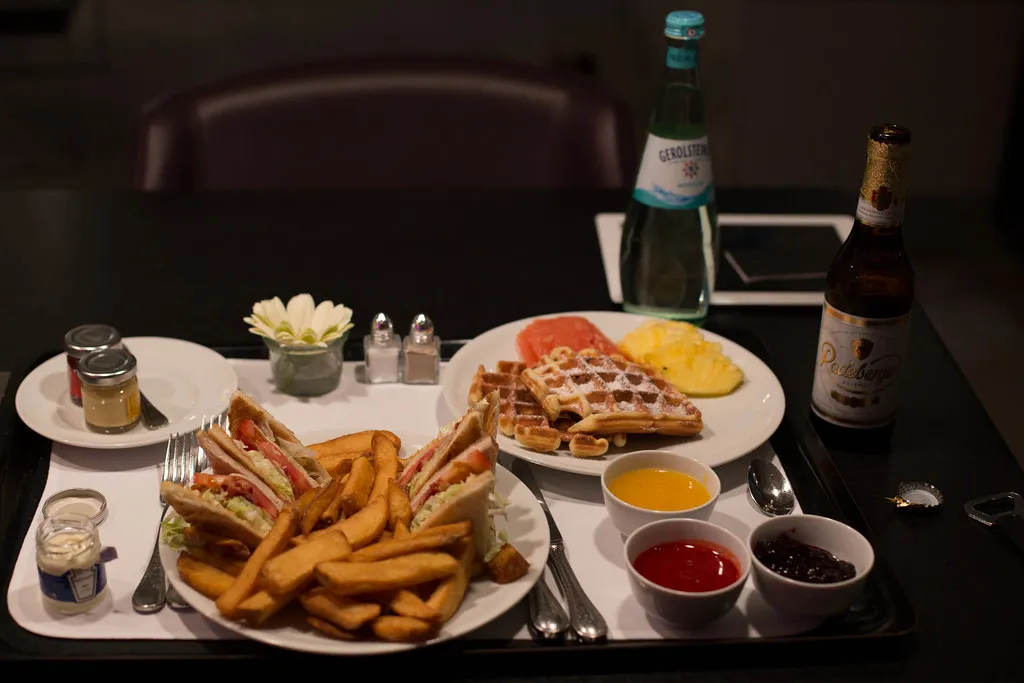
Most guests who want to eat in their room do so because it’s convenient, usually for business guests, or because it’s luxurious and relaxing. Those two motivations point toward different priorities: speed for the business traveler, comfort for the leisure guest. Neither group is typically looking for a complex tasting experience.
The 2024 Hotels.com Hotel Room Innsights survey found that roughly three quarters of room service orders cost $50 or less, and nearly a third cost $10 or less. That spending pattern reflects what guests are actually ordering: approachable, satisfying food rather than the restaurant’s most ambitious plates. The menu reflects that reality honestly.
A Focused Menu Is a Revenue Strategy, Not a Compromise

It might feel like limitation, but hotel operators are increasingly aware that a deliberately curated room service menu can be smarter than a bloated one. Industry studies show improved customer satisfaction when guests receive high-quality food rather than a wide range of average offerings. A shorter menu, executed with precision, consistently outperforms an ambitious one that arrives cold and inconsistent.
Still, there’s a real cost to cutting too aggressively. Cutting a hotel room service menu to a handful of “safe” options looks like a labor saving, but it can become a slow, measurable revenue leak through lost ancillary spend, weaker reviews, and shorter guest loyalty. The goal is balance, not minimalism for its own sake. Food and location are the two biggest drivers of positive hotel reviews, a fact confirmed by guest data collected across major review platforms.
Technology Is Starting to Change What’s Possible
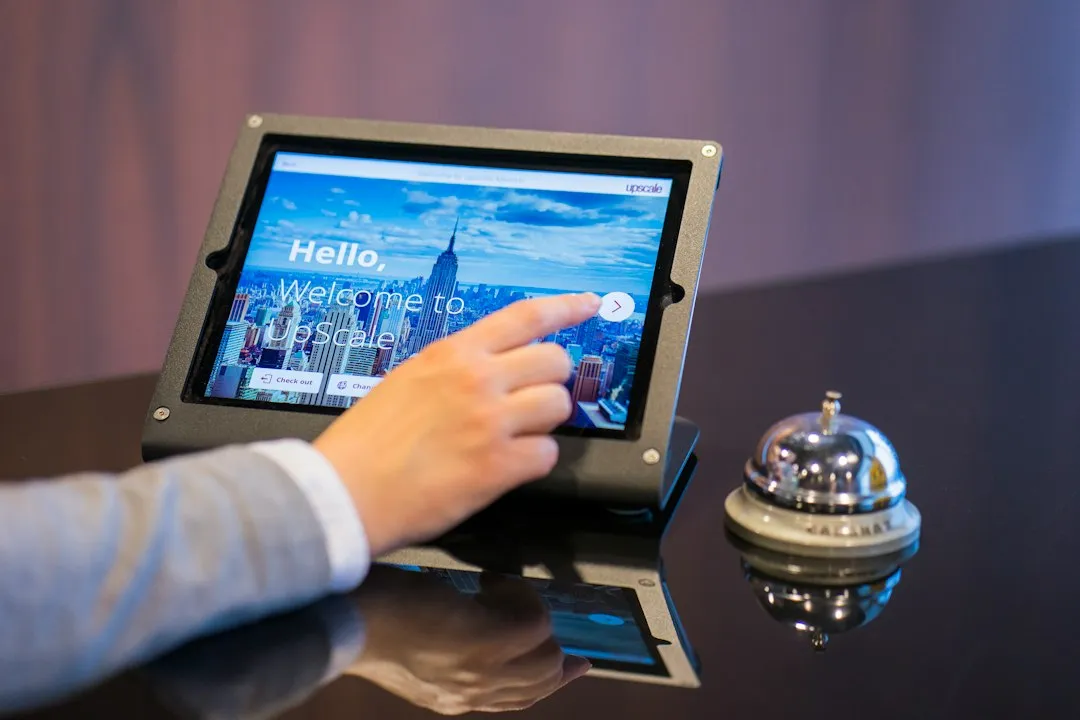
The constraints shaping room service menus are real, but they aren’t immovable. Modern hotel food and beverage technology includes integrated point-of-sale systems, kitchen display screens, customer relationship management platforms, and delivery tracking apps that simplify operations and provide detailed analytics. These tools are letting hotels handle more menu complexity with fewer errors.
According to the 2025 Hotels.com Hotel Room Innsights report, robots that deliver room service are a new trend, despite the fact that roughly seven in ten hotel guests say they prefer to speak to a human for support. Meanwhile, guests can now order through property management systems or in-room tablets, with real-time menu updates and order tracking. These efficiencies gradually reduce the operational friction that once made a long room service menu impractical.
Some Hotels Have Abandoned Room Service Entirely

For a segment of the market, the calculation has gone even further. In 2013, the largest hotel in New York City stopped serving room service. The New York Hilton Midtown, with roughly two thousand rooms on Sixth Avenue, closed its in-room dining operation and put a grab-and-go market in the lobby instead. That move signaled to the industry that the traditional model was under genuine pressure.
Hotels may think that limiting the items available for room service will encourage guests to go to the restaurant, but this can also encourage guests to simply order in from a local restaurant – a lose-lose situation for the property. Some properties have responded by leaning into third-party delivery partnerships. Some hotels team up with third-party food delivery services to offer room service without the operational burden, which can expand menu options but requires careful quality control.
The Takeaway
The shorter room service menu isn’t a sign that the kitchen doesn’t care. It’s the result of a carefully considered set of trade-offs: heat, travel time, staff capacity, ingredient inventory, and what guests actually order at 11 p.m. Every dish that makes the cut has, in a sense, earned its place.
What’s shifting now is the ambition to close the gap between what the restaurant offers and what can realistically land at your door in good condition. Technology, smarter kitchen systems, and honest menu design are all moving in that direction. The room service menu of the future may be shorter than the restaurant’s, but the distance between the two keeps narrowing.
AI Disclaimer: This article was created with the assistance of AI tools and reviewed by a human editor.