
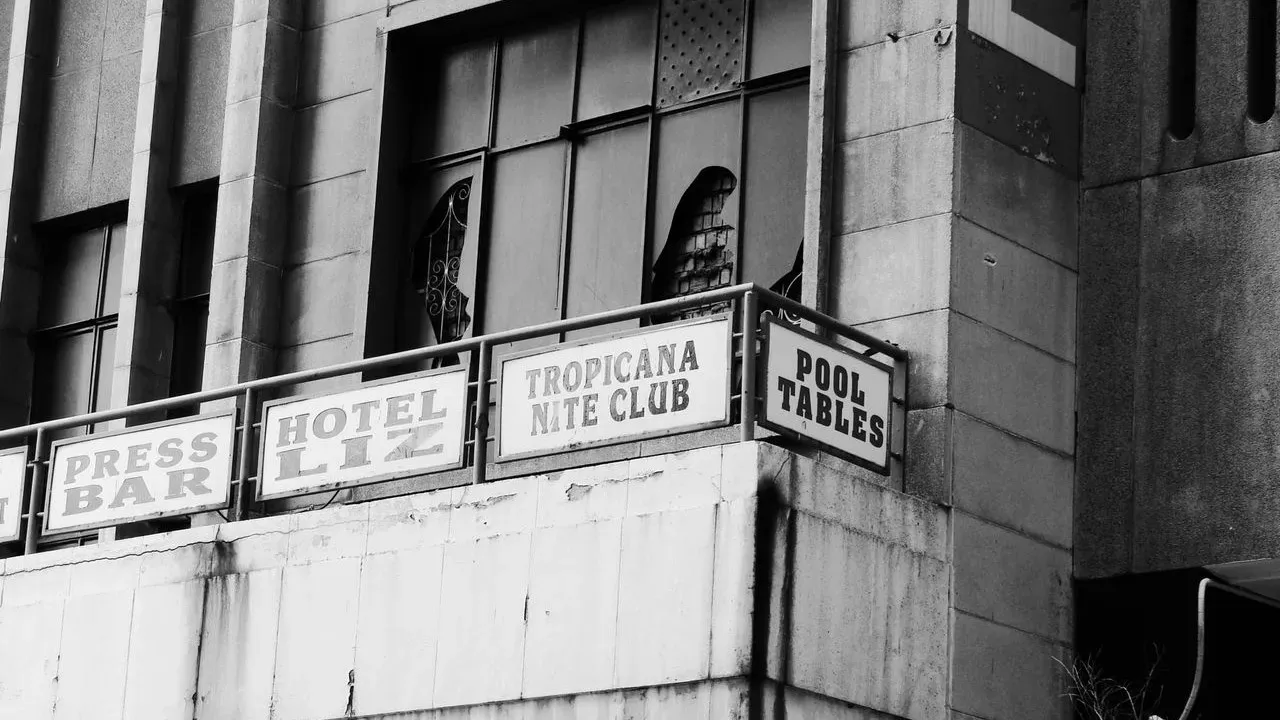

The Hotel Chelsea has welcomed creative residents for more than a century, its hallways and rooms serving as both home and studio for painters, writers, and musicians. That long record of artistic life now intersects with the practical demands of operating a landmark property in a changing city. One current resident, whose work remains visible throughout the building, has expressed a simple desire to continue living there without seeking financial compensation.
A Landmark Shaped by Its Residents
From its earliest decades, the Hotel Chelsea functioned as more than a place to sleep. Artists and writers settled in for extended periods, often leaving behind pieces that became permanent features of the interior. The result is a building whose character derives directly from the people who lived and worked inside it, rather than from any single design plan imposed from outside.
This pattern of residency created a living archive. Paintings, sketches, and other works accumulated over time, turning corridors and public spaces into an informal gallery that reflects successive generations of talent. Travelers drawn to the hotel often cite this accumulated creative presence as a primary reason for their visit.
Work That Belongs to the Building
The artist at the center of the current discussion has contributed multiple paintings that now form part of the hotel’s visible collection. These pieces remain on display even as questions arise about his continued occupancy. The arrangement illustrates how individual contributions can become inseparable from the identity of the place itself.
Such integration of resident work with the physical structure distinguishes the Chelsea from many other historic hotels. Guests encounter the art not in a separate exhibition space but as an organic element of daily movement through the building. This approach has helped sustain the hotel’s reputation as a site where creativity and hospitality overlap.
A Resident’s Perspective
The artist has stated clearly that financial arrangements are not the goal. “I don’t want money. I’m not asking for a buyout. I just want to stay here. I don’t want to disrupt my life.” The remark underscores a preference for continuity over any form of settlement or relocation package.
His position highlights the personal stakes involved when long-term residents confront shifts in property management. For individuals whose daily routines and creative processes are tied to a specific address, the prospect of departure carries consequences that extend beyond housing alone.
Navigating Legacy and Operations
Hotel management must balance preservation of the Chelsea’s distinctive character with the requirements of modern hospitality standards and ownership responsibilities. Decisions about residency affect not only the individual artist but also the broader community of visitors who value the building’s accumulated cultural texture.
Stakeholders in this situation include the resident artists themselves, current ownership and staff, and the traveling public that has long associated the hotel with creative freedom. Each group holds a different interest in how the property evolves while retaining the qualities that made it notable in the first place.
The outcome will likely influence how similar historic properties elsewhere approach the retention of resident creators. The Chelsea’s experience offers a concrete example of the tensions that can surface when artistic legacy meets contemporary business considerations.
AI Disclaimer: This article was created with the assistance of AI tools and reviewed by a human editor.