

The Safety Circuit That Runs the Whole Show
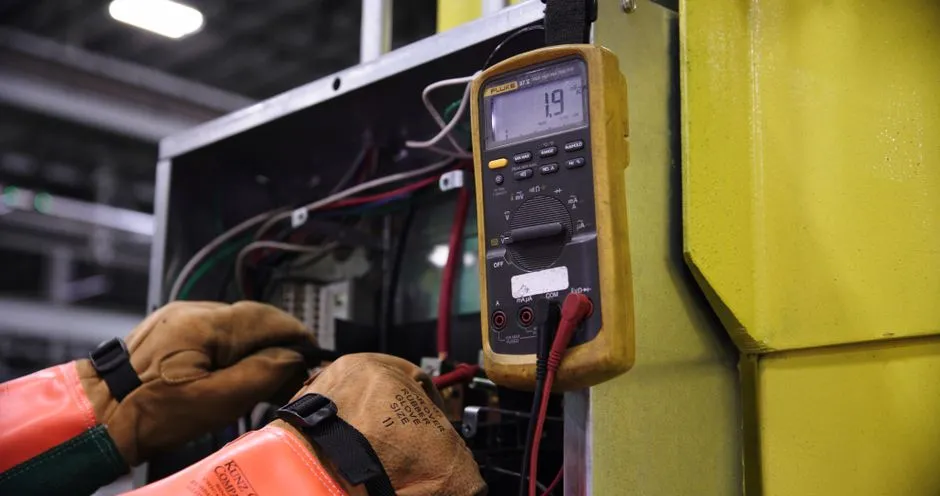
Modern elevators operate using a continuous, low-voltage safety circuit that links every shaft door, maintenance panel, and mechanical brake sensor into one unbroken loop. If anything in that chain is disrupted, even briefly, the system responds immediately.
If any single switch in this string disconnects for even a millisecond due to vibration or misalignment, the main microprocessor breaks the power line feeding the hoist motor, and this intentional safety stop holds the elevator securely in place until a certified technician resolves the fault. It’s not a glitch. It’s the system doing exactly what it was designed to do.
Door Interlock Problems Are the Most Common Culprit
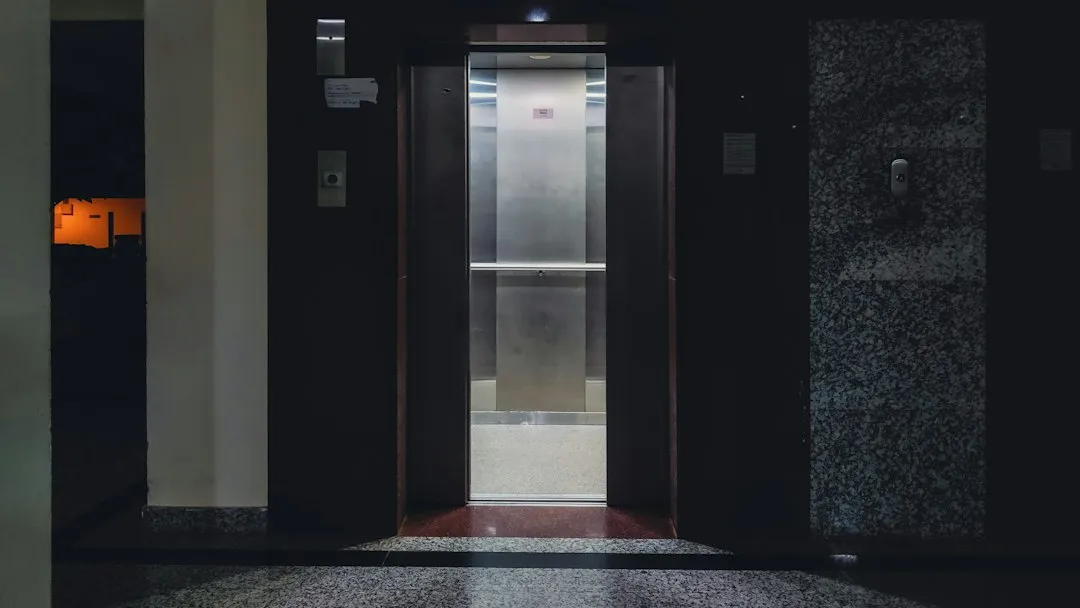
Elevator safety systems prevent the car from moving unless all doors are properly closed and locked, and the interlock system verifies this at every floor. That’s a lot of checks happening invisibly every time the car moves.
If an interlock malfunctions or something prevents a door from closing completely, the safety circuit is interrupted and the elevator stops. This can happen due to debris in door tracks preventing full closure, worn or misadjusted interlock contacts, damaged door components, or electrical problems in the interlock circuit. Door-related problems are the most common category of elevator issues, and they frequently cause stoppages.
Sensors That Can’t Quite See Straight
Most elevators have sensors that tell the elevator when a door is fully closed, and if these sensors are out of alignment, the elevator will stop moving up and down the floors. In a busy hotel, those sensors take a beating every single day.
Elevators use sensors to determine when and where to stop, and if these sensors are malfunctioning or blocked by debris, they might inaccurately detect a signal, causing the elevator to stop. A small piece of grit or a scuff mark on a sensor lens can be enough to trigger an unplanned stop that puzzles every guest on board.
Fire Service Mode and the Third-Floor Protocol
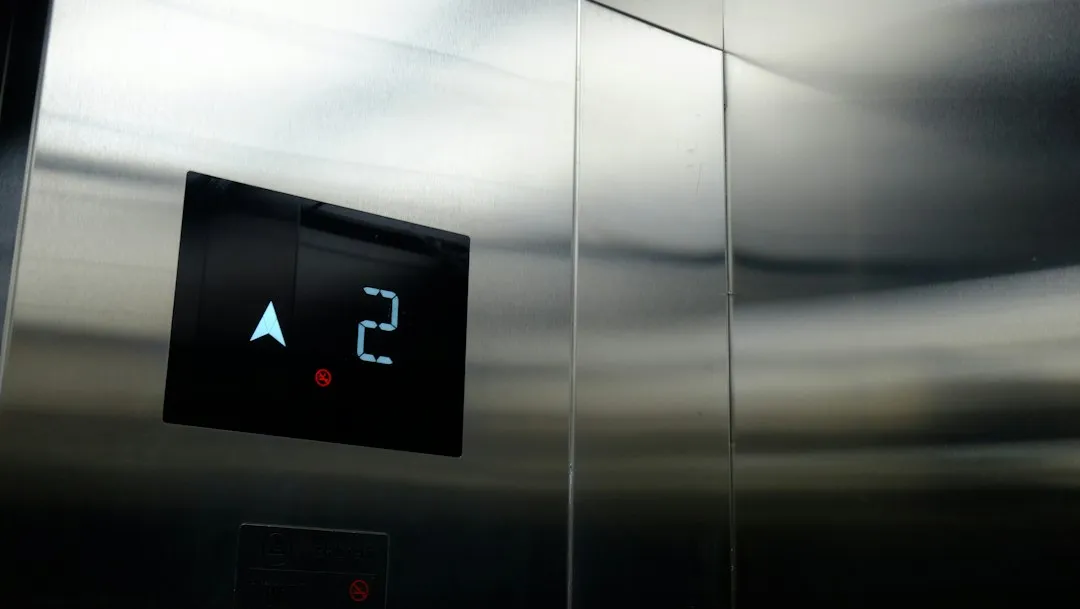
When a fire alarm activates, even a false one, the elevator automatically recalls to the fire service access floor, opens its doors, and enters fire service mode. Many modern systems pre-emptively cycle to that floor between trips as a readiness measure. For hotels built after 1990, that designated floor is typically the third.
Ground floors often house lobbies with high foot traffic, glass facades, and potential structural vulnerabilities during fire events. Second floors may contain banquet halls or conference centers where smoke spreads rapidly and evacuation routes converge unpredictably. The third floor typically hosts the first true guest room corridor, compact, enclosed, and structurally stable. From that position, responders can deploy quickly to upper floors without unnecessary risk.
The Sabbath Mode That Stops at Everything
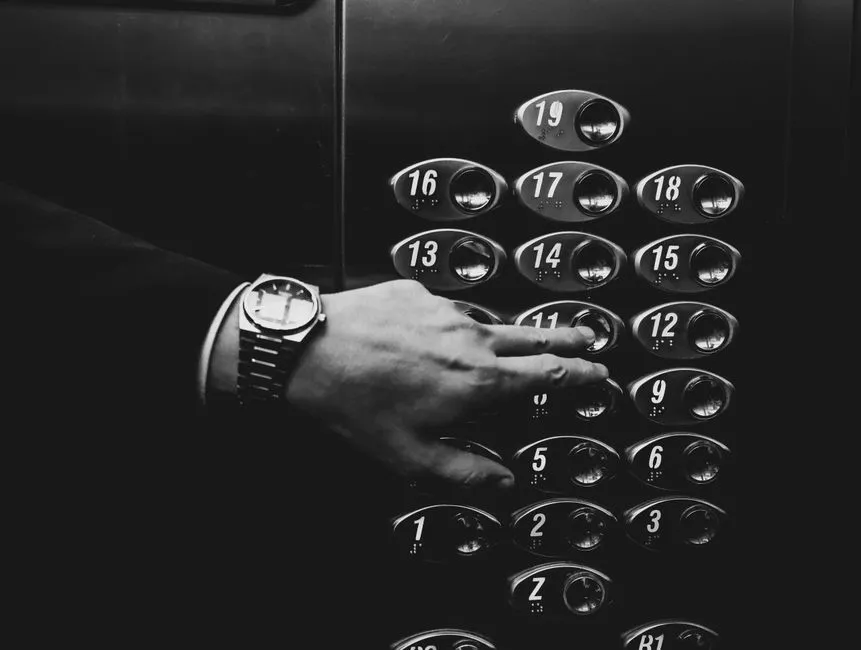
Modern elevators have necessitated the development of a Sabbath Mode, and in Sabbath Mode an elevator cab moves continuously up and down the shaft, stopping at every floor. Not all Sabbath Modes are the same, however. Hotels in urban areas with large observant Jewish communities often keep this mode active on Friday evenings through Saturday nights.
An elevator in Sabbath Mode avoids the need to press buttons by stopping on every floor. Guests unfamiliar with this feature often assume something is wrong, when the system is actually functioning correctly and intentionally. Technicians are very used to fielding calls about this one.
Overloading Triggers an Automatic Response
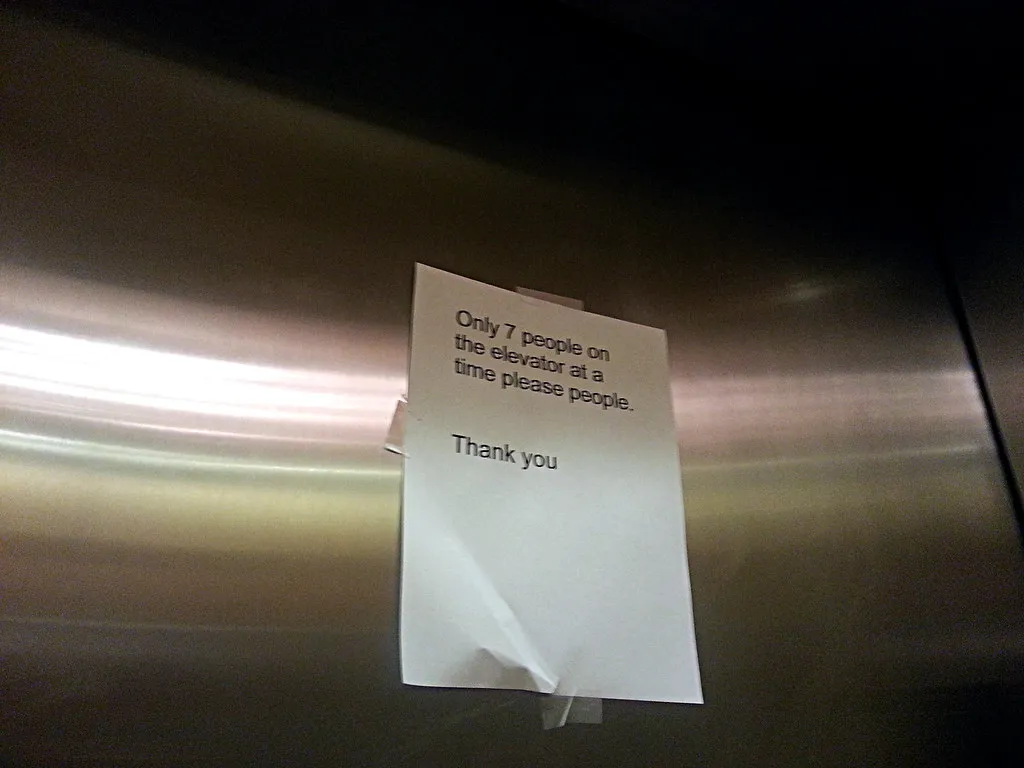
Carrying too much weight can cause an elevator to stop. These machines are built with safety features that prevent operation when overloaded, so exceeding weight limits can temporarily halt functioning to ensure everyone’s safety. In a hotel during a busy check-in rush, this situation comes up more than management would like to admit.
Ignoring weight limits or improperly using an elevator can cause strain on mechanical components and trigger a shutdown, and exceeding weight capacities can overheat motors, stress pulleys, and wear down cables at a much faster rate. The elevator isn’t being overly cautious. It’s protecting both the passengers and itself.
Control System Glitches and Software Errors
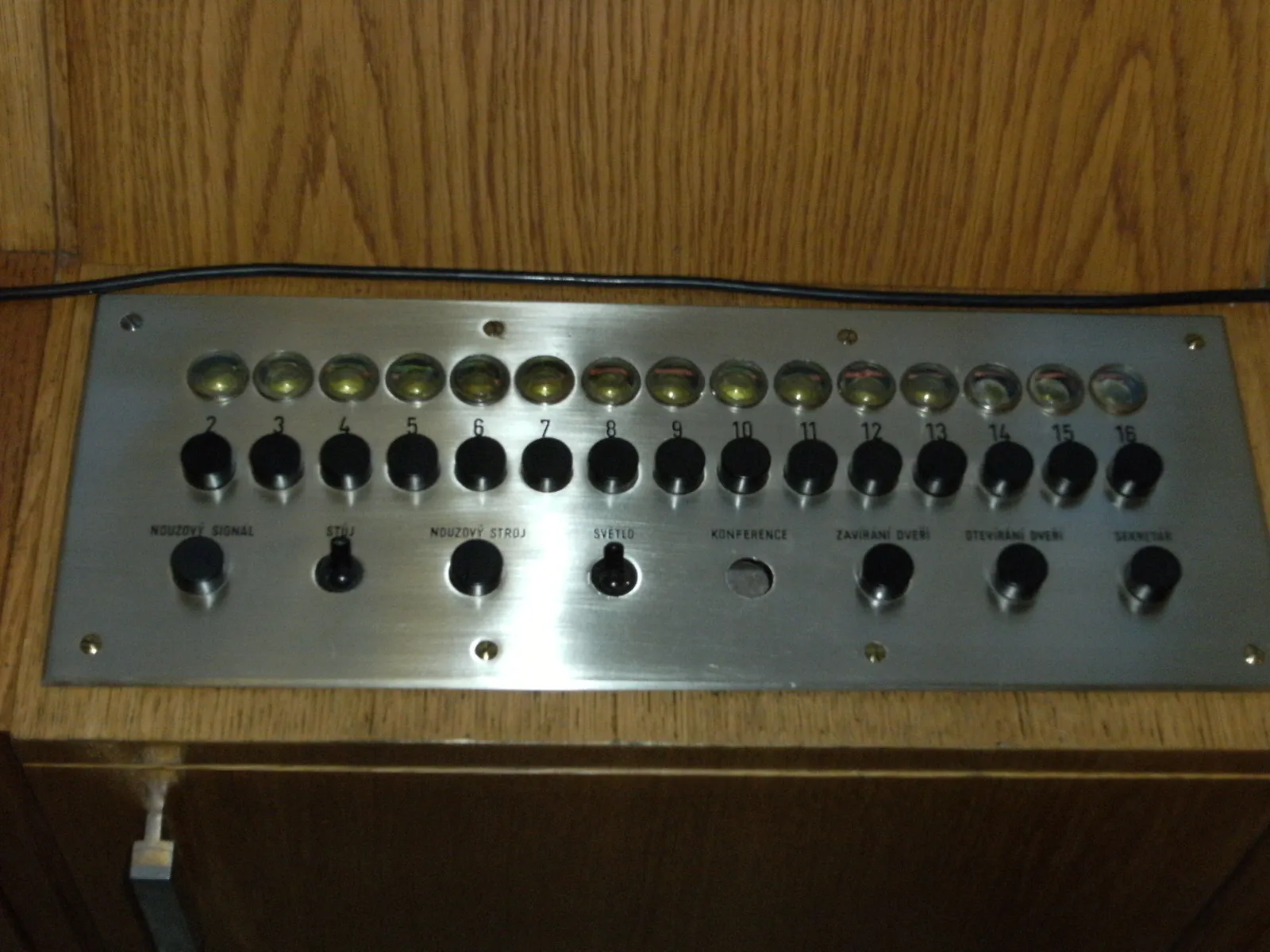
Modern elevators rely on advanced control systems to process movement, stops, and safety features, and if there is a software glitch, electrical malfunction, or outdated hardware, the elevator may stop responding altogether. Hotel elevators, running around the clock with high passenger volumes, are especially vulnerable to accumulated software strain.
Older control systems are more prone to breakdowns and often lack real-time monitoring features that can detect potential failures before they occur. In many older hotels, the control board in the elevator machine room hasn’t been meaningfully updated in years, and the software handling floor calls is doing its best with outdated logic.
How Group Dispatch Algorithms Determine Each Stop
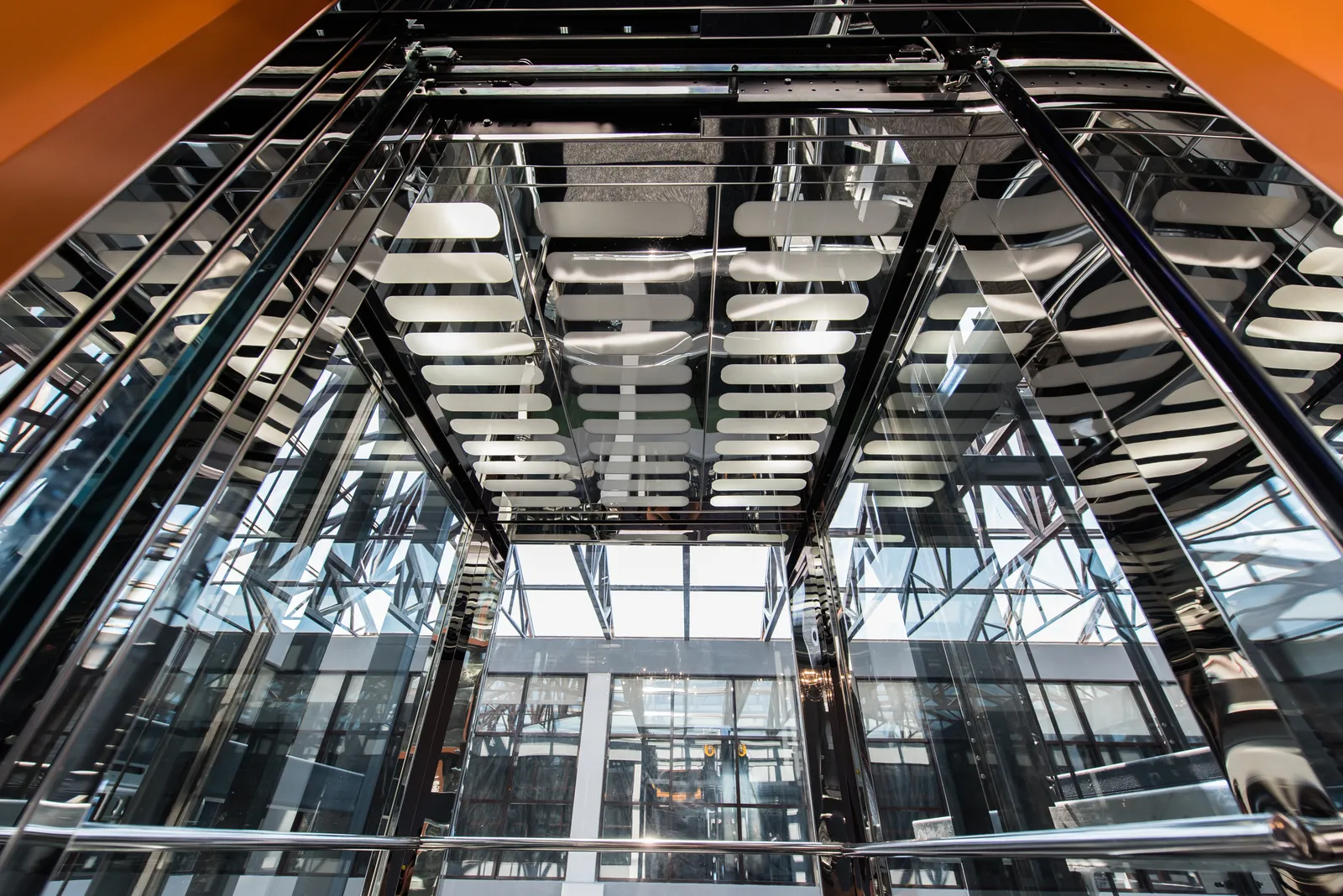
Group elevator control is a computer-based system that makes use of expected or known future traffic demands to make decisions on how to assign passengers to cars, and how to dispatch cars to pick up and deliver passengers. Using advance traffic information, group elevator control provides enhanced performance of the elevators in serving passengers. When that logic underestimates demand, multiple floors get queued and the ride slows.
Dispatching strategies regulate elevator operations in different traffic patterns, and based on forecasted traffic flow, three typical traffic patterns can be clustered: up-peak, down-peak, and inter-floor. Different strategies can be deployed to fit the features of the current traffic pattern, like zoning and sectoring techniques that allocate working regions to different cabs. A hotel at breakfast rush behaves very differently from the same hotel at midnight, and the dispatch system has to adapt to both.
Leveling Problems That Cause the Car to Hesitate
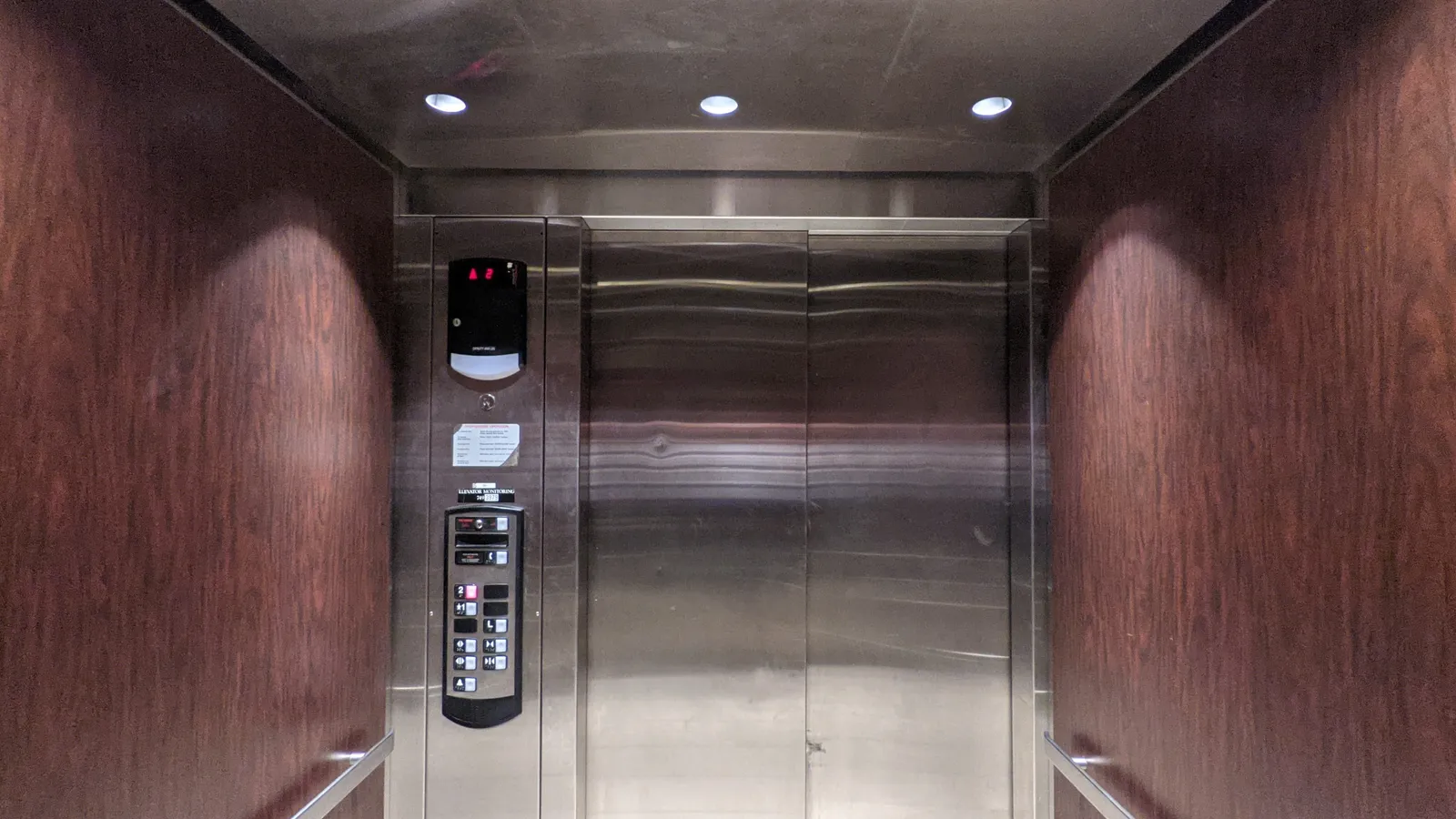
Leveling refers to how accurately the elevator stops at floor level, and proper leveling means the car floor aligns precisely with the landing floor, creating a smooth transition for passengers. When leveling sensors drift even slightly, the car may overshoot or undershoot a floor and then correct itself, adding noticeable pause time at each landing.
If an elevator stops between floors, doesn’t align correctly with landings, or struggles to start moving after the doors close, there’s likely a control or mechanical issue in play, often caused by faulty leveling sensors or valve and hydraulic control issues in hydraulic systems. Technicians call this “misleveling,” and it’s a frequent complaint in hotels with hydraulic elevator systems installed before the mid-2000s.
Power Fluctuations and What They Do to the System
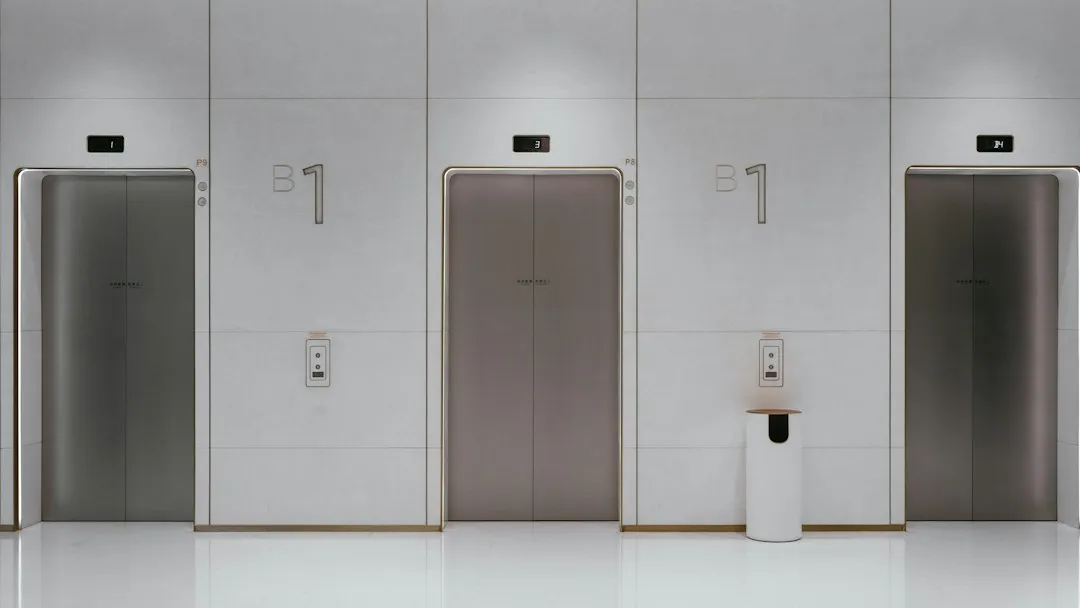
Power problems are among the most common causes of elevator stoppages, including complete power outages that stop the elevator immediately, momentary power fluctuations that can trip safety circuits, power quality issues like voltage sags or surges, and problems with the elevator’s own electrical supply separate from building-wide issues. Hotels with aging electrical infrastructure are especially susceptible.
Modern elevators are designed to handle brief power interruptions and continue operating, but significant fluctuations or outages will stop the car. Some buildings have emergency power systems that can move elevators to a floor during outages. Without that backup system in place, a momentary voltage dip during a storm can leave a car parked between floors until a technician physically resets the controller.
The Takeaway

A hotel elevator that stops on every floor isn’t necessarily broken. More often, it’s responding to a combination of real inputs: a queued hall call, a sensor check, a fire safety protocol cycling in the background, or a dispatch algorithm managing three other cars simultaneously.
Elevator technicians often say the same thing when guests complain: the system you’re frustrated with is also the system keeping you safe. The engineering priorities behind every stop, whether it’s a door interlock confirmation or a fire service readiness cycle, exist for good reason.
Next time the car slows at a floor you didn’t ask for, it’s worth remembering that somewhere beneath the ceiling panel, a safety circuit just did its job quietly and without fanfare. That’s exactly how it should work.
AI Disclaimer: This article was created with the assistance of AI tools and reviewed by a human editor.