

HVAC Is the Biggest Energy Drain in Any Hotel

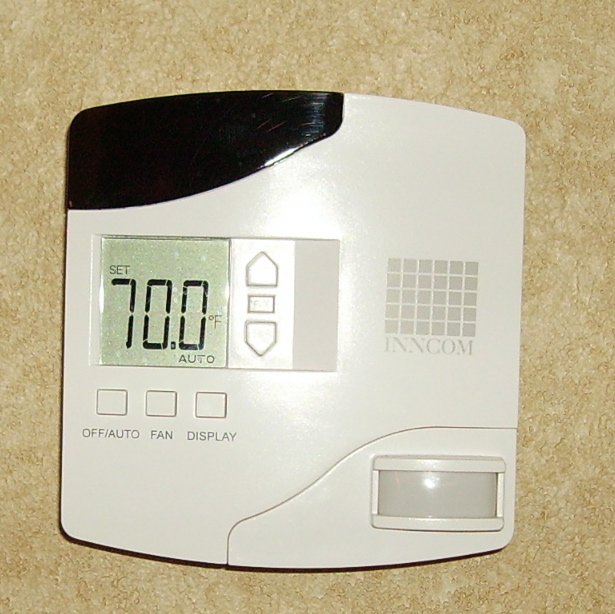
Before getting to the specific thermostat setting that matters most, it helps to understand just how dominant climate control is in a hotel’s overall energy picture. HVAC systems represent somewhere between half and sixty percent of total hotel energy consumption, a share that dwarfs lighting, refrigeration, and almost every other operational system combined.
According to the UN World Tourism Organization, air conditioning alone consumes more than forty percent of a typical hotel’s total energy demand. Research published in peer-reviewed literature has confirmed that HVAC accounts for thirty to fifty percent of all energy consumed in hotel buildings, though the precise figure varies by climate zone, building age, and the quality of the system installed.
Hotels consume three to five times more energy per square foot than typical commercial office buildings, largely because of twenty-four-hour operations, variable occupancy patterns, and the guest comfort expectations that cannot be compromised. That combination makes the thermostat setting question far more complex than it first appears.
The Specific Temperatures Engineers Actually Target
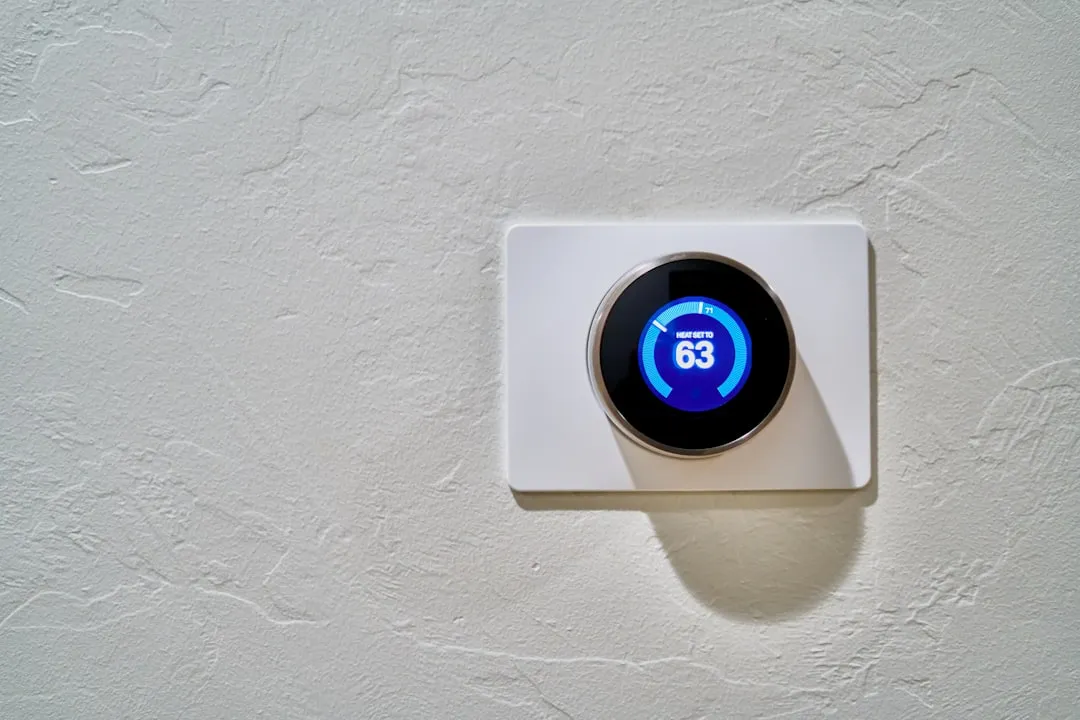
So what do hotel engineers actually program into their systems? The guidance from the U.S. Department of Energy is fairly concrete. The Department of Energy recommends setting thermostats to 78°F (26°C) when rooms are occupied and 85°F (29°F) when unoccupied, with these settings designed to ensure guest comfort while minimizing energy usage.
In practice, many engineering teams apply a slightly more conservative setback to avoid any guest discomfort on arrival. When no occupancy is detected for a configurable window, typically twenty to thirty minutes, the thermostat adjusts to its setback temperature, which is typically 77°F in summer or 65°F in winter. These figures represent the operational consensus across a wide range of hotel management platforms.
A widely cited engineering framework works as follows: if a guest sets the thermostat to 70°F, management programs a comfort range of no colder than 65°F and no hotter than 79°F during their absence, allowing the room to recover to the guest’s preferred setting quickly enough to avoid any noticeable inconvenience on return.
The Setback Principle: Small Degrees, Big Savings
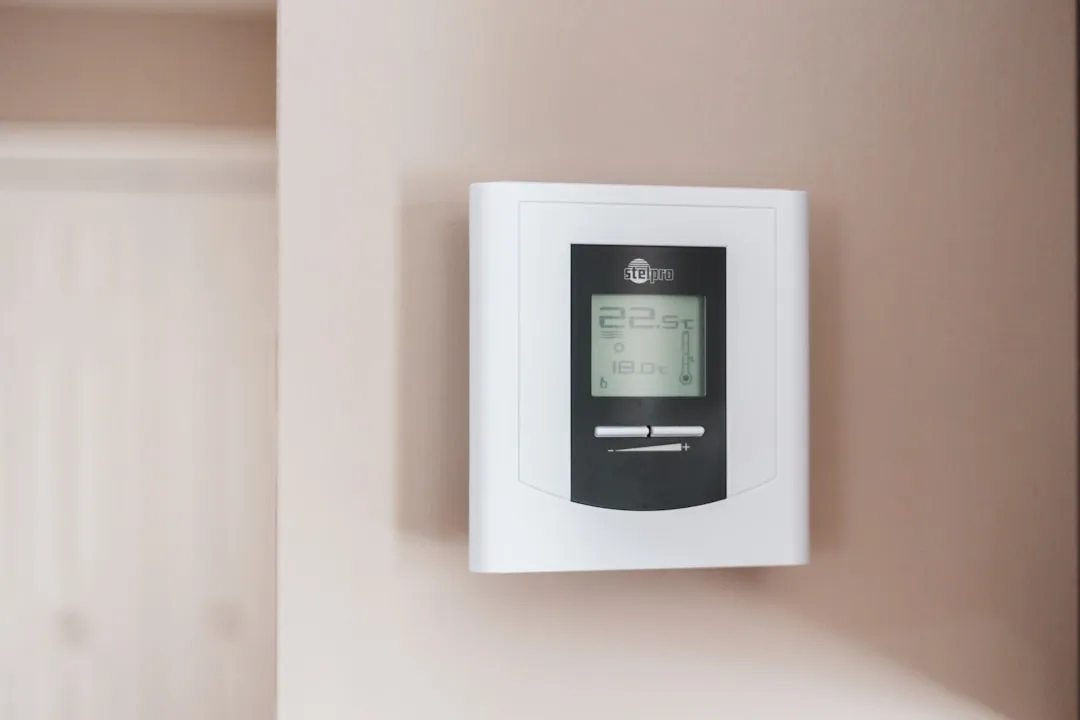
The core of any hotel thermostat strategy is the setback, which is the practice of shifting the temperature target during periods of vacancy. A setback of six to seven degrees Fahrenheit in a vacant room during checkout hours alone generates up to fifteen percent savings per room. That might not sound transformative on paper, but multiply it across hundreds of rooms over a full year and the financial impact becomes very real.
Scale that approach to a full property managed by a centralized energy platform, with setbacks triggered by door sensors, motion sensors, and property management system checkout signals simultaneously, and the savings reach twenty to thirty percent of total HVAC spend without any change to the guest experience.
Research into commercial buildings more broadly reinforces this principle. When a single degree of setback during the cooling season is applied, an average of approximately 1.1 percent of annual consumption is achieved across commercial buildings. Stack several degrees of setback, and the returns compound quickly.
Why Empty Rooms Are the Biggest Source of Waste

Unoccupied room energy waste represents the most significant opportunity for hospitality properties, with industry research consistently showing that empty guest rooms consume sixty to eighty percent of the energy used when occupied, because HVAC systems maintain setpoints regardless of whether anyone is actually present.
A 150-room hotel with seventy percent average occupancy may waste between $30,000 and $60,000 annually conditioning rooms that are simply sitting empty. That is a substantial sum, and it is one that compounds silently because traditional utility bills provide no visibility into which specific rooms are driving the waste.
HVAC systems in hotels without occupancy sensing operate on one of two models: fixed schedules set by engineering, or whatever temperature the last guest dialed in before checkout. Neither approach is particularly efficient, and both leave thousands of dollars on the table every year.
How Occupancy Sensors Changed the Equation
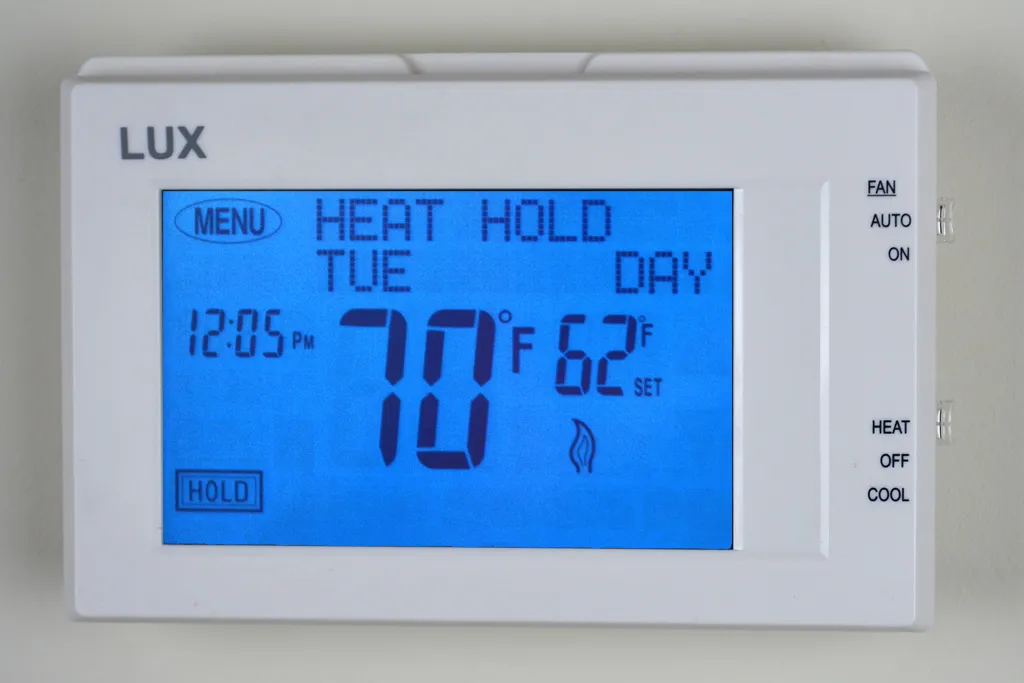
The shift that has had the most measurable impact on hotel energy use is the adoption of occupancy-sensing thermostats. When the sensor determines a room is unoccupied, the thermostat automatically enters setback mode, adjusting temperature to an energy-conserving range without shutting the system off entirely, and when the guest returns, the system recovers instantly.
Energy management thermostats typically integrate with a building management system and automatically adjust temperatures using occupancy-sensing technology, removing the need for manual override and eliminating the human error that conventional systems are prone to.
With proper setback programming, HVAC runtime drops by up to forty-five percent compared to systems running at a fixed setpoint around the clock. For a large property, that is a number that shows up clearly on the monthly utility bill.
Pre-Conditioning: How Engineers Protect the Guest Experience
One of the most common concerns about setback strategies is that guests will walk into a room that feels too hot or too cold. Engineers have addressed this through pre-conditioning, a process that begins bringing the room back to a comfortable temperature before the guest even arrives.
When a reservation confirms in the property management system, the thermostat begins pre-conditioning the room before the guest arrives, so the guest walks in to the right temperature and the hotel never ran at full power for an empty room. It’s a practical solution that closes the gap between efficiency and experience.
When the system detects a door entry or a check-in event, it begins recovering the room to comfort temperature before the guest reaches it, with thermal recovery time calculated from the room’s current temperature, external conditions, and HVAC capacity, so the arrival experience is identical to a room that was never set back.
The Role of Centralized Energy Management Platforms
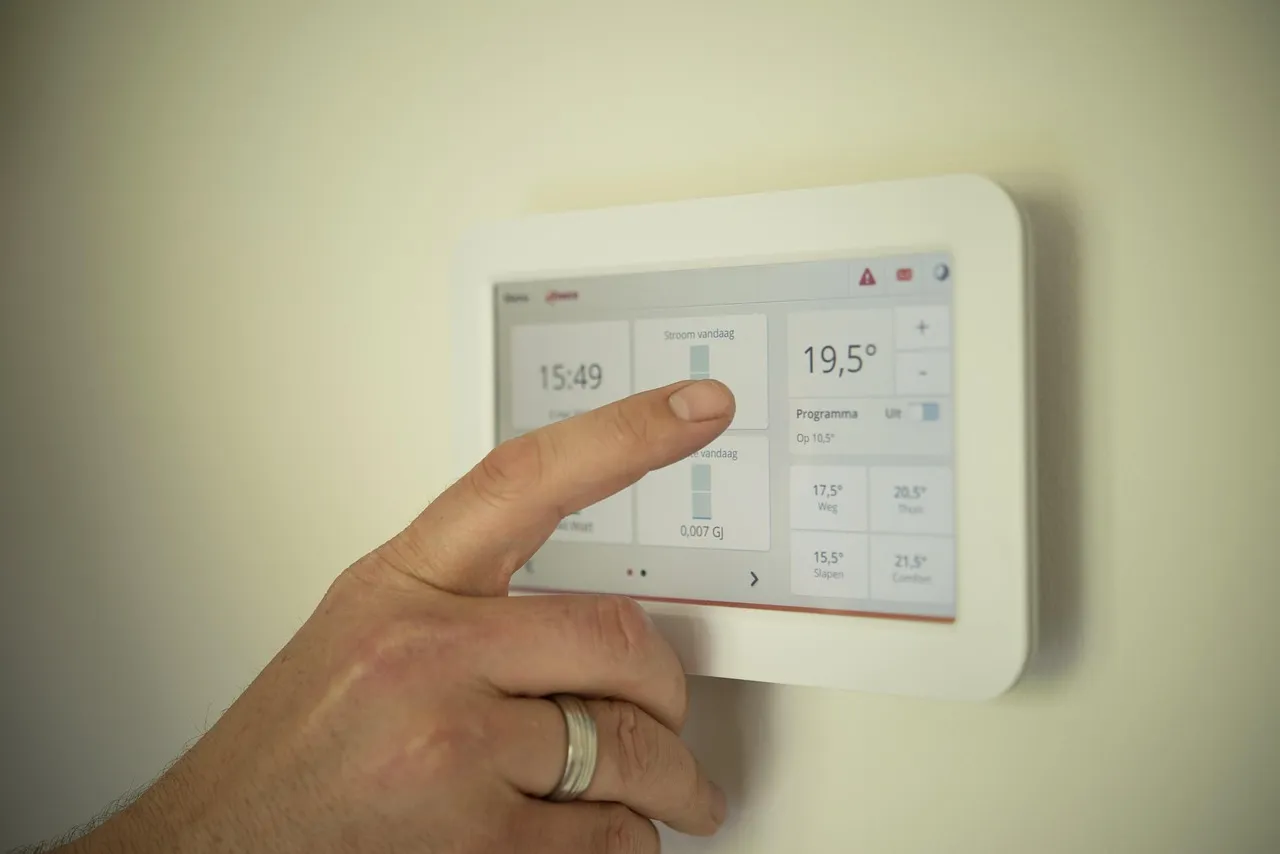
Individual thermostat settings matter, but what really moves the needle at a portfolio level is the software that sits above those individual units. Centralized energy management software has changed how hotel operators think about HVAC from a reactive maintenance task to a proactive, data-driven operation, giving property managers live visibility into which units are overcooling, which rooms are consuming more energy than expected, and where equipment may be failing.
Newer techniques take a more focused approach by monitoring each room’s HVAC performance independently through cloud-connected smart thermostats, collecting real-time data on factors such as actual runtime, energy consumption, local utility rates, and specific heating or cooling demands. This individualized monitoring enables hotels to move beyond blanket policies and into precision energy management.
Engineers can see every room’s current temperature, setpoint, HVAC runtime, and occupancy status in real time, and resolve guest comfort issues remotely without entering rooms. That level of visibility was simply unavailable a decade ago.
Energy Costs Have Risen and the Pressure Is Real

There is a financial urgency driving much of this engineering innovation. Energy costs are now a major budget item for hotels, consuming seven to nine percent of total operating costs in 2024 to 2025, up from around five percent before the pandemic, making it one of the two biggest controllable expenses after payroll.
Buildings account for approximately thirty percent of final energy consumption globally and half of final electricity demand, so the broader environmental stakes are substantial too. Hotels sit near the top of that consumption profile per square foot, which is why thermostat strategy has moved from a facilities concern to a genuine business priority.
Booking.com’s latest Sustainability Report finds that roughly eighty-four percent of global travellers want the places they stay to actively cut waste and energy, meaning guests are increasingly aware of and responsive to these decisions. The engineering choices and the guest experience are more connected than many hotel operators realize.
Demand Response: The Next Layer of Savings

Beyond simply setting back temperatures during vacancy, some hotels are now participating in utility demand response programs, which add another layer of savings on top of the baseline efficiency gains. Once all rooms have occupancy-sensing thermostats connected to a centralized platform, hotels can enroll in utility demand response programs, and when the grid requests load reduction during peak events, the hotel pre-cools occupied rooms slightly, then pauses HVAC during the demand event, maintaining comfort through thermal inertia.
Once all guest rooms are outfitted with occupancy-sensing smart thermostats managed by a platform integrated with the building management system, the hotel can enroll in a demand response program via an API that connects the thermostat management system to demand response alerts from the utility, with each property deciding on presets to ensure optimal guest comfort while maximizing savings.
What Guests Can Do (and What They Often Get Wrong)
Most guests set the thermostat as low or as high as it will go the moment they walk in, which is understandable but not particularly helpful. Guests from different regions have varying preferences for room temperature, and collecting guest feedback can help identify common preferences to set a baseline, while offering guests the ability to adjust the temperature to their liking remains important, but having a recommended setting can guide them toward more energy-efficient choices.
Hotels increasingly encourage guests to use energy-saving modes on thermostats, especially when they leave the room, through in-room signage, digital displays, or prompts on hotel apps. These small behavioral nudges, when they work, complement the automatic systems already running in the background.
The honest truth is that most of the meaningful energy saving in a modern hotel does not depend on what the guest does at all. It happens automatically, through sensors, setback programming, and centralized platforms that are quietly doing their job whether the room is full or empty.
The Takeaway
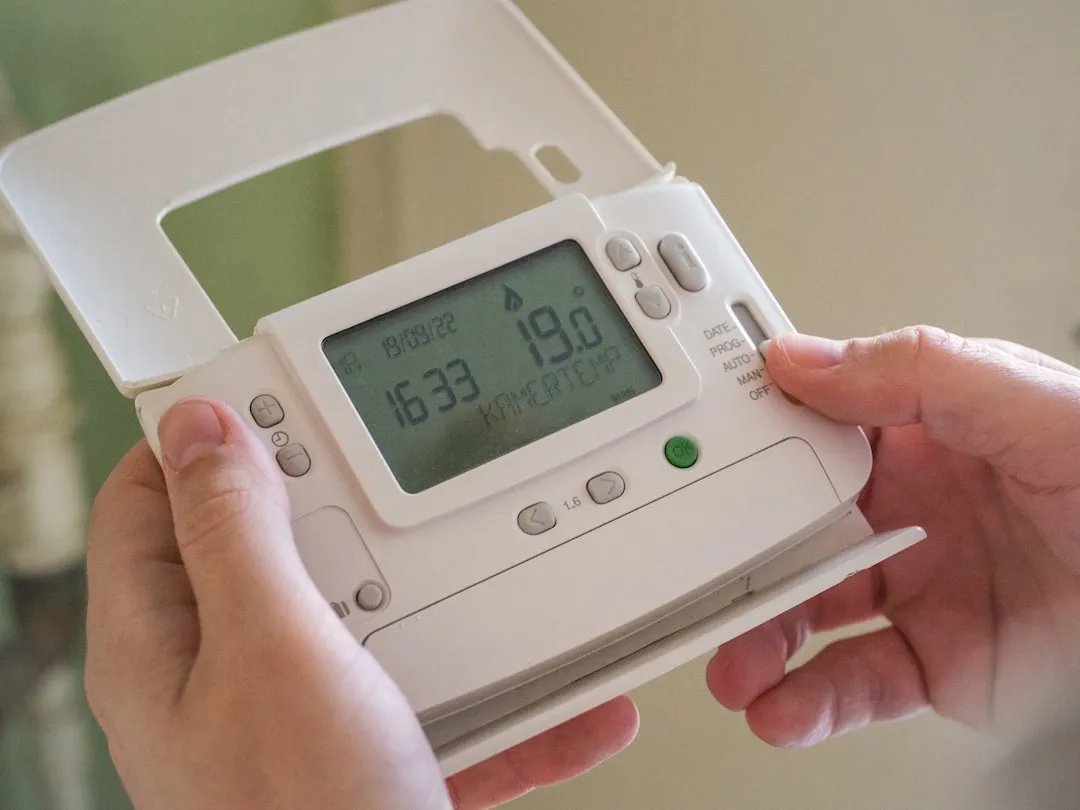
The single thermostat setting that hotel engineers return to again and again is not one fixed number. It’s a relationship between two numbers: the comfort setpoint when someone is in the room, and the setback temperature when the room sits empty. The gap between those two figures, and how intelligently a system manages the transition, is where real efficiency lives.
The U.S. Department of Energy’s guidance of 78°F occupied and a warmer setback when vacant provides a useful starting point, but the most sophisticated hotel engineering teams go further, using occupancy sensors, cloud-connected platforms, and pre-conditioning logic to make the whole process invisible to guests while delivering measurable financial returns.
In an industry spending billions on energy every year, that quiet dial on the wall turns out to be one of the most important tools in the building.
AI Disclaimer: This article was created with the assistance of AI tools and reviewed by a human editor.