


University Family Weekends Fill Every Room in Town

College family weekends are one of the most reliable sellout forces in the hotel industry, and they’re almost invisible to anyone without a campus connection. Hotel managers have described fully booked family weekends as a “normal outlier,” noting that completely booked weekends most often happen around the start of the school year. Properties near major universities feel this compression citywide, not just on campus.
Hotels nowhere near the university itself still fill up entirely, with properties on waterfronts and in residential neighborhoods reaching near or full capacity. After a post-pandemic recovery in 2022 and 2023, hotel managers confirm that 2024 closely resembled pre-pandemic levels for these events. If you don’t have a student at that school, this weekend won’t appear on your radar at all – which is exactly why it catches so many travelers off guard.
Major Concert Tours Reshape Weekend Availability Across Entire Cities

A single arena show doesn’t just fill the arena. It fills hotels, and increasingly it fills them weeks or months in advance. Cities like Warsaw and Edinburgh saw sold-out hotel weekends months ahead during major tours, prompting hotel operators to refine their weekend pricing models entirely. The effect ripples outward far beyond the venue itself.
Pricing data shows just how sharply a single concert weekend can alter the market – with peak nightly rates for show weekends dropping dramatically the very next weekend when no concert is scheduled, demonstrating exactly how strongly tour dates drive hotel demand. Demand for city centre hotels typically surges 10 to 14 days before an event, prompting last-minute pricing changes that catch late-booking travelers entirely unprepared. By then, the rooms are already gone.
Mardi Gras in New Orleans: Near-Total Saturation Every Year

New Orleans has one of the most dramatic and well-documented examples of festival-driven hotel saturation anywhere in the world. The event attracts well over one million visitors annually, and in 2025, occupancy reached 98% on the Saturday before Mardi Gras, with nightly rates peaking above $558. That’s not a spike – that’s near-total compression of an entire city’s hotel supply.
New Orleans hotels reached occupancy around 86% during Mardi Gras overall, and nearly 97% in central districts during major game weekends, driving high room rates and guest spending across the city. The challenge for travelers is that this pattern repeats reliably each year, yet last-minute arrivals still seem surprised. Event coordinators at properties in the French Quarter treat this as a months-long preparation process, not a weekend sprint.
The Edinburgh Fringe Creates a Month-Long Sellout Window
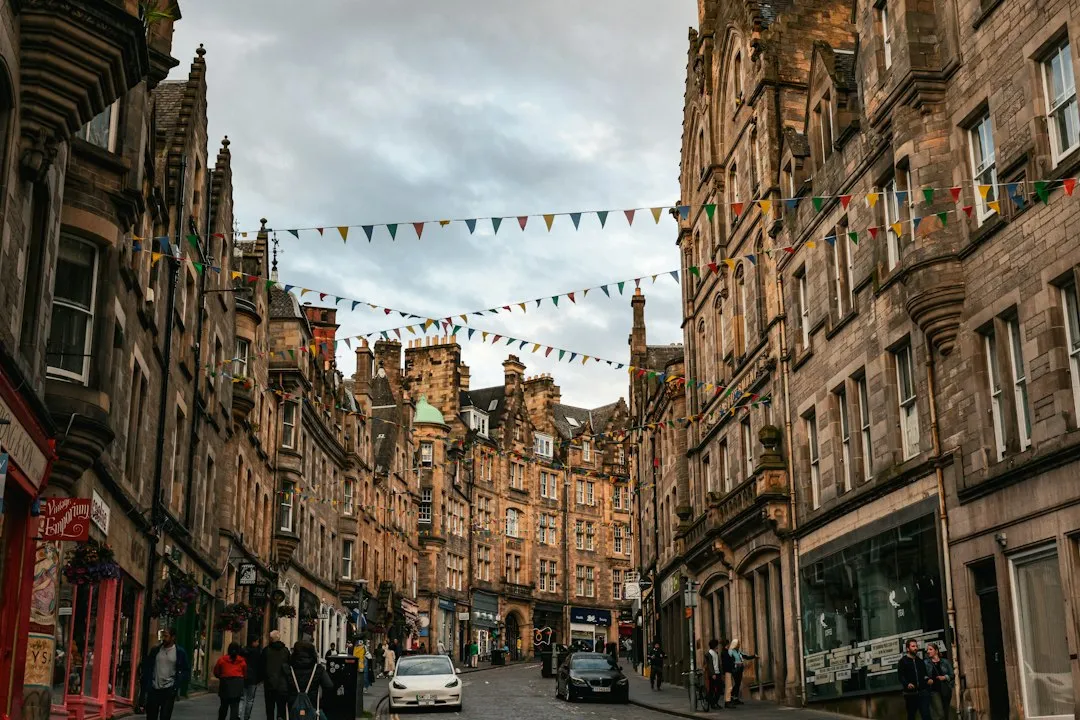
Most festivals last a weekend. The Edinburgh Fringe lasts the better part of a month, and hotel availability reflects that unusual duration in ways that stun even experienced travelers. On-the-books data shows that more than 70% of hotel inventory was already booked for most early- to mid-August dates, with August 8 hitting 81% booked – all confirmed as of late June.
In 2024, nightly occupancy regularly exceeded 95% throughout the festival, underscoring just how reliably the Fringe drives citywide sellouts. Average nightly rates in Edinburgh surge to over $800 on peak nights, with many others exceeding $600 – well above the city’s annual average and reflecting the strong demand typical of the Fringe period. For a city this size, those figures are extraordinary by any measure.
Sporting Championship Weekends and the “Secondary City” Effect

The host city of a major sporting event expects chaos. What hotel coordinators know – and what travelers consistently underestimate – is the effect on surrounding cities and smaller markets nearby. Average daily rates in Gelsenkirchen, Germany, nearly doubled during UEFA EURO 2024, despite the city’s relatively modest hotel stock. This is the secondary city effect: unexpected demand in places that aren’t even the main draw.
Properties near large festivals or conferences often experience surges in demand, with direct effects on occupancy and pricing power that outperform those in quieter markets. Events directly impact hotel pricing and revenue management by driving demand and affecting occupancy rates in ways that extend well beyond the immediate venue area. Coordinators in these smaller markets are often the first to notice inventory disappearing, frequently days before travelers even realize a game is in town.
Graduation Season: The Weekend Nobody Outside the Family Expects

Late May and early June are graduation season across North America, and the hotel impact is substantial, concentrated, and almost entirely invisible to anyone not receiving a diploma. Hotels fill up quickly near festivals, concerts, conventions, sporting events, graduations, and holiday weekends – with graduation specifically cited as one of the key triggers for rapid inventory depletion. The demand is intensely local, which makes it harder to anticipate from the outside.
Frequent travelers note that “extraordinary demand dates” such as graduation weekends are typically excluded from standard hotel guarantees and reward program protections. Successful events drive room bookings for event guests, generate substantial food and beverage revenue, and create cross-selling opportunities, with group travel associated with events producing higher average daily rates even during traditionally slower periods. Graduation weekends can quietly push a mid-sized college town into full citywide sellout territory within days of tickets being issued.
Seasonal Resort Swings: When Occupancy Goes from 30% to 95% Almost Overnight

Seasonal and resort properties operate on a completely different rhythm from city hotels, and the swing between their quietest and busiest weekends is genuinely dramatic. Occupancy at seasonal and resort properties can swing from around 30% in the off-season to 95% or higher during peak periods. That gap happens fast – sometimes over the course of a single booking week.
Urban hotels in major business hubs tend to see higher weekday occupancy, while resort and leisure properties often peak during holiday seasons and weekends. The transition weekends – the first warm weekend of spring, or the first ski weekend after snowfall – are particularly vulnerable to sudden sellouts. Event coordinators at resort properties describe these threshold moments as some of the hardest to staff for, precisely because the timing shifts slightly every year depending on weather.
SXSW and the Short-Fuse Festival Sellout in Austin
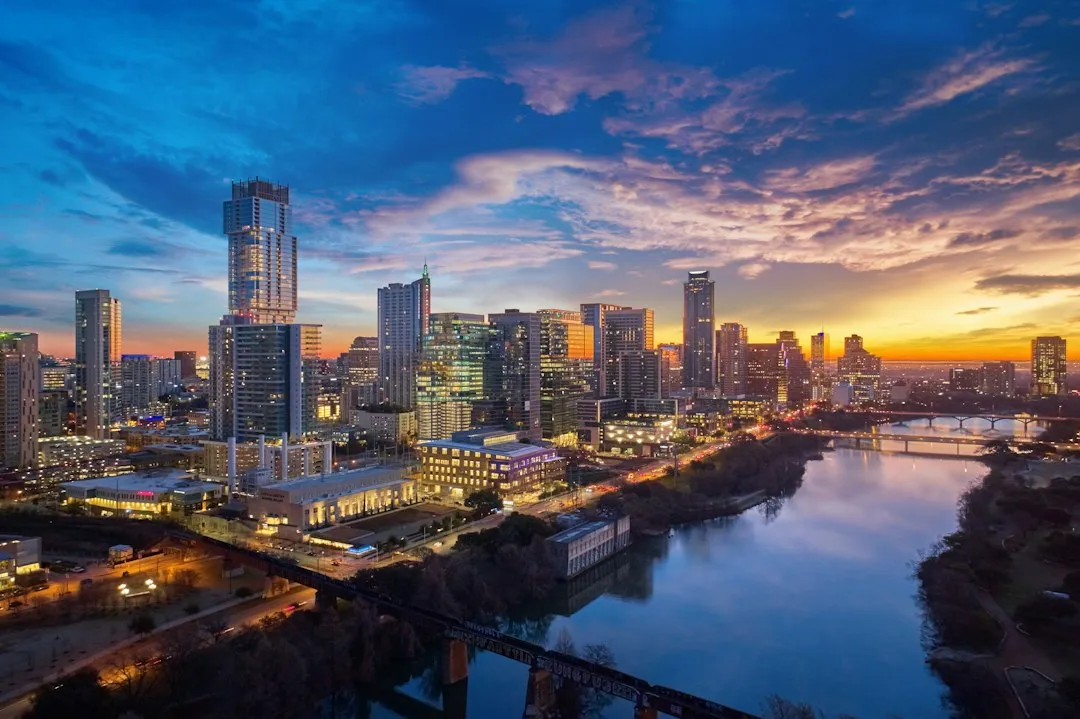
South by Southwest in Austin, Texas, is a well-known calendar fixture, but the sheer speed at which hotel rooms disappear still surprises first-time attendees. Prices peaked at around $331 on opening night of SXSW 2025, approximately 60% higher than non-festival nights in the same city. For a city with a substantial hotel stock, that kind of compression is significant.
Average nightly hotel rates during SXSW were $286 in 2024 and $316 in 2023, suggesting that pricing strategies and booking behavior in the market are actively evolving year over year. What coordinators note is that many guests assume they can book closer to the event, only to find that inventory was gone months earlier through group blocks and press credentials. The public-facing availability often disappears long after the hotel is functionally full.
Memorial Day Weekend and the Record-Breaking Travel Surge
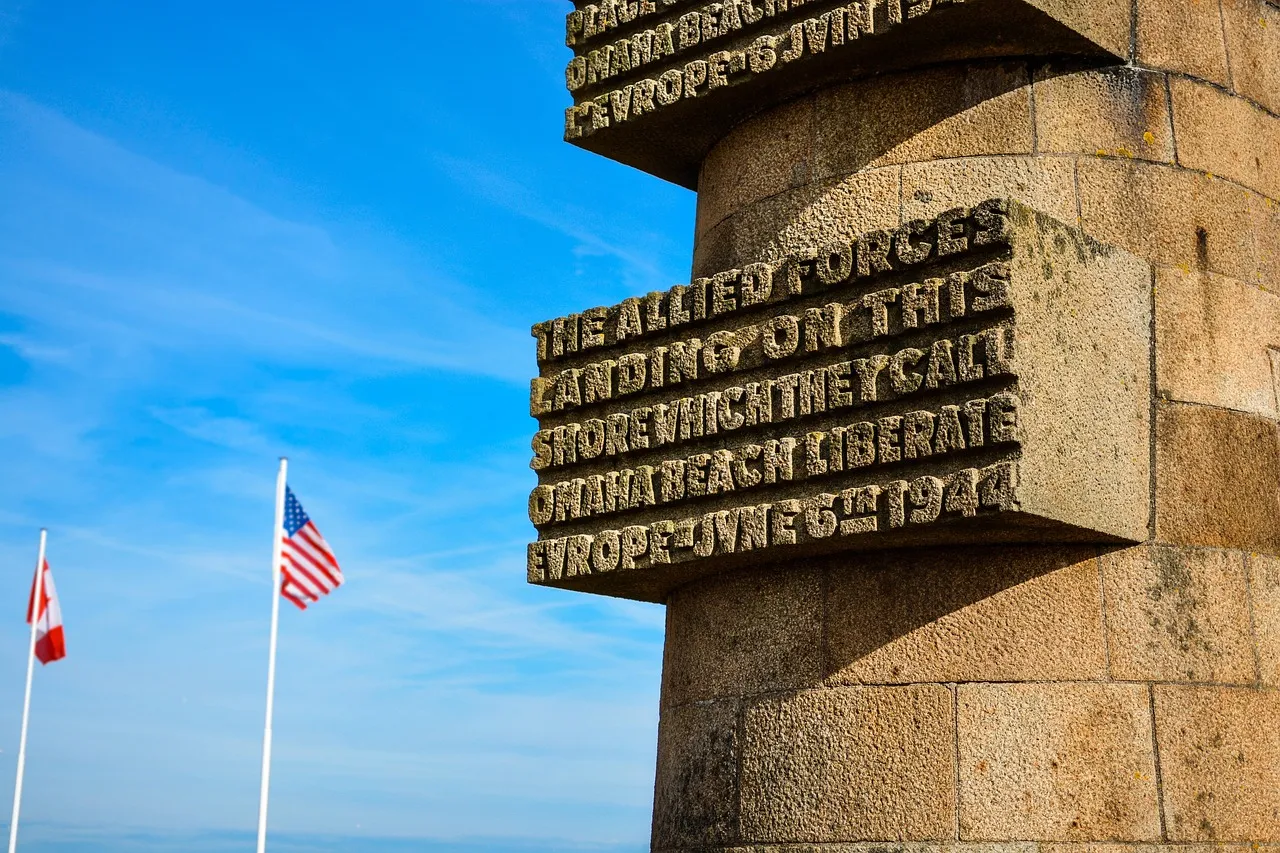
Memorial Day weekend has quietly become one of the most consistently overwhelming travel weekends in the American calendar. On the Friday of Memorial Day weekend in 2024, the TSA reported screening a record 2.9 million passengers in a single day. That kind of travel volume doesn’t stay in airports – it flows directly into hotels across every leisure market in the country.
Hotel deals during peak demand periods remain far more elusive than flight deals, partly because hotels cannot simply increase their capacity the way airlines can by adding flights or seats. Leisure and business travel have surged post-pandemic, contributing to higher demand for hotel rooms, and this increased demand coupled with a relatively static supply of hotel rooms has made overbooking more common. Memorial Day is the weekend that sets the tone for summer, and coordinators know that by the time most travelers start looking, the inventory picture is already grim.
The Booking Curve Inversion: When Waiting Costs You the Room

One pattern that hotel coordinators observe across almost every high-demand weekend is what industry analysts call the booking curve inversion. Normally, prices drop as the stay date approaches. During event weekends, the opposite happens. The difference between the final price and discounted rates reduces as the stay date approaches and inventory sells out, with prices rising steeply in the two weeks before a guest arrives.
The principle is straightforward: as the stay date approaches, the room becomes less price elastic and supply decreases as bookings accumulate. Major events invert the typical pricing curve entirely – hotels often open with high rates anticipating robust demand, and any unsold inventory may only see modest price drops very close to arrival. The travelers who book earliest almost always pay less and have more choices. By the time a weekend feels “obviously busy,” coordinators have often been watching the inventory drain for months.
What This Means for Your Next Trip

The common thread running through all of these weekends is that the warning signs exist – they’re just not always visible from a traveler’s vantage point. Events significantly shape the hospitality industry, with their influence extending well beyond the confines of the event itself, affecting hotel bookings, tourist visits, and overall performance through direct impacts on pricing and occupancy rates. Knowing which categories of events tend to compress inventory in your destination is genuinely useful trip-planning information.
In peak season, occupancy in top U.S. destinations reached approximately 68.2% in July 2025 – but that average masks the weekends where individual markets hit 95% or higher. The gap between “average occupancy” and “sold out by noon on Friday” can be a single local event that never made national news. Checking for university calendars, local festival schedules, and regional sporting fixtures before you finalize travel dates is one of the simplest ways to stay ahead of a sellout that nobody warned you about.
AI Disclaimer: This article was created with the assistance of AI tools and reviewed by a human editor.