
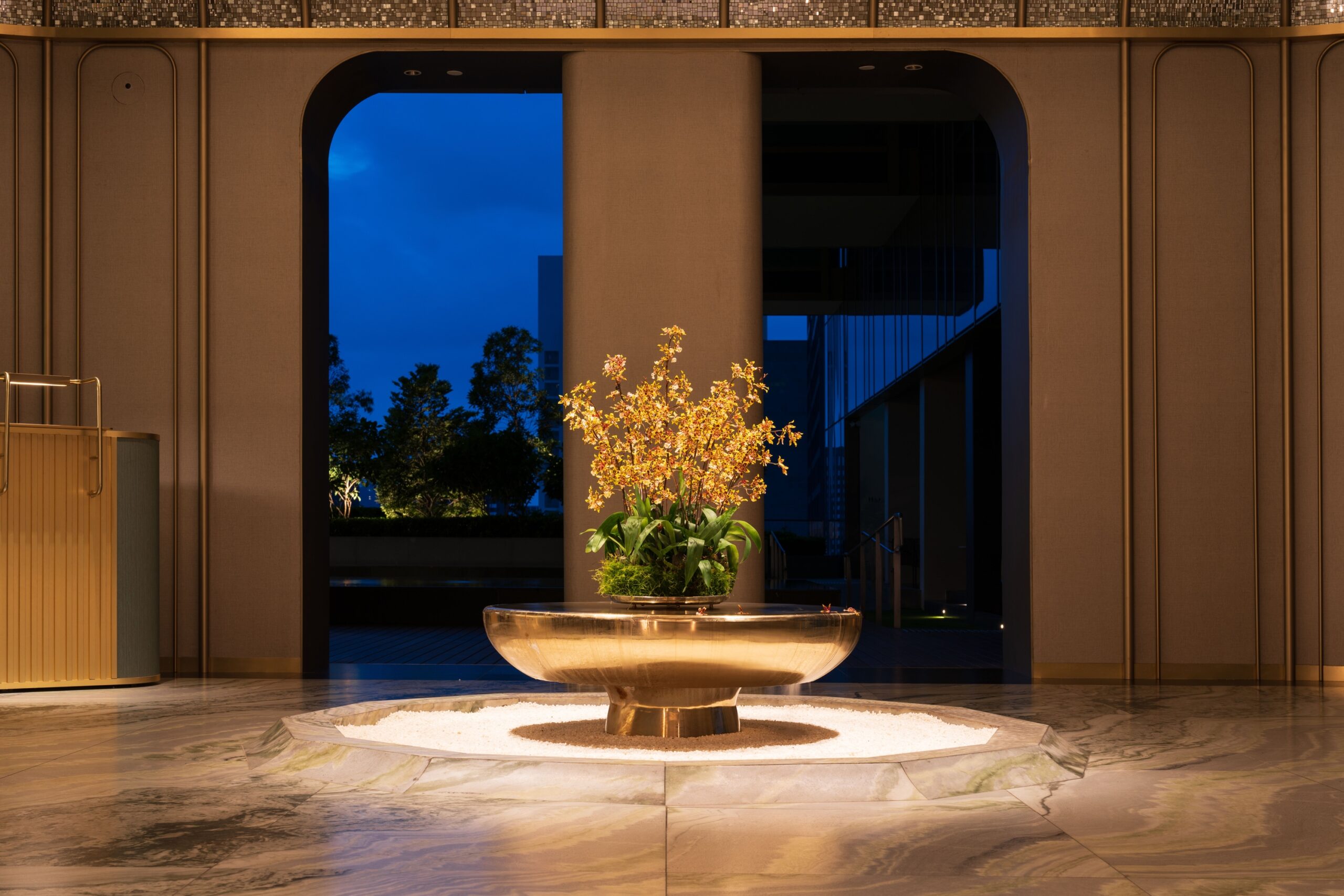

There’s a quiet ritual happening in the world’s finest hotels that most guests never think about. The towering arrangement of white peonies greeting you at check-in wasn’t there last week, and it won’t be there next week either. Someone made that decision deliberately.
It turns out, the timing of those swaps is anything but arbitrary. Hotel florists follow a careful logic shaped by biology, branding, guest psychology, and dollars-and-cents practicality. Understanding that logic reveals something interesting about how luxury hospitality actually works behind the scenes.
Fresh Flowers Have a Very Short Window of Perfection
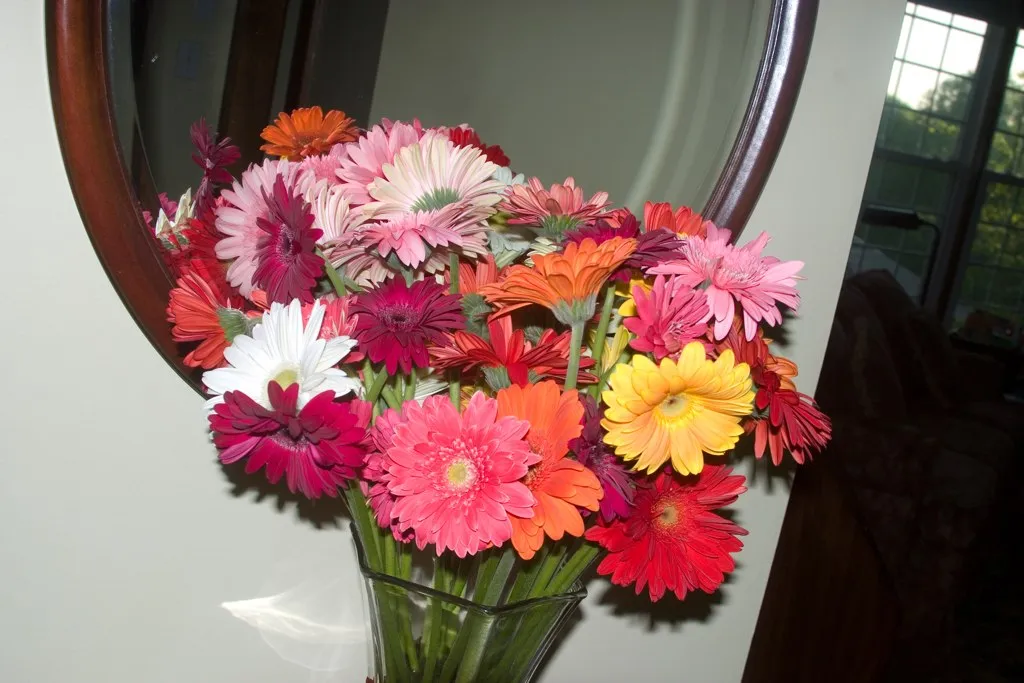
The central reason lobby flowers get replaced so frequently comes down to simple biology. A fresh arrangement is beautiful for about three days, acceptable for four, and then it quietly declines until Monday. That arc is non-negotiable, regardless of how well arrangements are conditioned or cared for.
Arrangements look their best for only a few days before decline becomes noticeable. In a hotel lobby, where hundreds of guests pass through daily, even a subtle wilt registers. The lobby flower is often the first living thing a guest encounters, and its condition speaks volumes about the property’s standards.
The Swap Schedule Is Timed Around Guest Arrivals
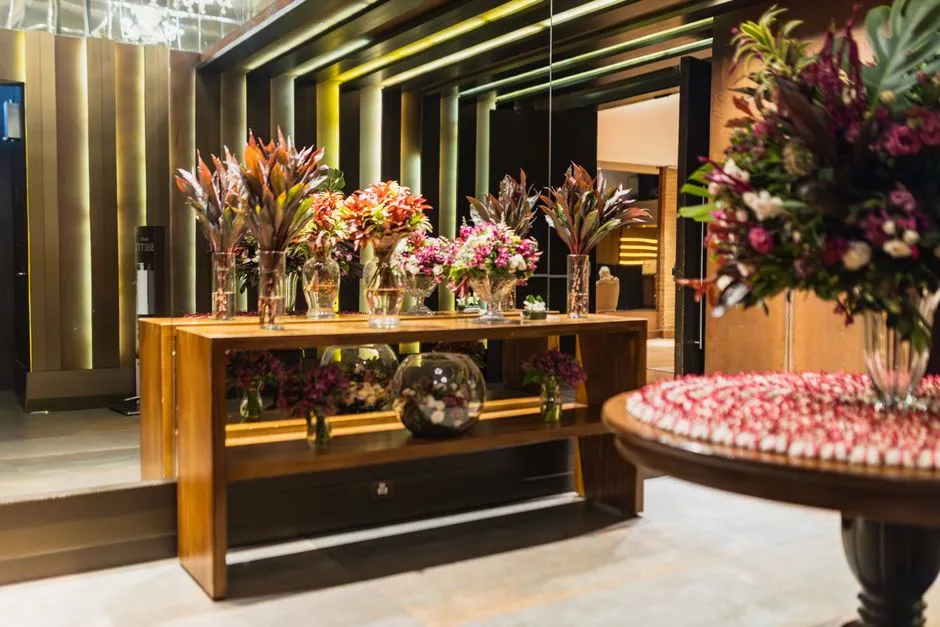
In luxury hospitality, the weekly floral refresh is one of the industry’s oldest, most intentional, and most expensive rituals, with Thursday night and Friday morning installations timed precisely before the weekend rush. This is not a coincidence. Weekend leisure guests tend to be the highest-spending segment, and properties want the lobby looking its best exactly when those guests walk in.
A fresh arrangement peaks for three to four days and declines for the remainder of the week, meaning the lobby can look magnificent on Tuesday and tired on Saturday – exactly when weekend leisure guests are arriving. Florists who work hotel accounts are acutely aware of this timing. A wilted centerpiece on a Friday evening is not a neutral event; it’s a quiet failure of hospitality.
Five-Star Properties Swap Even More Frequently Than You’d Think
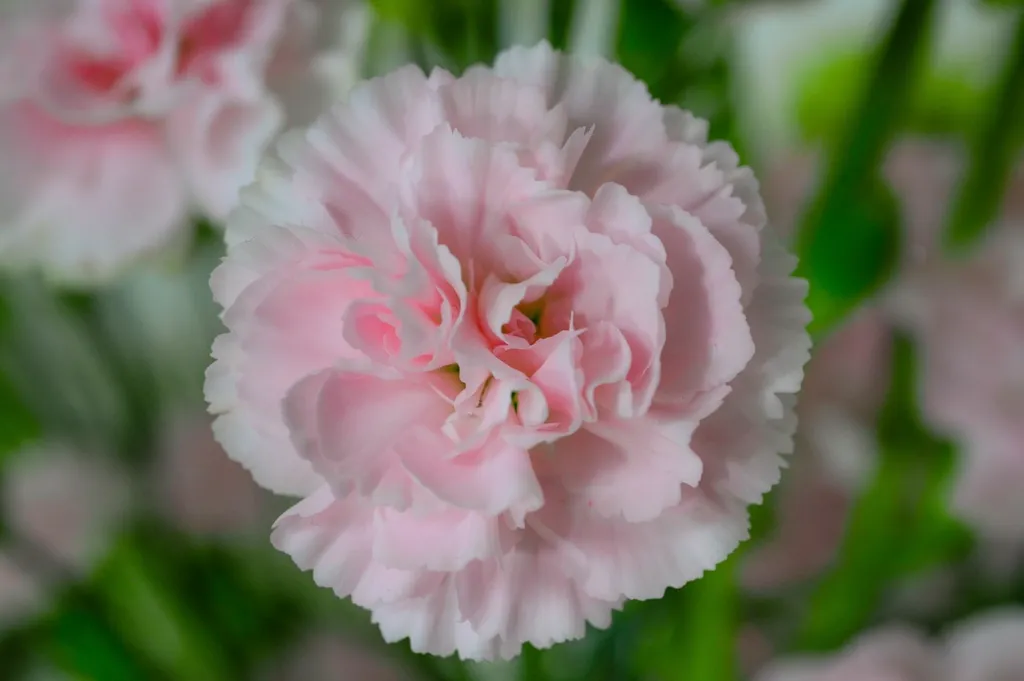
The pace of replacement varies with the tier of the property. A five-star property may have a floral refresh every single day, while a boutique hotel with a smaller team may need designs that look polished for a full week. The commitment required at the top end of the market is genuinely demanding.
Fresh flower arrangements in a five-star lobby get swapped every three to five days, which translates to somewhere between seventy and one hundred and twenty full replacements per year, per display station. For a property with multiple arrangement points in the lobby alone, that cadence requires near-constant logistics. Some properties employ a dedicated in-house floral team precisely to manage this.
The Financial Reality Is Significant
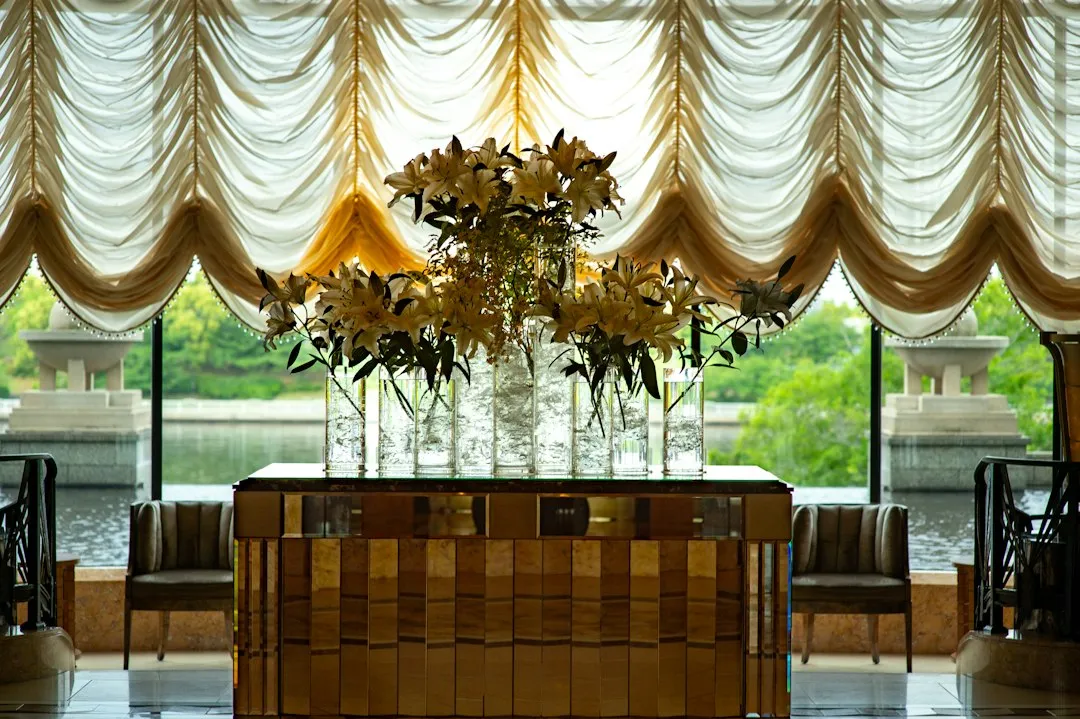
The cost behind those frequent swaps adds up faster than most guests would imagine. A quality weekly lobby arrangement in a city like New York can cost anywhere from three hundred to fifteen hundred dollars per delivery depending on scale, and multiplied across fifty-two weeks and multiple spaces, the annual floral budget for a mid-size luxury hotel can exceed one hundred thousand dollars.
Annual programs for full-service luxury and grand hotels in Manhattan typically run between seventy-eight thousand and four hundred and sixteen thousand dollars, depending on the hotel’s scale. For a property with just four lobby arrangement points, the annual flower cost alone can reach between forty thousand and eighty thousand dollars, before labor is even factored in. These are not trivial line items, which is why the decision to swap frequently is always weighed against the cost of looking less than perfect.
Hidden Labor Costs Drive the Full Picture
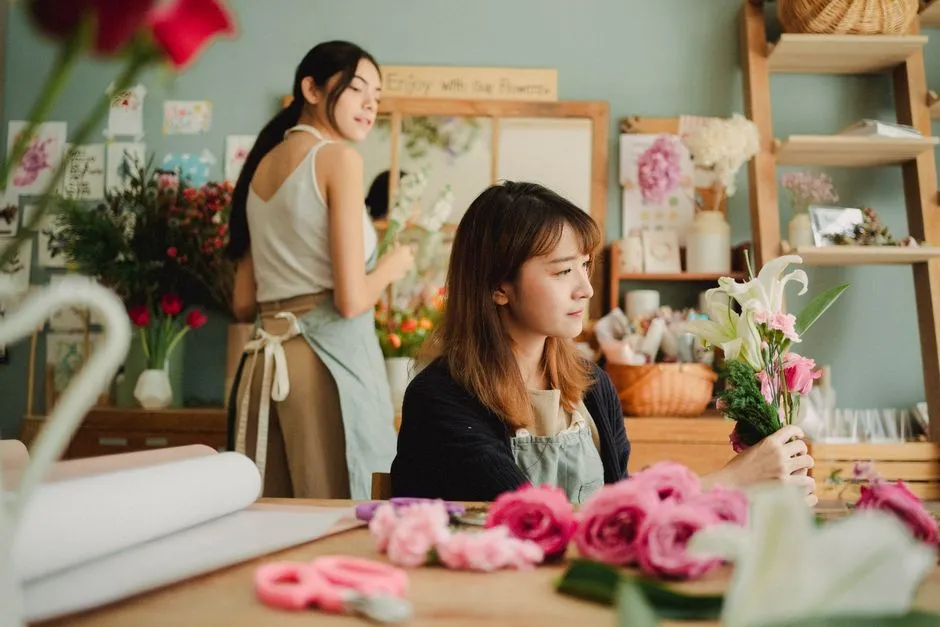
Staff time spent coordinating deliveries, resets, and disposal adds up silently alongside the purchase price of the blooms themselves. This is the cost that rarely appears on a floral invoice but shows up in operational budgets. Someone has to receive the delivery, remove the old arrangement, clean the vessels, place the new installation, and dispose of the previous blooms responsibly.
A dedicated hotel florist service typically includes a fixed installation day, premium vessels, on-site placement, and removal of the previous arrangement. The front office or housekeeping team handles ongoing floral needs, including weekly lobby arrangements, and these are scheduled, recurring orders that need to arrive fresh, on time, and perfectly arranged to match the hotel’s aesthetic. The choreography involved is more complex than it looks from the lobby sofa.
Flowers Actually Influence How Guests Feel
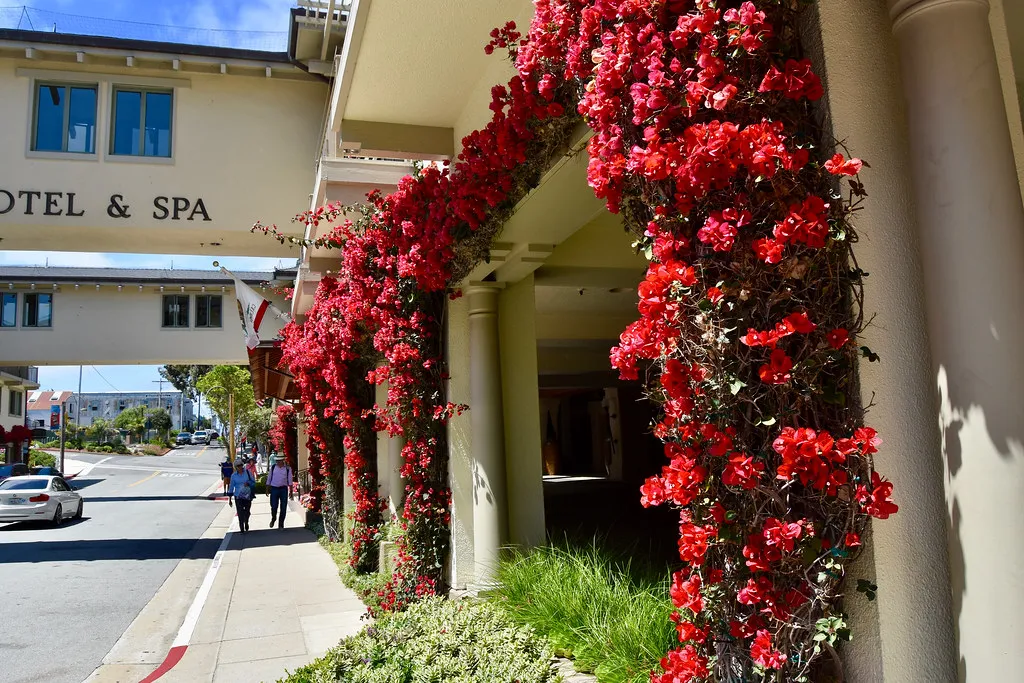
Hotels don’t invest this heavily in floral programs purely out of aesthetic vanity. There is a genuine psychological rationale. Research in environmental psychology shows that exposure to natural elements like flowers can reduce stress levels and promote a sense of calm, which translates into guests who feel more welcome, comfortable, and likely to return.
When a guest walks into a space adorned with thoughtfully placed flowers, they subconsciously register that attention has been paid to their comfort, with research indicating that natural elements like flowers and fresh scents are key cues that enhance guest perception of cleanliness and overall satisfaction – and this psychological impact can influence everything from online reviews to repeat bookings. That’s a meaningful return on a flower budget.
Color Choice Is a Deliberate Mood Strategy
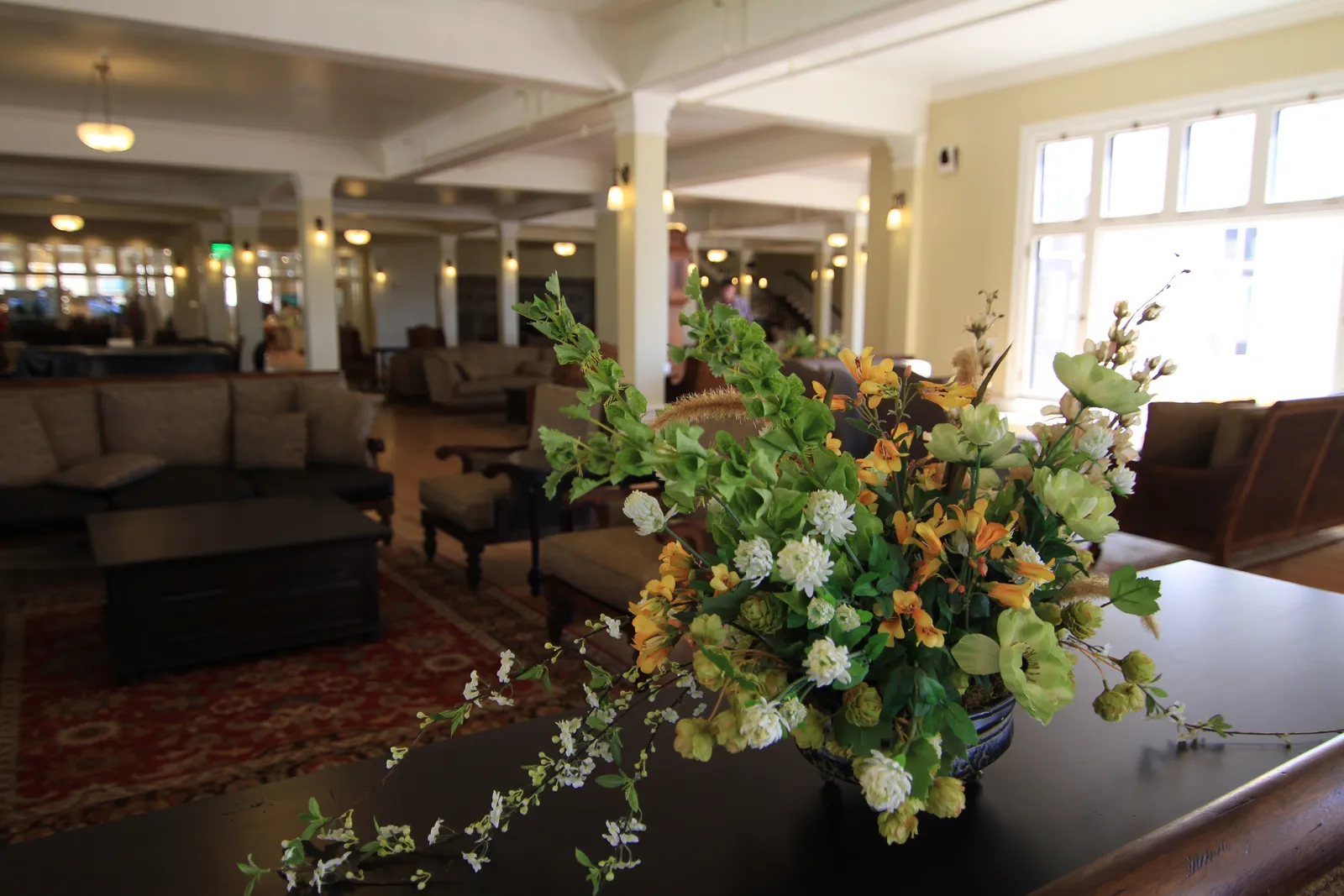
Which flowers appear in the lobby at any given time is rarely left to the florist’s personal taste alone. The color psychology of flowers plays a crucial role, with warm colors like reds and oranges in restaurant areas stimulating appetite, while cool blues and whites in lobbies promote calm and sophistication – hotel managers who understand these principles can literally influence their guests’ moods and behaviors through strategic floral choices.
Color psychology plays a vital role in hotel floral decoration, with calming whites, creams, and greens suiting wellness resorts where tranquillity is the priority, and by aligning floral choices with the mood the hotel wants to convey, rooms and public spaces become extensions of brand identity and guest experience. This is why the same hotel might shift from white lilies in the winter months to deep tropical blooms in summer, even when the lobby itself hasn’t changed at all.
Scent Management Is Just as Important as Visual Appeal
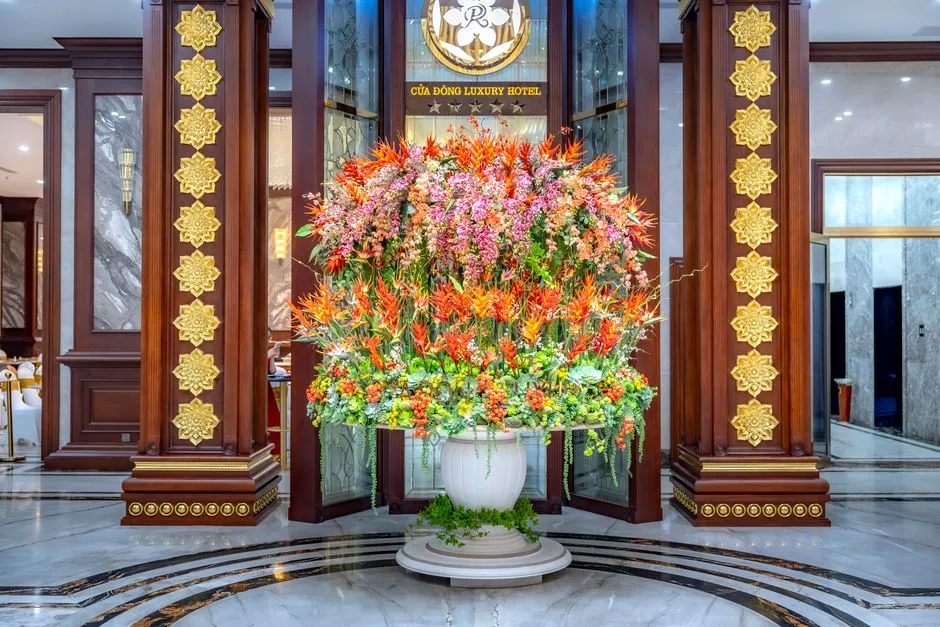
Fragrance in a lobby is a double-edged consideration. Fragrance deserves just as much attention as color, because strongly scented flowers can feel luxurious in a small dose, but a packed lobby may include guests with allergies, sensitivities, or simply different preferences – for this reason, many hotels choose flowers with little to no scent for their main displays and reserve fragrant blooms for smaller, well-ventilated spaces.
Getting the scent balance wrong can undo everything the visual arrangement achieves. A lobby that smells overpowering is just as uncomfortable as one that smells stale. This consideration also influences how quickly arrangements are replaced, since flowers that are past their peak can produce unpleasant odors in a warm, high-traffic environment before visible wilting even becomes obvious.
Iconic Properties Treat Floral Programs as a Core Brand Statement
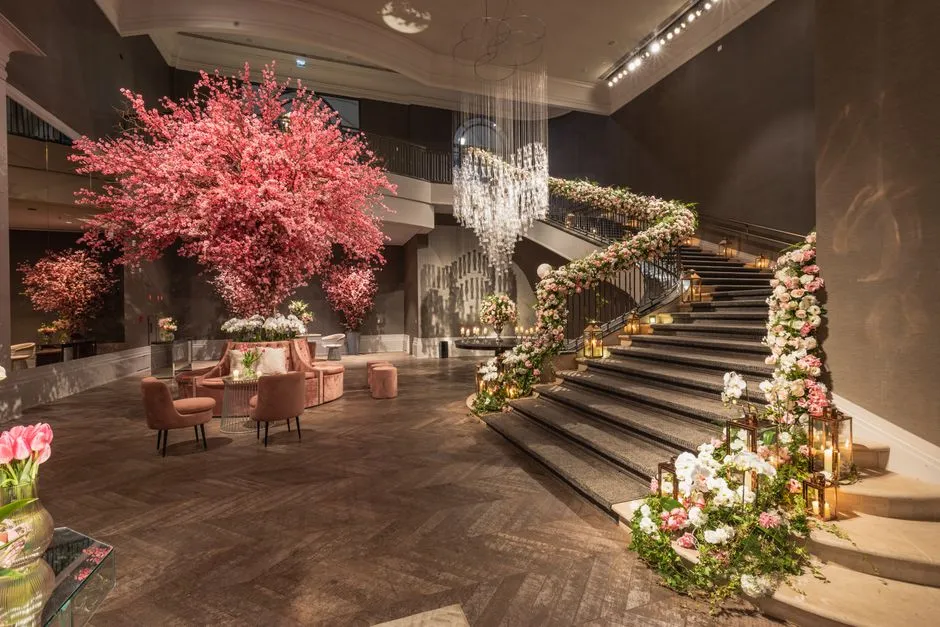
The Four Seasons George V in Paris reportedly spends millions annually on florals alone, and most five-star properties carry a meaningful line item for flowers while retaining a dedicated floral artist or even a full team. At that level, flowers aren’t decoration, they’re architecture.
Jeff Leatham has been Artistic Director at the Four Seasons George V long enough to turn it into what people refer to simply as the Flower Hotel, one of the most recognizable floral programs in the world, with installations changing every three weeks and timed to the return of recurring guests. Properties like the Ritz-Carlton are known for opulent lobby arrangements refreshed daily to maintain perfection, while Four Seasons emphasizes seasonal and local blooms with bold statements in public areas. These aren’t just operational details – they’re part of what defines each property’s character.
The Industry Is Rethinking the Weekly Fresh Model
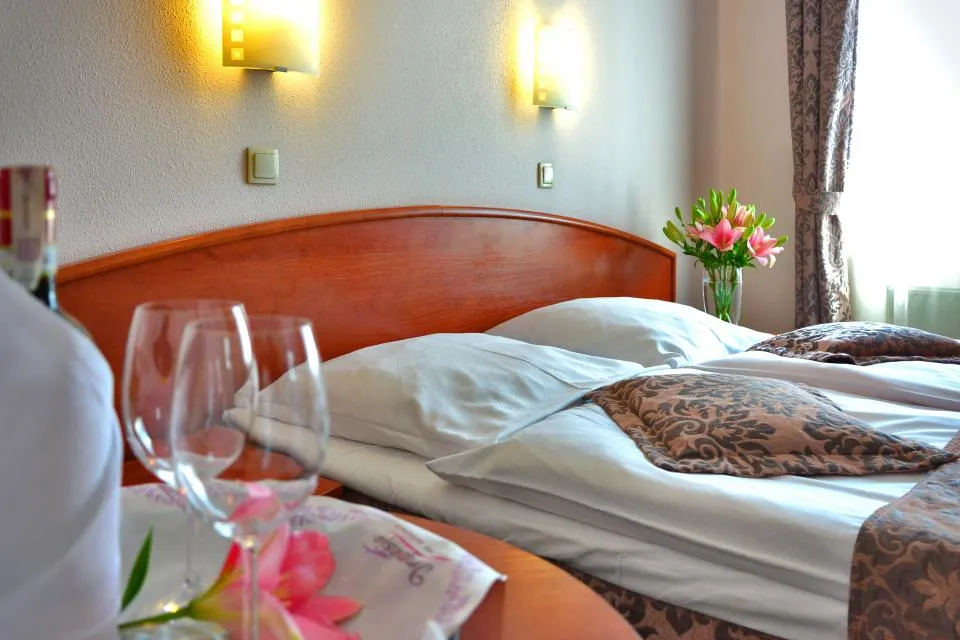
The costs and logistics of constant fresh-flower replacement have pushed the hospitality industry to explore alternatives in recent years. The weekly replacement habit means flowers are replaced on schedule rather than performance, which inflates annual spend quickly. Flowers are often removed while still usable, creating unnecessary waste.
Smart hotel operators are turning to a hybrid model: permanent artificial foliage as the structural base, with a single fresh accent element like a vase of real orchids rotated weekly, which can cut arrangement costs by seventy to eighty percent while preserving the impression of freshness for guests. Unlike fresh blooms dependent on seasons, preserved and alternative flowers grant luxury hotel florists an endless palette year-round, allowing hotels to maintain their floral design and ensure they remain visually current regardless of supply constraints. The conversation is shifting from “how often should we replace” to “what actually serves the guest best.”
The Takeaway
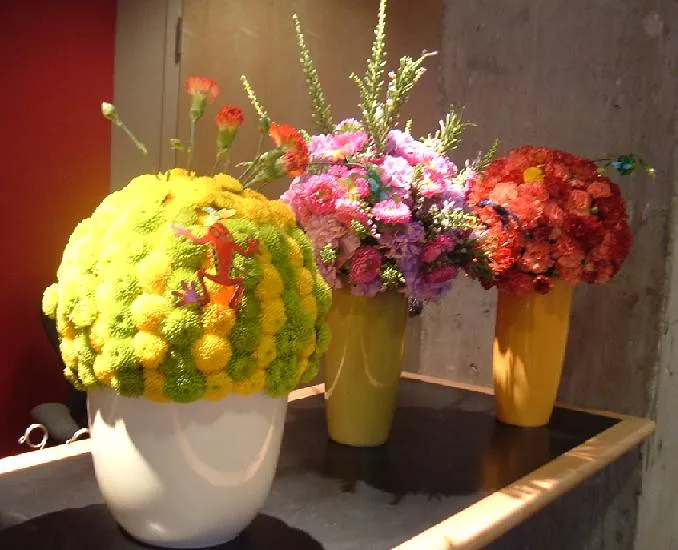
Those lobby flowers that greet you at check-in represent far more than a decorative touch. They are a carefully timed, logistically demanding, and psychologically informed operational decision made fresh every few days. The swap happens because perfection has an expiry date, and in hospitality, that date arrives quickly.
What’s quietly impressive is how rarely guests notice the effort – which is, of course, the whole point. A lobby that always feels alive and cared for is the result of work that’s designed to be invisible. The flowers are simply how that care announces itself without saying a word.
AI Disclaimer: This article was created with the assistance of AI tools and reviewed by a human editor.