

The Detection: Sensors Are Watching Before Staff Even Knows

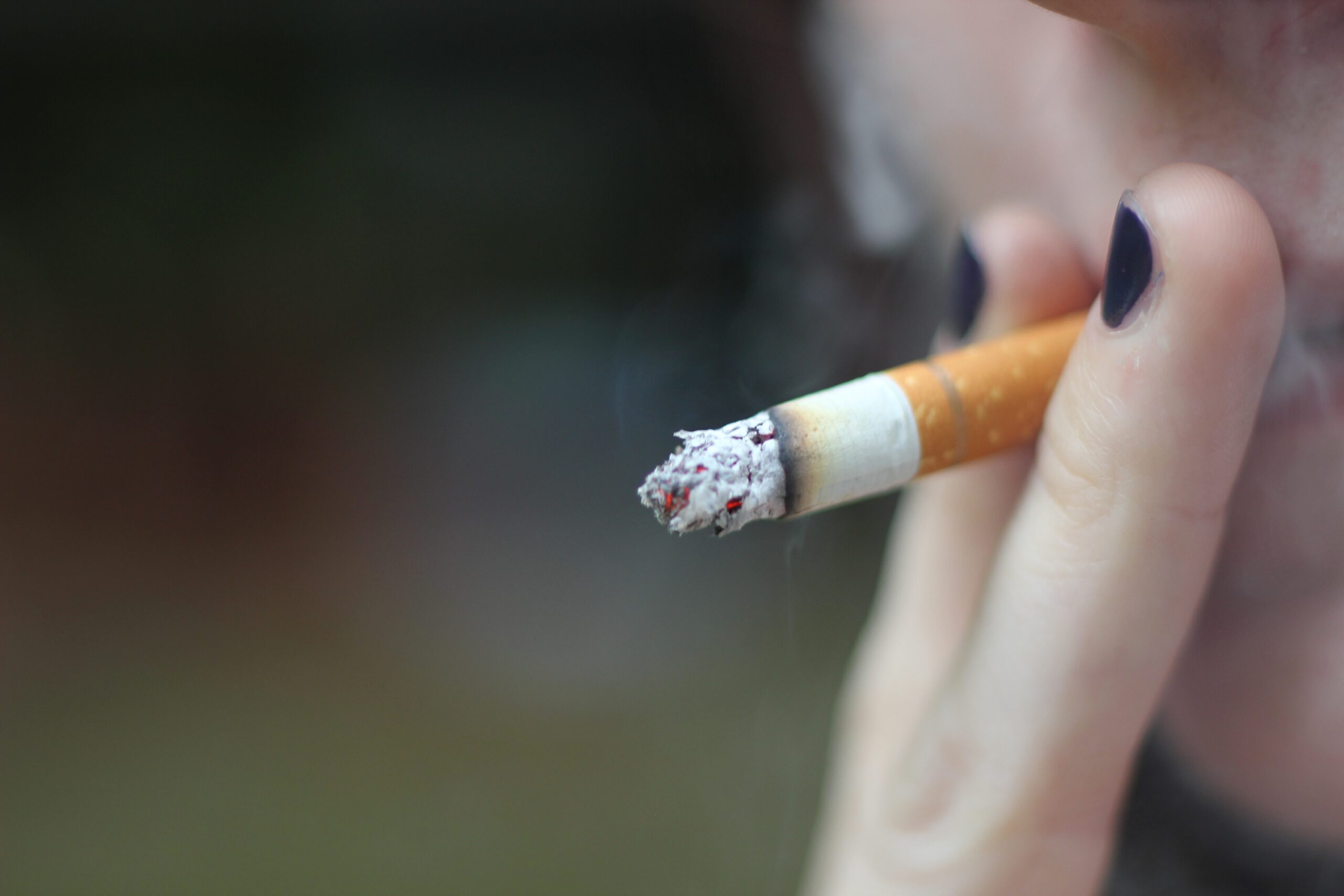
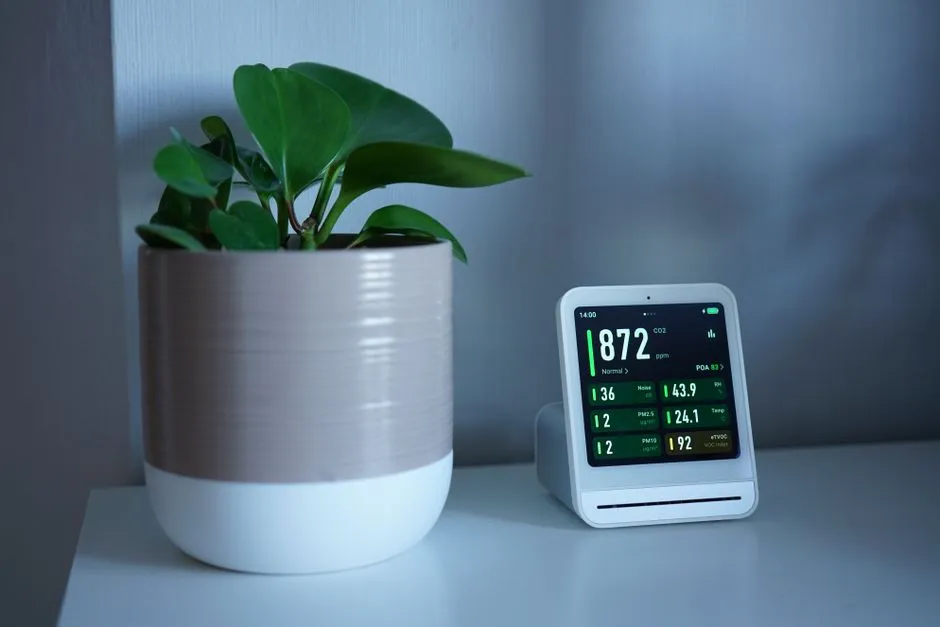
Hotels have upgraded well beyond a housekeeper’s nose. Many properties now equip every room with a device that detects tobacco, vape, e-cigarette, or marijuana smoke. These air quality monitoring systems log a reading and can alert management in real time, often before the guest has even finished.
Many hotels are now using in-room sensors to detect smoking or vaping in nonsmoking rooms, and when triggered, guests are charged cleaning fees of $250 to more than $560. The front desk typically receives that alert on a dashboard or mobile device, which means staff may already know what happened before you check out.
The Charge: Fees That Have Grown Significantly
Most US hotels charge a smoking fee between $250 and $500 per violation in 2025 and 2026, with the exact amount depending on the property tier and the cleaning required. At premium and resort properties, those numbers climb sharply.
At Four Seasons Las Vegas, the cleaning fee can run up to $1,500. Trump International takes it equally seriously, with smoking in a room costing $1,000 plus tax. These aren’t negotiating positions. They are posted policy, and the charge lands on the card on file at checkout, sometimes without any direct conversation.
The Real Cost to the Hotel: Far Beyond the Fine

While many hotels enforce smoking fines ranging from $250 to $500, the actual expense is significantly higher. According to the American Hotel and Lodging Association, cleaning up after a guest smokes in a nonsmoking room can cost anywhere from $600 to $1,500, depending on the level of contamination. In some cases, items like carpets, drapes, and mattresses may need to be replaced entirely.
A hotel charges the guest $250 to $500, but recovering the room costs more once you add the deep clean, the nights it sits offline, any soft goods that have to go, and the disputed fees that never get collected. For a 150-room hotel, that gap can run past $40,000 a year. The fine, in other words, rarely covers the damage it was meant to offset.
The Room Goes Offline: Lost Revenue Piles Up Fast

Smoke and vapor residue work their way into carpet, drapes, bedding, and upholstery, so an affected room often needs deep cleaning, ozone treatment, and replacement linens before it can be sold again. Industry data from Rest shows that deep cleaning after a smoking incident takes one to two days. The lost revenue is straightforward to calculate. A $200-a-night room that spends two busy nights offline costs the hotel $400 before anyone counts labor or supplies.
Room availability suffers meaningfully during this process. A smoked-in room typically requires 24 to 72 hours of downtime, depending on airflow and cleaning procedures. That is inventory a hotel cannot sell, refill, or recover.
The Cleaning Process: Ozone, Deep Scrubs, and Replacements

Ozone gas has gained recognition as an effective method for eliminating smoke odors in hotel rooms. By breaking down odor-causing compounds, ozone treatment can significantly improve air quality and create a more pleasant environment for the next guest. The room is sealed during treatment and cannot be occupied.
According to ServPro, the cost of professional smoke odor removal treatment can range from $200 to $1,000 or more per room, depending on severity and materials affected. When deep cleaning isn’t enough, hotels are often forced to replace carpeting, curtains, or even furniture, which can add another $500 to $2,500 or more per room. A single incident can quietly turn into a full room refresh.
Vaping Treated the Same as Smoking
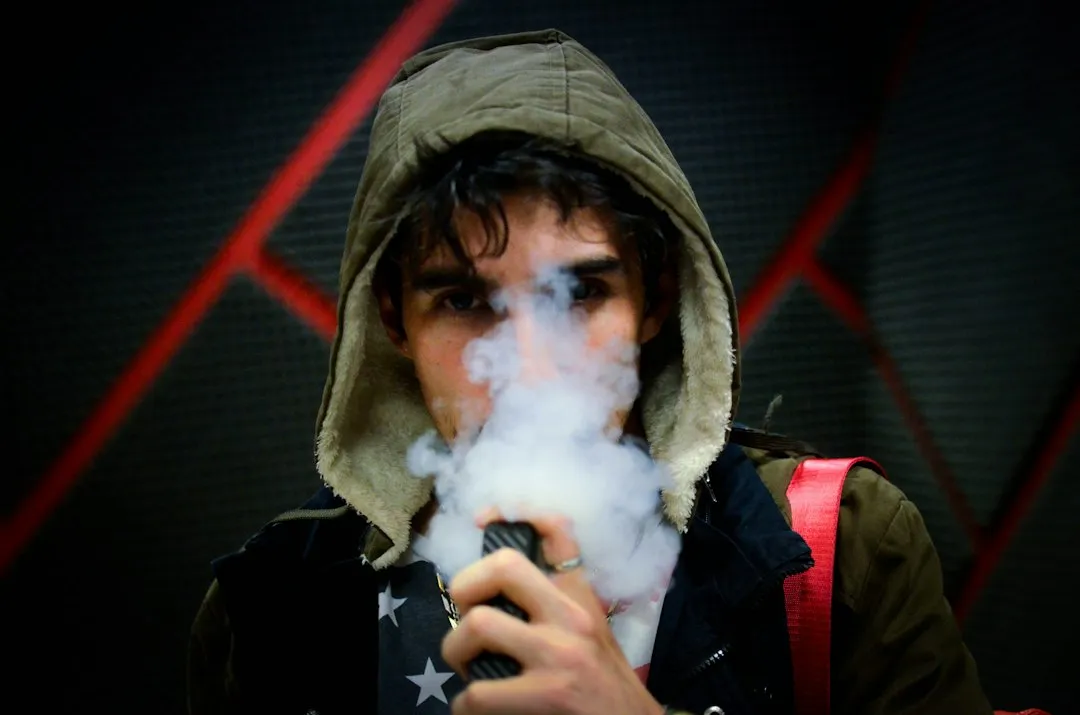
Most major-brand nonsmoking policies treat vaping the same as smoking, and brands like Marriott, Hilton, and Hyatt all apply the fee to e-cigarette use. The challenge is detection: vapor disperses quickly and leaves little residue, so violations often go unnoticed and unbilled unless the room is actively monitored.
This is a point many guests genuinely don’t anticipate. The assumption that an e-cigarette is somehow different in the eyes of hotel policy is a common and costly mistake. This is the violation that costs the most, and most US hotels charge a smoking fee between $250 and $500 per incident in 2025 and 2026, with brands like Marriott, Hilton, and Hyatt applying the fee to vaping too.
When the Sensor Gets It Wrong: False Charges Do Happen
Last summer, Darus and Amanda Turner celebrated their wedding anniversary at the Venetian Resort in Las Vegas. The Turners, who never smoke or vape, were stunned to find a $566.90 “smoking fee” on their statement. They had done nothing wrong, but the sensor disagreed.
Hotel air quality sensors have falsely charged nonsmokers fees between $396 and $566 after detecting things like hairspray or steam. In the Turner case, the hotel’s manager refused to remove the charge and told the couple the sensors were “100% accurate.” Their bank ultimately refunded the amount after a dispute, but not every guest gets that resolution quickly.
How Front Desk Teams Handle a Confirmed Violation During a Stay
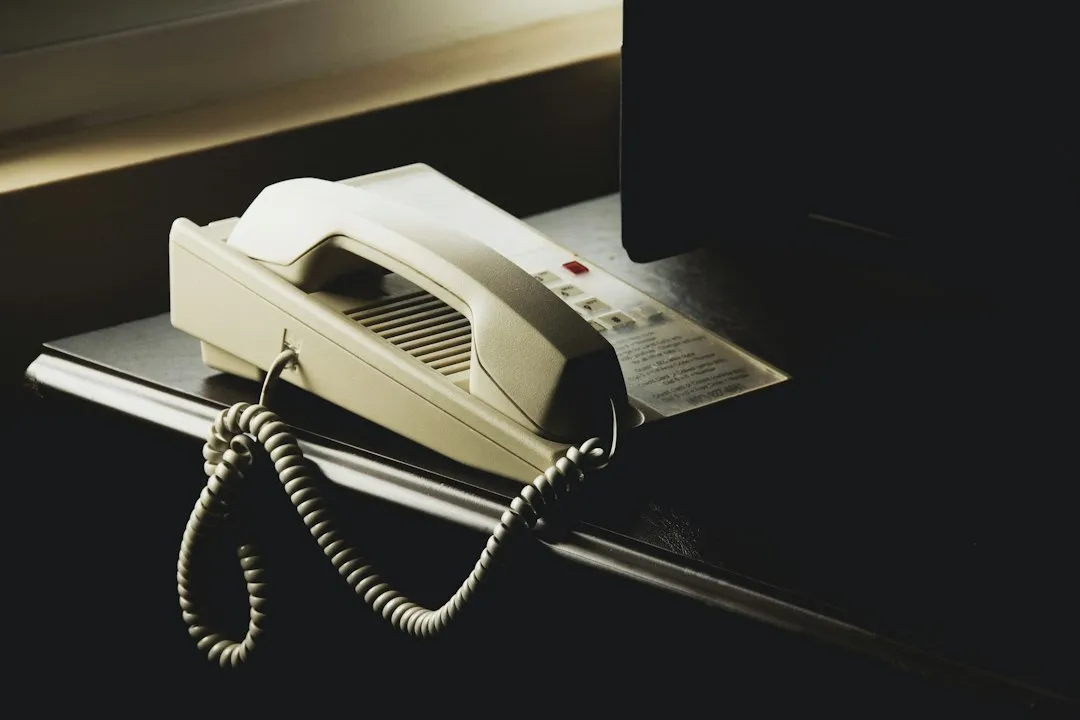
Most of the costs and complications depend on when the hotel finds out. When staff learn about an incident during the stay, they can review what happened and act faster to enforce the hotel’s policy, including collecting a fee that covers the cost of restoring the room. Acting during the stay is significantly better for the property than discovering the problem after checkout.
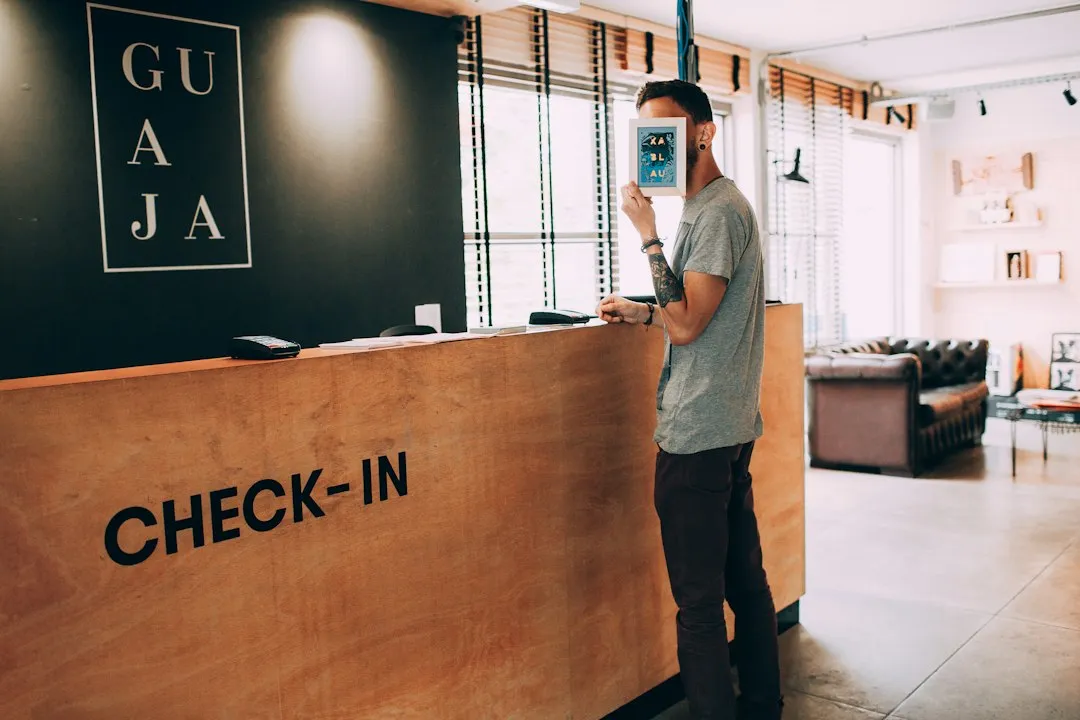
When a violation is confirmed mid-stay, the front desk will typically contact the guest directly, document the incident in writing, and in some cases offer or require a room move. Hotels do reserve the right to remove guests who violate property rules, though eviction is generally treated as a last resort after a formal warning. The goal from a hospitality standpoint is usually resolution without escalation.
Guest Reputation and Review Impact Are Real

Guests who check in after a smoker and detect lingering odors are more likely to leave negative reviews. That reputational cost sits on top of all the cleaning and lost room revenue, and it’s not easily quantified on a spreadsheet. A single bad night for the next guest can ripple outward on platforms like TripAdvisor, Google, and Booking.com for months.
At one Las Vegas casino hotel, mentions of smoke smell peaked at roughly twelve percent of negative reviews, dropping to just four percent after the hotel added air quality sensors. The connection between detected violations and online reputation is direct and measurable for properties that track it carefully.
What to Do If You’re Wrongly Charged

If you’re concerned about a potential dispute, start at check-in. Make sure your room doesn’t already smell like smoke. If it does, notify the front desk immediately and ask for a different room or have it documented in writing. Taking photos or video during check-in and checkout can provide evidence if you later need to dispute a charge.
Guests tend to win disputes when the hotel cannot prove the violation, because a smell test alone doesn’t hold up. Consumers’ Checkbook documented multiple cases of nonsmoking guests being charged between $300 and $566 based only on sensor alerts, with hair products and aerosol sprays suspected as triggers. A credit card chargeback is worth considering if the hotel won’t engage. At least one guest successfully reversed a $500 fee this way.
The Takeaway
What looks like a simple policy violation from a guest’s perspective is, from the hotel’s side, a cascade of costs, logistics, and lost inventory that the posted fee rarely comes close to covering. The front desk isn’t looking to punish anyone. They’re managing a room that may be unavailable for days, a cleaning bill that could exceed $1,500, and a potential negative review from whoever checks in next.
If you’re a nonsmoker, documentation at check-in is genuinely worth the two minutes it takes. If you do smoke, understanding what a violation actually sets in motion makes the designated outdoor area a much more reasonable option. The economics of a smoked nonsmoking room are clearer than most guests realize, and they’re worth knowing before you ever unpack your bag.
AI Disclaimer: This article was created with the assistance of AI tools and reviewed by a human editor.