
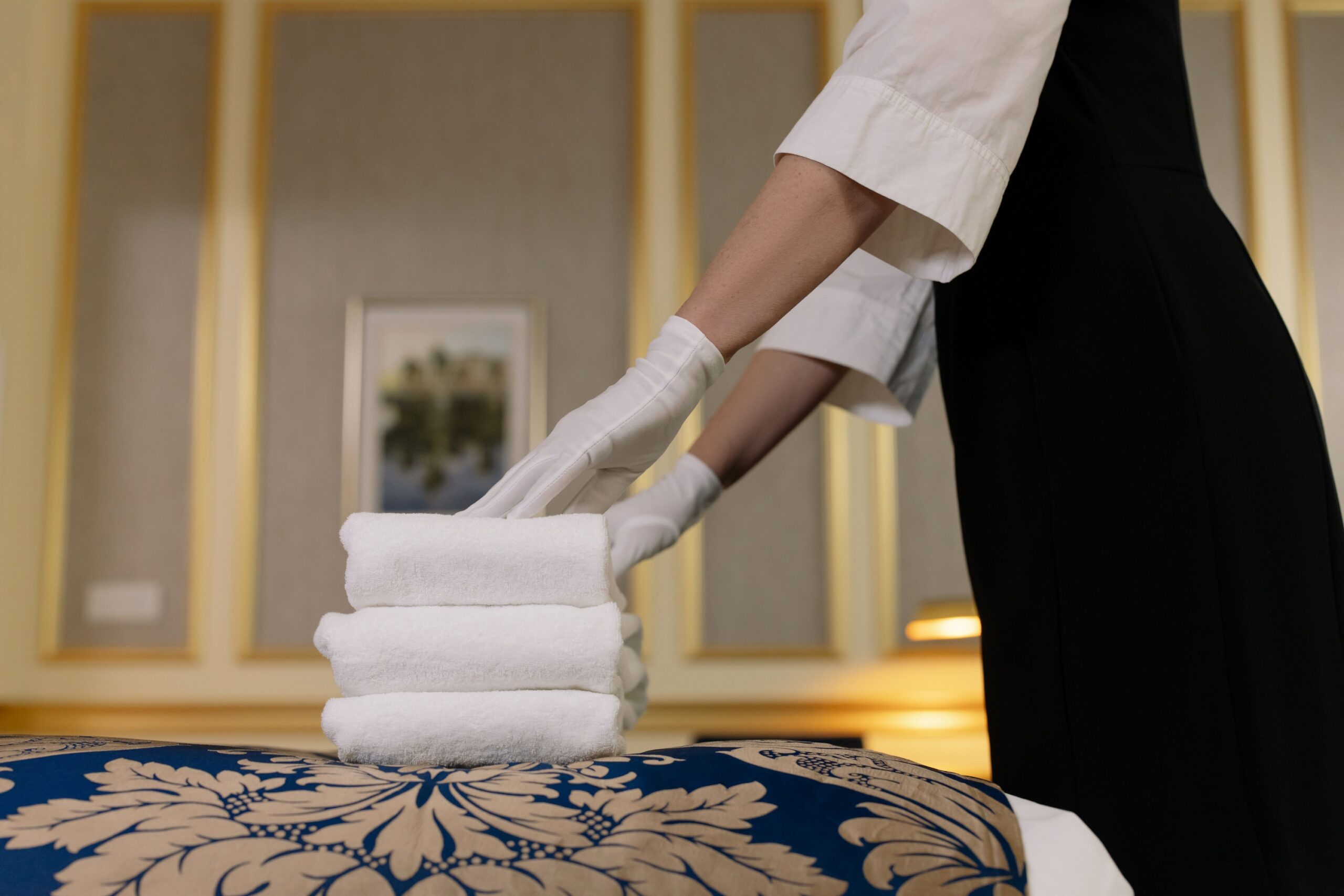

Most travelers slide into a freshly made hotel bed without giving much thought to what actually got washed before they arrived. The crisp white sheets feel clean, but the comforter, the decorative throw, and the pillow resting at the foot of the bed tell a more complicated story. Housekeeping teams work to tight turnaround windows, and not every item on that bed receives equal attention.
What gets laundered after every single checkout, what follows a weekly schedule, and what only sees the wash cycle a few times a year? The gap between hotel policy and hotel practice can be surprisingly wide.
Sheets and Pillowcases: The Non-Negotiables

Most reputable hotels change and wash sheets between each guest stay. This is standard practice in the hospitality industry and is typically required by hotel hygiene protocols. There’s very little ambiguity here at the major chain level.
At any branded chain or AAA-rated property, the fitted sheet, flat sheet, and pillowcases are stripped and replaced between every checkout. This is a non-negotiable industry standard backed by the American Hotel and Lodging Association cleaning protocols. Independent budget motels are the only category where compliance varies.
Every major hotel chain – Marriott, Hilton, Hyatt, IHG – follows the same rule. Sheets, pillowcases, duvet covers, and mattress pads are all stripped and washed the moment a guest leaves.
Towels: Changed Between Guests, But Not Always During a Stay
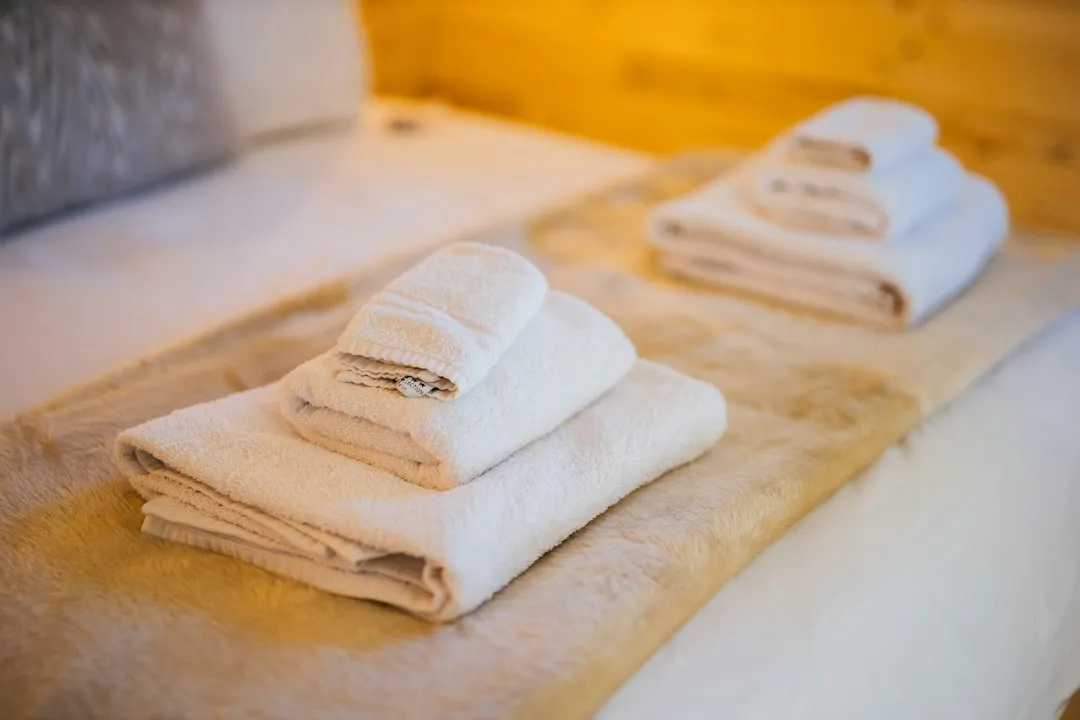
The standard operating procedure is for towels and sheets to be changed between every guest, according to the American Hotel and Lodging Association. Towels are also swapped out every day at some, but not all, properties.
Many hotels replace towels daily because it aligns with guest expectations and simplifies housekeeping routines. However, many hotels also now use a towel reuse policy where towels are replaced when left on the floor and reused when hung up, with signage that clearly explains the process.
This reuse system has become genuinely widespread, especially in mid-range and eco-conscious properties. It reduces water and energy consumption without compromising hygiene between different guests.
Duvet Covers vs. the Duvet Itself: A Critical Distinction
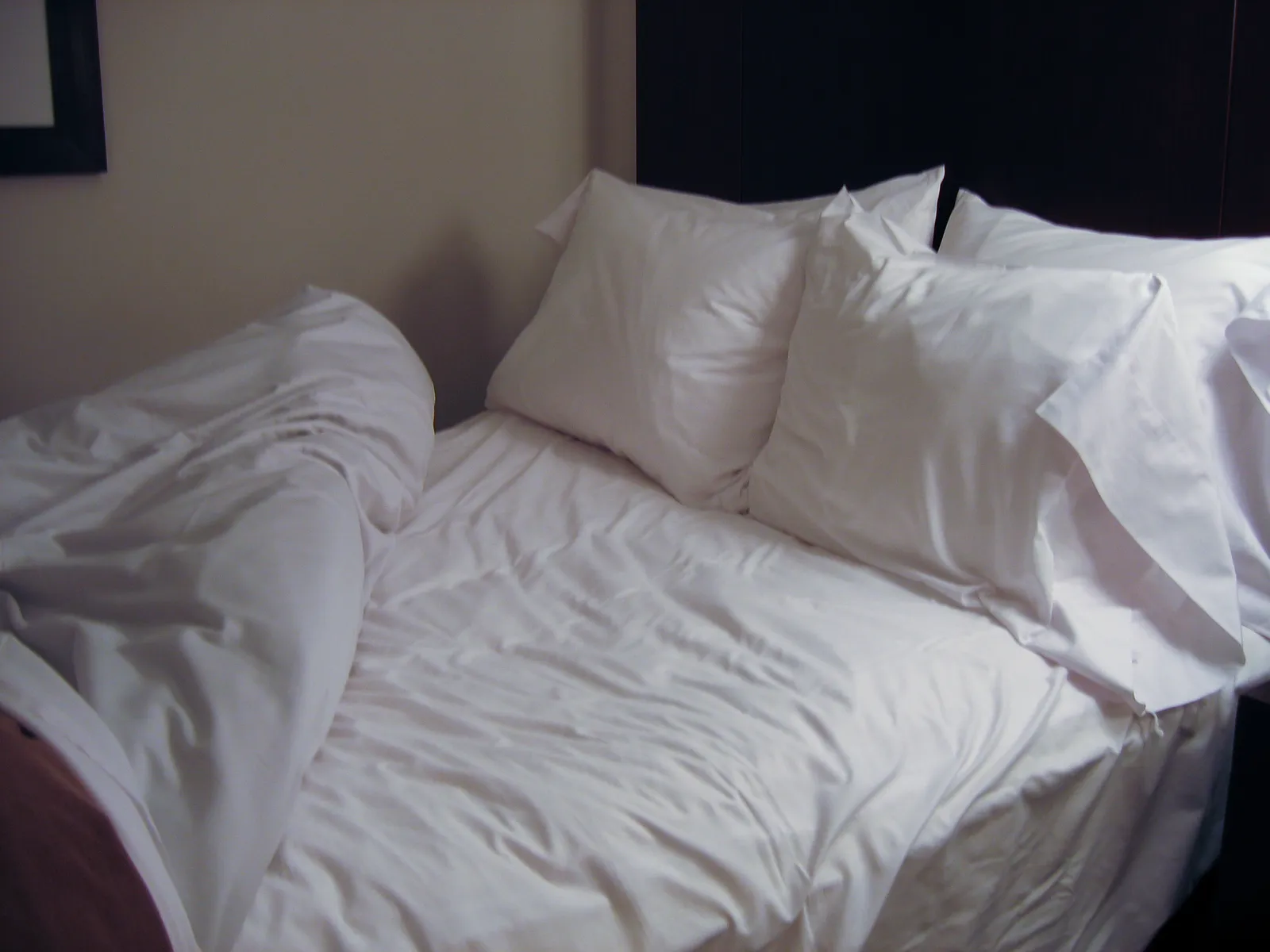
Do hotels actually wash the comforter or duvet between guests? Honestly, no – not the bulky comforter itself. The industry workaround is triple-sheeting: a top sheet covers the comforter so guest skin never touches it, and that top sheet is laundered every turn.
Unlike sheets, comforters and bedspreads are not always washed between every guest. Many hotels use duvet covers or triple-sheeting methods where the top layers that contact guests are changed regularly. Higher-end hotels typically have more frequent comforter cleaning schedules than budget properties.
The logic here is practical rather than lazy. Bulky comforters require commercial-scale equipment to launder properly, and while duvet inserts can be washed and will withstand multiple wash cycles, they are definitely not suited for daily washing the way sheets, pillowcases, and towels are.
Comforters and Bedspreads: Washed Far Less Often Than You Think
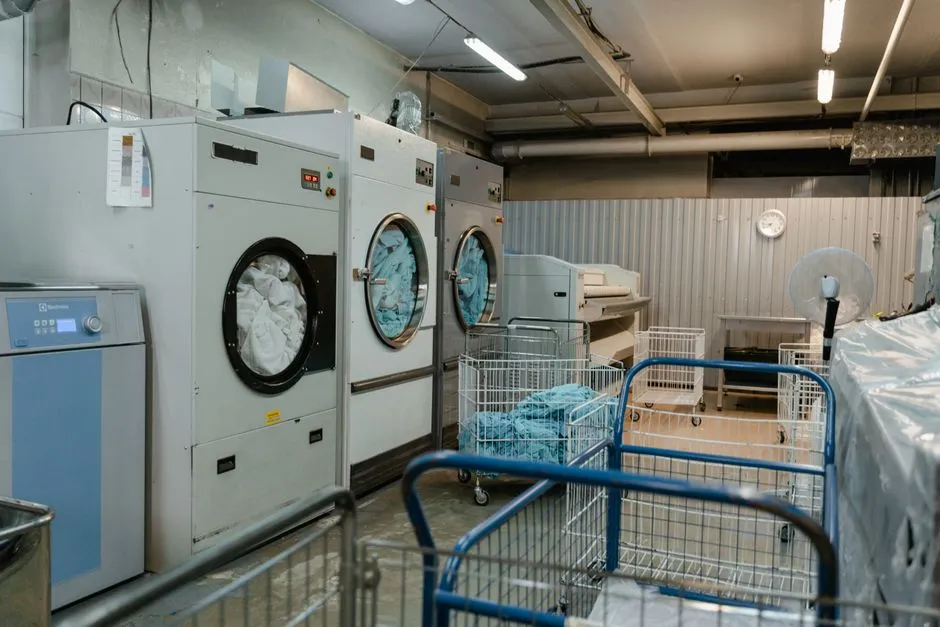
There’s no industry-wide standard for comforter washing. The frequency varies significantly depending on the type of hotel, according to bedding industry experts. While luxury hotels and resorts typically wash comforters after each guest checkout, budget properties may only clean them monthly or when visibly soiled.
The cleaning staff at any midrange hotel generally abide by an individual company policy. Some are known to wash comforters between each guest, while others may do so once a week as part of a regular cleaning schedule.
Blankets, duvets, and comforters are not cleaned after every guest in any hotel that doesn’t have a full-size in-house laundry room – meaning six to eight washers and matching dryers, folding machines, and so on. That rules out a significant portion of mid-tier properties.
Decorative Throw Pillows and Blankets: Cleaned Every 60 to 90 Days

Generally, decorative pillows and blankets at hotels are not part of daily cleaning, according to Magnus Thorsson, a professor in the college of hospitality at Johnson and Wales University and a former hotel owner.
Ornamental items such as decorative throw pillows and blankets are put on a separate cleaning cycle. Just how often they are cleaned depends on the hotel brand and its star rating, but every 60 to 90 days tends to be customary.
Every 60 to 90 days may not sound very frequent, but the reason these items aren’t washed as often as sheets is because they often don’t come into direct contact with the hotel guest. Still, it’s worth moving them to the side of the bed upon arrival if that detail concerns you.
Pillowcases vs. Pillow Protectors vs. the Pillow Itself
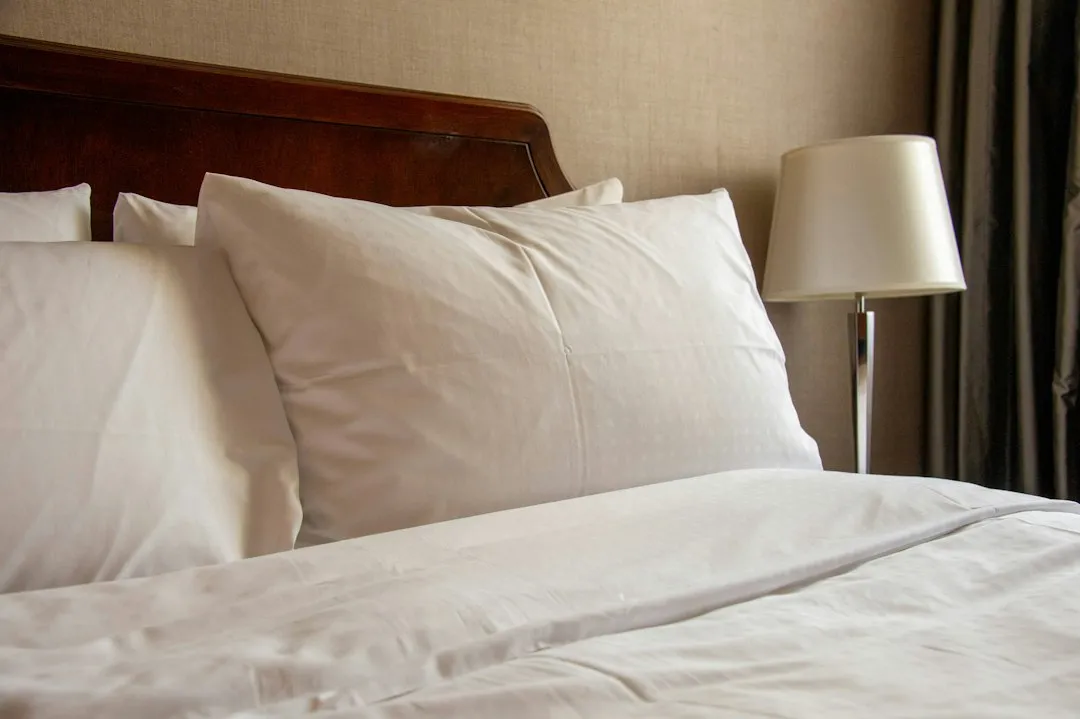
A hotel pillow protector sits between the decorative pillowcase and the pillow fill, acting as the primary barrier against sweat, body oils, allergens, dust mites, and accidental fluid exposure. Most guests never notice it, but it does real work.
Hotel pillow protectors should be laundered after every single guest checkout, according to hospitality hygiene consultants and property management auditors as of 2026. The protectors themselves, as physical objects, are typically replaced every 12 to 18 months.
Most hotels replace pillows regularly, typically every two years or so, due to wear and hygiene concerns. Hotel pillows are usually encased in protective covers and pillowcases that are laundered as often as the sheets. However, the pillows themselves are rarely washed.
Mattress Protectors: An Often-Overlooked Layer
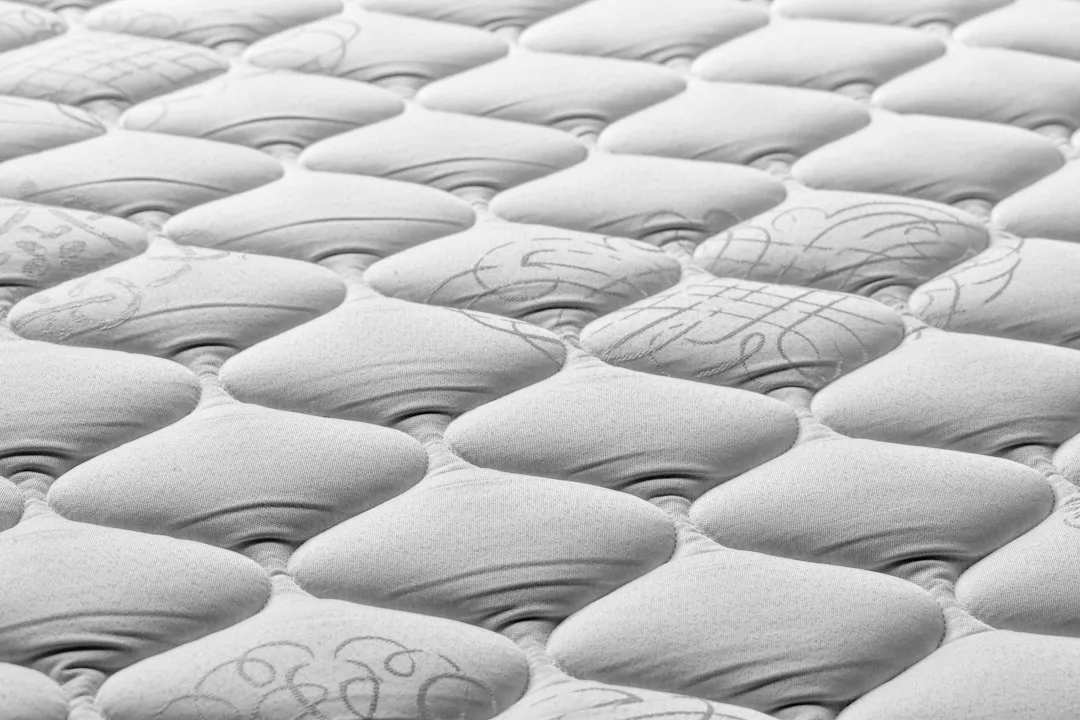
Mattress protectors shield mattresses from spills, stains, and physical wear, reducing replacement costs. A 2024 hospitality report noted that hotels replacing mattresses every five to seven years could extend this to eight to ten years with proper protection.
Most industry guidance recommends washing mattress protectors weekly or after each guest checkout using commercial-grade detergents. Most waterproof and cotton terry mattress protectors are machine-washable, though care labels should always be followed to avoid damage.
In practice, luxury and premium hotels typically launder mattress protectors after every guest turnover, mid-scale hotels every two to three days or per checkout, and long-stay or budget properties on a weekly or as-needed basis.
Hampton Inn and the Brands That Set the Bar

Hampton Inn, which has over 3,000 locations worldwide, established an official hotel policy since 2006 to wash every linen on the bed between guests, including comforters, duvet covers, sheets, and pillowcases. It was an early and notable commitment in the industry.
Marriott International, through their “Commitment to Clean” initiative, set new standards including electrostatic sprayers for sanitizing rooms and common areas. Their stringent protocols ensure that bed linens are cleaned thoroughly, with fresh linens provided between every guest stay.
These brand-level commitments matter because they create accountability at the property level. When a chain publicly ties its reputation to a cleanliness standard, there’s real operational pressure to follow through.
How Hotels Actually Launder Bedding
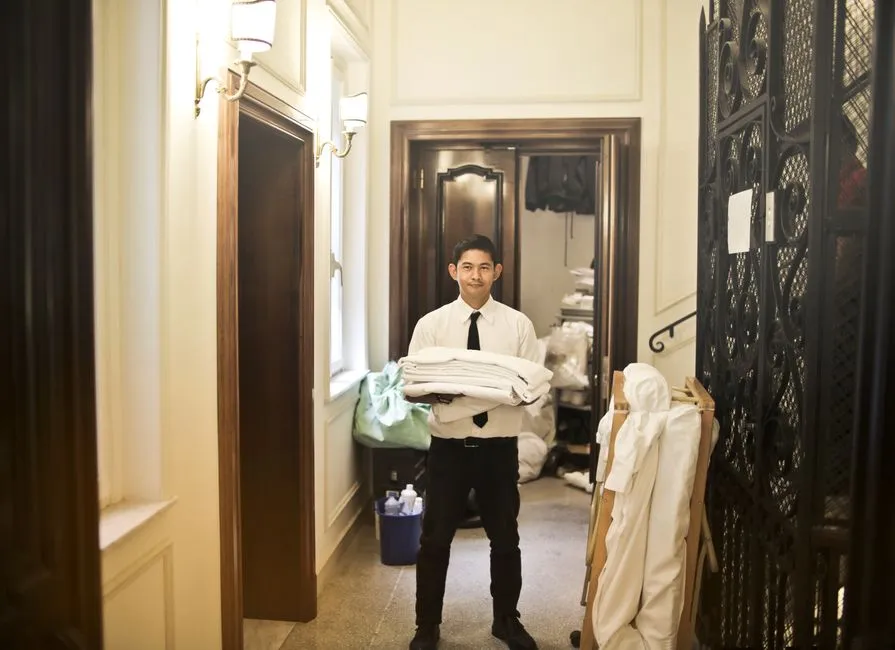
Hotels use a multi-step laundry protocol: pre-sorting by fabric, washing at 140 to 160 degrees Fahrenheit with oxygen bleach rather than chlorine, skipping fabric softener entirely, adding white vinegar as a natural rinse, tumble drying on medium heat, and finishing with a commercial press.
Hotels maintain three to four complete sets of linens per bed in rotation at any given time. This inventory approach means each set gets washed less frequently, extending individual set lifespan while ensuring clean linens are always available.
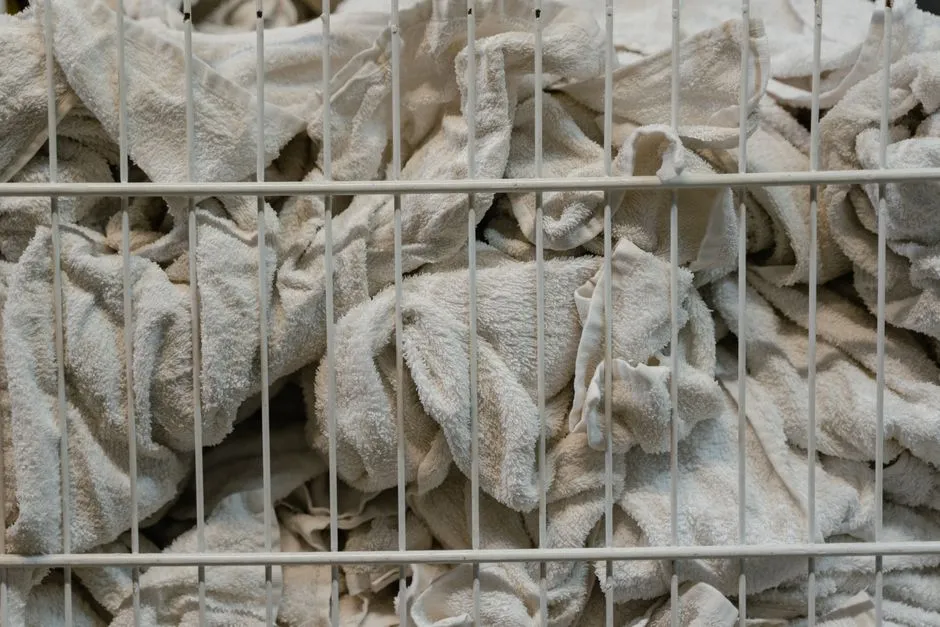
When sheets show thinning, small tears, or persistent staining, they’re pulled from rotation and either discarded or repurposed as cleaning rags. Hotels don’t rewash stained sheets endlessly – anything that doesn’t come clean after one treatment is removed permanently.
What Guests Can Do to Stay Informed
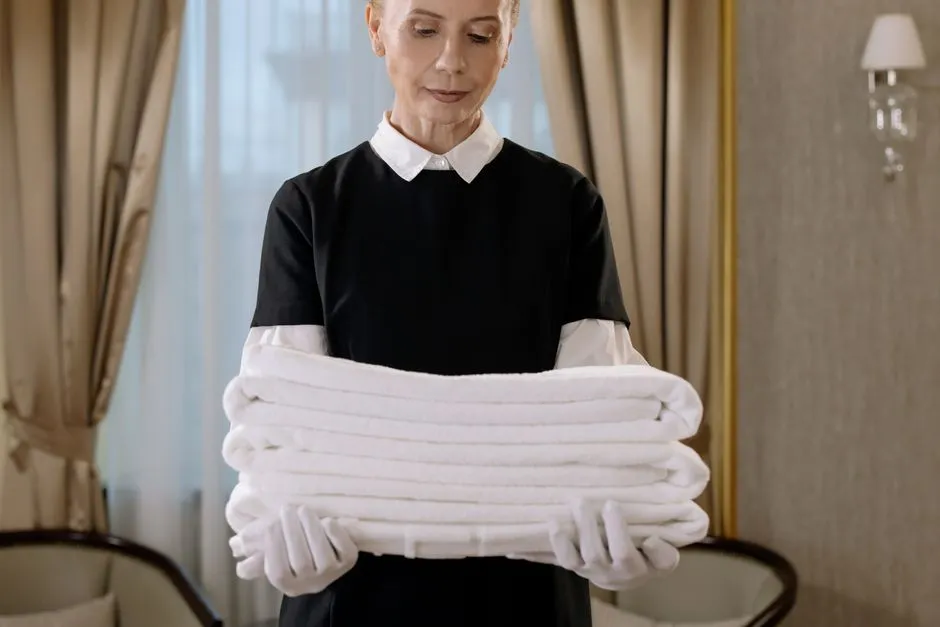
If you’re concerned about bedding cleanliness, consider asking specific questions upon arrival, such as how frequently comforters are washed or when the bedding in your room was last laundered. Front desk staff at reputable properties will typically answer directly.
According to ReviewTrackers, nearly half of guests are likely to write a review after having a negative experience at a hotel, such as walking into a less-than-clean guestroom. An Expedia study also found that roughly three out of four travelers will select a property with higher guest review scores over one with a recognizable brand or a lower price. Cleanliness, in other words, is a core business driver.
Traveling with a light cotton travel sheet liner is a practical option for those who remain cautious. It’s a small addition to a bag that eliminates most of the uncertainty around what did or didn’t make it through the wash.
The Takeaway
The honest picture is this: the items closest to your skin – sheets, pillowcases, pillowcase protectors, and towels – are reliably washed between every guest at any credible hotel. The further you move from direct skin contact, the longer the cleaning cycle tends to be.
Comforters, decorative throws, and ornamental pillows operate on a separate timeline, and that timeline varies considerably from property to property. Luxury hotels tend to wash more frequently simply because guest expectations demand it. Budget properties cut corners where they can.
The next time you check into a hotel room, it’s worth taking a moment to notice what’s white and what isn’t. In hotels, things that are frequently laundered tend to be white – and that color-coding is not entirely an accident. It’s a quiet form of accountability baked into the design of the room itself.
AI Disclaimer: This article was created with the assistance of AI tools and reviewed by a human editor.