
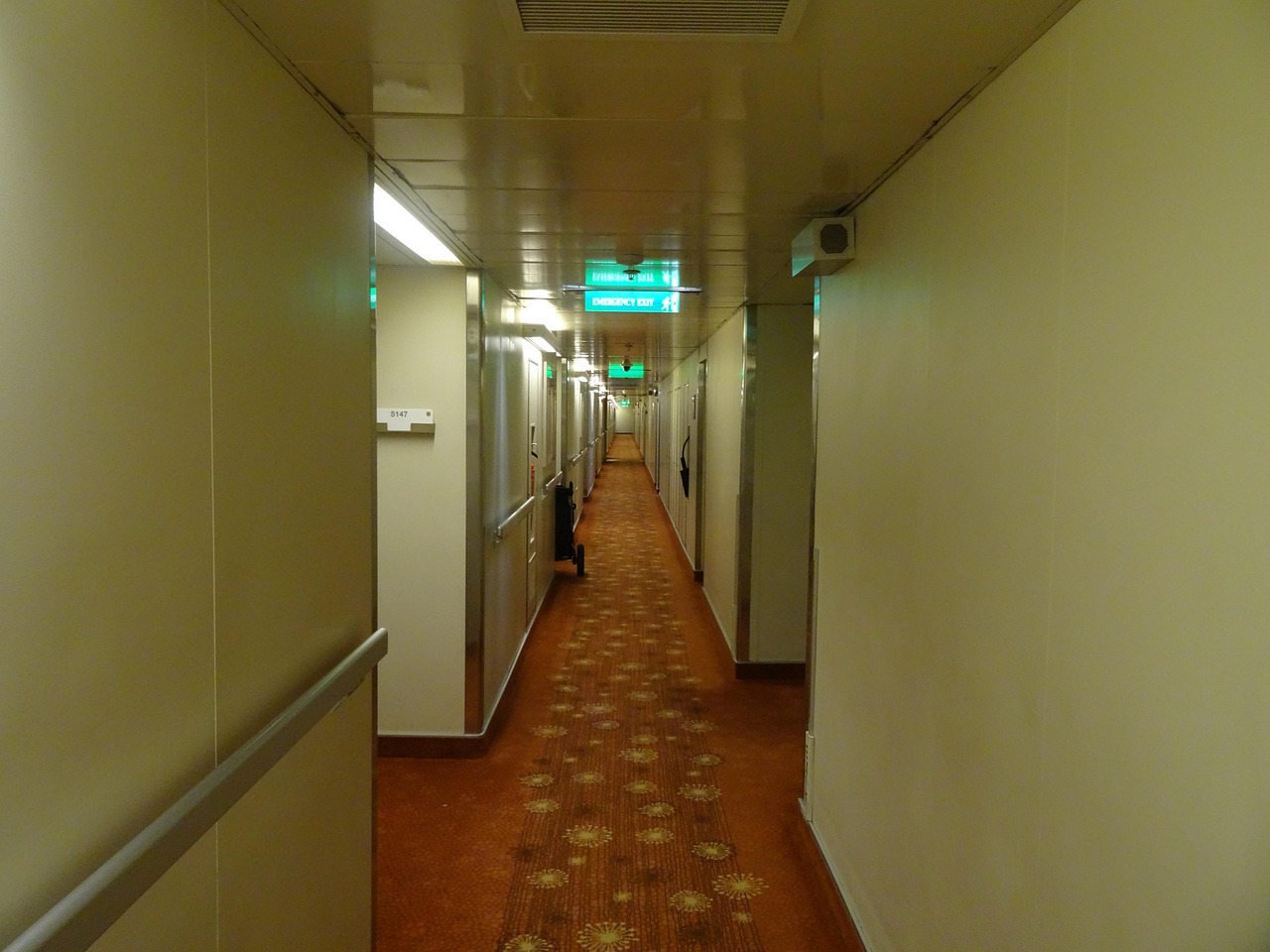

Walk into almost any large hotel in the world and ask for room 13. Chances are, the front desk agent will pause, maybe smile, and quietly let you know that room doesn’t exist. It’s one of the hospitality industry’s most enduring open secrets: certain numbers simply vanish from the roster before a single guest ever checks in.
This isn’t an accident or an oversight. It’s a deliberate, calculated decision rooted in cultural belief, guest psychology, and good old business sense. The numbers that get erased from hotel rosters tell a surprisingly rich story about the guests who fill those rooms.
The Number Everyone Knows: Room 13
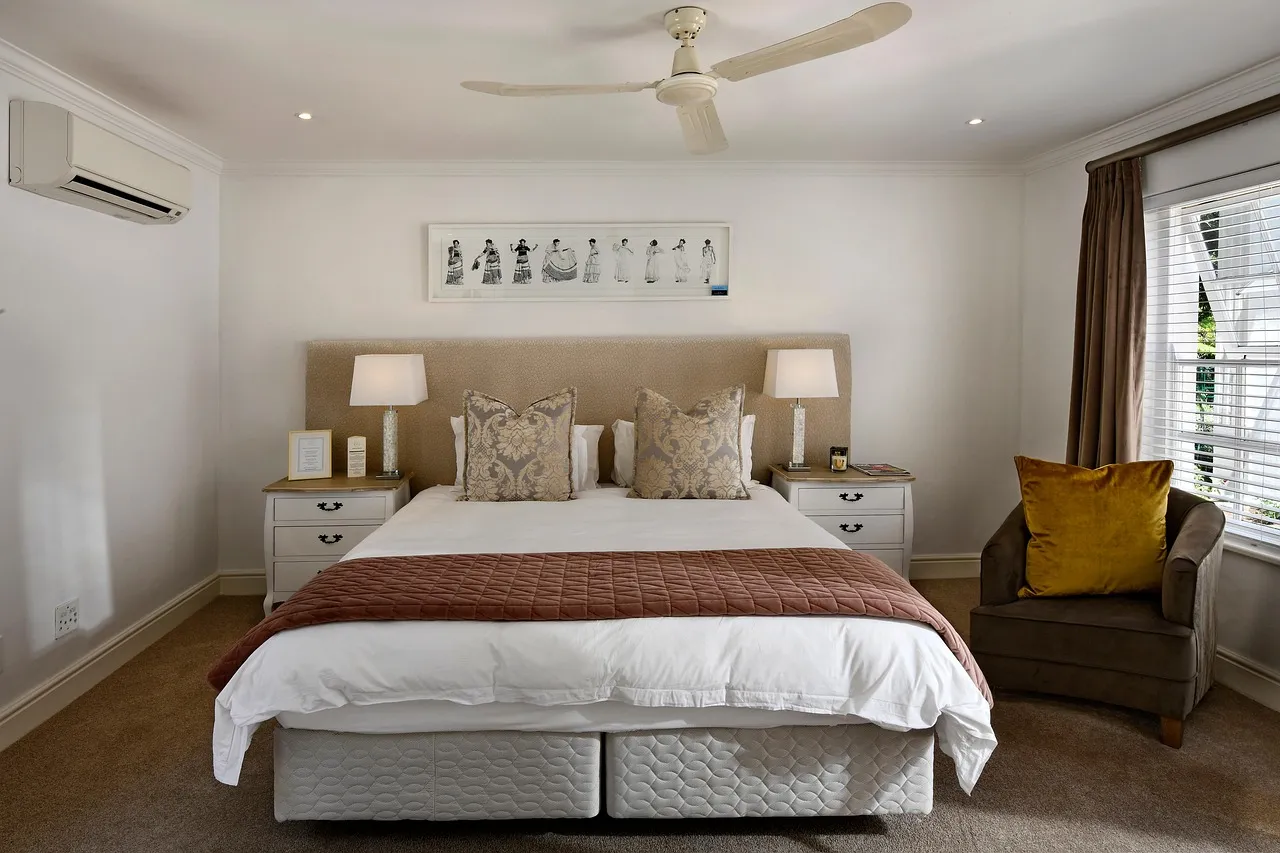
Today, it’s virtually impossible to hand over the keys to a room thirteen to a customer. There’s a very high probability they’ll refuse or take it as unpleasant treatment. Most hotels in the world simply do not have room 13.
A Gallup poll conducted in the United States found that 13% of participants would be bothered by staying on the 13th floor, while 9% would request a room change. Those percentages might feel small at first glance, but for a 400-room property running at tight margins, that’s a meaningful chunk of unhappy guests.
A Grand Hyatt Nashville general manager with over 20 years of industry experience noted that except for one or two hotels he had worked for, there was never a 13th floor. One hotel in New York City didn’t even have 13 as a room number.
The 13th Floor That Technically Still Exists
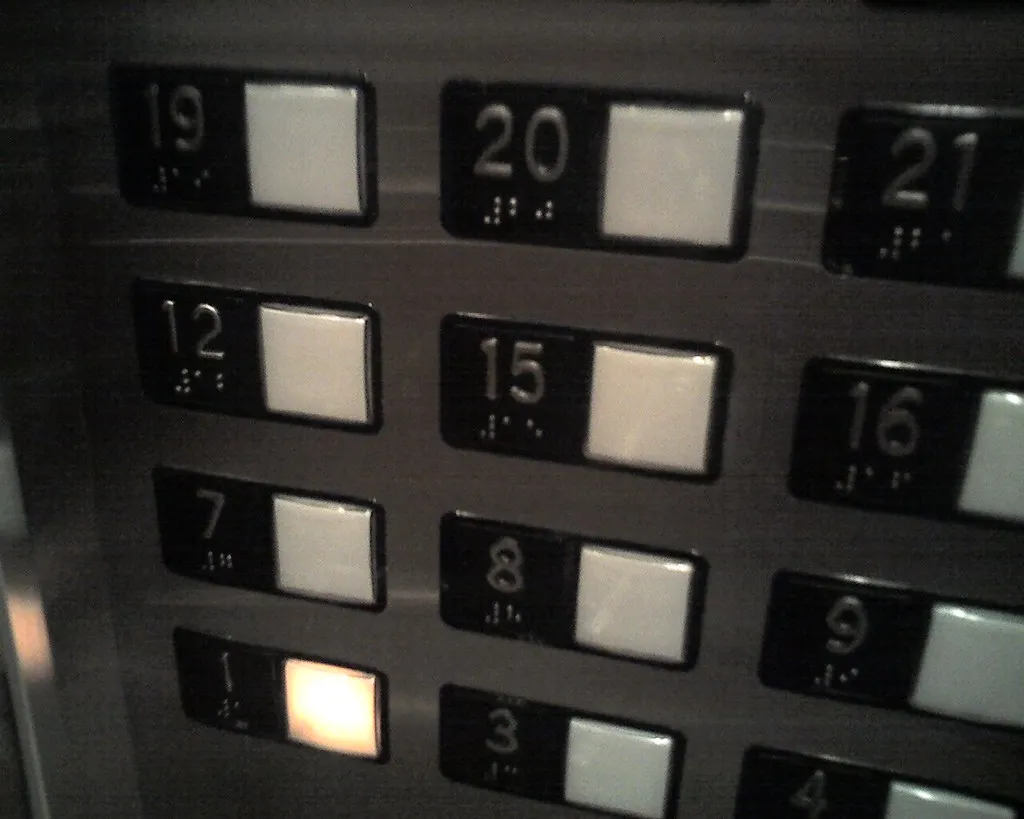
The fears over the number 13 have led hotels, buildings, and elevator manufacturers to skip the 13th floor. Technically, the 14th floor is really the 13th floor of that building, or 13 is labeled as something else, like 12-A.
A CityRealty report found that out of 629 buildings in Manhattan that had more than 13 floors, only 55 labeled the 13th floor as the 13th floor. That’s a striking number. The vast majority of New York high-rises simply pretend the floor doesn’t exist.
The city of Vancouver goes as far as to prohibit this practice, preventing confusion and disorientation in emergency situations. It’s one of the few places where practical safety logic has overridden cultural superstition in building codes.
Why 13 Became So Feared in the First Place
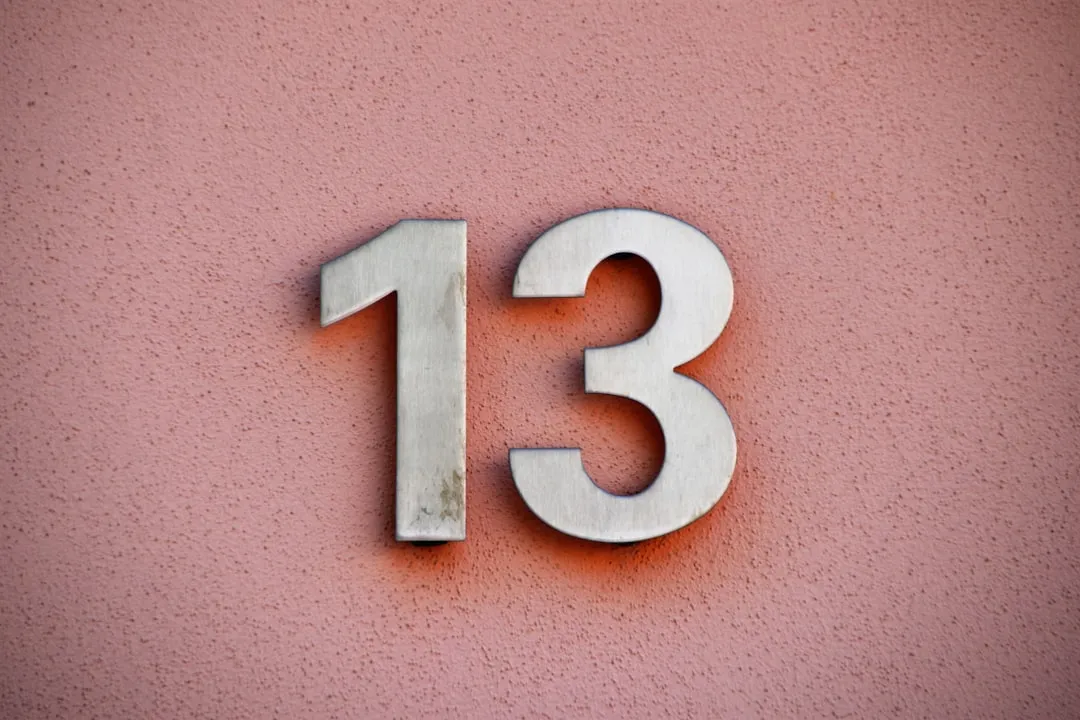
Triskaidekaphobia has roots in religious and mythological traditions, including the Christian tradition. The Last Supper, where Judas Iscariot was the 13th guest, has long associated the number 13 with betrayal and misfortune.
It’s not just Christianity that has cast a shadow on the number 13. Norse mythology also plays a role, with Loki, the god of mischief, adding to its negative connotations. As the uninvited 13th guest at a feast, Loki wreaked havoc that ultimately led to the death of Balder, the cherished god.
An estimated 17 to 21 million people in the world are irrationally scared of the number 13, a fear that impairs them socially, occupationally, or functionally. That’s a substantial portion of the traveling public, which means hotels aren’t being irrational by accommodating it.
The Number 4: Asia’s Equivalent of 13
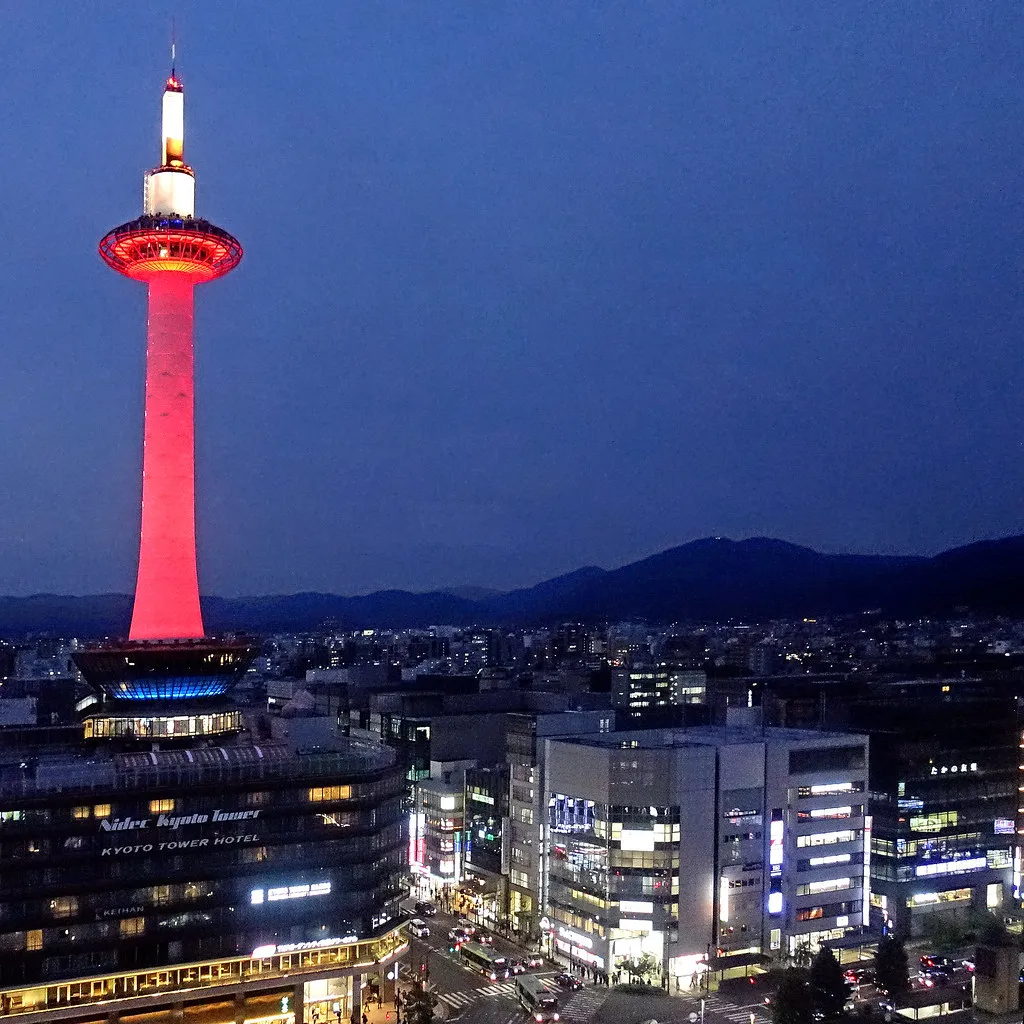
In Japan, the number four is pronounced as “shi,” which is phonetically identical to the word for death. This linguistic overlap has led to a superstition known as tetraphobia, or fear of the number four.
Although most discussed in the context of Japan, tetraphobia is present across East Asia. In Mandarin Chinese, “four” sounds nearly identical to “death,” which has led to similar floor-skipping habits in Chinese-speaking countries. In South Korea, “four” is also pronounced similarly to the word for death, and buildings often use the letter “F” in place of the number altogether.
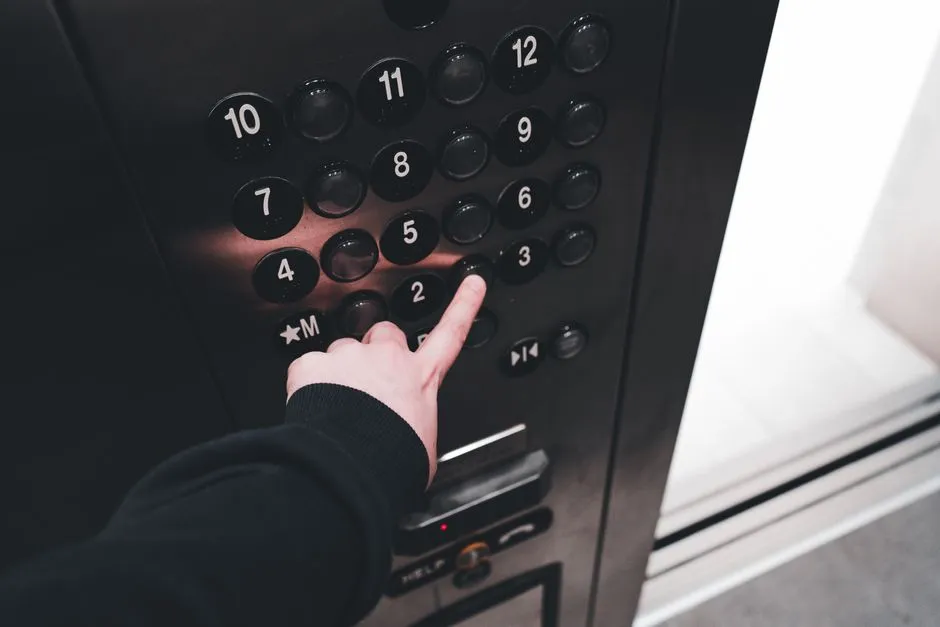
Levels 4 and 40 through 49 are missing at Las Vegas casinos like The Wynn, Encore, Aria, and the Palms, since Chinese visitors make up a major chunk of their clientele. The superstition has traveled far beyond Asia’s borders, reshaping how Western properties number their floors for international guests.
Room 420 and the Cannabis Connection
Some hotels omit Room 420 due to the association with marijuana culture, as “420” is slang for cannabis consumption. To avoid any negative connotations, these rooms are skipped in the numbering sequence.
In France, 420 rooms are in demand by cannabis smokers hoping to indulge their passion in peace. Since the consumption of such a drug is prohibited in France, most hotels have eliminated this number. The motivations differ from the superstition-based omissions, but the outcome is the same: the number quietly disappears.
More recently, “420” has been skipped in some U.S. hotels to avoid association with cannabis culture. Property managers report that the decision often comes down to preventing a room from becoming a magnet for unwanted activity rather than any moral stance on the subject.
Room 666 and the “Number of the Beast”
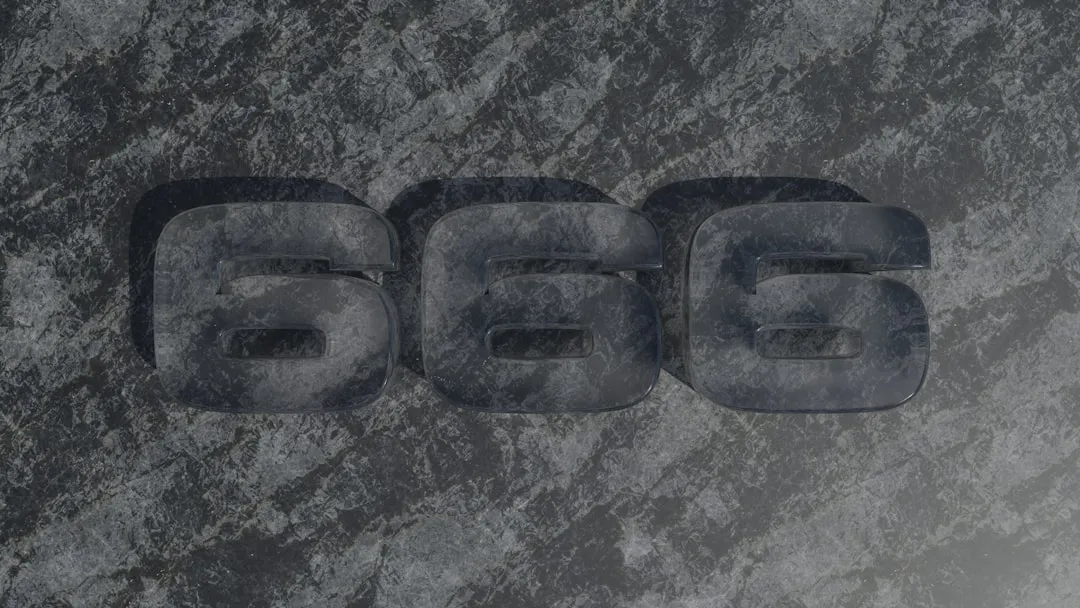
Few numbers unsettle Western guests like 666. Its reputation comes from the Book of Revelation in the New Testament, where it is called the “number of the beast.” That biblical link has made the number especially uncomfortable in Christian-majority settings and among religious travelers.
Hotels do not always skip 666, but some avoid it quietly, especially in room blocks, conference halls, or door numbering where alternatives are easy. Hospitality staff have long said that even guests who are not deeply religious may object because the number carries a strong pop-cultural stigma.
Unlike more localized taboos, 666 is familiar through films, music, and television. That broad recognition gives it unusual staying power in English-speaking travel markets. It’s less about theology for most guests and more about an image that popular culture has cemented for decades.
The Numbers That Extend Beyond a Single Digit

A hotel may not offer room 13, 113, or 1313 if management believes guests will reject them. Researchers in behavioral economics have long noted that superstition can influence real consumer choices, even when people describe themselves as rational.
In North America and Europe, the fear of the number 13 leads many hotels to skip the 13th floor entirely or label it “12A.” Room numbers such as 1301 or 1313 are likewise omitted. The logic cascades through the entire numbering system, not just the obvious first instance of the digit.
Studies reveal that guests report up to 7% higher satisfaction when assigned “lucky” numbers, even when the physical room is identical to others. Conversely, “unlucky” rooms increase early checkout requests and complaints. That’s a measurable operational impact tied entirely to a number on a door.
Room 217, The Shining, and Pop Culture’s Role
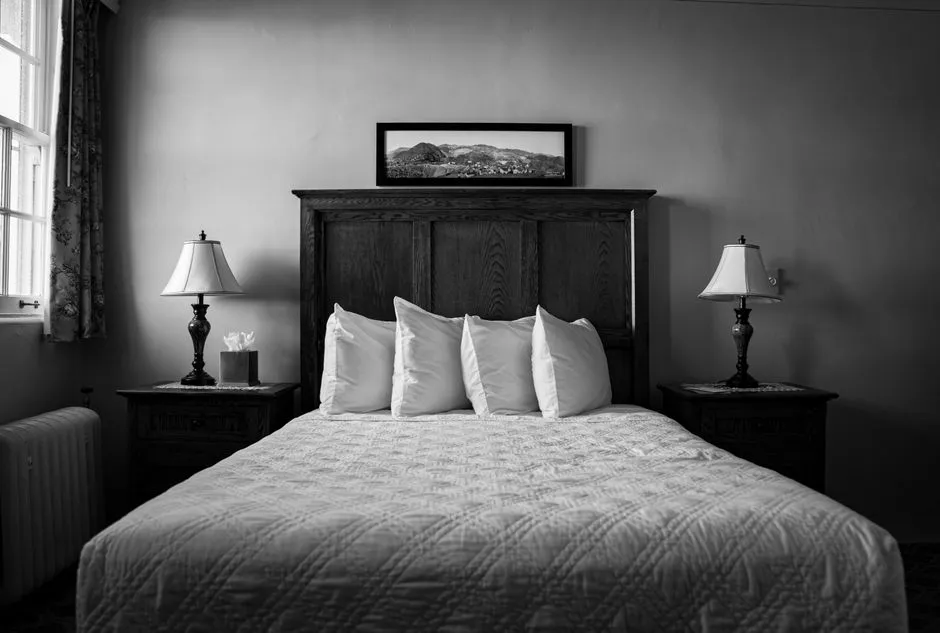
The Timberline Lodge in Oregon, featured in The Shining, has a Room 217, which was the inspiration for the film’s Room 237. Hotel management requested the filmmakers to change the number to avoid unsettling guests. The request backfired in a quiet way: Room 237 became legendary instead, and Room 217 still carries its own mystique.
In Europe, other numbers such as 237 (popularized by The Shining) and 622 (after the mystery novel Room 622 by Joel Dicker) have also gained superstitions tied to them. Fiction shapes guest behavior in ways hotel managers couldn’t have predicted when those stories were first published.
While these associations are more fictional or symbolic, the reasons behind avoiding certain room numbers are not always based on superstition. They can sometimes be grounded in practical considerations. The line between cultural belief and pragmatic hospitality management is thinner than it looks.
How Modern Hotels Manage Number Avoidance Systematically
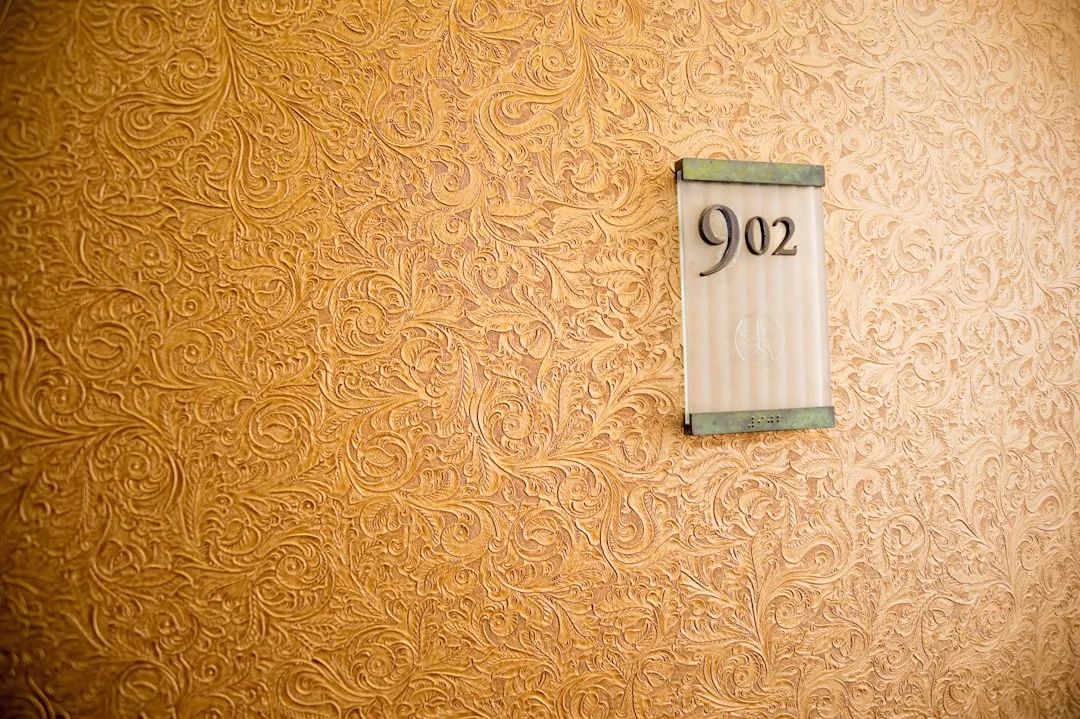
Assigning hotel room numbers is far from a simple counting exercise: it is a sophisticated art that blends architectural planning, cultural sensitivity, guest psychology, and operational strategy. A well-designed numbering system not only helps guests locate their rooms easily but also avoids cultural taboos, reduces complaints, and supports refined revenue and property management.
Modern Property Management Systems such as Opera allow hotels to preset blacklisted digits, for example 4 or 13. During automatic room assignment, the system simply jumps over these numbers, keeping numbering organized while honoring cultural sensitivities.
A guest who does not want room 4 may strongly prefer room 8. Numbering then becomes part of the sales strategy, not just a cultural accommodation. In that sense, superstition can raise rates as well as reduce demand. Lucky numbers can be positioned as a quiet premium, offered to guests willing to pay a little more for a number that feels right.
The Business Case Behind the Missing Numbers
The Stress Management Center and Phobia Institute estimates $800 to $900 million is lost commercially on each Friday the 13th because people avoid transactions and travel. For hotels specifically, that figure underlines why the decision to remove certain room numbers is never just symbolic.
While the percentages of guests affected might seem small, they represent a significant number of potential guests for large hotels. Given the industry’s fierce competitiveness, hoteliers often feel it’s better to be safe than sorry, opting to exclude certain numbers.
Triskaidekaphobia significantly influences building design and customer behavior in the hospitality industry, reflecting deep cultural superstitions. Global variations in superstitions, such as the avoidance of 4 in Asian cultures, show the impact of cultural beliefs on architectural practices. A hotel that serves international travelers simply cannot afford to be culturally tone-deaf about something this visible.
The Takeaway
Room numbers that quietly vanish from hotel corridors around the world are not a quirk of poor planning. They’re a studied response to real human psychology, cross-cultural belief, and decades of accumulated guest feedback. The hospitality industry has learned, sometimes the hard way, that what’s printed on a door can shape an entire stay.
In hospitality, the lesson is simple: numbers are never just numbers when guests attach meaning to them. Whether the fear is rooted in ancient mythology, religious text, or a horror film watched decades ago, the feeling it produces in a guest is real enough to warrant action.
Shifts in cultural attitudes are leading some establishments to embrace previously avoided numbers, suggesting possible changes in societal norms and architectural conventions. Still, for most properties operating across a diverse global clientele, the safest room number remains the one that never appears on the door at all.
AI Disclaimer: This article was created with the assistance of AI tools and reviewed by a human editor.