

Who Is the Night Auditor, Exactly?
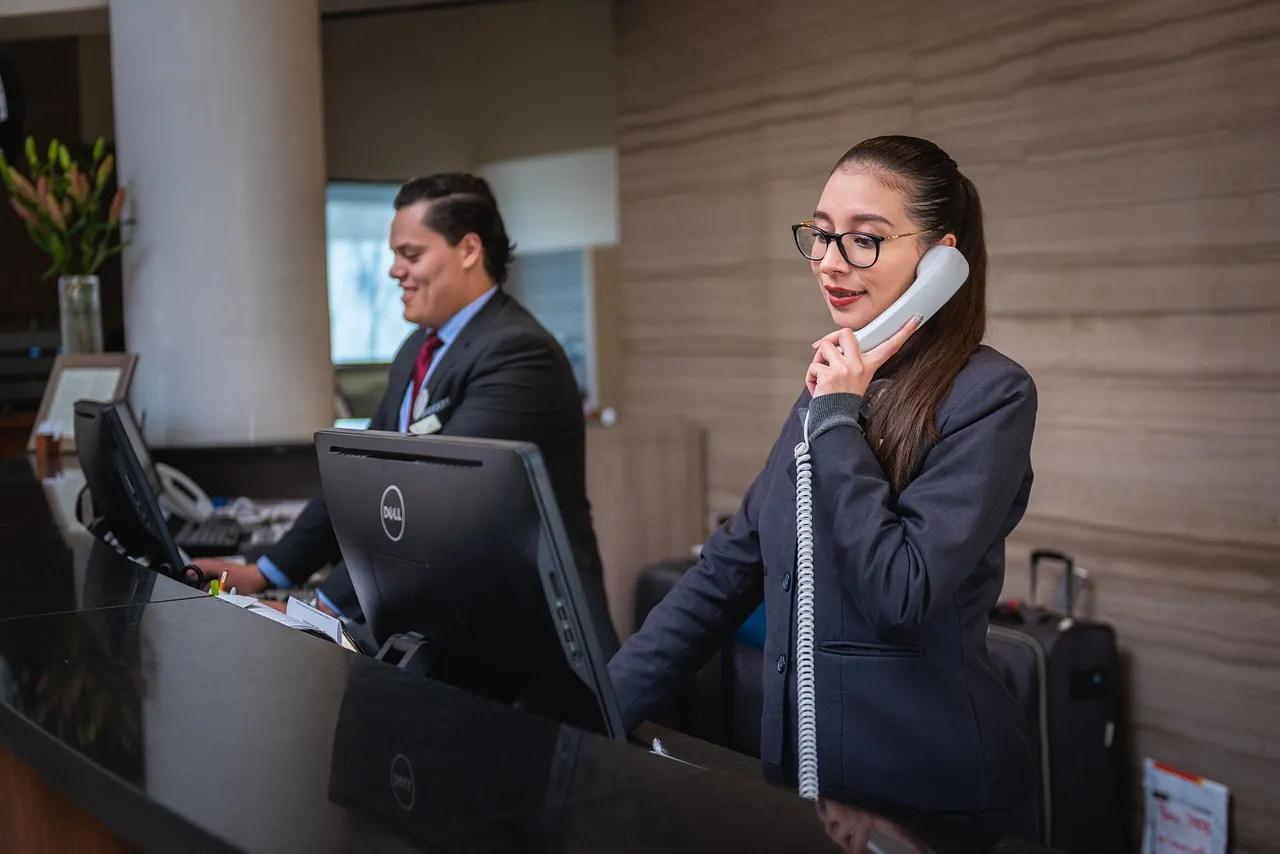
The night audit shift runs from approximately 11 p.m. to 7 a.m., taking over from the evening front desk agents and passing the baton to the morning staff the next day. A night auditor is an employee who works at the reception of a hotel during the course of the night shift, and apart from performing the usual duties of a hotel receptionist, their main task is to perform accounting checks.
Night auditor duties span across two main areas: running the front desk and being the face of the hotel overnight, while also closing the books for the day, producing reports, and setting up the morning teams for success. In smaller properties, such as boutique hotels or bed-and-breakfasts with fewer than 100 rooms, the night auditor often works solo, handling all front desk duties alongside audit tasks, which may include basic security monitoring due to limited overnight staffing.
The Midnight Rush: Why 11 p.m. to 1 a.m. Is Never Quiet
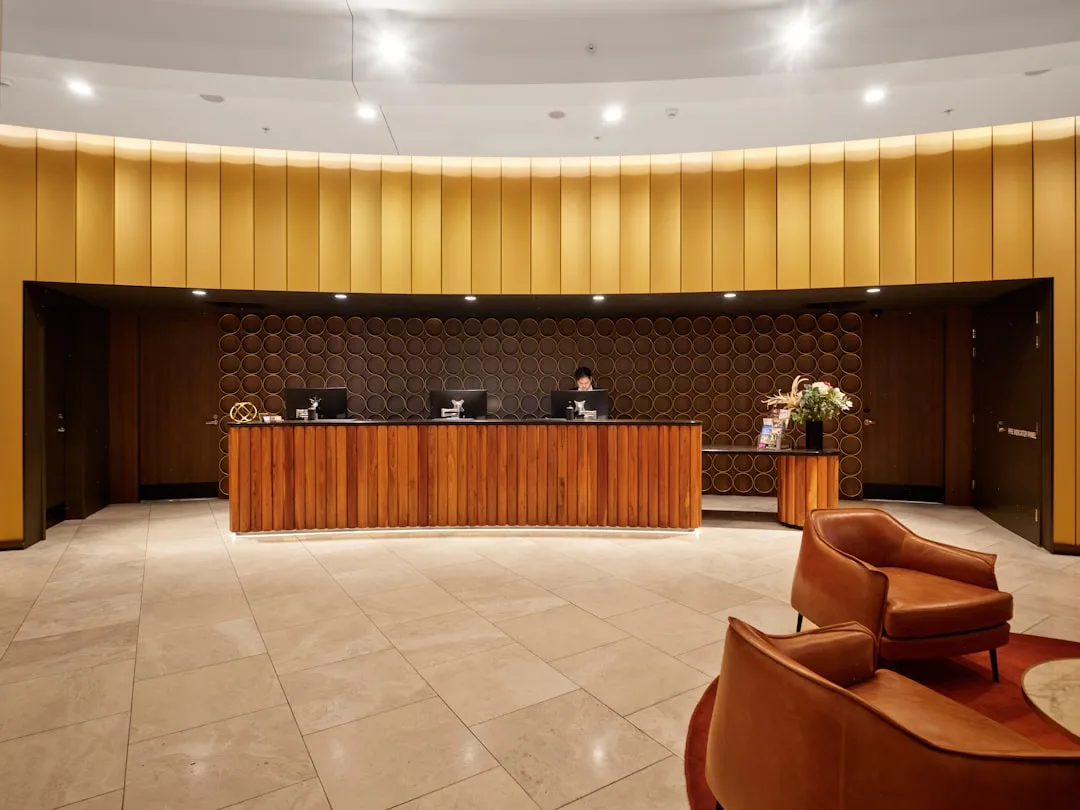
At the beginning of their shift, a night auditor checks in guests arriving late and assists with any guest inquiries or requests, like scheduling wake-up calls or arranging airport transportation. That opening window is genuinely hectic. Late arrivals trickle in, travelers from delayed flights show up disoriented, and guests who just settled into their rooms for the first time start discovering what isn’t working.
A missing towel or broken thermostat is much easier to deal with at 3 p.m. than at 11 p.m. Checking the bed, bathroom, thermostat, lights, and general cleanliness after arrival is something guests are encouraged to do, and calling the front desk while still getting settled is the right move. Most guests, though, don’t check until they’re ready to sleep, which is precisely when calls start flooding in.
The Most Common Reason Guests Call: Noise

Noise complaints are among the most common and most preventable issues in hotel operations. A guest wakes at 2 a.m. to a party next door, calls the front desk in frustration, and by morning, the hotel is managing a bad review instead of a smooth check-out. This scenario is essentially the defining rhythm of the overnight shift.
Research has found that midnight was the peak for “negatively-categorized mentions” related to noise, which is when guests are trying to relax or sleep, making the disturbance feel far more significant than it would earlier in the day. The most common complaints include thin walls, where guests frequently hear conversations or TVs from adjacent rooms, as well as hallway traffic, with loud footsteps, door slams, and conversations outside guest rooms disrupting sleep.
Around 2 a.m.: The Second Spike
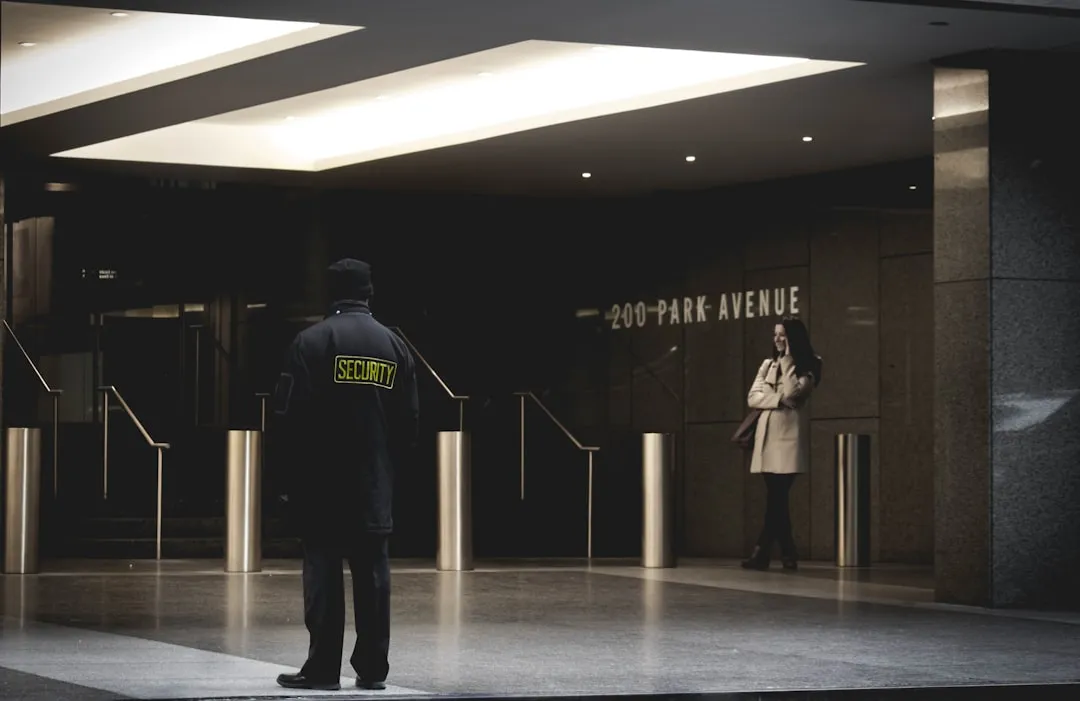
If the first cluster of calls comes in around midnight, night auditors consistently report a second wave around 2 a.m. The 2 a.m. intoxicated guest is real. The 3 a.m. medical call is real. These aren’t edge cases. They’re regular features of the overnight log at properties of virtually every category.
Common noise sources include noisy neighbors, street sounds, construction, and late-night activity in common areas. Since sleep disruption affects the entire stay, these complaints can escalate quickly. A guest who calls at 2 a.m. about noise from a neighboring room is often already short on patience, which means the auditor’s ability to de-escalate calmly is just as important as resolving the issue itself.
Wake-Up Call Requests: A Quiet but Constant Stream
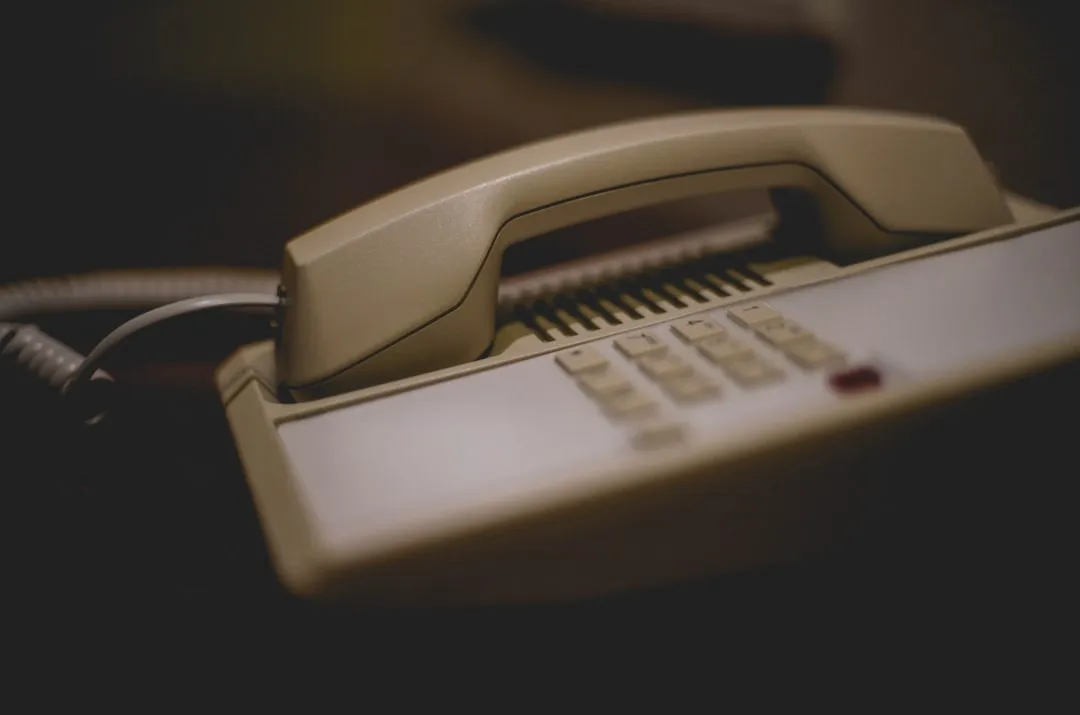
Night auditors are often the ones to make wake-up calls, check out guests who depart early in the morning, arrange transportation, and provide area recommendations. Requests for wake-up calls tend to come in during that first busy stretch of the shift, between 11 p.m. and 1 a.m., as guests finalize their plans for the morning before trying to sleep.
Failing to place a timely wake-up call can result in a guest missing their early morning flight, critical appointment, or business meeting. It is very important to handle wake-up calls accurately and promptly, and if front desk staff fail to give the wake-up call to guests, this can lead to inconvenience such as missing flights or important meetings and to guest dissatisfaction. The stakes are real, which is why these requests are logged carefully.
The Calm Between: 3 a.m. to 5 a.m.

Once the clock strikes midnight and hopefully the phones have stopped ringing, the hotel auditor uses this “quiet time” to perform crucial daily tasks. In practice, that window often doesn’t fully arrive until closer to 3 a.m., once the noise complaints have been resolved and most guests have fallen asleep. For auditors, this is prime time to focus on the accounting close.
One task of the night auditor is posting the day’s room rate and room tax to each guest folio at the close of business, which usually occurs between midnight and 2 o’clock in the morning. If the phones are still ringing during that window, the financial reconciliation gets pushed later, which creates pressure heading into the morning handover. The 3 to 5 a.m. quiet stretch is not guaranteed, but auditors count on it.
Early Morning Calls: 5 a.m. to 7 a.m. Picks Back Up
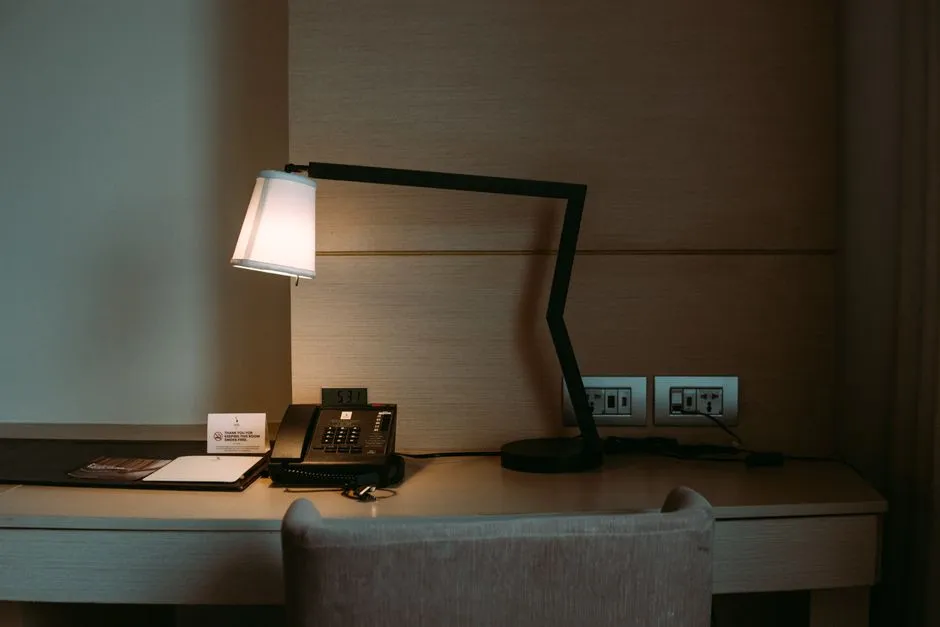
Just as the quiet settles in, it dissolves again. Business travelers with early flights, guests requesting early check-outs, and the first wave of automated wake-up confirmations all converge in the pre-dawn hours. The auditor is the senior person on property and gets every overnight call from housekeeping or security, and during the shift, they coordinate with the overnight housekeeper for room turnovers, the on-call engineer for any HVAC or plumbing issues, and security if there’s a noise complaint.
Night auditors check out guests who depart early in the morning and arrange transportation, and when the morning front desk shift arrives around 7 a.m., night audit briefs them on any important information before clocking out. That handover conversation is rarely short. A busy night leaves a long trail of notes.
The Complaint That Travels Through Walls: Noise by the Numbers

Industry surveys show that roughly six out of every seven travelers are less likely to recommend a hotel after a bad noise experience. That’s a striking figure, and it explains why noise management has become one of the most urgent operational priorities for hotel management teams. A single unresolved noise complaint at 2 a.m. can translate directly into a public review by breakfast.
Guests rarely notify the front desk in real-time about noise, opting instead to express their dissatisfaction in post-stay reviews. This makes it difficult for hotel management to rectify the situation before it impacts the guest’s overall experience. When guests do call, it often means they’ve already been lying awake for a while, making patience at the front desk especially valuable in those moments.
What Auditors Say About the Nature of Overnight Calls
During the shift, the auditor coordinates with the overnight housekeeper, the engineering on-call for any HVAC or plumbing tickets, and security if there’s a noise complaint or a guest who shouldn’t be there. The phone is always within reach. Night auditors often describe the phone as something they become hyperaware of, attuned to the difference between a silence that means everyone is asleep and a quiet that’s about to end.
When problems occur during the stay, guest satisfaction plummets, a correlation backed up by the J.D. Power 2025 North America Hotel Guest Satisfaction Index Study. Auditors are, in a very direct sense, the people standing between an unresolved problem and a five-star review becoming a three-star one. That weight is real, and they carry it through the night.
Technology Is Changing the Overnight Equation

Real-world case studies show that technology can significantly reduce hotel noise complaints. Hotels that have embraced noise monitoring devices and responsive protocols have seen measurable improvements, not only in fewer midnight calls to the front desk, but in higher guest satisfaction scores and online ratings. Smart sensors can alert the auditor to a disturbance before a guest even reaches for the phone.
AI chatbots and voice assistants provide instant answers to common questions, preventing communication delays, and integrated property management systems keep all departments informed and help avoid service gaps. These tools don’t replace the auditor but they do filter out some of the lower-stakes calls, allowing them to focus on situations that genuinely need a human response at 2 in the morning.
Final Thoughts
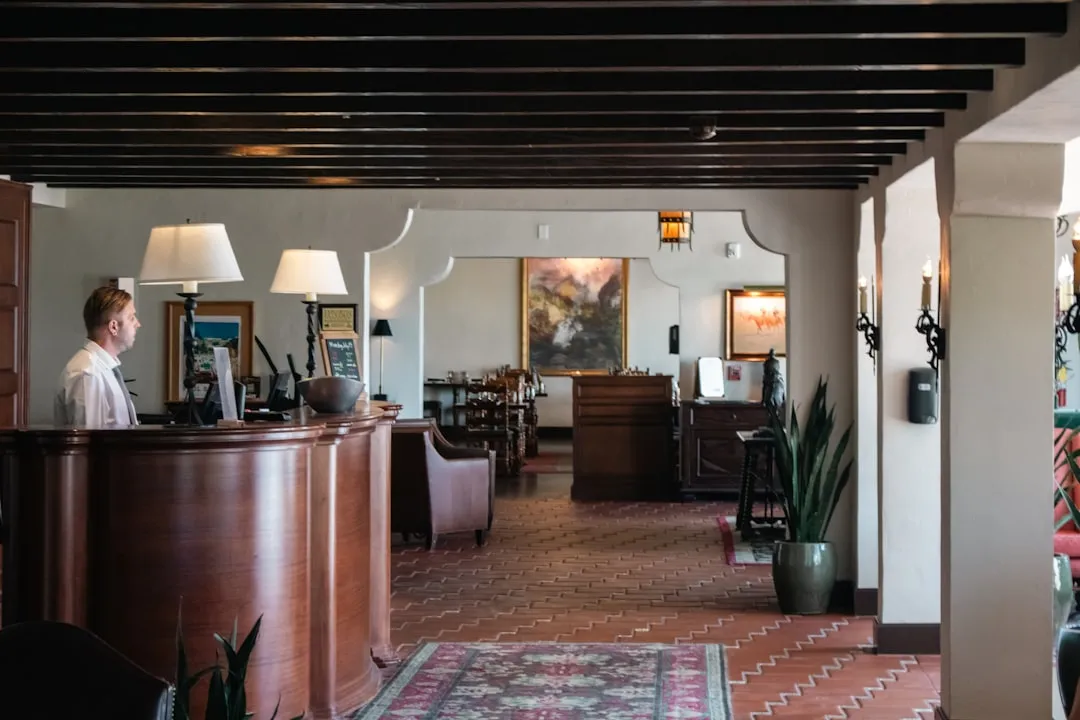
The phone behind the front desk is, in many ways, a map of human vulnerability. Guests call when they’re cold, tired, kept awake, anxious about a flight, or simply unsure what else to do. The hour they call most often, that stretch from midnight to 2 a.m., says less about hotel failures and more about the particular helplessness of being away from home in the dark.
Night auditors hold the quiet together. They reconcile the books, manage the drama, and hand off a clean morning to a team that will never fully know what happened between 11 p.m. and 7 a.m. The next time you’re tempted to call the front desk at 1 a.m., know that someone is already awake, already expecting you, and already reaching for the phone.
AI Disclaimer: This article was created with the assistance of AI tools and reviewed by a human editor.